


 English
  日本語
日本語  Deutsch



Industry News
Bottles for Beer and Coffee: What Are They
2025-12-05
Bottles are a common type of packaging used to store and transport beverages such as beer and coffee. They provide protection against contamination, facilitate storage and transport, and allow consumers to enjoy the beverage conveniently. While beer and coffee have different chemical and sensory properties, the bottles designed for each share some basic functions but differ in material, shape, and design.
Material and Design Considerations for Beer Bottles
Beer bottles are generally designed to protect the beverage from light, oxygen, and contamination, which can affect the flavor, aroma, and stability of the beer. Many beer bottles are made from glass, although plastic versions exist for certain commercial or outdoor applications. Glass provides a non-reactive surface that preserves flavor, while also offering resistance to pressure from carbonation. The color of the glass is an important factor. Brown or amber bottles are commonly used to limit exposure to ultraviolet (UV) light, which can degrade hops and cause unpleasant flavors. Green and clear bottles are sometimes used for aesthetic purposes, but they offer less protection from light.
Beer bottles come in various shapes and sizes, often standardized for industry use. Standard sizes include 330 ml, 500 ml, and 750 ml, depending on regional preferences and consumption patterns. The design may also include a long neck to facilitate pouring and minimize foam formation. Bottle caps, usually made of metal with a sealing liner, are used to maintain carbonation and prevent contamination. Some craft beer producers use swing-top closures for convenience and reusability. Overall, beer bottles are engineered to maintain product quality during storage, transport, and display while offering visual appeal.
Material and Design Considerations for Coffee Bottles
Coffee bottles are designed with different priorities compared with beer bottles. While beer requires protection from light and gas exchange due to carbonation, coffee bottles focus on maintaining aroma, flavor, and temperature stability. Bottles for ready-to-drink coffee or cold brew coffee are often made from plastic or glass, with materials selected to resist chemical interaction with the beverage and maintain freshness. Plastic bottles are lightweight, reducing transport costs, while glass bottles are often used for premium products due to their inert surface and aesthetic appeal.
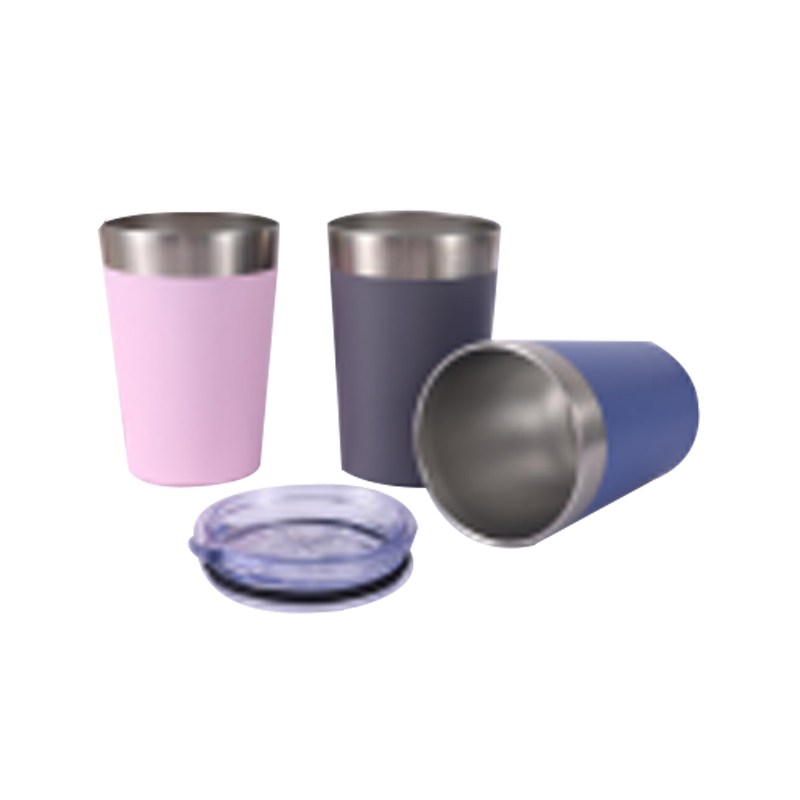
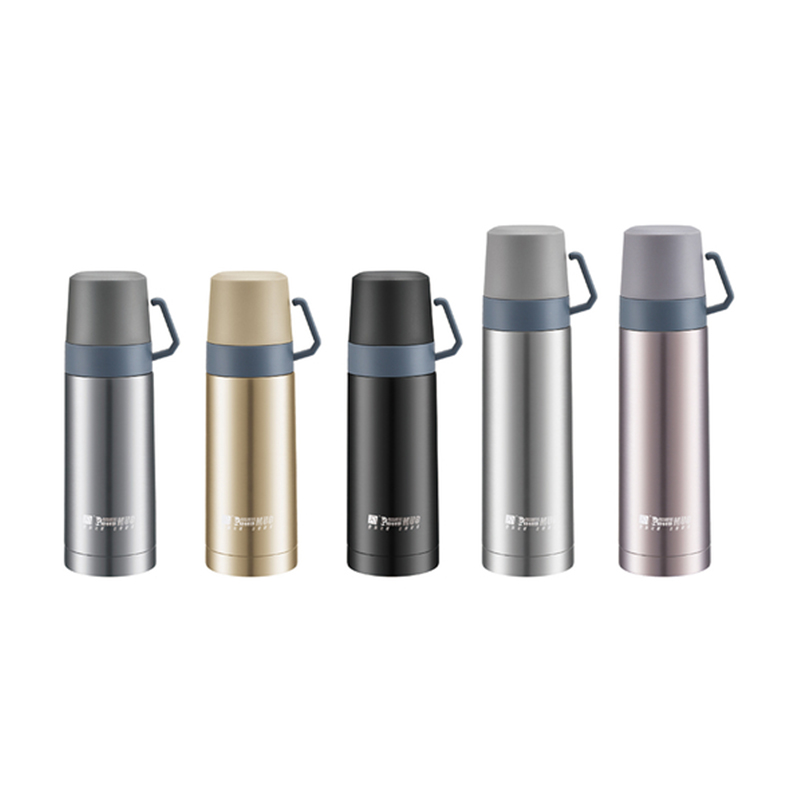
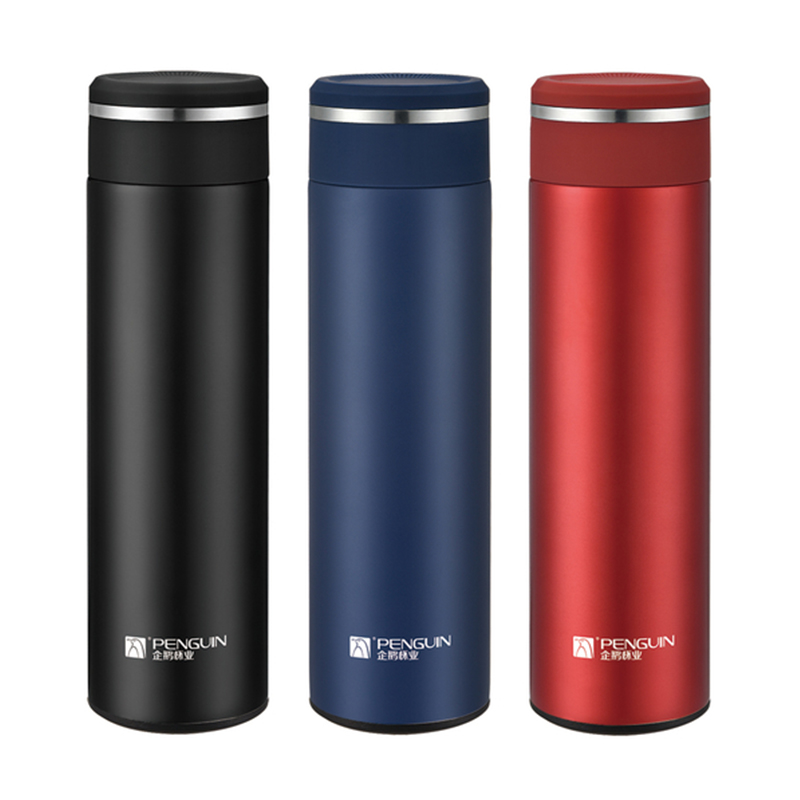
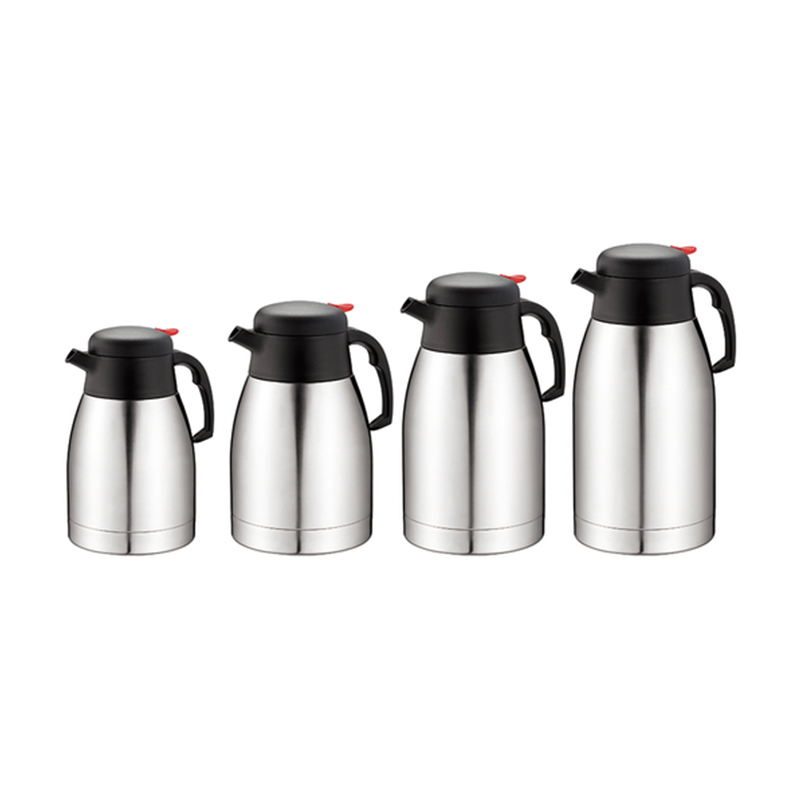
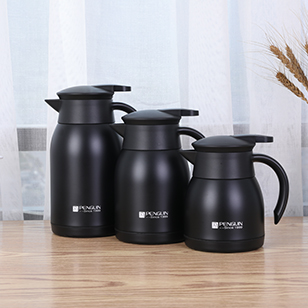
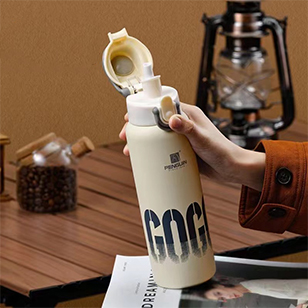
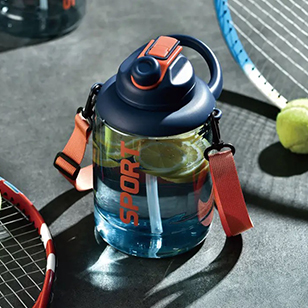
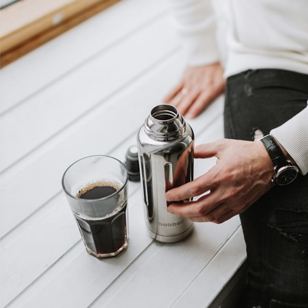
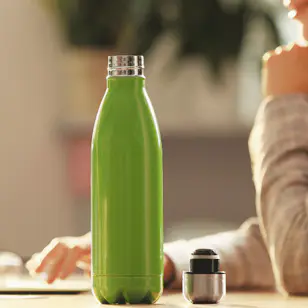
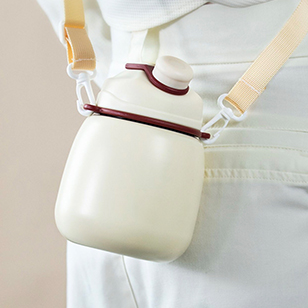
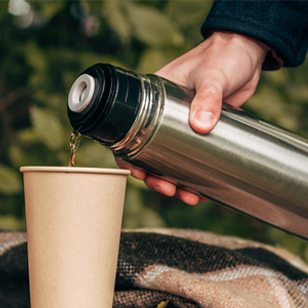
Coffee bottles may be equipped with tight-sealing caps, sometimes with additional features like screw tops or tamper-evident seals, to prevent oxidation and contamination. Some bottles are insulated or double-walled to keep the beverage at a desired temperature for longer periods. Size variations are wide, ranging from small single-serving bottles of 250 ml to larger bottles of 1 liter intended for sharing or storage. The shape of the bottle may include ergonomic curves for easier handling or a wide mouth for pouring, stirring, or adding milk or flavoring.
Function and Benefits of Using Bottles for Beer
The primary function of beer bottles is to ensure safe storage and maintain the quality of the beverage from production to consumption. Bottles protect beer from exposure to air, preventing oxidation, and help preserve carbonation, which is critical for taste and mouthfeel. They also provide physical protection during transport and handling, reducing the risk of spillage or contamination.
In addition, beer bottles serve a marketing and branding function. Labels and bottle shapes can differentiate products and attract consumers’ attention. Bottles allow breweries to standardize portions, facilitate distribution, and offer convenient single-serving or multi-serving options. Reusable or returnable bottles are also used in some markets, supporting sustainability initiatives by reducing waste. Overall, beer bottles balance protection, convenience, and marketing needs while maintaining the sensory qualities of the beverage.
Function and Benefits of Using Bottles for Coffee
Coffee bottles serve to store, protect, and deliver the beverage in a convenient form for consumers. They maintain the coffee’s aroma and flavor by preventing contact with oxygen, moisture, or contaminants. For cold beverages, bottles also provide insulation against temperature changes, helping to preserve the intended drinking experience.
These bottles are commonly used for ready-to-drink coffee products in retail or for specialty coffee at cafés and restaurants. They allow controlled portion sizes and facilitate portability for consumers who may want to take the beverage on the go. Bottles also support branding and presentation, with clear or frosted designs, printed labels, and varied shapes helping products stand out on shelves. Recyclable materials and sustainable design are increasingly important considerations, as coffee producers respond to environmental concerns. By combining protection, convenience, and presentation, coffee bottles contribute to the overall consumer experience and product shelf life.


- Quick Links
- Home
- Customization
- Products
- News
- About
- Manufacturing
- Contact Information
- Tel : +86-579-86600888
- Phone : +86-18967438668
- Email : [email protected]/ [email protected]
- Add : Area A, Jinyidong Industrial Zone, Huashui Town, Dongyang City, Zhejiang Province, China
- Contact Us

