


 English
 日本語
 Deutsch


 HOME / NEWS / Industry News / What Quality Tests Should a Stainless Steel Water Bottle Manufacturer Perform Before Shipment?

Industry News
What Quality Tests Should a Stainless Steel Water Bottle Manufacturer Perform Before Shipment?
2026-11-06
Stainless steel water bottles are everywhere—daily hydration, outdoor trips, gym sessions, promotional giveaways. For importers, retailers, private-label brands, quality directly affects customer satisfaction, product safety, brand reputation. A bottle can look fine on the outside and still have hidden problems in its material, welds, insulation, or lid. Those problems show up after delivery, when it's too late.
So a manufacturer worth their salt runs systematic quality inspections before shipment. Testing should cover raw materials, structural integrity, leak resistance, thermal performance, surface finishing, packaging. The specific procedures depend on bottle construction, intended use, destination market, applicable regulatory requirements. There's no one-size-fits-all checklist.
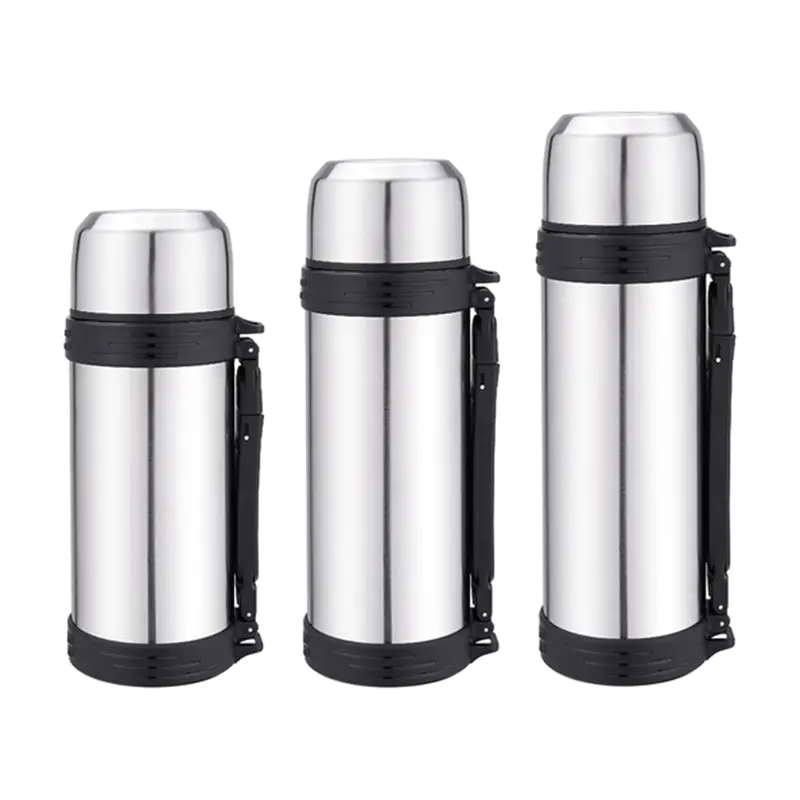
Verify Stainless Steel Materials and Food Contact Safety
Material verification kicks things off. Stainless steel grades differ in composition and corrosion resistance. Common bottle materials include 304 stainless steel, often used for food-contact applications, and 316 stainless steel, which offers greater resistance to certain corrosive environments thanks to its molybdenum content.
Manufacturers should verify material specs through supplier documentation and appropriate identification methods. Higher-risk or customized orders may need additional testing to confirm composition. Food-contact safety also requires attention to internal coatings, plastic components, silicone seals, lid materials. These parts may contact beverages directly. Manufacturers should obtain relevant compliance documents and arrange migration or other applicable tests when required by the destination market.
| Quality area | Inspection or test | Purpose |
|---|---|---|
| Stainless steel grade | Material certificates or composition analysis | Confirms material specifications |
| Food-contact components | Applicable migration testing | Evaluates chemical safety |
| Surface condition | Visual and surface inspection | Identifies contamination and defects |
| Corrosion resistance | Suitable corrosion testing | Assesses resistance to specified conditions |
A material certificate alone doesn't prove the finished bottle complies with every food-contact regulation. Buyers should confirm that the complete product, including seals and coatings, meets the requirements of the intended market. Certificates cover materials, not assemblies.
Conduct Leak Tests on Bottles and Lids
A bottle body can be structurally sound while the lid, thread, gasket, or drinking mechanism lets liquid escape. Manufacturers should perform leak testing on finished products after assembly. Typical inspection involves filling the bottle with water, securing the lid per the specified procedure, checking for leakage in different orientations.
Depending on design, testing may include:
- Upright leak inspection.
- Inverted storage testing.
- Side-position leakage checks.
- Repeated opening and closing of the lid.
- Inspection of seals and threaded connections.
Test duration, filling level, temperature, acceptance criteria should be documented. For bottles with push-button lids, straws, flip-top mechanisms, each functional component needs checking separately. Miss one and it becomes the customer's problem.
Test Thermal Insulation Performance for Vacuum Bottles
Double-wall vacuum-insulated bottles reduce heat transfer between beverage and environment. Performance depends on vacuum integrity, wall construction, sealing quality, manufacturing consistency. A common thermal test involves filling the bottle with water at a specified starting temperature and measuring temperature change over a defined period. Hot-water retention and cold-water retention may be tested separately.
- Control the variables:
- Initial water temperature.
- Ambient temperature.
- Filling volume.
- Lid installation method.
- Measurement intervals.
- Total testing duration.
Compare results against the manufacturer's declared performance specs. A single temperature reading won't establish reliable insulation performance. Consistent test conditions make batch-to-batch comparisons meaningful.
Inspect Welding Quality and Structural Durability
Welding is critical for stainless steel bottle bodies—especially around the base, neck, joined sections. Poor welding creates weak points, visible defects, potential leakage paths. Quality inspectors should examine weld appearance, alignment, surface smoothness, signs of incomplete joining. Depending on product design and manufacturing process, suitable leak tests or non-destructive inspection methods may also be required.
Structural testing evaluates whether the bottle withstands normal handling and transportation. Drop testing from specified heights and orientations assesses dents, deformation, lid damage, loss of sealing performance. Test methods should reflect the intended product and packaging configuration. A severe drop test designed for one bottle category shouldn't automatically apply to every model without considering construction and intended use.
Check Surface Finish, Coating, and Printing Quality
Appearance matters for retail products and branded promotional bottles. Scratches, uneven coatings, color differences, poorly positioned logos reduce perceived quality.
| Inspection item | What to examine |
|---|---|
| Exterior surface | Scratches, dents, stains, and polishing marks |
| Powder coating | Color consistency, adhesion, and visible defects |
| Printing and logos | Position, clarity, and resistance to handling |
| Bottle opening | Smooth edges and consistent finishing |
| Interior surface | Cleanliness and visible contamination |
For coated or printed products, adhesion and abrasion tests help evaluate whether the finish stays intact during normal use. Test methods and acceptance limits should be agreed before production. Otherwise you're arguing about standards after the fact.
Evaluate Lid Function and Repeated Use
The lid is a frequently operated component. Loose threads, weak hinges, faulty buttons, damaged silicone seals affect usability and cause leaks. Manufacturers should inspect opening and closing functions and conduct repeated operation tests where appropriate. For flip-top lids, check hinge movement and locking performance. For screw caps, evaluate thread engagement and sealing consistency. Products with straws or drinking valves need additional functional checks to confirm liquid flows as intended and removable components fit securely. Small detachable parts should also be evaluated against applicable product safety requirements.
Perform Final Sampling and Packaging Inspections
Before shipment, manufacturers should complete a final inspection using an agreed sampling plan. AQL-based sampling is common, though inspection level and acceptance criteria should be established between buyer and supplier. Inspectors verify product quantity, model specs, colors, accessories, labels, carton markings. Packaging should be checked for adequate protection against scratches, impact, movement during transport.
A final inspection report should record test results, defect classifications, sample quantities, corrective actions. That documentation helps buyers make informed shipment decisions and provides traceability if quality issues surface later.
Establish a Consistent Pre-Shipment Quality Standard
A reliable Stainless Steel Water Bottle Manufacturer should combine material verification, food-contact safety assessment, leak testing, thermal performance checks, structural inspection, packaging control. No single test confirms overall product quality—it's the combination that matters.
Importers and brand owners should define acceptance criteria before production, request relevant test records, arrange independent inspection when order size or market requirements justify it. A documented quality-control process reduces shipment risks and ensures delivered bottles meet agreed specifications. That's how you avoid surprises at the warehouse.

- Quick Links
- Home
- Customization
- Products
- News
- About
- Manufacturing
- Contact Information
- Tel : +86-579-86600888
- Phone : +86-18967438668
- Email : [email protected]/ [email protected]
- Add : Area A, Jinyidong Industrial Zone, Huashui Town, Dongyang City, Zhejiang Province, China
- Contact Us

