


 English
  日本語
日本語  Deutsch



Industry News
Components and Production of Health-Conscious Water Bottles
2026-01-16
What are the components of Healthy and Safe Water Bottles?
These bottles are typically defined by their primary container material and supplementary features. Their key components include:
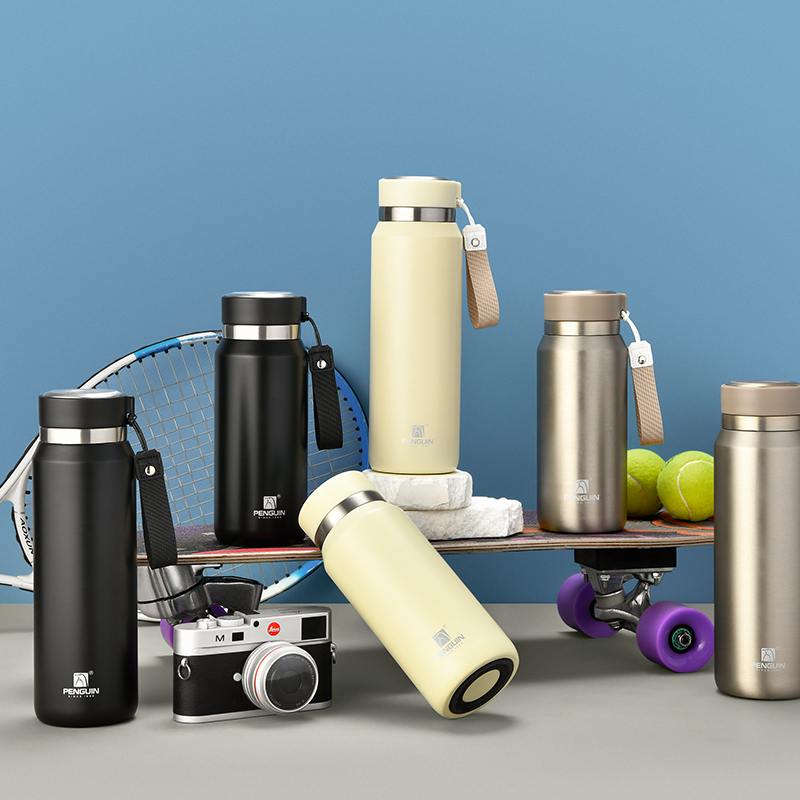
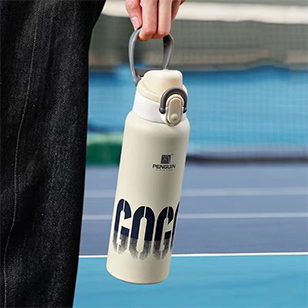
Primary Bottle Body: This is the main reservoir, made from materials chosen for their stability and low chemical migration. Common options are borosilicate glass, certified food-grade stainless steel (type 304 or 316), tritan copolyester plastic, or high-density polyethylene (HDPE) without bisphenol A (BPA) or other additives of concern.
Lid or Cap: Usually made from plastic (like polypropylene) that is also certified as food-grade and BPA-free. It contains the sealing mechanism.
Sealing Gasket: A ring, typically made from silicone or thermoplastic elastomer (TPE), that creates a watertight seal between the bottle mouth and the cap. In health-focused bottles, this silicone is often platinum-cured rather than peroxide-cured to avoid potential byproducts.
Straw or Spout (if present): For bottles with integrated drinking features, these components are made from compatible materials like silicone or specific plastics, designed to be free from harmful plasticizers.
Powder Coating or Sleeve: For metal or glass bottles, an exterior powder coat (for metal) or a protective silicone sleeve (for glass) provides grip, insulation, and impact protection. These coatings must be non-toxic and durable.
Carrying Loop or Handle: Often integrated into the lid or attached to the bottle neck for portability.
The development of this product segment is a market and regulatory response to specific concerns about materials in contact with food and beverages.
Addressing Chemical Leaching Concerns
A primary driver is consumer and scientific attention to chemicals that can migrate from packaging into drinks. Certain plastics, when exposed to heat, acidic contents, or UV light, can release compounds like bisphenol A (BPA) or phthalates. While regulatory bodies set limits, health-conscious bottles exist to offer alternatives that avoid these substances altogether, using materials like stainless steel, glass, or BPA-free plastics like Tritan, which are engineered for stability.
Promoting Hygiene and Reducing Bacterial Growth
Standard bottles, especially with complex lids and straws, can harbor bacteria in hard-to-clean areas. Healthy and safe bottles are designed with hygiene in mind. This includes features like wide mouths for easy cleaning, fewer crevices, and components that are dishwasher-safe. The use of materials like copper (with inherent antimicrobial properties) or coatings that inhibit microbial growth in some premium models also falls under this rationale.
Environmental and Sustainability Motivations
While not solely a health issue, the shift toward durable, reusable bottles reduces reliance on single-use plastics, which can degrade into microplastics—an emerging environmental and health concern. A durable bottle made from stable materials is intended for long-term use, reduce waste and repeated chemical exposure from disposable containers.
The Manufacturing Issues of Healthy and Safe Water Bottles
Producing bottles that reliably meet health and safety claims presents distinct challenges in material sourcing, processing, and quality control.
- Material Purity and Certification Sourcing: The issue is guaranteeing the purity of raw materials. For plastics, this means sourcing resins that are free from unauthorized additives and have verifiable supply chain documentation. For stainless steel, ensuring it is true food-grade 304 or 316 alloy without surface contaminants from machining is important. For silicone gaskets, ensuring they are made with food-grade, platinum-cured silicone without filler materials is necessary. Sourcing these certified materials increases cost and requires rigorous supplier vetting.
- Managing Production Contamination: The manufacturing environment and process must prevent contamination. This includes using dedicated machinery for specific materials to avoid cross-contamination with non-compliant plastics, employing high-purity cleaning agents during production, and ensuring no lubricants or mold-release agents used in the process are toxic or can migrate into the product. For metal bottles, the welding or seam-sealing process must not introduce new compounds or leave residues.
- Ensuring Consistency in Safety Claims: Validating that the final product meets its advertised standards requires consistent testing. This includes extraction tests to check for chemical migration under simulated use conditions (e.g., with hot or acidic liquids) and tests for heavy metal content. Inconsistent results across production batches can occur due to variations in raw material batches or slight shifts in manufacturing parameters like molding temperature, which can affect polymer stability.


- Quick Links
- Home
- Customization
- Products
- News
- About
- Manufacturing
- Contact Information
- Tel : +86-579-86600888
- Phone : +86-18967438668
- Email : [email protected]/ [email protected]
- Add : Area A, Jinyidong Industrial Zone, Huashui Town, Dongyang City, Zhejiang Province, China
- Contact Us

