


 English
  日本語
日本語  Deutsch



Industry News
The Use Of Water Bottles for Sport
2026-01-23
Functional Design and Capacity
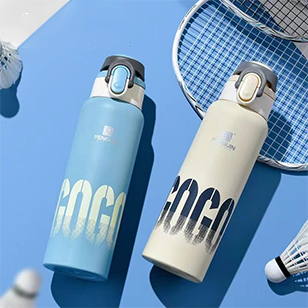
From a functional perspective, water bottles for sports are designed to support hydration during physical activity. Their capacity is usually selected to balance sufficient water volume with manageable weight. Common sizes range from 500 milliliters to 1 liter, allowing athletes to carry enough fluid for training sessions without excessive bulk. The shape of sports water bottles often features a narrow waist or contoured surface, which improves grip when hands are wet or when the user is moving. Many designs also include measurement markings to help users estimate fluid intake during exercise.
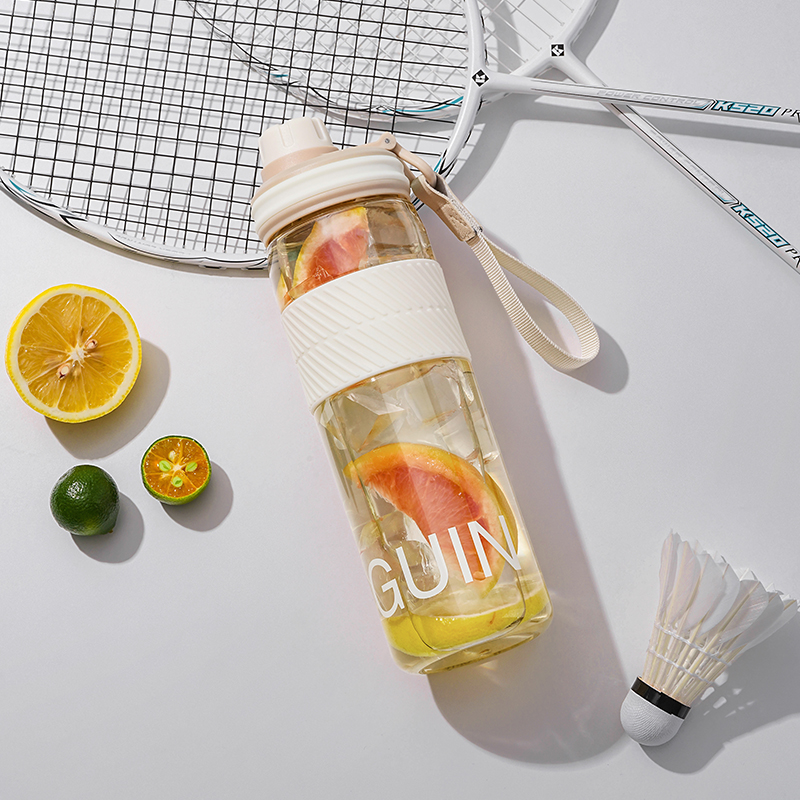
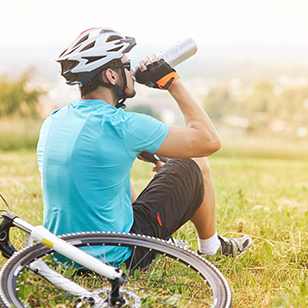
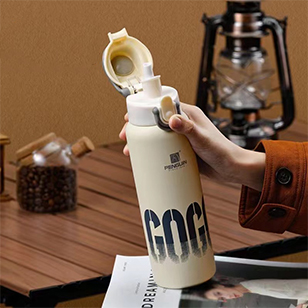
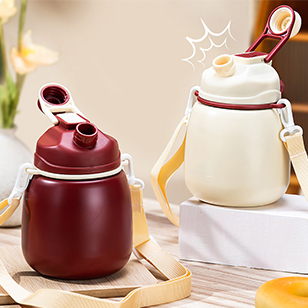
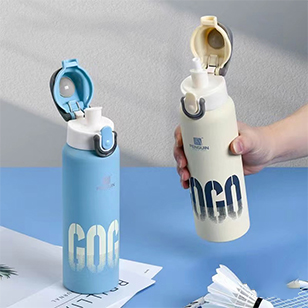
The opening and closure system is another important functional element. Sports bottles frequently use flip caps, push-pull nozzles, or squeeze valves that allow quick access to water without requiring both hands. This design supports hydration during activities such as running or cycling, where stopping to open a traditional cap may be inconvenient. Leak-resistant seals are also part of functional design, helping to prevent spills in sports bags or during motion.
Materials and Construction
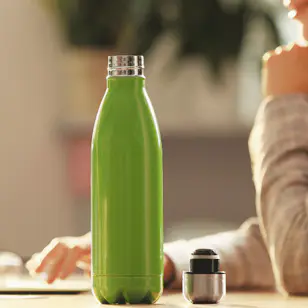
From a materials perspective, water bottles for sports are produced using materials that balance durability, weight, and safety. Common materials include food-grade plastic, stainless steel, and, less frequently, aluminum. Plastic bottles are lightweight and resistant to impact, making them suitable for high-movement activities. Many are made from BPA-free polymers to address health and safety considerations related to repeated water storage.
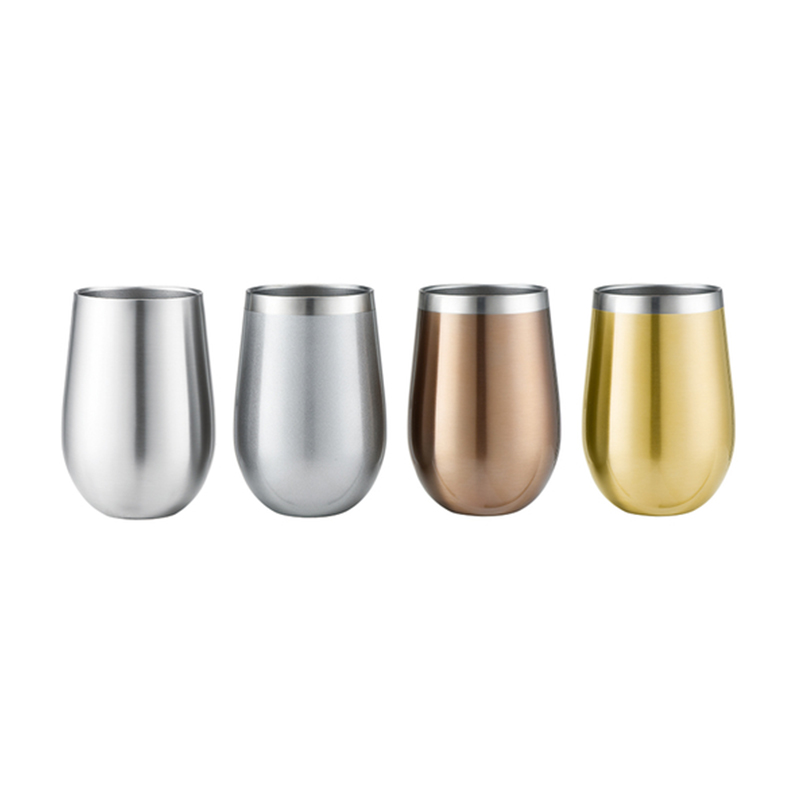
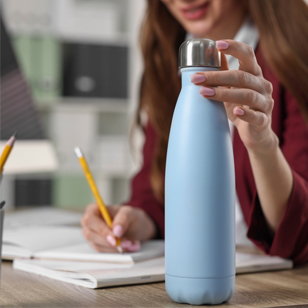
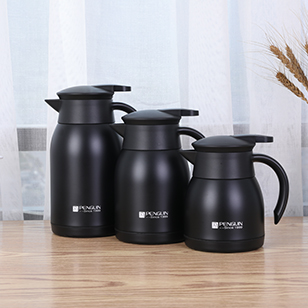
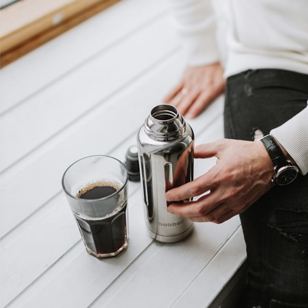
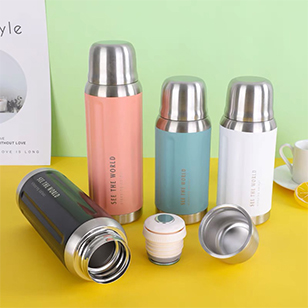
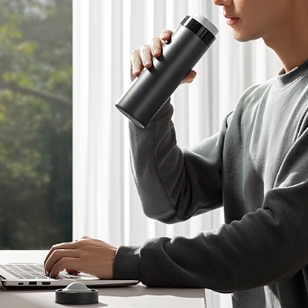
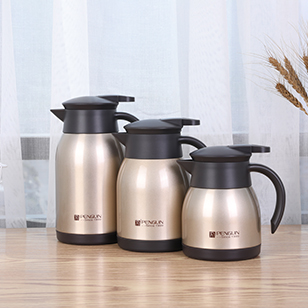
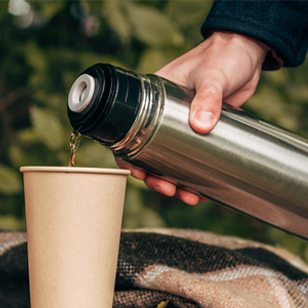
Stainless steel bottles are also used in sports settings, particularly when temperature control is needed. Double-wall stainless steel construction can help slow temperature changes, keeping water cooler for longer periods during outdoor activities. While heavier than plastic, these bottles are valued for their structural stability and resistance to deformation. The choice of material influences not only weight and durability but also cleaning methods and long-term maintenance.
Portability and User Convenience
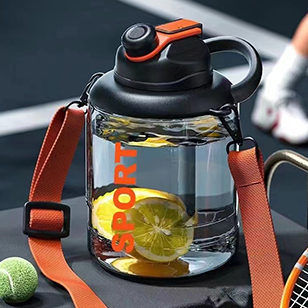
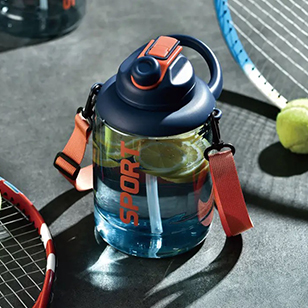
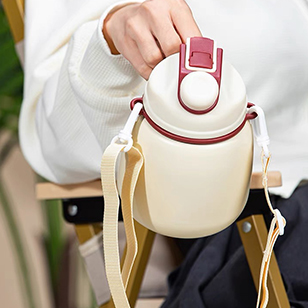
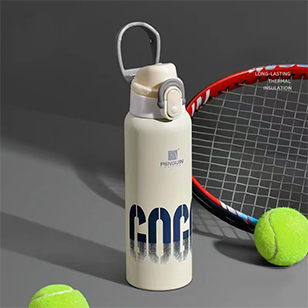
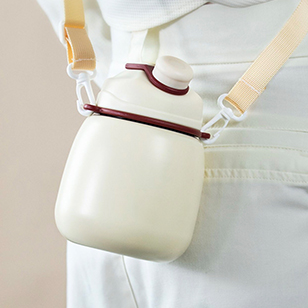
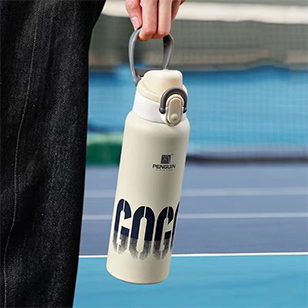
Portability is a key perspective when evaluating sports water bottles. Athletes and active individuals often need to carry their bottles while moving, so features that support ease of transport are important. Many sports bottles include carrying loops, straps, or carabiner attachment points. These features allow the bottle to be secured to backpacks, gym equipment, or bicycles, reducing the need to hold it continuously.
User convenience also includes ease of cleaning and refilling. Wide-mouth designs are common, as they allow for easier washing and the addition of ice or supplements. Bottles designed for sports use are often compatible with standard cup holders or bicycle cages, supporting use across different activities. The overall design aims to reduce distractions and allow users to focus on their performance rather than managing their hydration equipment.
Application Across Sports Activities
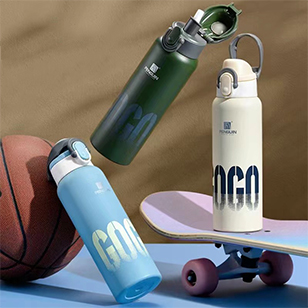
From an application perspective, water bottles for sports are adapted to a wide range of physical activities. In endurance sports such as running and cycling, lightweight bottles with quick-access valves are preferred to support hydration without slowing movement. Team sports, including football and basketball, often use larger-capacity bottles that can be shared or refilled during breaks, supporting group hydration needs.
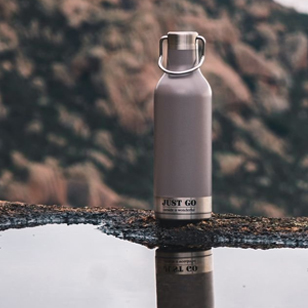
In gym and fitness settings, sports water bottles serve as personal hydration tools during structured workouts. Their durability allows them to be placed on floors or equipment without damage. Outdoor sports, such as hiking or trail running, may require bottles that offer both portability and temperature stability, as environmental conditions can vary. Across these applications, the bottle functions as a simple but essential accessory that supports physical activity by ensuring consistent access to water.

- Quick Links
- Home
- Customization
- Products
- News
- About
- Manufacturing
- Contact Information
- Tel : +86-579-86600888
- Phone : +86-18967438668
- Email : [email protected]/ [email protected]
- Add : Area A, Jinyidong Industrial Zone, Huashui Town, Dongyang City, Zhejiang Province, China
- Contact Us

