


 English
 日本語
 Deutsch




Industry News
How Can a Leak Proof Insulated Bottle Pass Real-World Leak Tests?
2026-10-23
A leak-proof insulated bottle—sounds straightforward, right? Keep drinks hot or cold, don't spill. But real life doesn't cooperate. Backpack, sideways in a car, bouncing around on a hike. Even a decent stainless bottle can leak when the lid, gasket, or threads give up. For manufacturers, leak resistance comes from design, materials, testing, production quality control. Understand how real-world leak tests work and you can judge performance better. Consumers get more confidence too.
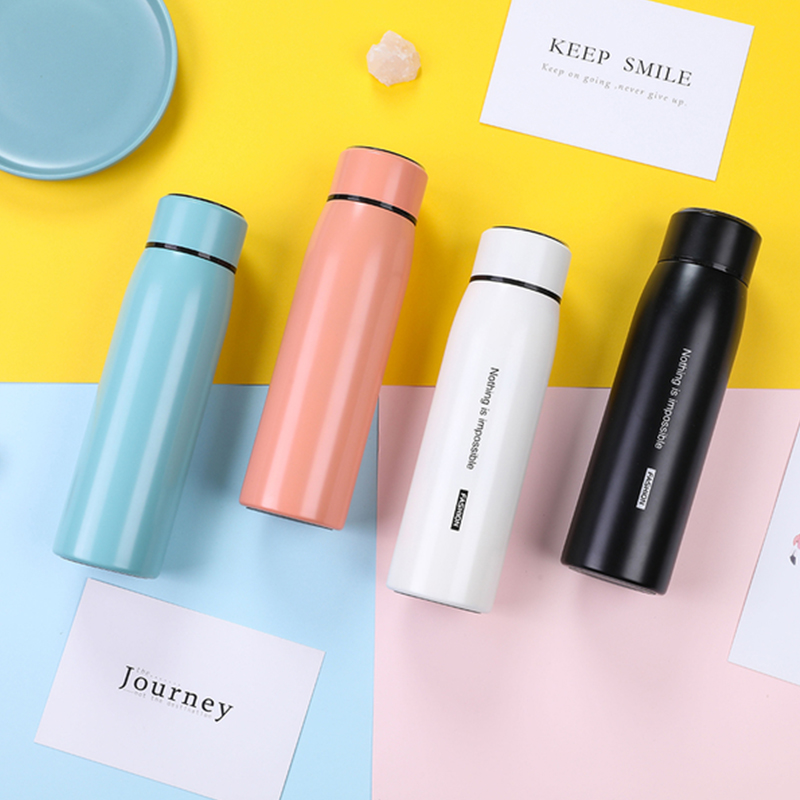
What Causes a Leak Proof Insulated Bottle to Leak?
Nine times out of ten, it's the closure system. Lid, spout, threads, silicone gasket. A damaged or badly fitted gasket leaves gaps. Misaligned threads stop the lid from closing evenly. Temperature swings change how sealing parts contact each other. Open, close, drop it—the seal weakens over time. So a reliable Leak Proof Insulated Bottle needs a well-designed closure and consistent manufacturing tolerances. Body, lid, gasket, drinking mechanism—they all have to work together.
Which Real-World Leak Tests Should Manufacturers Perform?
Different tests catch different problems. Set documented procedures, defined conditions, measurable pass/fail criteria.
| Leak Test | Testing Method | Performance Evaluated |
|---|---|---|
| Inversion test | Place the sealed, filled bottle upside down for a specified period | Basic sealing performance |
| Sideways test | Position the bottle horizontally on a dry surface | Leakage around the lid and spout |
| Movement test | Shake or move the bottle according to a controlled protocol | Seal stability during daily transportation |
| Temperature-cycle test | Expose the bottle and closure to specified temperature changes | Sealing performance under thermal variation |
| Repeated-use test | Open and close the lid for a predetermined number of cycles | Gasket wear and thread durability |
| Impact test | Apply controlled impacts and repeat the leak inspection | Resistance to damage that could compromise the seal |
Match tests to intended use. Commuter bottle? Practical transport tests. Outdoor model? Tougher durability checks. No single test proves leak-proof performance under every condition.
How to Conduct a Reliable Insulated Bottle Leak Test
Inspect the Bottle and Sealing Components
Look at body, lid, gasket, threads, spout. Cracks, surface defects, contamination, wrong assembly. Gasket sits right in its groove? Lid closes smoothly? Record observations—helps identify whether failure comes from design, materials, or assembly.
Fill the Bottle and Close the Lid Correctly
Fill to a set level. Dry the exterior before sealing. Otherwise residual water looks like a leak. Close per manufacturer instructions. Use a calibrated torque tool where appropriate. Over-tightening damages some seals. Mimic normal use.
Test Multiple Bottle Orientations
Upright, sideways, upside down—specified intervals. Inspect lid, spout, threads after each. Clean, dry absorbent material reveals small leaks. Record location, duration, severity against acceptance criteria. Pass only when results meet documented requirements.
Simulate Movement and Repeated Use
A bottle might pass a stationary inversion test and still leak after shaking or impact. Controlled movement tests reveal weaknesses from commuting, exercise, outdoor use. Repeat leak checks after a set number of open-close cycles. Changes in gasket position, thread engagement, lid alignment—closure system might need work.
Evaluate Performance After Temperature Changes
Temperature variation affects how bottle and seals interact. Test samples under specified conditions. Let components stabilize before checking. Follow intended operating limits and safety procedures. Hot liquids and pressure tests need extra care. Not designed for carbonated drinks? Don't assume pressurized use is safe.
How Materials and Manufacturing Quality Affect Leak Resistance
Food-contact silicone gaskets seal well when dimensions and compression are right. Stainless steel bodies resist corrosion. Accurate threads mean consistent lid engagement. But good materials alone don't guarantee leak-proof performance. Gasket dimensions, surface finish, tolerances, assembly consistency—all of it matters. Combine development tests with routine production inspections. One prototype proves nothing about batch consistency. Sampling plans, batch traceability, defect records, corrective actions—catch issues before products ship. Test reports should document sample ID, conditions, calibration, observed leakage, results. Supports engineering improvements and quality assurance.
How Buyers Can Verify Leak-Proof Product Claims
Look for clear specs, practical use instructions, info on how leak resistance is evaluated. Independent reviews can spot recurring complaints about caps, gaskets, spouts—but reviews aren't controlled testing. Cleaning instructions and replacement gaskets matter too. Food residue, wrong reassembly, worn seals—performance drops over time. Check whether the manufacturer specifies carrying orientations and restrictions on hot liquids or carbonated drinks. Follow those instructions. Preserves sealing, reduces spills.
Build Confidence Through Consistent Leak Testing
A dependable Leak Proof Insulated Bottle should perform repeatably across relevant conditions. Inversion, sideways, movement, temperature-cycle, durability—each reveals different failure points. Manufacturers: realistic procedures, measurable criteria, consistent production controls. Consumers: transparent testing info, clear usage guidance. When a bottle keeps its seal through intended use, it delivers reliable spill protection for work, travel, exercise, outdoor adventures.


- Quick Links
- Home
- Customization
- Products
- News
- About
- Manufacturing
- Contact Information
- Tel : +86-579-86600888
- Phone : +86-18967438668
- Email : [email protected]/ [email protected]
- Add : Area A, Jinyidong Industrial Zone, Huashui Town, Dongyang City, Zhejiang Province, China
- Contact Us

