


 English
  日本語
日本語  Deutsch

 HOME / NEWS / Industry News / Why Do Sports Water Bottles Portable Develop Leaks After Repeated Use?
Industry News
Why Do Sports Water Bottles Portable Develop Leaks After Repeated Use?
2026-10-16
Anyone who's stuffed Sports Water Bottles Portable into a gym bag has probably run into a random leak at some point. Portable sports water bottles are made for workouts, commuting, hiking, and everyday hydration, but after weeks or months of regular use, they often start seeping or dripping when you least expect it. Usually the culprit is a worn seal, damaged lid, loose component, or sticky residue that keeps the closure from seating properly. A few drops might seem minor, but leaks can soak gym bags, ruin items inside, and make a bottle frustrating to carry around.
Repeated use subjects bottles to drops, constant opening and closing, washing, and temperature swings. Understanding how these factors wear on each part helps you figure out if cleaning, replacing a small part, or buying a whole new bottle is the right call.
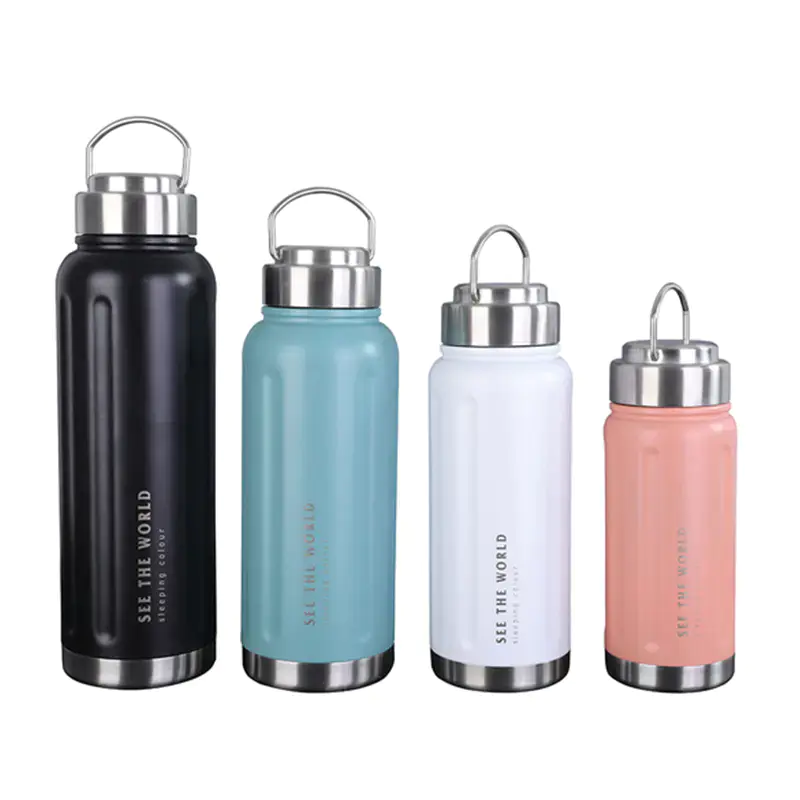
Which Parts Commonly Cause a Sports Water Bottle to Leak?
Leaks don't always come from the same spot, so figure out where exactly the moisture is appearing. Water pooling around the lid usually points to a closure or gasket issue. Drips around a push-button spout often trace back to a valve or locking mechanism. If moisture shows up away from the lid, on the bottle body itself, you're likely dealing with a crack or damaged seam.
| Possible source | Common signs | Likely cause |
|---|---|---|
| Lid or screw thread | Water escapes around the cap | Lid is cross-threaded, loose, or damaged |
| Silicone gasket or O-ring | Slow seepage when the bottle is tilted | Seal is dirty, stretched, displaced, or worn out |
| Spout or bite valve | Drops form around the drinking opening | Valve is worn, blocked, or not seated properly |
| Flip-top latch | Lid pops open inside a bag | Locking mechanism is damaged or not fully engaged |
| Bottle body or seam | Moisture appears away from the lid | Crack, impact damage, or material fatigue |
This quick check narrows down the problem before you take anything apart. Stick to the manufacturer's instructions when disassembling, since some valves and seals aren't meant to be removed by users.
How Repeated Use Wears Down Lids and Seals
The seal under the lid is usually made of silicone or another soft, flexible material. It compresses when you twist the cap closed, creating a watertight barrier. Over time, though, all that opening and closing takes a toll: the gasket can flatten out, twist, stretch, or even slip out of place entirely. Harsh or unapproved cleaning products can also break down the material over time.
Threads wear down too. If you regularly crank the cap on at an angle, you can cross-thread the lid so it never sits evenly. Tightening too hard can warp some plastic parts or nick the sealing surface. And here's a common mistake: a cap that feels tight isn't always sealed properly. The gasket has to be seated flat, and the lid has to line up straight with the bottle neck.
Inspect the gasket for tears, flattening, swelling, or hard spots. Clean it as directed and set it back evenly. If it's cracked or permanently misshapen, replace it with a compatible part. Don't use glue or random sealants on a drinking surface — that's not safe or effective.
How Cleaning Habits Can Lead to Leaks
Cleaning keeps gunk from building up, but doing it wrong can actually cause leaks instead of fixing them. Juice, drink mixes, and sports drinks leave sticky residue around spouts and valves, and that gunk can keep a valve from closing all the way or a lid from sealing evenly. If you're drinking anything besides plain water, rinse the bottle out soon after you're done.
Only take apart parts that are approved for removal, wash them with mild detergent, rinse thoroughly, and let them dry fully before putting everything back together. Pay extra attention to narrow channels and valve openings where residue likes to hide.
High heat is another culprit. Tossing a bottle in the dishwasher, boiling it, or scrubbing it with scalding water can warp components if they aren't rated for that kind of heat. Don't just assume every sports bottle is dishwasher-safe — check the care label. Skip abrasive scrubbers and harsh chemicals too, since they can scratch plastic surfaces or break down seal material over time.
Why Drops, Pressure, and Temperature Changes Matter
Drops, being crammed in a packed bag, or repeated bumps can loosen a lid, knock a gasket out of place, crack a locking tab, or damage the bottle neck. Sometimes the damage is so small you can barely see it, but it's enough to let water seep through.
Temperature swings mess with both the liquid inside and the materials around the closure. Hot drinks expand and build pressure as they cool, and squeezing a flexible bottle can force liquid right up against the cap or valve. A lot of lids are designed for plain still water, and they won't hold up well with carbonated drinks or hot beverages. Stick to the liquids and temperature ranges the manufacturer approves.
Before you throw a bottle in your bag, double-check that the lid is lined up straight and fully closed, and flip any safety lock into place. Don't overfill it past the marked fill line either, especially if you'll be carrying it on its side.
A Simple Way to Find and Fix the Leak
Tracking down a leak doesn't have to be complicated. Start with a visual check: look for cracks, a chipped rim, worn threads, loose valves, or a gasket that's twisted or uneven. Take out any removable parts that are approved for disassembly, clean them, let them dry fully, then put everything back together making sure the seal sits flat and the lid lines up straight.
To test it, fill the bottle with cool water, close it properly, and hold it over a sink. Tip it gently in different directions, checking the lid, spout, and body one at a time for drips. Don't use boiling water or squeeze the bottle super hard to test it — that's not how it gets used day to day, and you could damage it further.
If it still leaks, try replacing the gasket, lid, or valve with a part made for your exact bottle model. Lookalike parts might seem similar, but they often differ slightly in size and won't seal right. If the bottle body itself is cracked, the threads are damaged, or the lock won't stay engaged, it's time to stop using it. Check if the manufacturer offers replacements or covers it under warranty.
How to Prevent Portable Sports Water Bottles from Leaking Again
A few simple, consistent habits can cut down on repeat leaks a lot:
- Clean after use: Rinse out the bottle and wipe down the lid, gasket, and valve regularly, especially after using sports drinks or sugary mixes.
- Check seals now and then: Look for built-up residue, twisting, cracks, or permanent flattening of the gasket.
- Close the lid the right way: Line up threaded caps before you twist them tight, and don't force a lid that feels like it's catching.
- Go easy on impacts: Don't chuck the bottle into a bag where heavy gear can bash the lid or spout.
- Follow temperature rules: Stick to approved liquids and cleaning methods, and confirm if it's dishwasher-safe before you toss it in.
- Store it dry: If you won't be using it for a while, clean all the parts, let them dry completely, then put it away.
When Should You Replace the Bottle?
A new gasket or lid is often all you need, as long as the bottle body itself is intact and replacement parts are available for your model. Replacement makes more sense when the body has a crack, a seam is splitting, the rim is warped, or the safety latch won't stay closed. Keep using a damaged bottle, and you'll probably just deal with worse leaks over time — plus it gets harder to keep clean inside.
Before you buy a whole new bottle, check if spare parts are available, and pay attention to cleaning instructions and intended use. Bottles with replaceable seals and easy-to-clean lids are easier to take care of long term. With regular cleaning and timely replacement of worn parts, a portable sports water bottle can stay reliable for daily hydration for quite a while.

- Quick Links
- Home
- Customization
- Products
- News
- About
- Manufacturing
- Contact Information
- Tel : +86-579-86600888
- Phone : +86-18967438668
- Email : [email protected]/ [email protected]
- Add : Area A, Jinyidong Industrial Zone, Huashui Town, Dongyang City, Zhejiang Province, China
- Contact Us

