


 English
 日本語
 Deutsch


 HOME / NEWS / Industry News / How Custom Branding Can Help Stainless Steel Insulated Food Containers Stand Out in B2B Markets

Industry News
How Custom Branding Can Help Stainless Steel Insulated Food Containers Stand Out in B2B Markets
2026-11-27
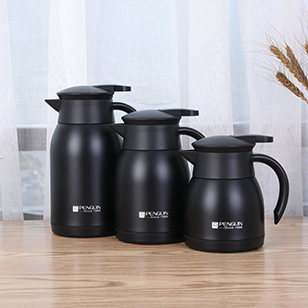
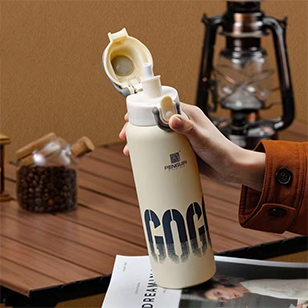
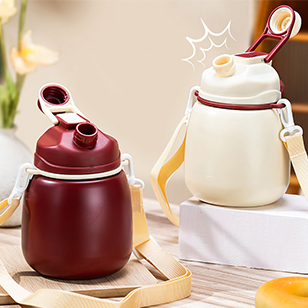
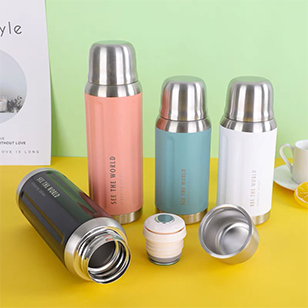
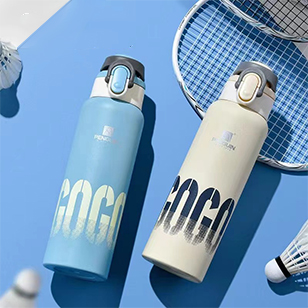
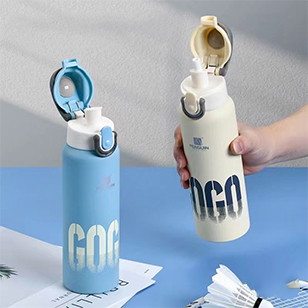
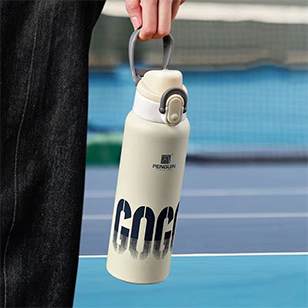
Two stainless steel food containers can have identical dimensions and insulation performance, yet appeal to completely different customers because of their appearance. A discreet engraved logo may suit a corporate gift, while a brightly colored container with printed graphics may be more appropriate for a retail brand.
For distributors, promotional product companies and private-label retailers, customization is a way to give a standard product its own identity. Stainless Steel Insulated Food Containers offer several options for branding, from laser engraving to powder coating and full-color printing. The challenge is choosing a finish that looks right, survives regular use and makes sense for the order quantity.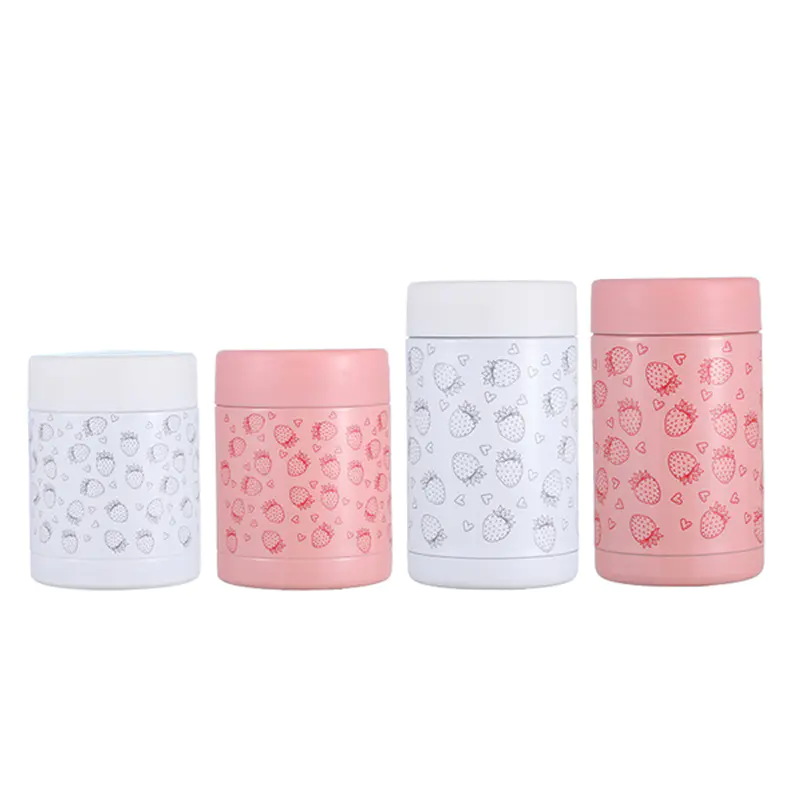
Where Should the Brand Logo Appear?
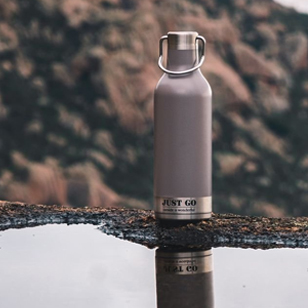
Logo placement affects both visibility and the overall appearance of the container. A large logo on the front is easy to recognize, but some brands may prefer a smaller mark near the bottom or on the lid.
The intended use can help determine the position. A container used frequently in a restaurant or catering environment may benefit from a visible logo on the body. Corporate gift products often look better with more restrained decoration.
Manufacturers also need to account for the container's shape. A curved body, narrow section or textured surface can limit the available printing area. The lid may offer another location, provided its material and construction are compatible with the selected decoration method.
Before production, confirm the logo dimensions, position and orientation. A physical sample is useful because artwork that looks balanced on a flat digital layout may appear quite different on a cylindrical container.
Choose a Decoration Process That Suits the Artwork
Different branding methods produce noticeably different finishes. The choice depends on the complexity of the design, surface material, production quantity and expected handling conditions.
- Laser engraving creates a mark directly on the metal surface. It is suitable for company logos, names and relatively simple graphics. Since the design is engraved rather than applied as conventional ink, it does not have the same peeling concerns as printed decoration. The final appearance depends on the stainless steel finish and laser settings.
- Screen printing works well for logos with defined colors and uncomplicated shapes. Each color may require a separate screen, so additional colors can increase setup work.
- UV printing allows detailed, multicolor artwork to be applied directly to suitable surfaces. Ink adhesion and resistance to scratching depend on surface preparation, ink formulation and curing conditions.
- Powder coating changes the appearance of the container by adding a colored exterior finish. Branding can then be applied through engraving or another compatible printing process.
- Embossing and debossing are also possible on suitable product constructions, although the container's thickness and manufacturing design determine whether these options are practical.
Match the Branding Style to the Customer
A corporate gift supplier and a supermarket private-label brand rarely approach product decoration in the same way. One may want a subtle logo that looks appropriate in a professional setting; the other may need strong colors that distinguish its products on retail shelves.
| B2B customer segment | Suitable branding approach | Key design priority |
|---|---|---|
| Corporate gift suppliers | Laser-engraved logos | Professional appearance |
| Promotional product distributors | Screen or UV printing | Brand visibility |
| Retail private-label brands | Custom colors and packaging | Shelf differentiation |
| Food-service companies | Subtle logos and consistent finishes | Practical daily use |
| Hospitality businesses | Coordinated branding across product sizes | Visual consistency |
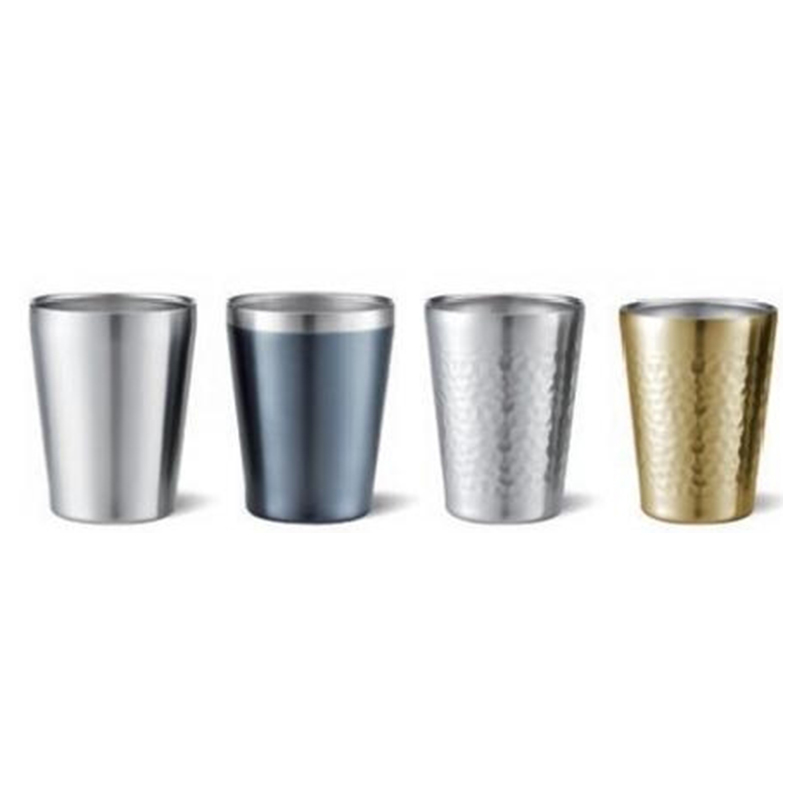
Color matching deserves particular attention when a container is part of an existing product range. A digital color reference provides a starting point, but the finished result may vary depending on the coating, printing method and stainless steel surface. Ask for a production sample when precise brand-color matching is important.
Packaging Is Part of the Customization
For private-label products, the packaging may be the thing a customer sees. A custom printed carton, product sleeve or branded insert can make a standard food container feel like a complete retail or gift product.
Different sales channels also have different requirements. Retail products may need printed packaging with product information, while corporate gifts may call for a more premium presentation.
Protection cannot be overlooked. Polished stainless steel and colored coatings can develop scratches when containers rub against each other during shipping. Individual protective bags, internal dividers and suitable cushioning help prevent this damage.
Check the packaging sample alongside the finished container. Attractive artwork is of limited value if the carton cannot protect the product during transportation.
Keep Decoration Consistent Across Production Batches
Branding defects can be particularly noticeable when several containers are displayed together. A logo printed slightly higher on one unit or a different shade of color across the same batch can make the collection look inconsistent.
Inspection should begin with the customized sample. Check logo dimensions, positioning, color and surface appearance before authorizing bulk production.
After production starts, inspect for blurred graphics, scratches, coating defects and uneven printing. Where the decoration method allows, appropriate adhesion, abrasion and cleaning tests can help identify problems before shipment.
Food-contact suitability also needs attention. Decorative materials and coatings must comply with applicable requirements, particularly when they are applied near food-contact surfaces. Buyers should request relevant documentation rather than assuming that every printing ink or exterior coating is suitable for food-related products.
Understand the Cost of Custom Branding
The price of customization varies according to the process and the complexity of the design. Laser engraving may be relatively straightforward for a simple logo, whereas multicolor printing can involve additional artwork preparation and production setup.
When requesting a quotation, ask suppliers to separate:
- Container unit price.
- Printing or engraving charges.
- Artwork preparation and setup fees.
- Sample development costs.
- Customized packaging expenses.
- MOQ and repeat-order requirements.
It is also worth asking whether the same artwork and finish can be used across different container sizes. Standardizing decoration specifications may reduce setup work on future orders and make it easier to maintain a consistent product range.
Getting the Details Right Before Mass Production
A logo, coating or printed design should be evaluated on the actual container, not just in an artwork preview. Check how it looks under normal lighting, whether the surface feels appropriate and whether the decoration withstands the cleaning and handling conditions expected in daily use.
For Stainless Steel Insulated Food Containers, suitable customization is not necessarily elaborate. A carefully engraved logo, a well-matched exterior color and protective packaging may be enough to give a product a recognizable identity. The manufacturer needs to understand how the container will be sold and used before recommending the decoration process and preparing a bulk quotation.

- Quick Links
- Home
- Customization
- Products
- News
- About
- Manufacturing
- Contact Information
- Tel : +86-579-86600888
- Phone : +86-18967438668
- Email : [email protected]/ [email protected]
- Add : Area A, Jinyidong Industrial Zone, Huashui Town, Dongyang City, Zhejiang Province, China
- Contact Us

