


 English
 日本語
 Deutsch


 HOME / NEWS / Industry News / How Stainless Steel Beer Cups Can Support Reusable Drinkware Programs at Breweries

Industry News
How Stainless Steel Beer Cups Can Support Reusable Drinkware Programs at Breweries
2026-11-20
Disposable cups are convenient when a brewery serves hundreds of customers in a short period. The problem comes after the drinks are finished: cups pile up around collection points, staff spend time clearing them, and new supplies have to be ordered for the next event.
Stainless steel beer cups offer another option for taprooms, beer gardens, festivals and hospitality venues. They can be washed and used repeatedly, and breweries can also sell them as branded merchandise. But switching to reusable drinkware involves more than buying a batch of metal cups. Storage, washing capacity, customer returns and replacement costs all affect whether the program works in practice.
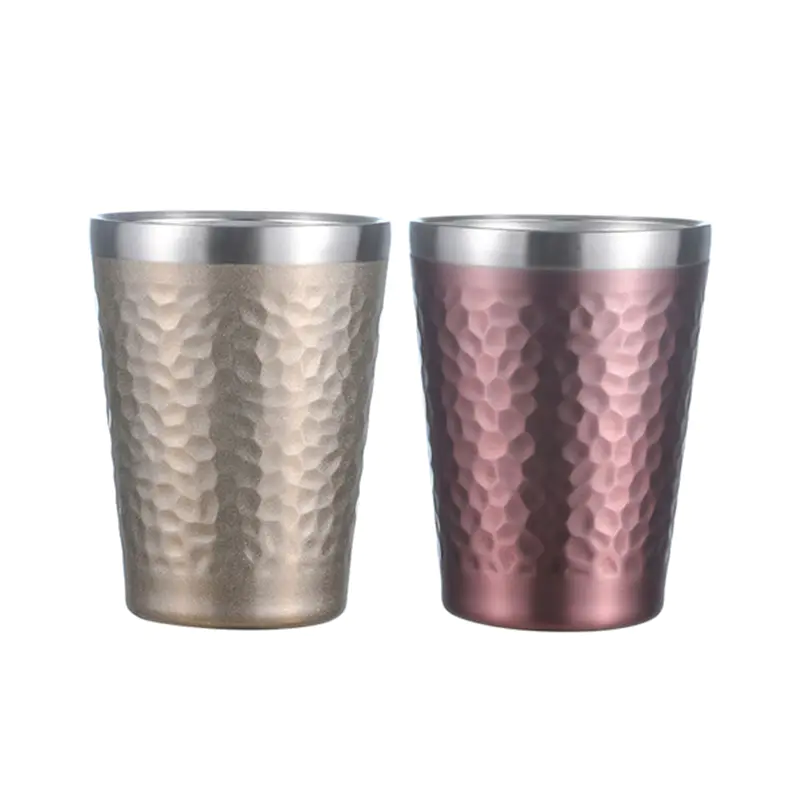
Where Reusable Stainless Steel Cups Make Sense
Not every brewery needs to replace all its disposable cups. The suitable starting point is often an area where customers remain on-site and returning drinkware is relatively easy.
Common applications include:
- Taprooms: Customers use reusable cups for regular on-site service.
- Beer festivals: A deposit system encourages visitors to return cups after drinking.
- Outdoor beer gardens: Stainless steel cups can be collected, washed and circulated throughout the day.
- Brewery merchandise: Customers purchase branded cups to take home.
- Tasting rooms: Smaller reusable cups can be used for sampling different beers.
The actual reduction in disposable waste depends on how often the cups are reused. If customers take them away and do not return them, the brewery still needs replacement stock. A return arrangement and sufficient washing capacity should therefore be planned before introducing the program.
Choose Stainless Steel Suitable for Repeated Beverage Use
Stainless steel grade is one of the first details buyers should clarify with a manufacturer. Grade 304 is commonly used in food-contact drinkware because of its corrosion resistance and suitability for repeated cleaning when properly manufactured.
Other grades may be used depending on the product design and intended environment. Whatever material is selected, the supplier should provide clear specifications and relevant food-contact documentation for the destination market.
The finish deserves just as much attention as the material itself. Rough internal surfaces, poorly finished rims and uneven welds can make cups uncomfortable to drink from and harder to clean.
During sample inspection, check the following:
- Stainless steel grade and material traceability.
- Smoothness of the inner wall.
- Rim finish and drinking comfort.
- Weld quality and visible joints.
- Resistance to corrosion under the intended washing conditions.
A shiny exterior does not necessarily indicate good manufacturing quality. The drinking surface and areas around the base deserve close inspection.
Pick a Cup Design That Works Behind the Bar
A brewery serving drinks throughout a busy evening needs cups that staff can handle quickly. Weight, capacity, stacking and washing space all become important when hundreds of units move through the same service area.
Different designs suit different operating conditions.
| Cup design | Operational advantages | Potential limitations |
|---|---|---|
| Single-wall stainless steel | Lightweight, simple construction and easy cleaning | Exterior temperature changes are noticeable |
| Double-wall stainless steel | Better insulation and reduced exterior condensation | Higher purchase cost and potentially greater weight |
| Stackable cup | Uses less storage and transport space | Shape must prevent cups from becoming stuck |
| Branded stainless steel cup | Suitable for merchandise and repeated brand exposure | Decoration requires durability testing |
Single-wall cups are often practical for high-volume service because they are relatively straightforward to store and clean. Double-wall versions may appeal to customers who prefer better insulation, but their additional construction can affect price and storage capacity.
Capacity should also match the brewery's serving sizes. A 500 ml beer cup is not interchangeable with a smaller tasting cup, particularly when staff need to measure consistent portions quickly.
Washing Is a Major Part of the Operating Cost
Stainless steel can withstand repeated cleaning, but reusable cups are not automatically sanitary. Every returned cup needs to go through an appropriate washing and sanitizing process before it is served again.
A brewery should establish a clear route from collection to clean storage. Staff need to remove leftover drinks, sort damaged cups, wash and sanitize the remaining stock, and allow it to dry before storage.
Some details can complicate this process. Double-wall cups may have specific temperature or detergent limitations, while decorative coatings may require additional care. Ask the supplier for dishwasher compatibility and cleaning instructions before choosing a design.
A typical washing procedure should cover:
- Emptying leftover beverages and removing visible residue.
- Washing with suitable detergent and equipment.
- Applying an approved sanitizing process.
- Allowing cups to dry completely.
- Keeping clean drinkware in a protected storage area.
The brewery must follow applicable food-service sanitation requirements. Relying on a quick rinse between customers is not an acceptable substitute for a proper cleaning process.
Make It Easy for Customers to Return Their Cups
A reusable cup program can lose money when too many cups disappear from circulation. Deposit systems help address this problem, particularly at outdoor festivals and temporary events.
Customers pay a refundable deposit when receiving a stainless steel cup. They can reclaim the deposit at a designated return station or choose to keep the cup if the brewery offers that option.
The arrangement needs to be simple. Long return queues, poorly marked collection points and unclear refund instructions can discourage participation.
Staff should also track how many cups are issued, returned, damaged and missing. These figures show how much inventory is actually circulating and whether the brewery needs to purchase additional stock.
Some breweries may prefer selling branded cups rather than collecting every unit. This approach works particularly well when the drinkware is intended as merchandise or a souvenir.
Compare the Full Cost, Not Just the Purchase Price
Stainless steel cups usually cost more initially than disposable alternatives. Their financial advantage, when one exists, comes from repeated use.
| Cost factor | Disposable cups | Stainless steel reusable cups |
|---|---|---|
| Initial purchase | Usually lower | Usually higher |
| Repeat purchasing | Needed regularly | Depends on loss and replacement |
| Cleaning | Minimal | Ongoing |
| Storage | Often compact | Requires organized storage |
| Waste generation | Higher with repeated use | Lower when reused consistently |
| Branding lifespan | Generally limited to one use | Can provide repeated brand exposure |
The break-even point depends on the cup price, washing expenses, labor, water and energy consumption, transportation and replacement rate. There is no universal number of uses after which stainless steel automatically becomes cheaper.
Breweries should calculate costs using their own service volume and return figures. A venue with a reliable return system may achieve very different results from a festival where customers frequently take cups home.
Test the Program Before Ordering Large Quantities
A small trial can reveal practical problems that are difficult to identify from a product catalogue. Give sample cups to bar staff and ask them to use, stack and wash them during normal service.
Pay attention to how easily staff can handle full cups, whether empty cups nest properly, how much storage space they occupy and whether the branding survives repeated washing.
Also check whether customers find the rim comfortable and whether the cup feels too heavy when filled. These everyday details can influence whether reusable drinkware is accepted or abandoned.
Before placing a bulk order, confirm the material grade, capacity, dimensions, decoration method, packaging and cleaning instructions with the supplier.
Making Reusable Drinkware Work in Daily Brewery Operations
Stainless steel beer cups are useful when the brewery has a practical way to collect, clean, store and recirculate them. Their durability creates an opportunity to reduce disposable purchases, but the results depend on customer behavior and the cost of running the washing system.
For breweries developing a reusable drinkware program, testing cups during actual service is a better starting point than ordering large quantities based on appearance alone. A cup that staff can handle easily, customers enjoy using and the washing system can process efficiently has a much better chance of remaining in circulation.



- Quick Links
- Home
- Customization
- Products
- News
- About
- Manufacturing
- Contact Information
- Tel : +86-579-86600888
- Phone : +86-18967438668
- Email : [email protected]/ [email protected]
- Add : Area A, Jinyidong Industrial Zone, Huashui Town, Dongyang City, Zhejiang Province, China
- Contact Us

