


 English
  日本語
日本語  Deutsch



Industry News
How Custom Vacuum Bottles Improve Brand Visibility Today
2026-07-31
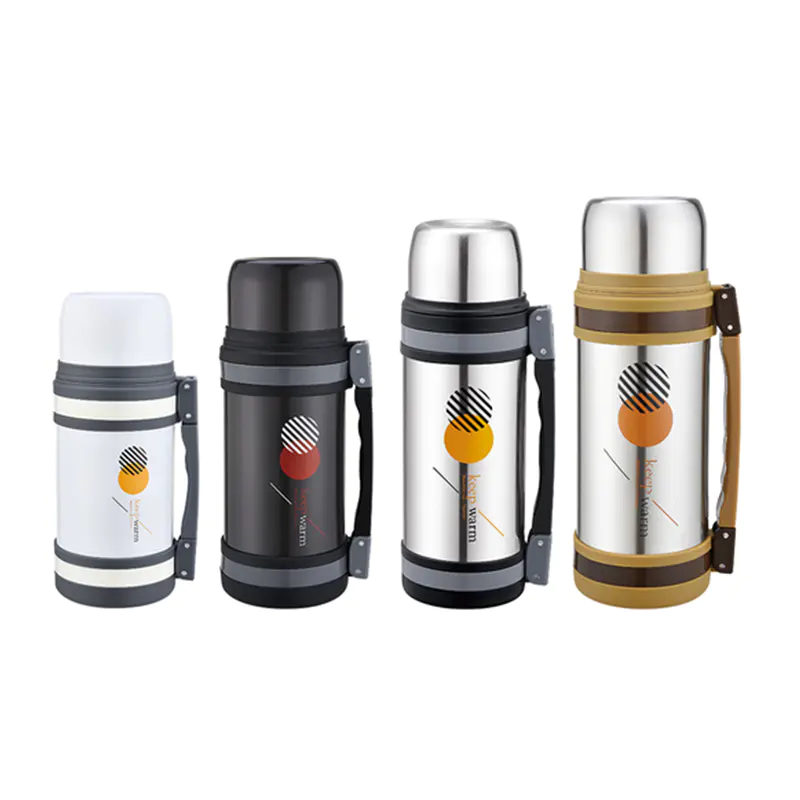
Choosing the right promotional item can feel like guessing in the dark, especially when budgets are tight and every gift needs to actually get used rather than tossed in a drawer. A custom vacuum bottle solves that problem in a way few other items manage, since it travels with people through gyms, offices, flights, and outdoor trips, carrying a logo along for every one of those moments. That everyday visibility is exactly why so many marketing teams and procurement managers keep coming back to this category when planning gifts, incentives, or bulk orders for events.
Why These Bottles Work So Well as Marketing Tools
Printed pens and tote bags have their place, but they rarely survive past a week or two before ending up forgotten somewhere. A well-made drinkware item behaves differently. People reach for it daily, sometimes multiple times a day, which means a logo printed on the surface gets seen far more often than almost any other giveaway a company could hand out.
It Turns Daily Habits Into Repeated Exposure
Hydration is a habit nobody skips. Whether someone is commuting, sitting through a long meeting, or hitting the gym, a bottle sitting on the desk or clipped to a bag stays in view constantly. Each glance is a small brand impression, and those impressions add up over weeks and months in a way that a one-time ad never could.
Does Practical Value Change How People Perceive a Brand?
It does, and this is worth sitting with for a moment. A gift that solves a real problem, staying hydrated, carrying coffee on the go, keeping drinks cold during a workout, tends to build goodwill in a way that flashy but useless swag never manages. Recipients associate the company behind a genuinely useful item with thoughtfulness rather than gimmicks, and that association tends to stick around longer than the memory of a single event or campaign.
Engagement Beyond the Individual User
There's also a quieter, secondary effect worth mentioning. A bottle carried into a coffee shop, gym, or shared office space gets noticed by people who were never part of the original giveaway. Coworkers ask where it came from, gym partners comment on the design, and suddenly a single item has generated conversation that a company never had to pay for directly.
This kind of organic word of mouth is difficult to manufacture through paid advertising alone. Someone scrolling past a banner ad rarely stops to ask a friend about it, but a physical object sitting on a desk or clipped to a gym bag invites exactly that sort of casual curiosity. A colleague leaning over to ask "where did you get that" is a small moment, but it repeats itself constantly across offices, campuses, and public spaces, quietly expanding a brand's reach well past the people who originally received the item.
There's a compounding aspect here too. Unlike a digital ad that disappears the moment someone closes a tab, a bottle keeps working in the background for months or years, depending on how well it holds up to daily wear. Every refill, every trip to the gym, every meeting where it sits on the table adds another small touchpoint, and those touchpoints accumulate into a level of exposure that would cost considerably more to achieve through traditional advertising channels.
How Businesses Actually Use These Bottles for Branding
Different industries lean on this category for different reasons, but a few patterns show up again and again.
- Corporate gifting. Sending a well-branded bottle to clients or partners during onboarding or holiday season keeps the relationship warm without feeling transactional.
- Sports and fitness events. Race organizers, gyms, and fitness brands hand these out at registration, tying the item directly to an activity the recipient already values.
- Employee benefit programs. Companies building wellness initiatives often include a bottle as part of a welcome kit, reinforcing both hydration habits and internal brand identity.
- Outdoor and travel campaigns. Brands targeting hikers, campers, or frequent travelers find that a durable bottle fits naturally into that lifestyle, making the branding feel earned rather than forced.
- Trade shows and conferences. Attendees collect dozens of flyers they'll toss within a day, but a bottle handed out at a booth often gets used throughout the event and carried home afterward.
Each of these scenarios shares a common thread: the bottle isn't just decoration, it's something the recipient genuinely wants, which is precisely why the branding attached to it earns attention instead of getting ignored.
Choosing the Right Type for Your Campaign
Not every bottle style suits every campaign, and picking the wrong one can undercut an otherwise solid marketing plan. Here's a quick comparison to help sort through the common options.
| Bottle Type | Typical Use Case | Notable Strength |
|---|---|---|
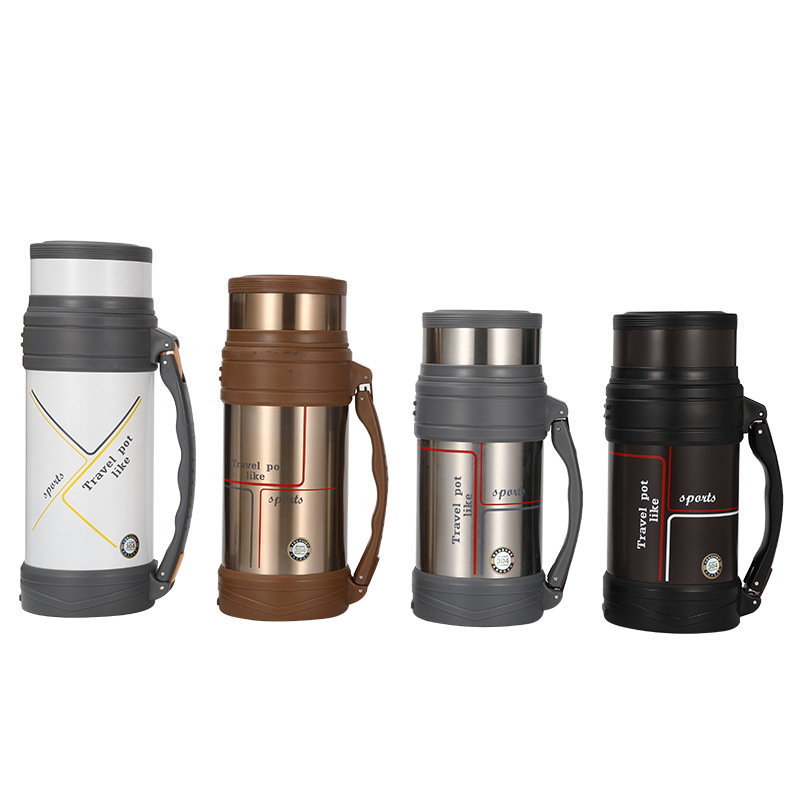
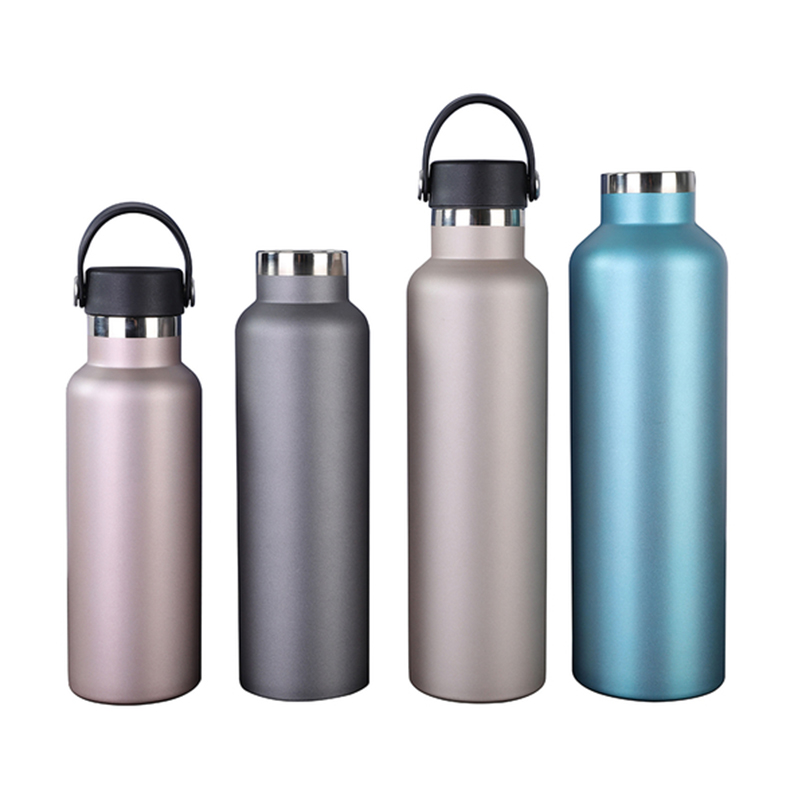
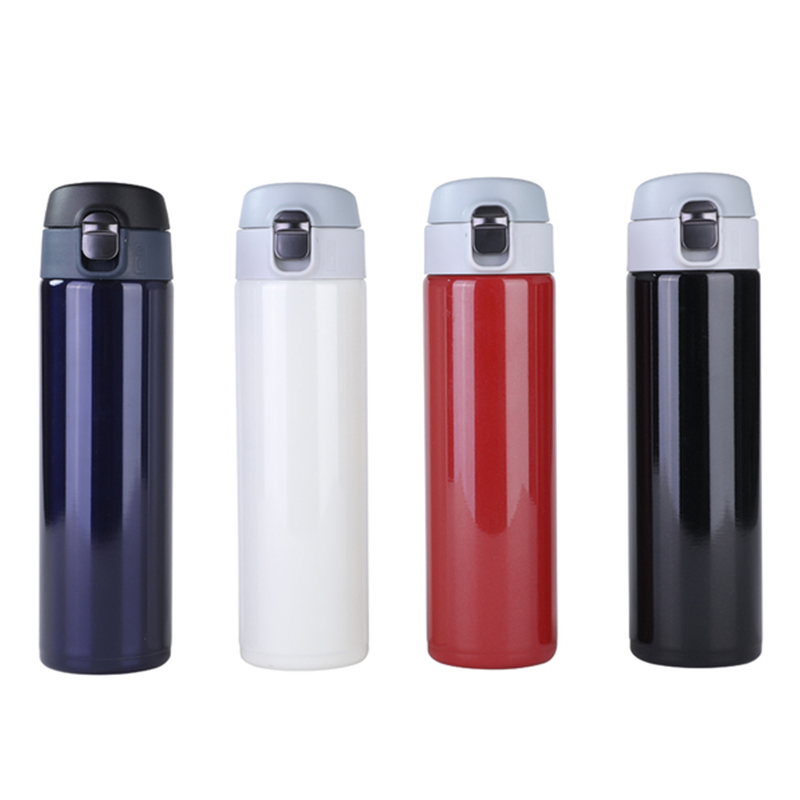
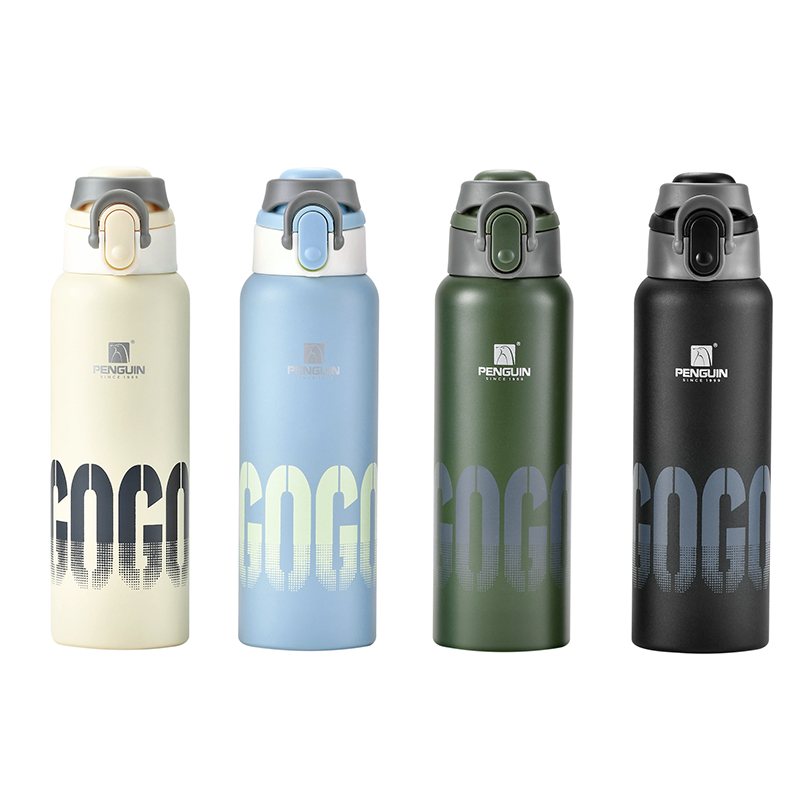
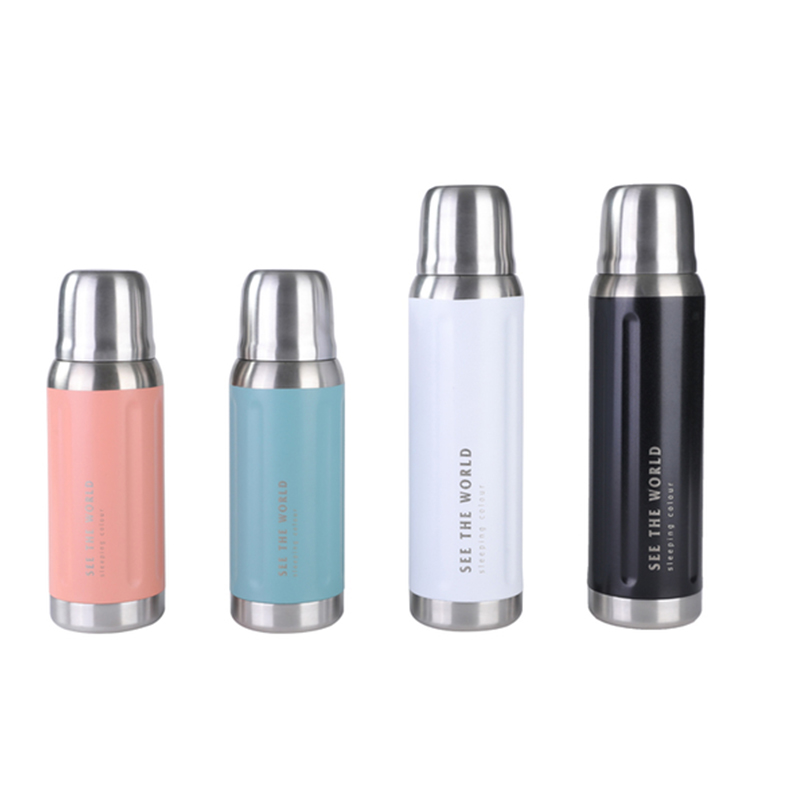
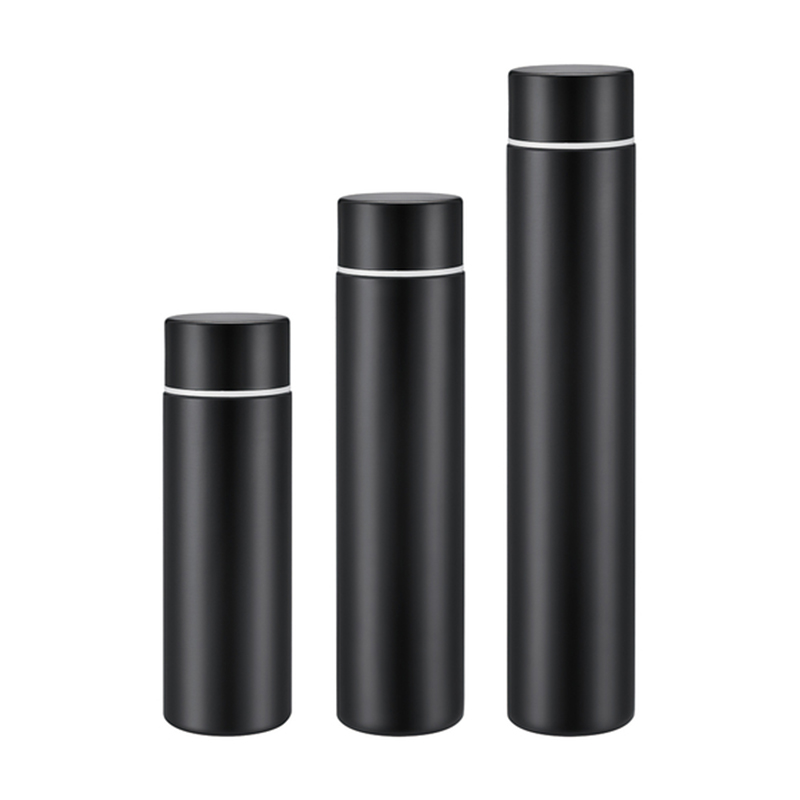
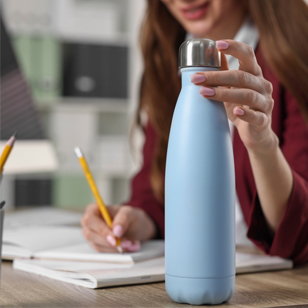
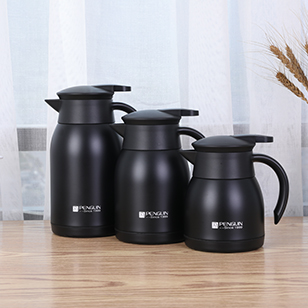
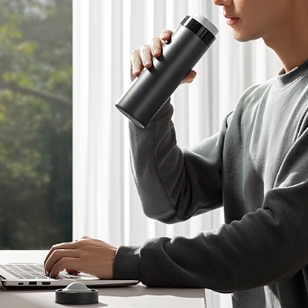
| Travel vacuum bottle | Commuters, office gifting | Keeps drinks hot or cold for extended stretches |
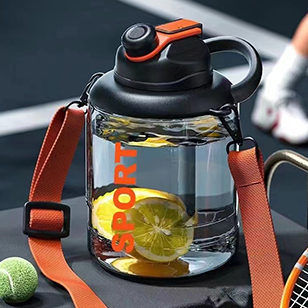
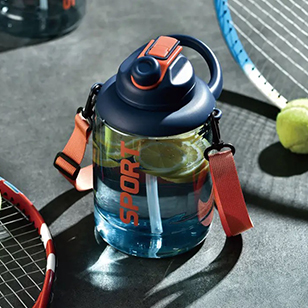
| Tritan sports water bottle | Gym and fitness campaigns | Lightweight, clear, and durable under repeated use |
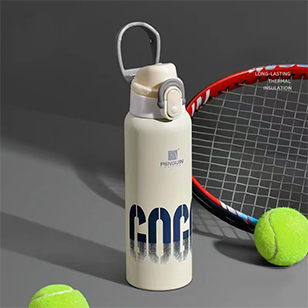
| Custom gym water bottle | Fitness studios, wellness programs | Easy grip design suited to active handling |
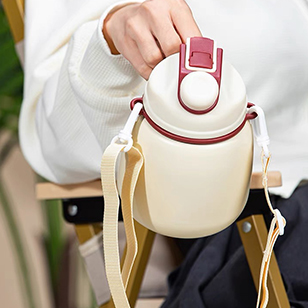
| Straw plastic water bottle | Retail and consumer giveaways | Simple, familiar format for casual daily use |
Should You Prioritize Material or Design?
Both matter, but for different reasons. Material affects durability and how well the bottle performs its actual job, insulating drinks, resisting drops, holding up to daily wear. Design affects how the branding actually looks once printed, and whether the surface allows for a clean, legible logo placement. A gorgeous design on a flimsy bottle won't last through a single season of use, while a sturdy bottle with a cramped, hard-to-read logo wastes the branding opportunity entirely. Balancing the two is where the real decision-making happens.
It helps to think about the lifecycle of the item rather than just the moment it gets handed out. A bottle that cracks or loses its seal within a few weeks reflects poorly on the brand attached to it, regardless of how sharp the logo looked on day one. On the other hand, a bottle that survives years of daily use, getting refilled at the office, tossed into a gym bag, carried on flights, keeps reinforcing the brand every single time it gets picked up. That long lifecycle is really the entire point of choosing drinkware as a marketing tool, so cutting corners on material quality tends to undercut the very reason a business chose this category to begin with.
Matching Bottle Type to Audience
A few quick guidelines make this easier:
- For office or client gifting, a travel vacuum bottle with a clean, professional finish tends to land well.
- For fitness-focused audiences, a Tritan or gym-style bottle with an easy-grip surface fits naturally into their routine.
- For large-scale consumer giveaways where cost per unit matters more than premium materials, a straw plastic bottle can stretch a budget further while still getting the branding out into the world.
- For outdoor or travel-themed campaigns, insulated options that handle temperature extremes tend to reinforce the lifestyle angle the brand is going for.
Why Working With an Experienced Manufacturer Matters
Sourcing decisions can make or break a campaign, even when the marketing strategy behind it is solid. A manufacturer with real production experience brings a few advantages that are easy to overlook until something goes wrong.
- OEM capability. Being able to customize shape, color, and finish rather than settling for a generic stock item gives a brand far more control over how the final product represents its identity.
- Custom printing options. Logo placement, color matching, and finish quality all depend heavily on the printing techniques available, and not every supplier offers the same range.
- Bulk production reliability. A manufacturer accustomed to handling wholesale orders can keep timelines predictable, which matters enormously when a launch date or event is already locked in.
- Quality control processes. Consistent quality across a large batch protects a brand from the embarrassment of shipping out items with printing defects or material flaws.
What Happens When Quality Control Gets Skipped?
Inconsistent batches are a common complaint buyers run into when working with suppliers who cut corners on inspection. A logo that prints crisply on one bottle but smudges on the next undermines the entire point of the campaign, since a flawed item reflects poorly on the brand it was meant to promote. Working with a manufacturer that inspects units throughout production, rather than only at the final stage, tends to catch these problems before they ever reach a warehouse or an end customer.
How to Select a Reliable Supplier for Bulk Orders
Finding a supplier that can actually deliver on promises takes a bit more digging than picking whichever name pops up right away in a search result. A few practical steps help narrow the field.
- Ask for samples before committing to a large order, so the material and printing quality can be checked firsthand rather than taken on faith.
- Confirm production capacity against your timeline, since a supplier that seems eager to take an order but can't realistically hit the deadline creates more problems than it solves.
- Look into how flexible the supplier is with customization, colors, shapes, printing methods, since flexibility often signals genuine manufacturing capability rather than a reseller relabeling generic stock.
- Request clarity on communication processes for wholesale cooperation, since ongoing campaigns often need adjustments, reorders, or design tweaks down the line.
- Consider whether the supplier has experience specifically with sports and travel drinkware, since that category has particular requirements around insulation, seal quality, and durability that a general houseware manufacturer might not fully understand.
Working through these steps before signing off on a bulk order saves a company from the frustration of discovering quality issues only after thousands of units have already shipped.
Budget Planning for Bulk Branded Drinkware
Cost is always part of the conversation, and it deserves a straightforward look rather than vague reassurance. Unit pricing on branded drinkware typically shifts based on order volume, material choice, and the complexity of the printing method requested. A simple single-color logo printed on a standard plastic bottle costs less to produce than a full-wrap design on an insulated stainless steel option, and understanding that tradeoff early helps a marketing or procurement team set realistic expectations before requesting quotes.
It also helps to think about cost per impression rather than cost per unit alone. A cheaper item that gets discarded within days delivers far fewer brand impressions than a slightly pricier one that stays in daily rotation for months. When the math is framed this way, spending a bit more upfront on a durable, well-made bottle often works out to a lower cost per impression over the life of the item, even though the initial invoice looks larger.
Planning ahead also means accounting for production timelines realistically. Custom printing, tooling adjustments, and shipping logistics all take time, and rushing a supplier rarely produces the same quality as a properly planned production schedule. Building in a reasonable buffer before an event or launch date protects against the kind of scrambling that tends to compromise both cost and quality.
Bringing Branding and Practicality Together
A custom vacuum bottle earns its place in a marketing plan because it does something so many promotional items fail to do: it gets used, over and over, in places where a brand genuinely wants to be seen. Corporate gifting, fitness campaigns, employee programs, and outdoor branding all tap into the same underlying logic, that a useful object carries a message further than a disposable one ever could. Picking the right style for the audience, weighing material against design, and partnering with a manufacturer that treats quality control seriously all shape whether that logic plays out the way a campaign intends. Businesses that get these pieces aligned tend to find that a well-made bottle keeps doing quiet, steady work long after the initial gifting moment has passed, reinforcing recognition every time someone reaches for a drink. For companies ready to move forward with a bulk order or a custom design, reaching out to a manufacturer with proven production experience is a practical next step, and teams at Zhejiang Yuneng Industry Co., Ltd. are available to walk through material options, printing methods, and order timelines for businesses exploring this category.


- Quick Links
- Home
- Customization
- Products
- News
- About
- Manufacturing
- Contact Information
- Tel : +86-579-86600888
- Phone : +86-18967438668
- Email : [email protected]/ [email protected]
- Add : Area A, Jinyidong Industrial Zone, Huashui Town, Dongyang City, Zhejiang Province, China
- Contact Us

