


 English
  日本語
日本語  Deutsch



Industry News
How Is Bullet Thermos Flask Changing Portable Drinkware Design
2026-08-07
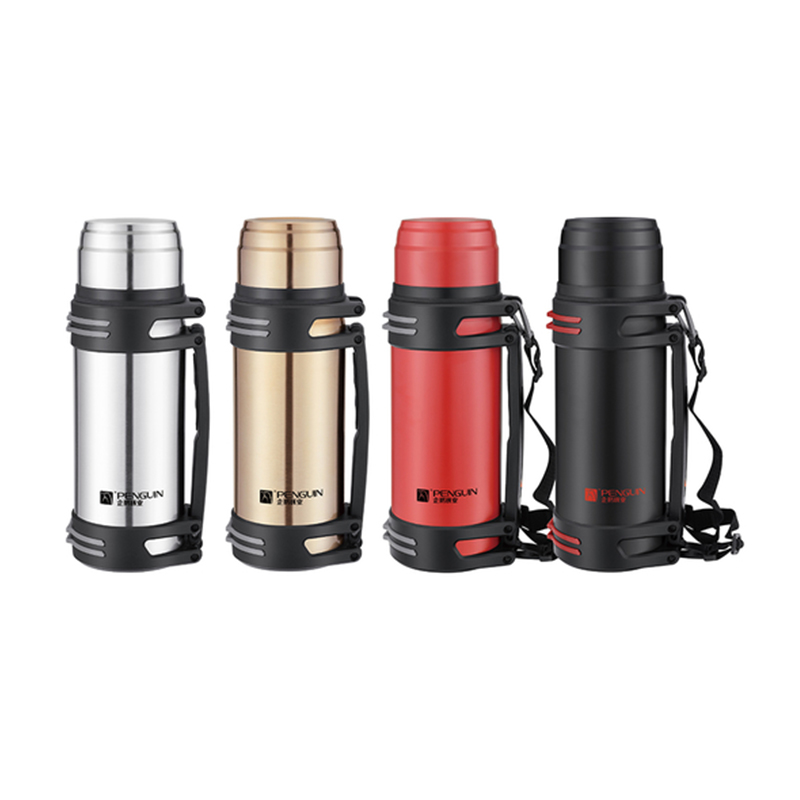
A water bottle rolling around in a bag, leaking against a laptop, or too bulky to fit in a cup holder — these are the small annoyances that eventually push people toward rethinking something as ordinary as a flask. The bullet-shaped thermos flask picked up traction partly because it solves exactly this kind of everyday friction rather than adding a feature nobody asked for.
What Changed About How People Carry Drinks
A decade or so ago, a water bottle mostly needed to hold water and not leak. That was enough. Now people carry drinks through several different environments in a single day — a commute, a desk, a gym bag, a car console — and each of those spaces has different shape and size constraints.
A bottle that fits perfectly in a backpack side pocket might not fit a bike's water cage. One that sits nicely in a car cup holder might feel awkward carrying by hand on a walk. This mismatch between fixed bottle shapes and constantly shifting daily environments is part of what pushed drinkware design toward more compact, tapered shapes like the bullet form.
| What People Expect Now | What That Changes in Design |
|---|---|
| Carrying drinks across several settings in one day | Shape needs to work in more than one context |
| Less patience for bulky gear | Compact form becomes a priority, not an afterthought |
| Wanting something that looks decent in public | Appearance starts mattering as much as function |
| Using the same bottle for work and outdoor activity | One product needs to cover multiple use cases |
None of this is really about drinkware becoming more advanced. It's about drinkware finally catching up to how unpredictable a normal day actually looks.
Why the Bullet Shape Specifically
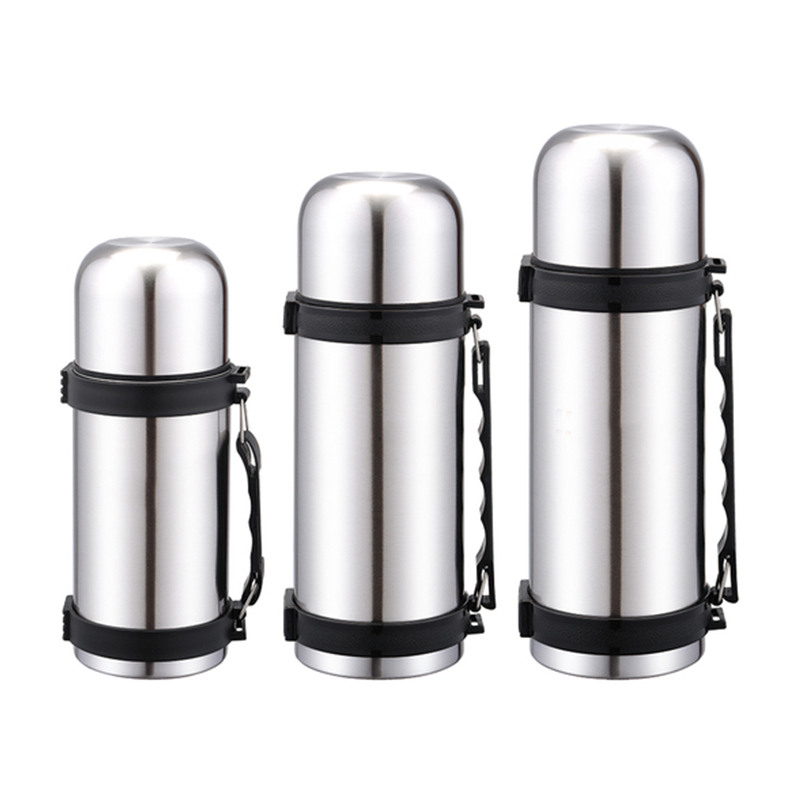
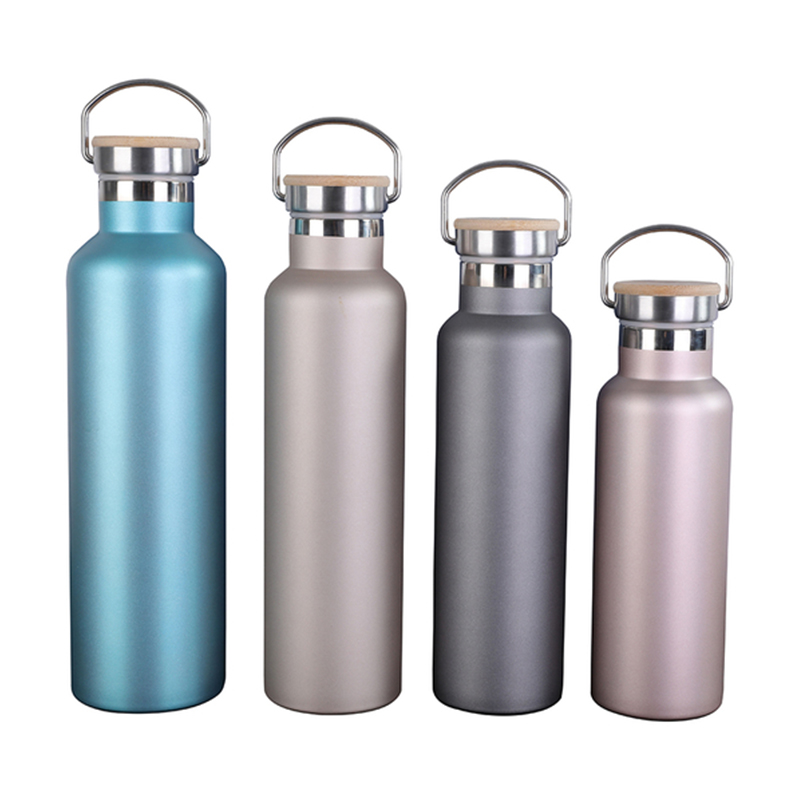
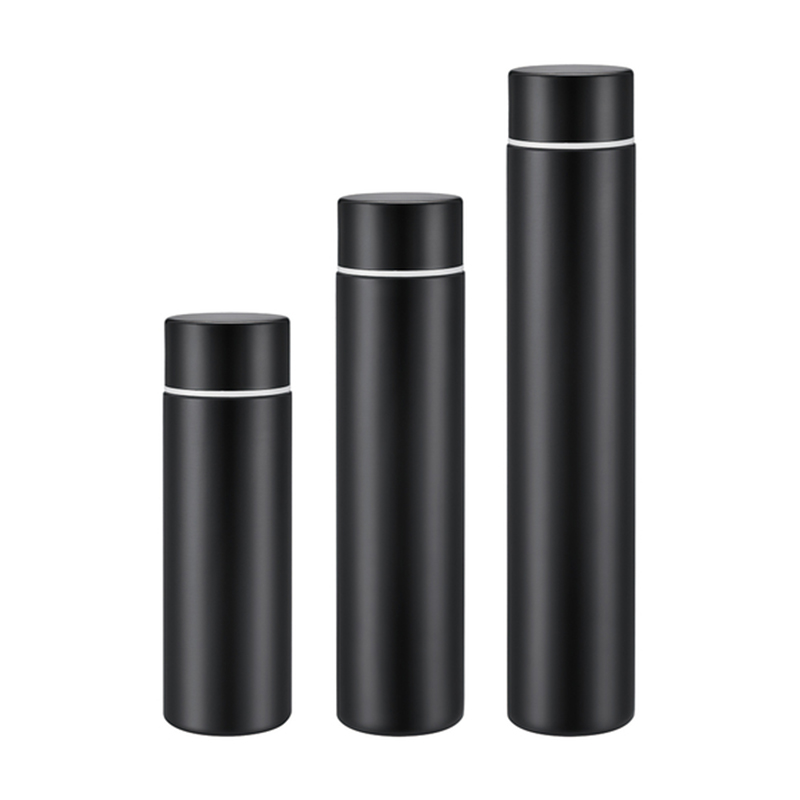
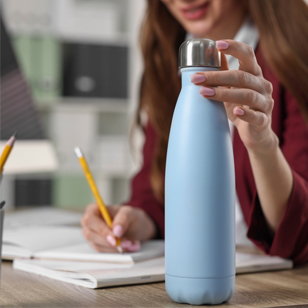
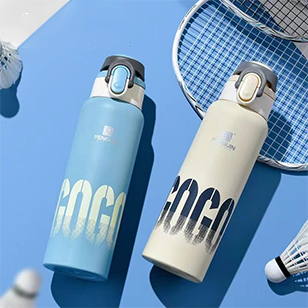
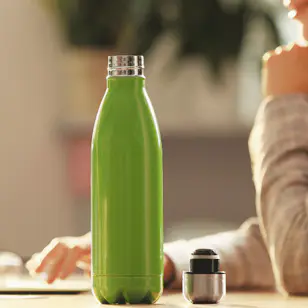
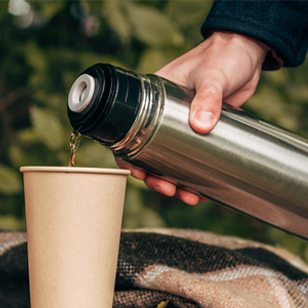
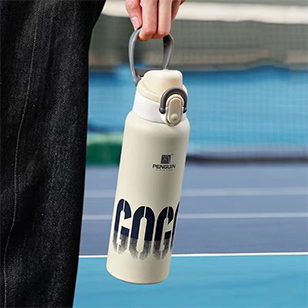
The tapered, narrower profile of a bullet thermos isn't just a stylistic choice — it changes how the flask sits in a hand, in a bag, and in tight spaces like a car door pocket or a bike frame mount.
A standard cylindrical bottle takes up a fixed amount of space regardless of context. A tapered shape narrows toward the base or top, which means it can slide into gaps that a straight-sided bottle can't. That's a small detail, but it's the kind of detail that determines whether someone actually brings the flask along or leaves it at home because it doesn't fit anywhere convenient.
Beyond fit, the shape also affects grip. A narrower midsection is easier to hold securely with one hand, which matters more than it sounds like during something as simple as walking while holding a phone in the other hand.
Portability Isn't Just About Weight
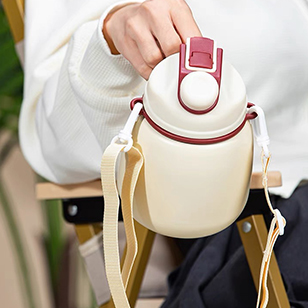
People often assume "portable" means "light," but a flask can be reasonably light and still be a pain to carry if the shape doesn't cooperate with how bags, pockets, and holders are built.
Real portability comes down to a few overlapping things:
- Fitting into the spaces people already carry things in, rather than requiring a dedicated pouch
- Handling that doesn't require both hands or careful balancing
- A size that doesn't dominate a bag's interior space
- Enough durability to survive being tossed in with keys, cables, and everything else that lives in a bag
A flask that meets these everyday needs is more likely to become part of a daily routine, while one that falls short may end up unused after an inconvenient experience.
Appearance Stopped Being an Afterthought
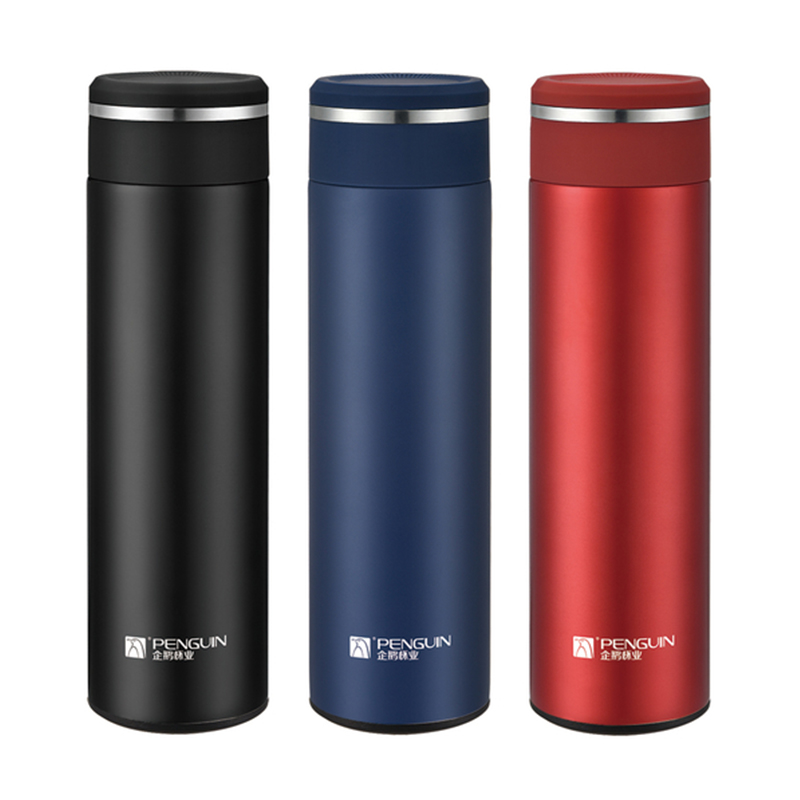
There's a reason people now consider flask colors and finishes as part of the buying decision, while older bottle choices were often based on whatever options were readily available. Drinkware has become something people carry visibly, in meetings, on trains, at gyms — and visible objects tend to get judged on how they look, fairly or not.
This doesn't mean function takes a back seat. It means appearance and function get weighed together now, rather than appearance being irrelevant. A flask with a clean, understated finish that also insulates well tends to outperform one that only nails one of those two things.
| Visual Element | Why People Notice It |
|---|---|
| Overall shape | Affects how the product feels distinct from generic bottles |
| Surface finish | Shows wear differently depending on material and texture |
| Proportions | A flask that looks too bulky or too thin can feel awkward to hold |
| Color choices | Ties into whether someone wants to carry it in public settings |
Where This Fits Into Outdoor Use and Travel
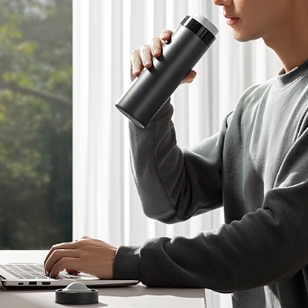
Someone heading out for a hike doesn't want to think much about their water bottle — it should just work, stay secure in a side pouch, and keep a drink at a reasonable temperature for a few hours. Someone driving for a few hours wants something that sits steady in a cup holder without tipping over every time the car turns.
The bullet flask's compact, tapered build tends to serve both of these situations reasonably well, which is part of why it shows up across such different contexts — a hiking trail, a car dashboard, a desk at work — without needing a separate bottle for each.
The Small Design Choices That Actually Affect Daily Use
A lot of what makes a flask pleasant or annoying to use comes down to details that don't show up in a quick glance at a product photo.
Grip comfort matters more over a full day of handling than it does during a five-minute test hold in a store. A lid that's simple to open one-handed while walking saves real frustration compared to one that needs both hands and careful attention. And a flask that doesn't sweat condensation onto whatever it's sitting next to avoids a specific kind of daily annoyance that people don't mention often but definitely notice.
Manufacturers paying attention to these details tend to build products that get picked up daily rather than left in a bag pocket unused.
Why Smaller, More Compact Products Keep Gaining Ground
Storage space in everyday life has become more limited, with compact homes, smaller bags, and more belongings competing for the same available room. A bulky bottle that takes up a third of a bag's main compartment starts feeling like a bad trade-off compared to something more compact that does the same job.
Compact drinkware supports:
- Fitting more easily into bags already carrying other essentials
- Storage at home that doesn't require a dedicated shelf
- Easier placement in car doors, bike frames, or gym bag side pockets
- A general sense that the product isn't taking up more room than it's worth
This isn't really about miniaturizing everything. It's about matching product size to how much space people realistically have to spare.
Material Choices Behind the Scenes
The material a flask is built from affects more than just how long it lasts. It changes how the surface feels in hand, how well it insulates hot or cold drinks, and how the product ages after months of regular use — scratches, dents, fading.
| Material Factor | What It Affects Day to Day |
|---|---|
| Durability | Whether the flask survives being dropped or tossed in a bag |
| Surface feel | Comfort during extended handling |
| Insulation quality | How long a drink stays at a usable temperature |
| Weight | Whether the flask feels reasonable to carry all day |
None of these factors work in isolation — a flask that insulates well but feels unpleasant to hold, or one that's durable but too heavy, ends up unused despite technically doing its job.
Different Routines Want Different Things From the Same Product
An office worker mostly cares about a flask sitting quietly on a desk without leaking or tipping. Someone spending weekends outdoors cares more about how it survives being knocked around in a pack. A frequent traveler wants something that clears airport security without hassle and fits into a carry-on side pocket.
| Daily Routine | What Matters Most |
|---|---|
| Office use | Sitting steady on a desk, easy to sip from during work |
| Outdoor activity | Surviving rough handling, staying secure in a pack |
| Travel | Fitting compactly, handling temperature changes over hours |
| General daily carry | Just working reliably without requiring extra thought |
A single flask design that handles many everyday needs effectively helps explain why the bullet shape has remained popular instead of becoming a short-lived trend.
Where Drinkware Design Seems to Be Headed
The changes happening in flask design aren't really about adding new functions nobody asked for. They're about refining shape, grip, and portability so the product fits into daily life without requiring extra thought or a dedicated bag slot.
As routines keep mixing work, travel, and outdoor time into the same week, drinkware will likely keep adjusting in these same practical directions — slightly better fit in a bag, slightly better grip, slightly less bulk — rather than through dramatic redesigns. The Bullet Thermos Flask's continued presence across different settings says less about trend-chasing and more about a shape that happens to solve a genuinely common problem.
- Quick Links
- Home
- Customization
- Products
- News
- About
- Manufacturing
- Contact Information
- Tel : +86-579-86600888
- Phone : +86-18967438668
- Email : [email protected]/ [email protected]
- Add : Area A, Jinyidong Industrial Zone, Huashui Town, Dongyang City, Zhejiang Province, China
- Contact Us

