


 English
  日本語
日本語  Deutsch



Industry News
How Does Handle Placement Affect Thermos Flask Handling
2026-09-11
A thermos flask can feel very different in the hand depending on where its handle sits. Two flasks may share a similar body shape and capacity, yet one can feel a lot easier to pick up, carry, or drink from simply because the hand meets the handle at a different position along the body.
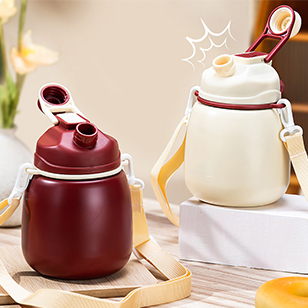
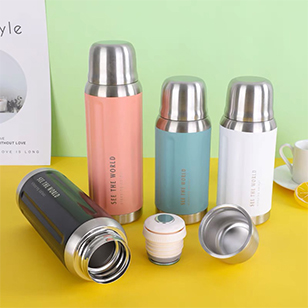
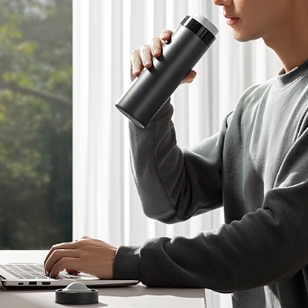
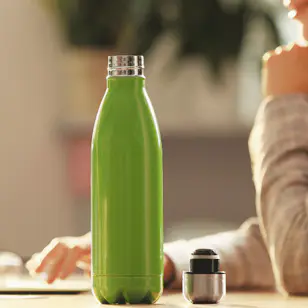
This becomes more noticeable once the flask is filled and sitting on a desk before a commute. The weight of the drink changes how the wrist responds to the load, while the distance between the handle and the flask body affects how the fingers close around the grip. The handle is therefore part of the movement between the user and the drink, influencing how the flask gets lifted from a table, carried through a train ride, tilted toward the mouth, and set back down on a stable surface. For a Bullet Thermos Flask, these details can be particularly noticeable because its compact body shape encourages frequent one-handed handling throughout the day, and a Thermos Flask Cup with Handle also needs to work naturally during both carrying and drinking rather than treating the handle as a separate feature bolted onto the side.
Where Should a Thermos Flask Handle Be Positioned?
Handle placement begins with the relationship between the grip and the flask body. A handle positioned near the upper section can create a genuinely different lifting motion from one placed closer to the middle, even when the overall flask remains similar in size on a shelf.
When a user reaches for the flask on a desk, the hand normally approaches from the side or slightly above. The fingers then enter the handle opening, while the thumb settles against a nearby surface to help control the movement as the flask leaves the table.
A higher handle may allow the hand to approach naturally when the flask is standing upright next to a keyboard. A lower position can change the wrist angle, since the hand has to move farther downward before the fingers settle into the grip properly.
The distance between the handle and the body matters as well during this reach. If the opening is narrow, larger fingers may have less room to form a relaxed grip, while a wider opening changes how far the hand sits away from the flask.
| Handle Position | Possible User Movement |
|---|---|
| Upper body | Hand approaches from a higher angle |
| Middle body | Grip sits closer to the flask's center |
| Lower body | Wrist may move downward during pickup |
| Close to body | Fingers remain nearer to the flask surface |
| Further from body | Hand has more separation from the flask |
There is no single position that suits every flask or every user reaching for one in different settings. The useful arrangement depends on how the product gets picked up, carried, tilted, and stored across a typical day. For Stainless Steel Vacuum Flask Manufacturers, this means handle placement needs consideration alongside the body shape, instead of getting treated as an isolated design choice made separately from everything else.
How Does the Grip Change When the Flask Is Full?
A filled flask creates a genuinely different experience from an empty one sitting on a counter. The hand has to control not only the handle but also the downward pull of the flask body and the movement of the liquid sloshing inside it.
When the fingers close around the handle, the hand becomes the main connection between the user and the flask. The wrist naturally adjusts to keep the body under control as it leaves the table or other supporting surface nearby.
The grip does not usually need much force behind it. A controlled hold allows the fingers to maintain contact while the thumb and wrist help prevent the flask from swinging or rotating unexpectedly during a hurried pickup.
The position of the hand relative to the flask's center also affects this feeling in the moment. When the grip sits away from the body's center, the user may feel more turning force as the flask hangs from the hand on the walk to a car.
This can be easier to understand through the pickup process, step by step:
- The hand moves toward the handle.
- The fingers enter and close around the grip.
- The thumb settles into a supporting position.
- The flask is lifted from the surface.
- The wrist adjusts as the body becomes fully supported by the hand.
A Bullet Thermos Flask that gets frequently moved between surfaces needs to feel manageable throughout this sequence, not just at the end of it. The grip is not used only after the flask has been lifted; it is involved from the moment the fingers make contact with the handle.
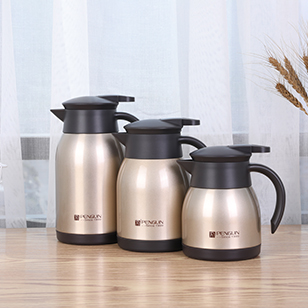
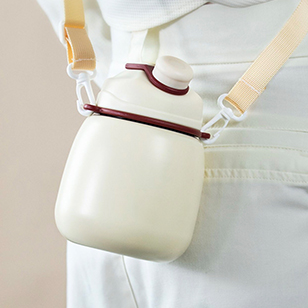
The same pattern shows up with a Thermos Flask Cup with Handle when the user picks it up while sitting at a dining table. A convenient handle position can make the transition from resting position to drinking position feel a lot more natural in practice.
How Does the Center of Gravity Affect the Way a Flask Is Held?
The center of gravity becomes important the moment the flask leaves a supporting surface like a table or car cupholder. The hand holds the flask from one point, while the weight of the body and its contents extends around that point in ways the eye doesn't always register.
A flask with a handle positioned far from its center can create a different balance from one where the grip sits closer to the middle. The user may notice this difference clearly when carrying the flask with the arm relaxed at the side during a walk.
The liquid level can also change the experience across a workday. A full flask carries more weight in the morning, while a partially used flask becomes noticeably lighter as the drink gets consumed through the afternoon.
The balance shifts again once the flask gets tilted for drinking. The body moves from an upright position toward an angle, so the relationship between the hand, handle, and remaining liquid is no longer quite the same as it was moments earlier.
| Use Stage | Change in Handling |
|---|---|
| Flask resting upright | Weight is supported by the surface |
| Initial pickup | Hand takes control of the full body |
| Carrying | Wrist manages the downward load |
| Tilting | Weight shifts relative to the grip |
| Drinking | Hand controls both angle and position |
| Returning | Flask needs to settle back onto a surface |
This is why a handle can feel comfortable during carrying but a little less natural during drinking itself. The user is performing a different movement in each case, and the flask is no longer balanced the same way it was on the table. For product development, observing these changes across a real routine can provide a lot more useful information than examining the handle while the flask sits empty and stationary on a bench.
How Should a User Hold a Thermos Flask With a Handle?
There is no need to hold a handled flask with much force behind the grip. A practical hold normally allows the fingers to close around the handle while the thumb provides additional control from below.
The wrist can stay relatively relaxed during ordinary carrying between rooms. The arm then supports the movement while the hand prevents the flask from rotating too freely on the way to a bag or backpack.
When the flask is heavier after a fresh fill, some users may naturally bring it closer to the body. This reduces the feeling of the flask pulling away from the hand and can make longer carrying periods, like a commute, a lot more manageable overall.
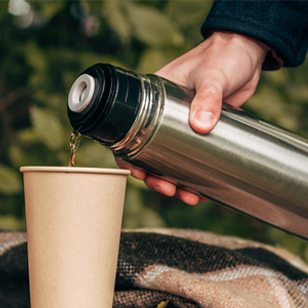
Another common approach is supporting part of the flask body with the other hand. This can be useful when the flask is full or when the user wants more control while pouring hot coffee into a cup nearby.
Different holding methods can serve genuinely different moments through the day.
| Holding Method | Suitable Movement |
|---|---|
| Single-hand grip | Short carrying and quick pickup |
| Handle plus palm support | More controlled handling |
| Two-hand hold | Lifting or drinking a heavier flask |
| Close-to-body hold | Carrying while moving |
| Light handle grip | Short movement between nearby surfaces |
A Thermos Flask Cup with Handle should allow these natural changes without forcing the hand into one fixed position all the time. The handle provides the main gripping point, but the user may still adjust the palm, wrist, and second hand according to whatever the moment calls for. This flexibility becomes especially useful in everyday settings, where people rarely stop to think about how they're holding a cup while typing an email or crossing a street.
How Does Handle Placement Affect the Drinking Experience?
Drinking involves a lot more movement than simply lifting a flask off a desk. The user must bring the opening toward the mouth while changing the angle of the body and keeping the liquid under control the whole time.
The hand begins with the flask in an upright position beside a keyboard or on a car console. As the user raises it, the wrist and forearm gradually rotate, allowing the drinking opening to reach the mouth at a workable angle without spilling anything.
The handle remains the main reference point during this movement. If the grip stays comfortable while the flask rotates, the user can make the adjustment without repeatedly changing the position of the fingers mid-sip.
A poorly matched position can make the movement feel a lot less natural. The wrist may need to bend more than expected, or the user may need to shift the grip halfway through the drinking motion, which gets annoying fast during a rushed morning.
The process can be viewed as one continuous movement:
Pickup → carry → raise → tilt → drink → return
Each stage places a slightly different demand on the hand along the way. The handle needs to stay useful across the complete sequence, rather than only during the initial pickup off the table.
For a Bullet Thermos Flask, this can influence how convenient the product feels during short drinks taken throughout the day between meetings. A compact flask may get picked up frequently, so even small differences in grip position can become noticeable over repeated use across a week.
The drinking opening also matters here. Its position relative to the handle can affect whether the user needs to rotate the wrist quite a bit before the flask reaches a comfortable drinking angle at the mouth.
How Does Handle-to-Body Distance Change Finger Movement?
The space between the handle and the flask body determines how the fingers actually enter the grip. This is easy to overlook, since the handle may appear comfortable enough when viewed from across a store shelf.
When the opening provides enough room, the fingers can move into position without pressing tightly against the flask body. If the gap is smaller, the user's fingers may touch both surfaces at the same time, which changes the feel of the whole grip.
That contact is not necessarily a problem on its own. It can sometimes give the hand another point of control, but it also changes the way the grip feels compared to a wider opening.
Handle thickness can also affect how the same movement feels. A thinner grip may allow the fingers to close around it more naturally, while a broader grip changes how the hand fits around the handle from the outset.
The interaction can be considered through several design relationships worth mapping out.
| Handle Detail | Effect on Hand Movement |
|---|---|
| Opening size | Influences finger entry |
| Distance from body | Changes hand separation |
| Grip thickness | Changes finger closure |
| Handle direction | Influences wrist position |
| Connection position | Affects how the flask moves from the grip |
These details become a lot more relevant when a flask is used by people with genuinely different hand sizes, from a teenager to a parent grabbing the same cup off the counter. A design intended for broad daily use needs to account for these natural differences in how users approach and hold the product. For Stainless Steel Vacuum Flask Manufacturers, studying these movements can help connect external product design with actual behavior seen in kitchens and offices.
How Do Carrying and Drinking Require Different Handle Positions?
Carrying and drinking may use the same handle, but they place genuinely different demands on the hand. During carrying, the flask usually hangs below the hand at the side, while drinking requires the body to move upward and rotate toward the mouth.
A handle that works well for carrying should therefore also get considered in relation to the drinking angle it produces. The user should not have to completely release and reposition the grip every single time the flask moves toward the mouth for a sip.
During a walk to a car, the wrist may remain fairly neutral while the flask moves along with the arm. During drinking, the wrist becomes a lot more active, since the flask needs to be raised and tilted at the same time.
The center of gravity changes relative to the hand during this transition between activities. This is particularly noticeable when the flask is full, since the user has to control a heavier load while changing its orientation midair.
| Activity | Main Hand Action |
|---|---|
| Picking up | Fingers close around the handle |
| Walking | Hand controls movement below the arm |
| Raising | Wrist and forearm guide the flask upward |
| Tilting | Grip controls the changing angle |
| Drinking | Hand maintains position while liquid flows |
| Putting down | Grip releases as the surface takes the weight |
A Thermos Flask Cup with Handle should therefore be considered as a product that moves through different positions during normal use. The handle should provide a steady reference point while the flask changes orientation around it, helping the drinking process remain connected to the initial grip when the flask is picked up.
What Should Stainless Steel Vacuum Flask Manufacturers Consider During Handle Design?
Handle placement can get evaluated through actual use rather than appearance alone on a spec sheet. A product may look balanced on a drawing but feel quite different when a user actually reaches for it, fills it, carries it, and drinks from it during a normal morning.
Design teams can observe several everyday actions closely. These include picking the flask up from different surfaces, carrying it beside the body, switching hands mid-walk, supporting it with the palm, and tilting it toward the mouth at a comfortable angle.
The relationship between the handle and body should also be checked at different stages of use throughout the day. The grip may feel different when the flask is full in the morning, partly used around midday, or nearly empty later on, as the overall weight changes over time.
A practical design review can walk through several checkpoints:
- Where the hand naturally approaches the handle.
- How the fingers enter and close around the grip.
- Whether the wrist remains reasonably comfortable during lifting.
- How the flask behaves when carried beside the body.
- Whether the grip remains stable during tilting.
- How easily the flask returns to an upright position.
- Whether the handle works with different natural holding styles.
This approach gives Stainless Steel Vacuum Flask Manufacturers a clearer connection between product structure and daily user behavior seen at desks and dinner tables. The same thinking can apply across different flask forms without much extra effort. A Bullet Thermos Flask may emphasize compact handling for people constantly on the move, while a Thermos Flask Cup with Handle may get used more often around desks, dining areas, or other stationary settings closer to home.
The important design question is therefore not simply whether a flask has a handle attached to it somewhere. It is how that handle guides the hand through the complete movement of picking up, holding, carrying, tilting, drinking, and putting the flask back down on whatever surface comes next.
- Quick Links
- Home
- Customization
- Products
- News
- About
- Manufacturing
- Contact Information
- Tel : +86-579-86600888
- Phone : +86-18967438668
- Email : [email protected]/ [email protected]
- Add : Area A, Jinyidong Industrial Zone, Huashui Town, Dongyang City, Zhejiang Province, China
- Contact Us

