


 English
  日本語
日本語  Deutsch



Industry News
How Do Beverage Needs Shape Modern Thermos Flask Design
2026-09-18
A thermos flask often gets treated as a simple container for hot or cold drinks, sitting on a desk or tucked into a bag. In practice, the type of beverage can genuinely influence many parts of the product's construction. Tea, coffee, water, juice, and other drinks can create different expectations for temperature retention, flavor separation, serving style, and daily use throughout the week.
This means product development is moving beyond a single idea of what a flask should do for everyone. Manufacturers are looking a lot more closely at how people actually use different beverages throughout the day. A flask used for morning coffee may have genuinely different design priorities from one used mainly for cool water during outdoor activities.
The difference isn't always about the size or appearance of the container sitting on a shelf. Internal construction, material selection, lid structure, opening design, and the relationship between the flask and its intended beverage can all affect the final product significantly.
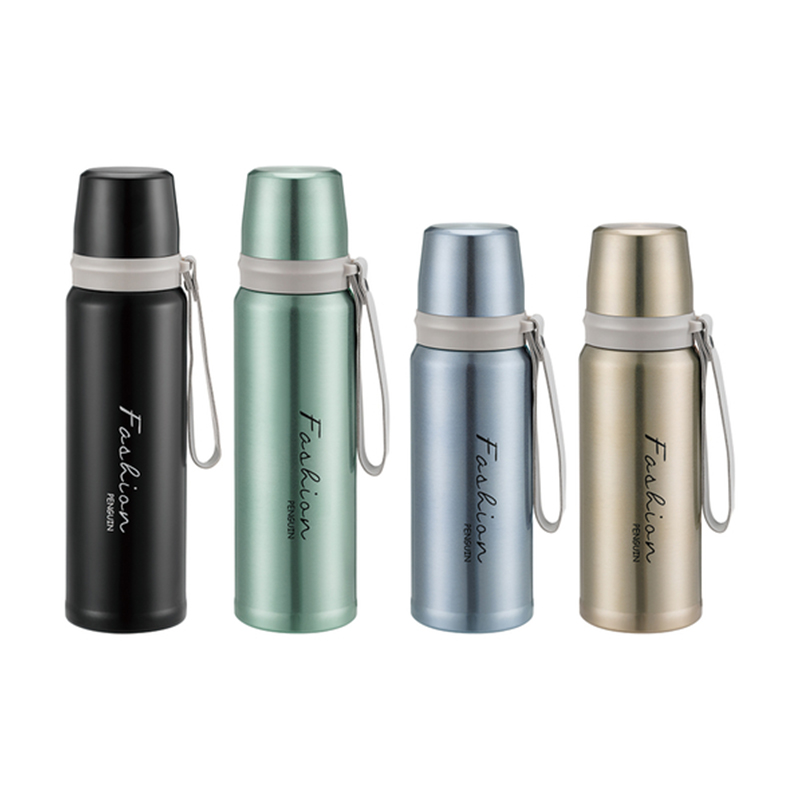
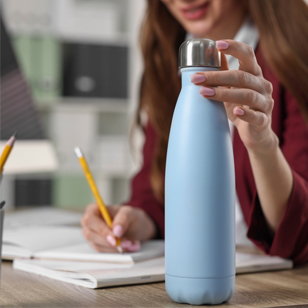
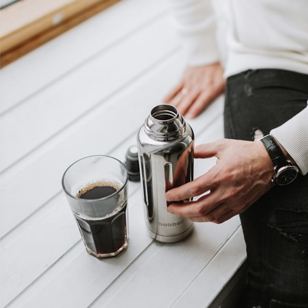
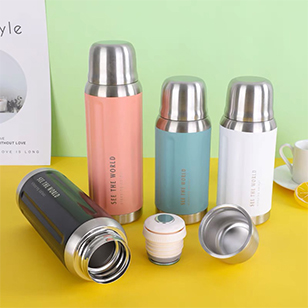
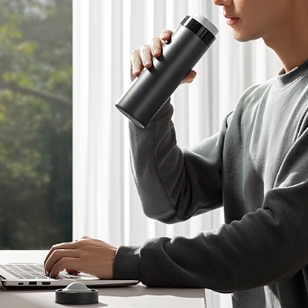
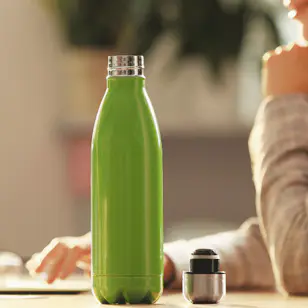
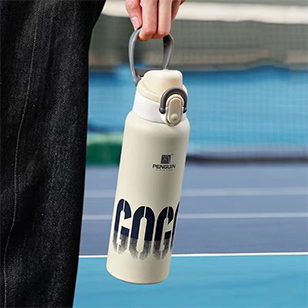
A Bullet Thermos Flask, for example, has a distinctive vertical form that can suit users who prefer a straightforward drink container for work or daily activities. Its shape can also create a recognizable product identity while leaving room for different beverage applications down the line.
| Beverage Requirement | Possible Product Consideration | Typical Usage Context |
|---|---|---|
| Hot coffee | Temperature retention and controlled serving | Office and commuting |
| Hot tea | Flavor-focused material selection | Desktop and daily use |
| Cool water | Temperature maintenance | Fitness and outdoor activity |
| Cold beverages | Suitable internal material | Travel and recreation |
| Mixed daily drinks | Versatile product structure | General everyday use |
The growing variety of beverage choices means manufacturers need to think about the container as part of the drinking experience itself, not just a vessel. The question isn't simply whether a flask can hold a drink without leaking. It's how the product structure supports the characteristics of that drink throughout a typical day.
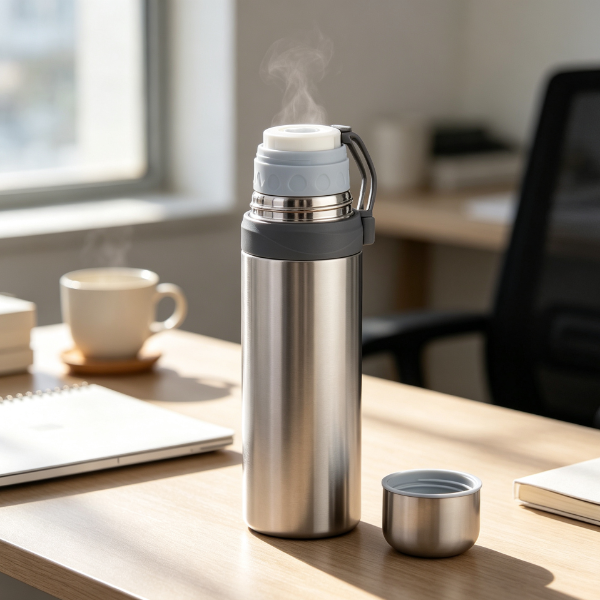
How Does the Type of Beverage Influence Flask Materials?
Material selection has a genuinely direct relationship with beverage use over time. A container designed for regular contact with drinks needs an internal surface that's suitable for its intended application and resistant to changes caused by normal daily use.
Stainless steel is widely used in beverage containers, because it provides a practical foundation for reusable drinkware that holds up over months of use. It can be formed into different shapes and combined with other components to create products for a range of daily situations without much trouble.
| Material Consideration | Practical Relevance |
|---|---|
| Surface durability | Withstands repeated daily contact |
| Formability | Supports different flask shapes |
| Flavor neutrality | Avoids interfering with drink taste |
| Component compatibility | Works with lids and seals |
| Cleaning ease | Simplifies daily maintenance |
The choice of material can also affect how the product gets perceived by the person carrying it. Some users associate stainless steel with modern reusable drinkware they see everywhere, while manufacturers value its ability to support different product forms across a whole catalog.
Beverage characteristics also deserve genuine attention during development. Coffee and tea have distinct flavors that can linger, while fruit-based drinks may have different requirements from plain water sitting in the same container. Manufacturers can consider how the internal material interacts with the expected range of beverages, rather than designing around only one drink type.
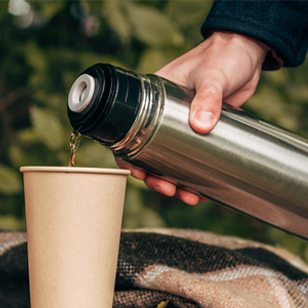
This is particularly relevant for Stainless Steel Vacuum Flask Manufacturers developing several product categories at once. A shared material foundation can support different flask styles across a product line, but the final structure still needs to reflect the intended use for each variant.
The material should therefore get considered together with the product's purpose from the start. A flask designed for general daily drinks may need a broader application range, while a product developed around a specific beverage category can focus more closely on that drink's particular characteristics.
Can a Bullet Thermos Flask Adapt to Different Daily Beverage Needs?
The shape of a flask can genuinely influence how it fits into different daily routines people already have. A bullet-style structure has a recognizable vertical form and can get developed for several beverage applications, without requiring a complicated exterior design that adds cost.
For office users, the product may serve as a container for coffee or tea during working hours spent at a desk. On a desktop, the same form can function as a personal drink container that remains part of the user's daily routine without much thought.
During commuting, the flask may carry a morning beverage from home to another location entirely. The product therefore needs to support a change in environment, without changing the basic beverage experience the person expects.
| Daily Phase | Beverage Role | Design Implication |
|---|---|---|
| Morning departure | Carries hot coffee or tea | Needs secure sealing during transit |
| Commute | Maintains temperature | Supports occasional sipping |
| Desk arrival | Becomes stationary drink container | Fits naturally beside other items |
| Midday break | May switch to water | Handles different liquid types |
| End of day | Returns home for refill | Withstands repeated daily cycles |
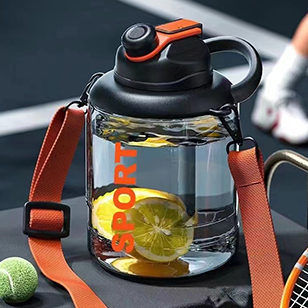
Outdoor use introduces another set of requirements worth thinking through. Water and cool beverages may become genuinely more important during walking, recreation, or other activities away from a desk. The flask then needs to work with drinks that users may consume gradually, rather than all at once in one sitting.
This shows how one basic product form can serve genuinely different purposes throughout a person's week. The key isn't assuming that every user needs the same beverage experience from the same container. Product developers can instead consider how the flask responds to different drink types and daily contexts as they shift.
A Bullet Thermos Flask can therefore become part of a broader product family sold under one recognizable shape. Manufacturers can explore different finishes, lid arrangements, interior structures, and capacities, while keeping the recognizable basic form customers already know.
What Makes Hot Beverages Different From Cold Beverages?
Hot and cold drinks create different expectations for a beverage container carried throughout the day. When people carry coffee or tea, they may want the drink to remain suitable for consumption over an extended period rather than only for a short time. Cold water and other chilled drinks, meanwhile, create a different pattern of use.
The flask needs to support temperature retention in both cases, but the surrounding product experience can still differ quite a bit. A coffee-oriented product may get associated with office work and morning routines, while a cold-drink flask may be more closely connected with outdoor activity or exercise sessions.
The beverage itself can also affect how the product gets designed from the inside out. Tea drinkers may value a clean internal environment that doesn't interfere with the drink's delicate character over time. Coffee users may have genuinely different preferences regarding serving and drinking frequency throughout their day.
| Drink Type | Product Design Direction | User Context |
|---|---|---|
| Coffee | Practical daily beverage container | Work and commuting |
| Tea | Material and flavor considerations | Home and office |
| Water | General-purpose daily use | Desktop and outdoor |
| Chilled drinks | Focus on cold beverage use | Recreation |
| Mixed beverages | Flexible everyday application | Multiple settings |
These differences create genuine opportunities for product segmentation across a manufacturer's lineup. Manufacturers can use a common flask platform, while developing variations around beverage type and intended use for different customer groups.
This approach helps manufacturers avoid treating all beverages as identical liquids poured into the same shape. The container remains a flask at its core, but the design priorities can change according to what actually gets placed inside it each morning.
How Does Office Use Influence Beverage-Oriented Product Design?
Office environments create a genuinely distinct relationship between people and their drinks sitting nearby. A beverage may remain beside a computer for hours, accompany a meeting down the hall, or form part of a morning work routine that rarely changes. The flask therefore becomes a regular fixture within the working environment itself.
Coffee and tea are common examples of this pattern. These drinks are often consumed gradually rather than immediately gulped down, which places emphasis on maintaining a suitable beverage condition throughout the entire working period.
The visual character of the flask can also matter quite a bit in an office setting surrounded by other desk items. A simple product can fit naturally beside different desk styles, without drawing attention away from the surrounding workspace or clashing with everything else.
| Office Consideration | Design Response |
|---|---|
| Extended desk presence | Suitable visual form |
| Gradual drinking pattern | Sustained temperature retention |
| Meeting portability | Secure, spill-resistant lid |
| Repeated daily handling | Durable exterior finish |
| Coexistence with other items | Understated appearance |
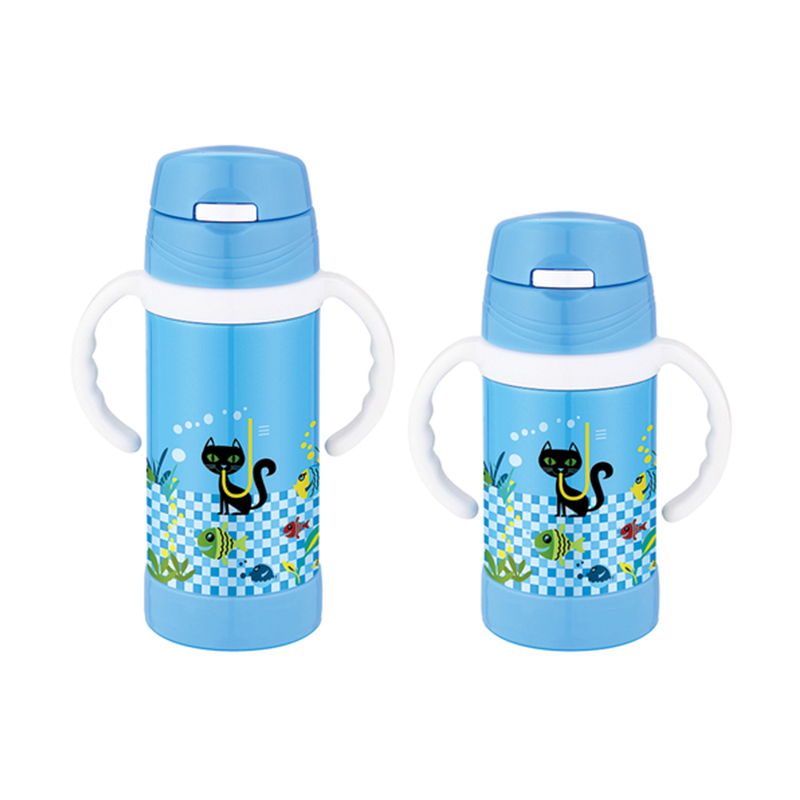
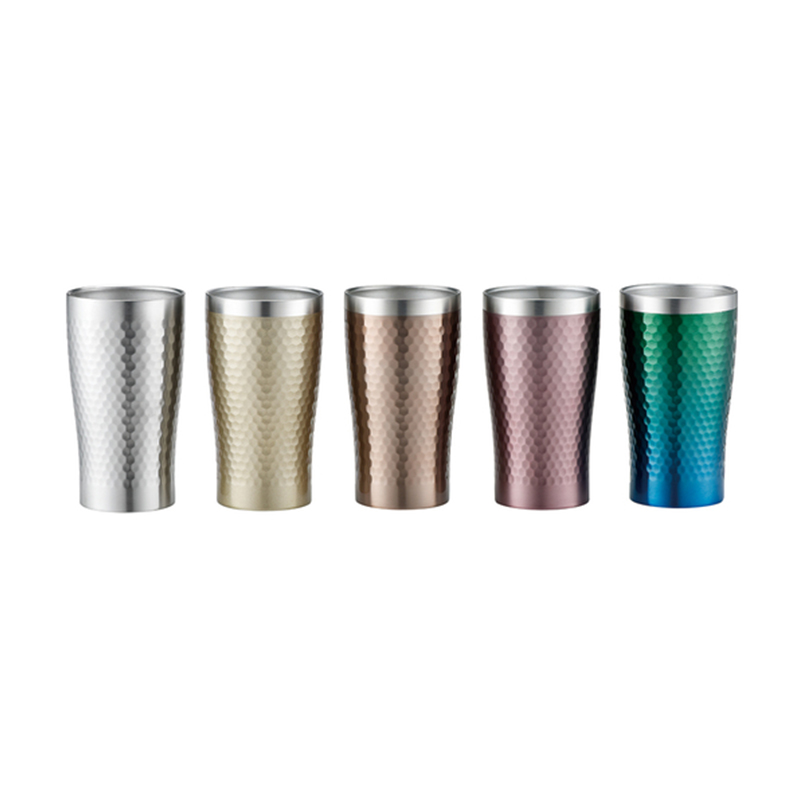
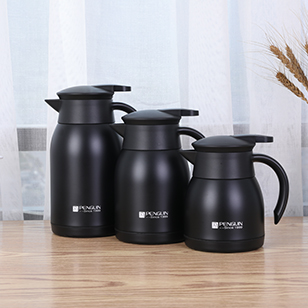
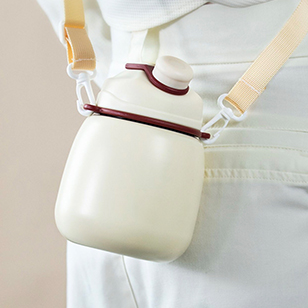
A Thermos Flask Cup with Handle represents another possible product direction for users who prefer a more cup-like format on their desk. Its structure can combine the familiar appearance of a drinking cup with the temperature-retaining concept associated with insulated drinkware more broadly.
The important design point here is that the beverage determines part of the product relationship from the outset. Coffee, tea, and water may all get served in the same general category of container, but their role within the office can differ quite a bit depending on the person.
Manufacturers can respond by creating product families that cover different office beverage preferences across their catalog. The focus can remain on practical drink use, rather than simply adding decorative differences that don't serve a purpose.
Why Do Outdoor Beverages Require a Different Design Approach?
Outdoor activities genuinely change the way beverages get consumed compared to sitting at a desk. People may be walking, traveling, exercising, or spending time away from a fixed desk entirely. Their beverage container becomes part of an active daily environment that shifts throughout the day.
Water is often central to this type of use, but other drinks can also remain relevant depending on the activity. Some users may prefer tea or coffee during outdoor breaks between tasks, while others may carry cold beverages during recreational activities on a warm afternoon.
| Outdoor Factor | Design Response Needed |
|---|---|
| Active movement | Secure grip and stable carrying |
| Temperature swings | Reliable insulation performance |
| Gradual consumption | Easy repeated access |
| Varied environments | Durable structural build |
| Extended time away | Longer retention window |
The product therefore needs to get designed around the characteristics of outdoor beverage use specifically. Temperature retention, material suitability, structural durability, and simple beverage access can all influence the development process from the earliest stages.
Outdoor conditions can also create greater variation in how the flask gets handled throughout a single outing. A product may move between warm and cool environments or get used during different parts of the day entirely. Manufacturers need to consider these changes when developing the overall structure of the flask.
The goal isn't creating a separate product for every single outdoor activity imaginable. A well-planned product family can address several use cases by changing selected design elements, while retaining a consistent material concept across the whole range.
This creates a genuine connection between beverage type and lifestyle habits. A cool water flask may naturally fit outdoor exercise routines, while a hot beverage flask may be more closely associated with travel, breaks, or outdoor leisure time.
How Can Commuting and Desktop Use Shape Flask Development?
Commuting creates a genuine transition between different environments within a single morning. A person may begin the day at home, travel to work, and then spend several hours at a desk without much change in beverage. One beverage container can therefore experience several genuinely different use contexts within the same day.
This makes versatility a genuinely important product-development concept worth prioritizing. A flask should get designed around the beverage requirements that remain relevant across these transitions, rather than being tied too closely to one single location.
A coffee-filled flask may begin as a morning travel companion and later become a desktop drink container sitting beside a keyboard. A water flask can follow a similar path, moving between commuting, work, exercise, and leisure without missing a beat.
| Transition Point | Product Requirement |
|---|---|
| Home to transit | Secure sealing during movement |
| Transit to desk | Smooth shift to stationary use |
| Desk to break area | Easy portability |
| Break to exercise | Handles active movement |
| Return home | Withstands full-day cycle |
Desktop use also changes the role of the product quite noticeably once it settles into one spot. When the flask remains in one place for longer periods, its visual form and serving behavior become a lot more noticeable to the user themselves. Users may interact with the product repeatedly throughout the day without thinking much about it.
This is where a Thermos Flask Cup with Handle can represent a genuinely different design direction worth considering. Its form may create a stronger connection with traditional cup use, while other flask designs may retain a more bottle-like character throughout.
Manufacturers can therefore develop different forms around the same broad beverage requirements shared across a product line. The distinction comes from how the product gets expected to function within the user's daily routine as it unfolds.
What Are Stainless Steel Vacuum Flask Manufacturers Considering in New Product Development?
Stainless Steel Vacuum Flask Manufacturers are working within a market where beverage preferences continue diversifying at a steady pace. Product development needs to account for a lot more than temperature retention alone. Beverage type, daily context, material selection, product form, and user expectations can all influence the final design significantly.
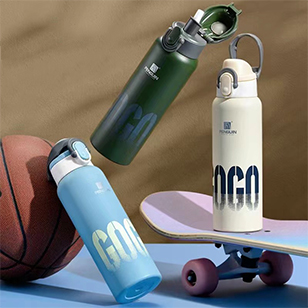
One approach involves creating a flexible product platform that adapts easily. A common stainless steel foundation can support different exterior forms and beverage-focused variations across a whole catalog. This allows manufacturers to explore products for offices, commuting, outdoor use, and desktop environments without starting from scratch each time.
| Development Approach | Practical Outcome |
|---|---|
| Flexible platform | Supports varied exterior forms |
| Beverage-specific differentiation | Matches product to drink type |
| Component-level review | Aligns lids and openings with use |
| Shared material foundation | Reduces development complexity |
| Product family thinking | Covers multiple daily contexts |
Another approach involves differentiating products according to genuine beverage requirements rather than surface appearance alone. Coffee-oriented products can get developed around the experience of carrying and consuming hot drinks, while water-oriented products can focus on general daily hydration needs instead.
Product developers can also examine how lids, openings, internal surfaces, and outer structures work together as a system. These elements influence how the beverage gets contained and consumed, so their design needs to genuinely match the intended use rather than following habit alone.
The same principle applies to product families sold under one brand. A Bullet Thermos Flask may provide one visual direction, while a Thermos Flask Cup with Handle can offer another entirely. Both can get developed around stainless steel construction, while addressing genuinely different relationships between the user and the beverage they carry.
As drink preferences continue diversifying across markets, manufacturers have more opportunities to connect material selection with product purpose in meaningful ways. The development process can begin with a simple question worth returning to often: what kind of beverage is the product expected to support, and what does that beverage actually require from the container during everyday use?

- Quick Links
- Home
- Customization
- Products
- News
- About
- Manufacturing
- Contact Information
- Tel : +86-579-86600888
- Phone : +86-18967438668
- Email : [email protected]/ [email protected]
- Add : Area A, Jinyidong Industrial Zone, Huashui Town, Dongyang City, Zhejiang Province, China
- Contact Us

