


 English
  日本語
日本語  Deutsch



Industry News
How Many Types of Water Bottles Are There?
2025-12-19
Stainless Steel Water Bottles: Durable and Insulated
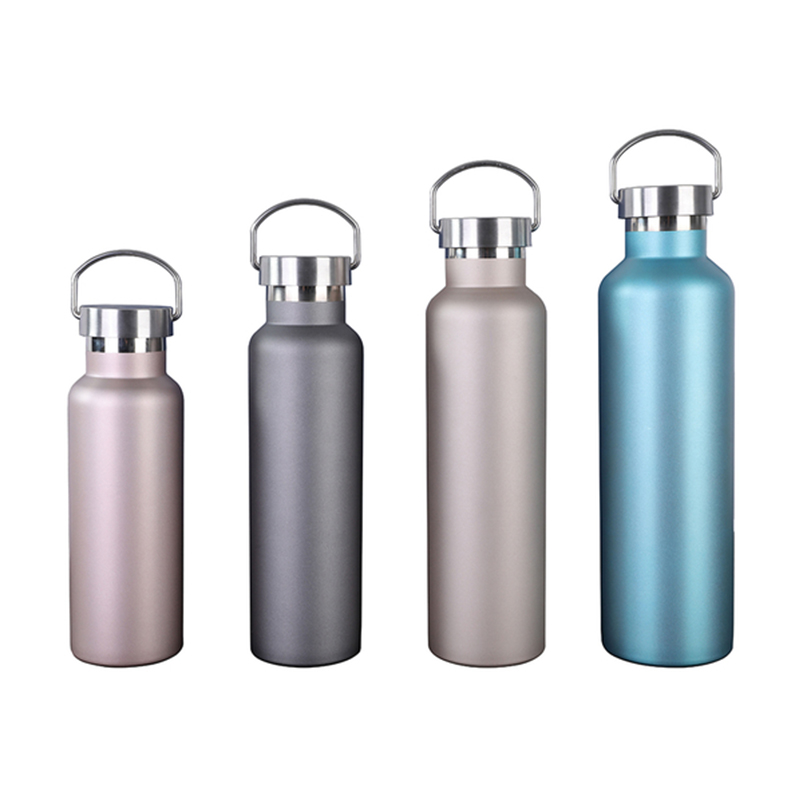
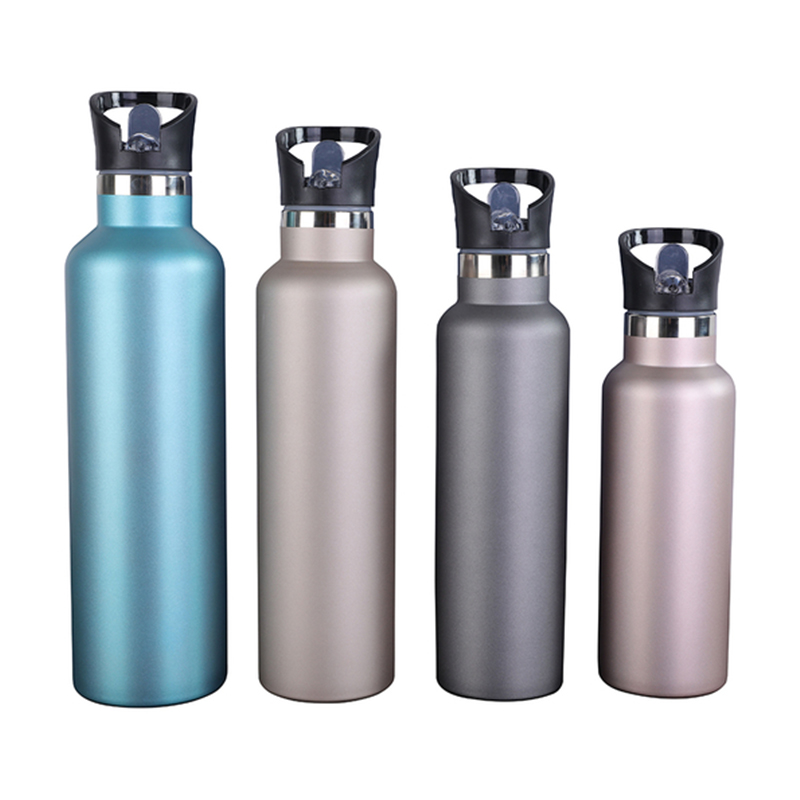
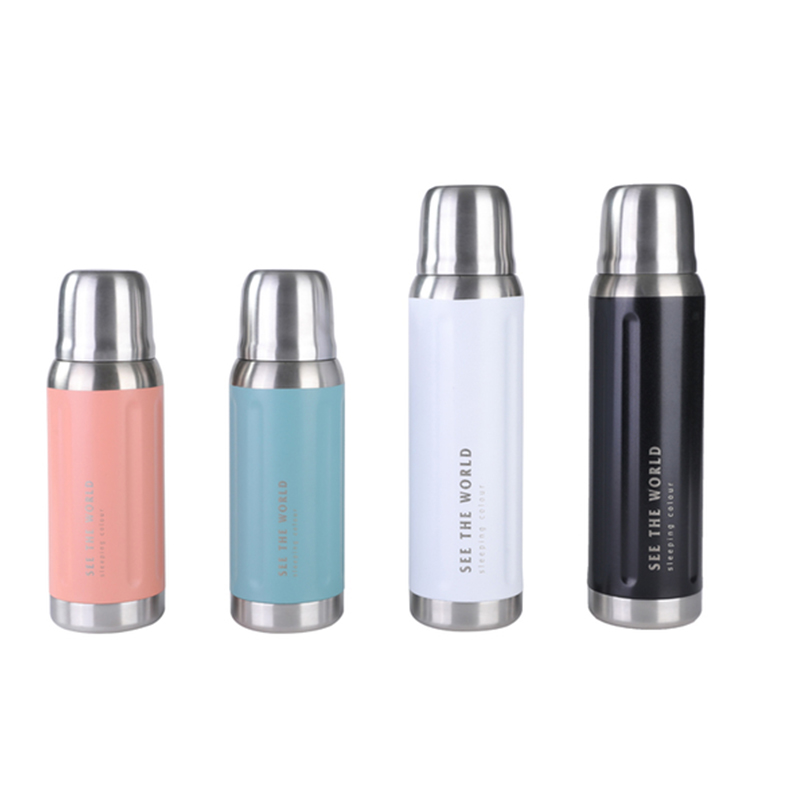
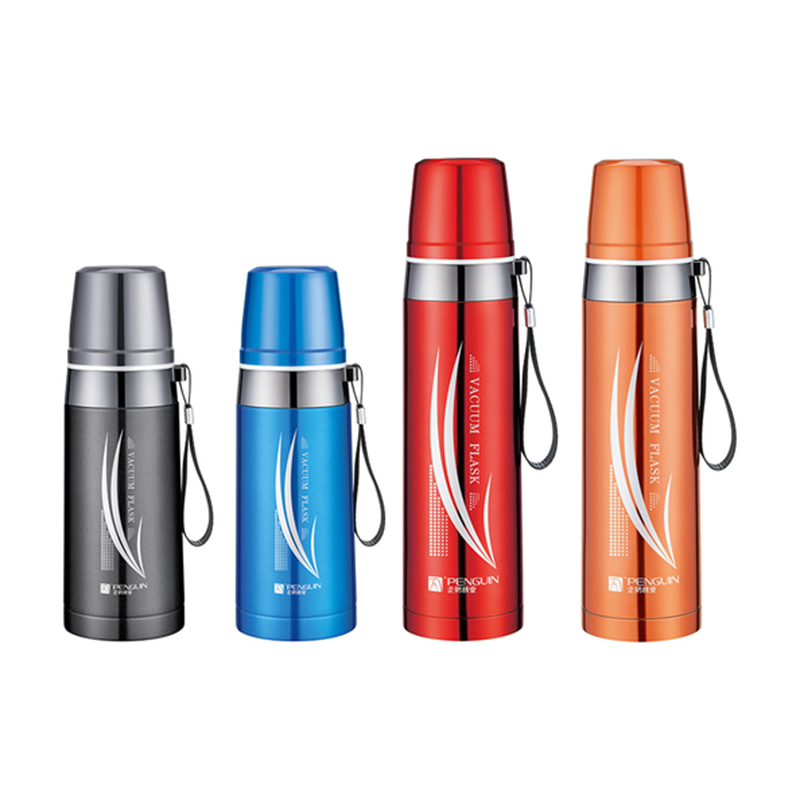
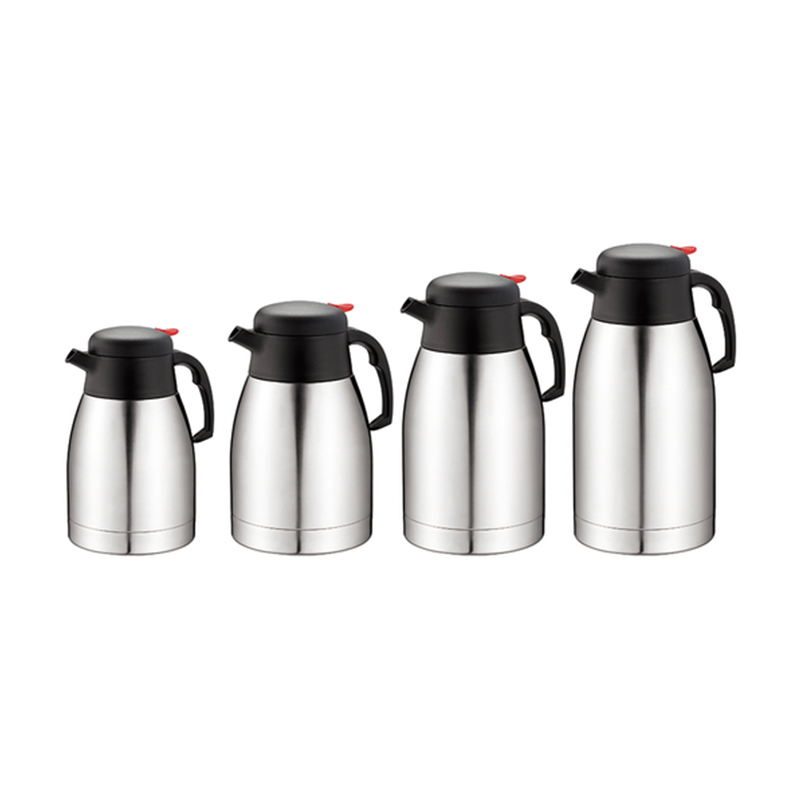
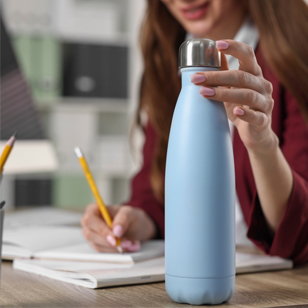
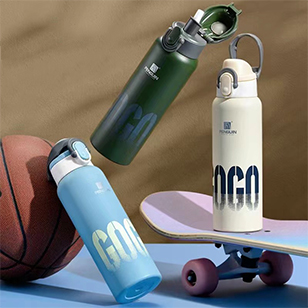
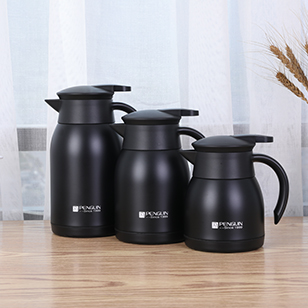
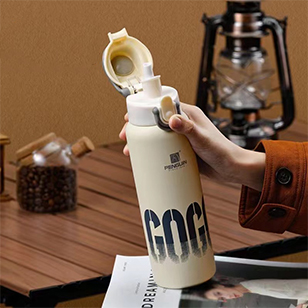
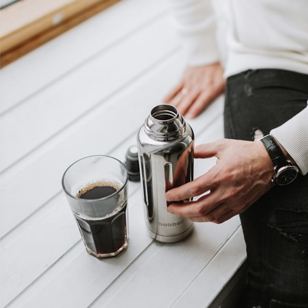
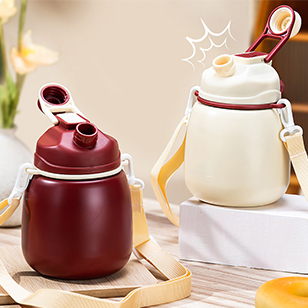
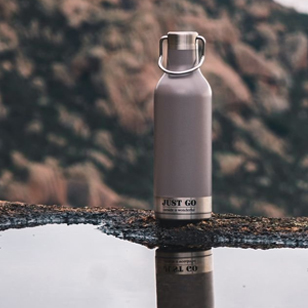
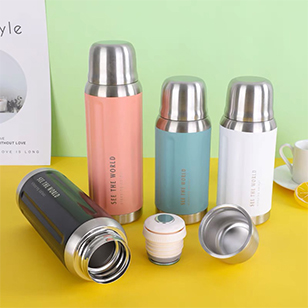
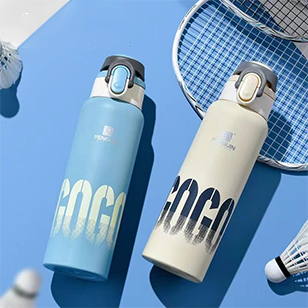
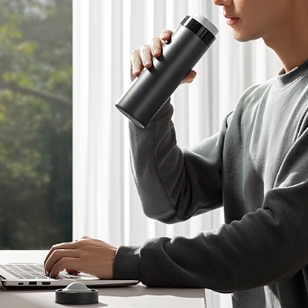
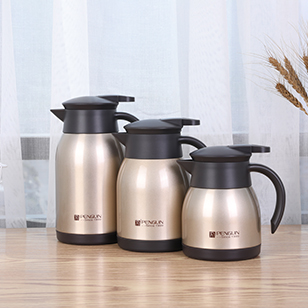
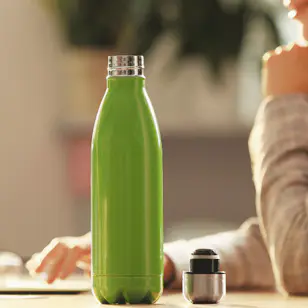
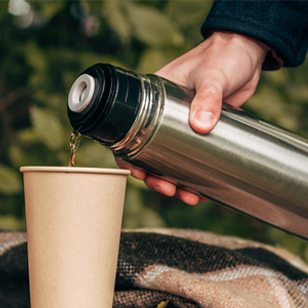
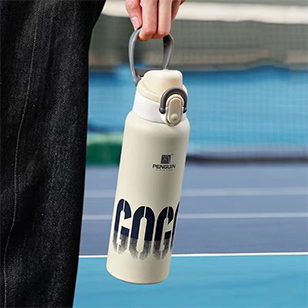
Stainless steel bottles are widely used due to their strength, resistance to corrosion, and ability to maintain temperature.
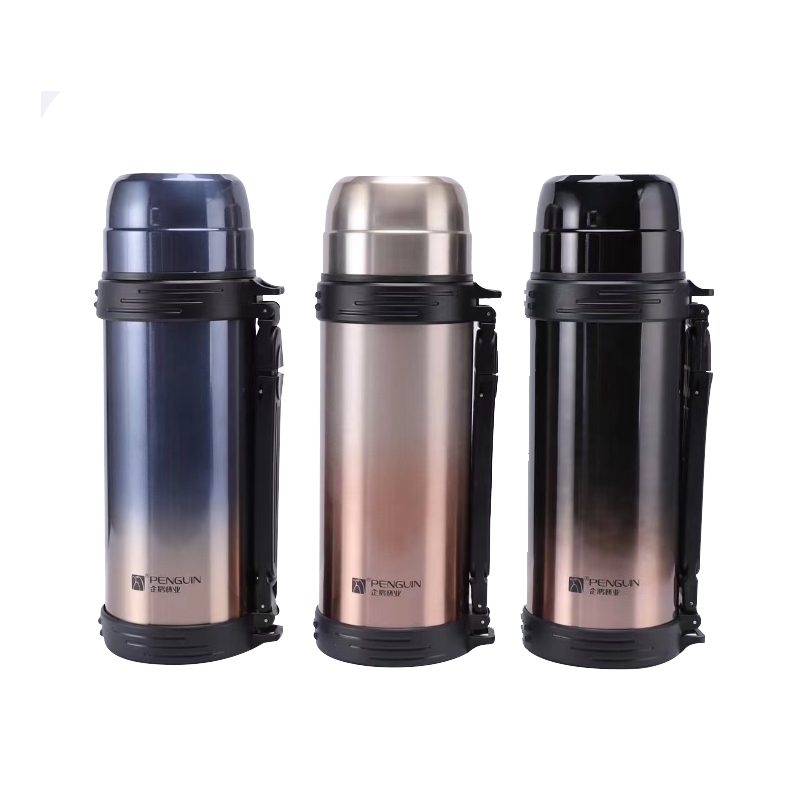
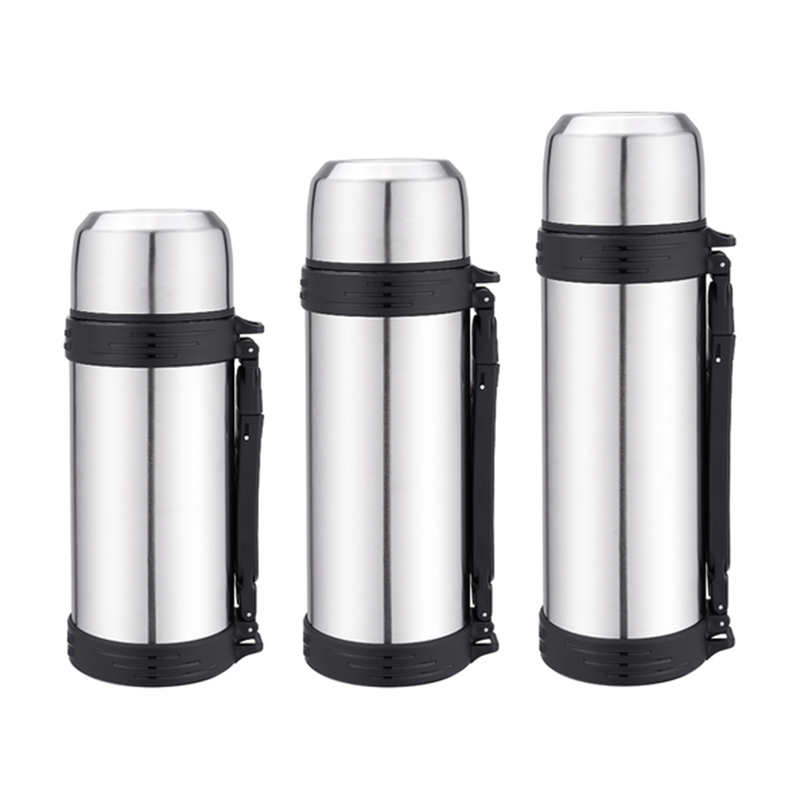
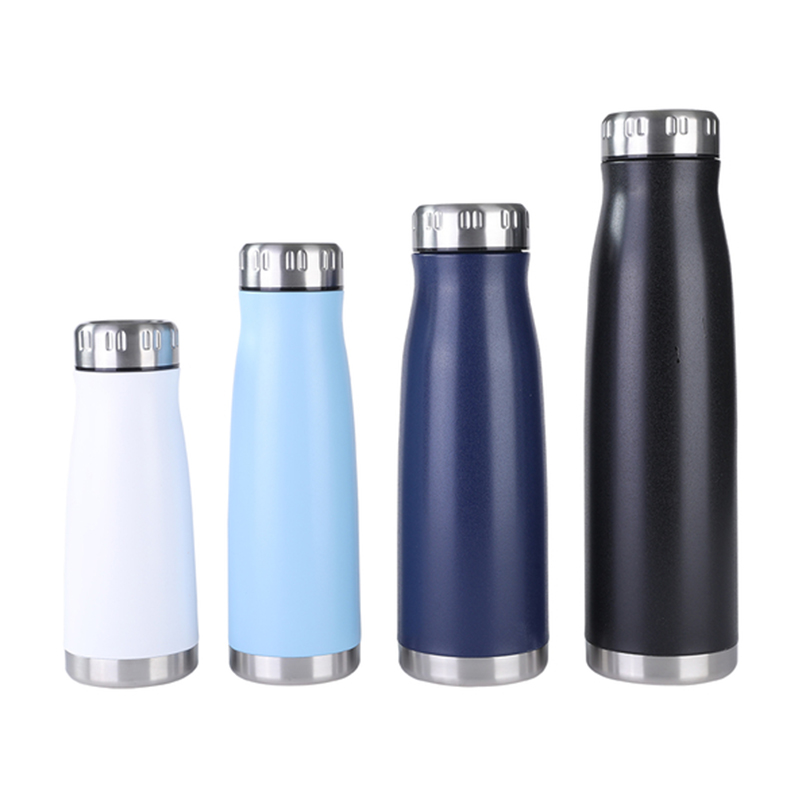
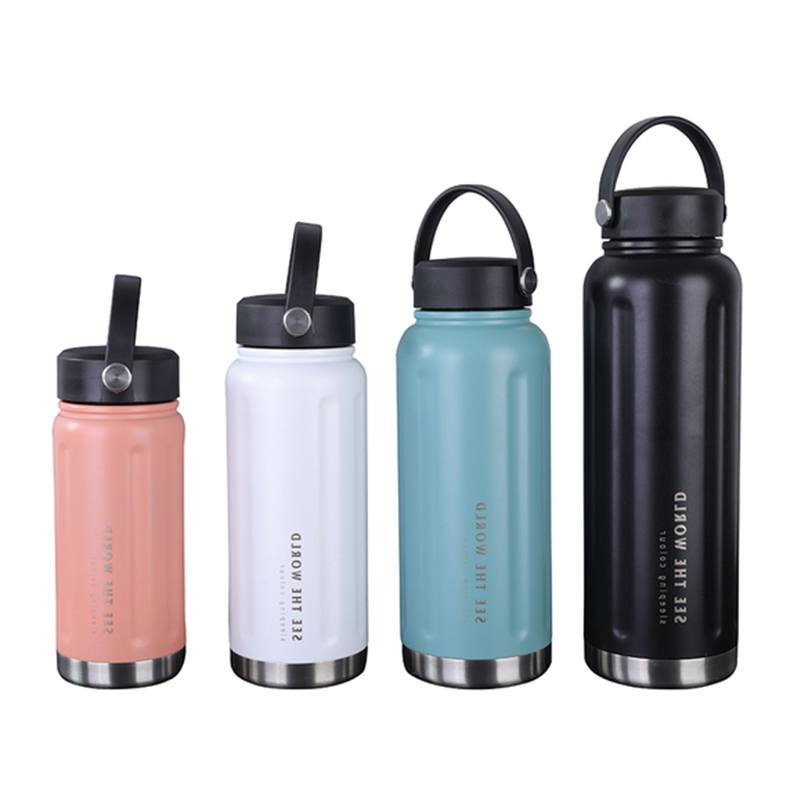
Structure and Material: These bottles are made from food-grade stainless steel, often with double-walled construction to provide insulation. Some models have vacuum insulation, which helps maintain the temperature of hot or cold beverages for several hours. Caps are usually made from stainless steel, BPA-free plastic, or silicone to ensure a tight seal.
Function: Stainless steel bottles are durable and do not react with beverages, preserving taste and safety. Vacuum-insulated bottles can keep water cold or drinks warm for extended periods. They are suitable for daily use, outdoor activities, and long commutes.
Applications: Commonly used by travelers, office workers, and athletes, stainless steel bottles are ideal when durability and temperature retention are priorities. They are also preferred in environments where glass or plastic bottles may break or degrade.
Plastic Water Bottles: Lightweight and Portable
Plastic bottles are popular due to their light weight, affordability, and variety of designs.
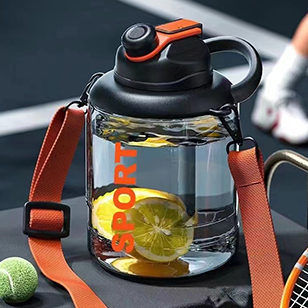
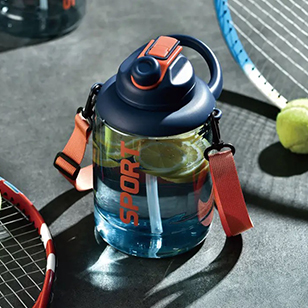
Structure and Material: These bottles are typically made from polyethylene, polypropylene, or PET (polyethylene terephthalate). Some reusable plastic bottles are BPA-free, which makes them safer for daily use. They often include screw-on or flip-top lids for easy drinking.
Function: Plastic bottles are lightweight, making them easy to carry during sports, hiking, or daily commutes. They are resistant to breaking, which makes them practical for children or outdoor activities. Some plastic bottles have measurement markings for tracking water intake.
Applications: Plastic bottles are used for school, gym, hiking, and casual daily activities. Single-use plastic bottles are also common in commercial packaging for bottled water, although environmental concerns have prompted a shift toward reusable options.
Glass Water Bottles: Taste Preservation and Safety
Glass bottles are chosen for their neutral material, which does not affect the taste of water or beverages.
Structure and Material: Glass water bottles are made from tempered or borosilicate glass to reduce the risk of breaking. They often have protective silicone sleeves to prevent shattering and provide a better grip. Caps may be stainless steel, plastic, or bamboo.
Function: Glass bottles preserve the original taste of water or other beverages without imparting odors or chemicals. They are non-reactive, making them suitable for flavored drinks, tea, or infused water.
Applications: Glass bottles are ideal for office use, home use, or indoor activities where durability during transport is less of a concern. They are also chosen for eco-conscious consumers due to their recyclability.
Collapsible Water Bottles: Space-Saving Convenience
Collapsible bottles are designed for portability, especially when storage space is limited.
Structure and Material: These bottles are usually made from flexible silicone or BPA-free plastic. They can be folded or rolled when empty and expanded when filled with liquid. Caps are often attached with a strap or loop for convenience.
Function: Collapsible bottles save space in bags, backpacks, or luggage, making them suitable for travel or outdoor activities. They are lightweight and easy to clean, often with wide openings for ice cubes or fruit infusions.
Applications: These bottles are commonly used by travelers, hikers, and people with limited storage space. They are convenient for activities where carrying a rigid bottle may be cumbersome.
Water bottles are versatile items that meet a variety of needs in everyday life. Stainless steel bottles provide durability and temperature retention, making them suitable for outdoor activities and long-term use. Plastic bottles are lightweight and portable, ideal for school, gym, or casual daily use. Glass bottles preserve taste and provide chemical-free storage, making them suitable for indoor or office settings. Collapsible bottles offer space-saving convenience for travel and outdoor activities. Understanding the types of water bottles allows users to choose the most appropriate option based on durability, portability, material safety, and specific use cases. By selecting the right bottle, individuals can maintain hydration efficiently and conveniently while accommodating their lifestyle.


- Quick Links
- Home
- Customization
- Products
- News
- About
- Manufacturing
- Contact Information
- Tel : +86-579-86600888
- Phone : +86-18967438668
- Email : [email protected]/ [email protected]
- Add : Area A, Jinyidong Industrial Zone, Huashui Town, Dongyang City, Zhejiang Province, China
- Contact Us

