


 English
  日本語
日本語  Deutsch



Industry News
What Should You Know About Water Bottles for Sports?
2025-12-26
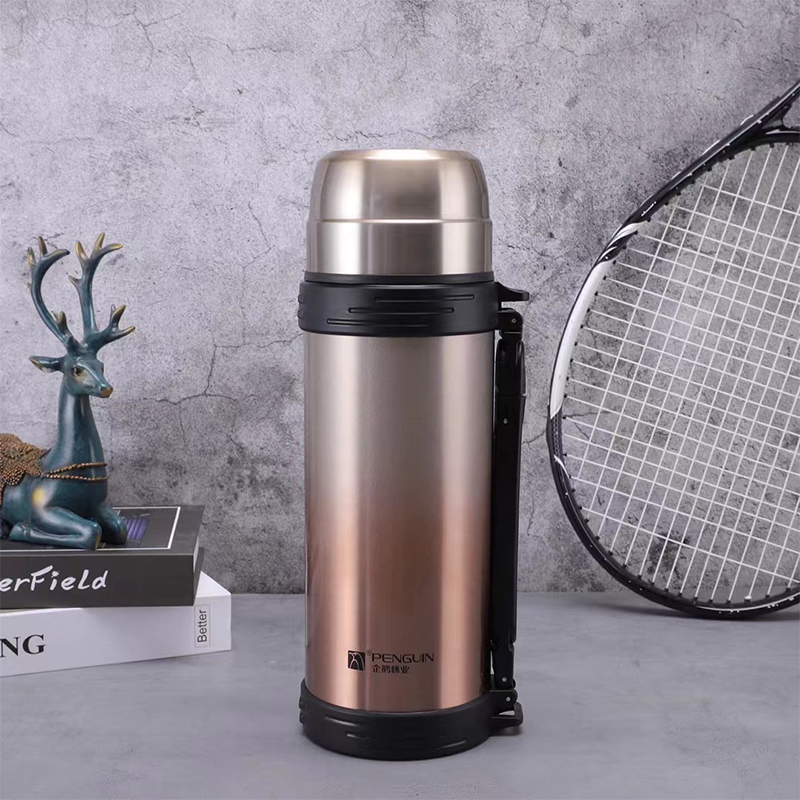
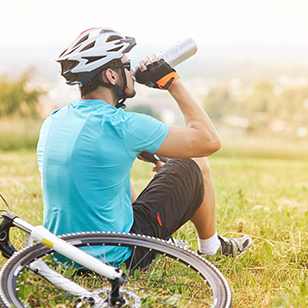
Water bottles for sports are designed to provide convenient and safe hydration during physical activities. They are commonly used by athletes, gym-goers, cyclists, runners, and outdoor enthusiasts. These bottles are not only designed to hold liquids but also to support ease of use, durability, and hygiene during exercise. Understanding water bottles for sports from multiple perspectives helps in choosing the suitable type for specific activities. The following sections examine these bottles from four aspects.
Design and Usability
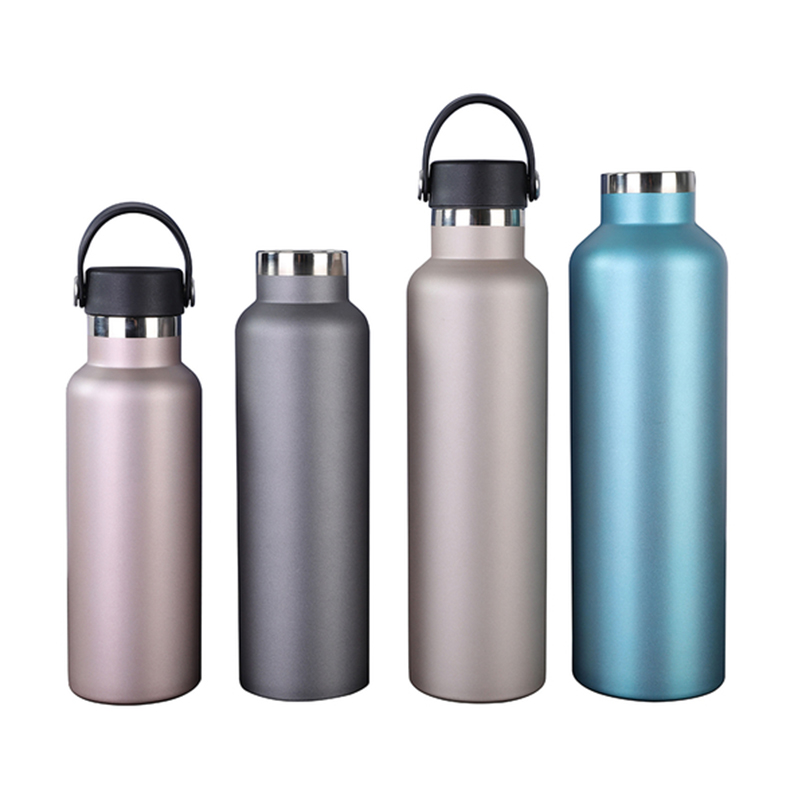
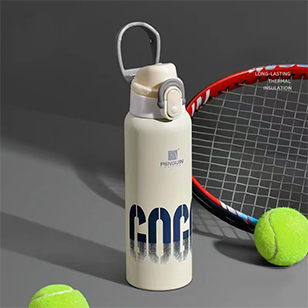
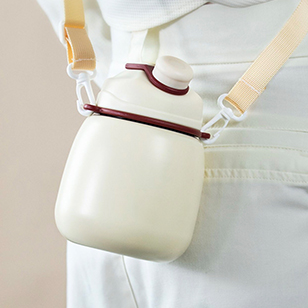
Sports water bottles are designed to be easy to carry and use during physical activities. Many feature ergonomic shapes that fit comfortably in the hand or in bicycle bottle holders. Lightweight materials, such as BPA-free plastics or aluminum, are commonly used to reduce the effort of carrying the bottle during exercise.
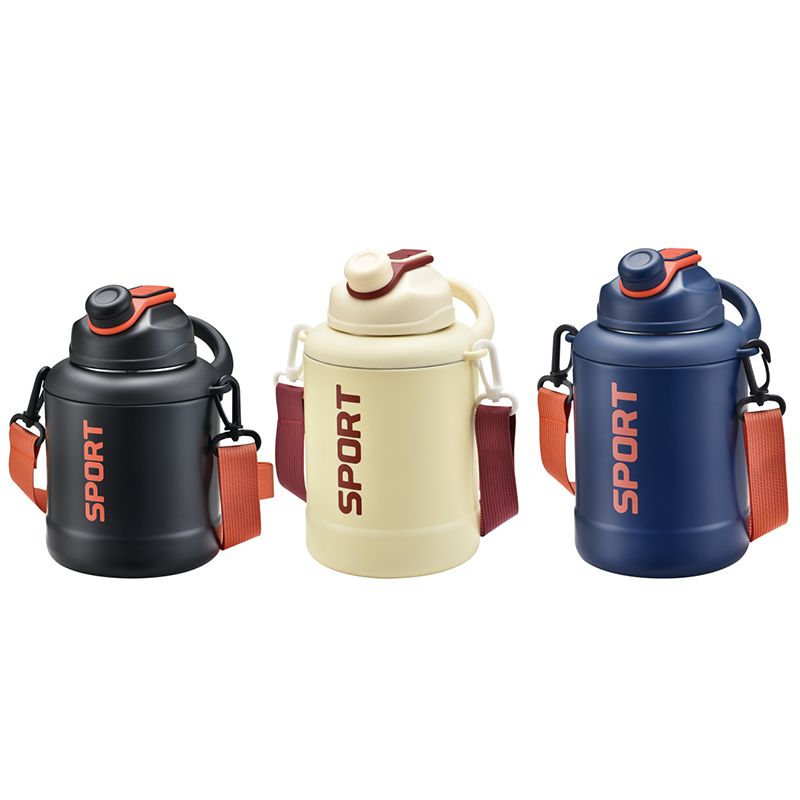
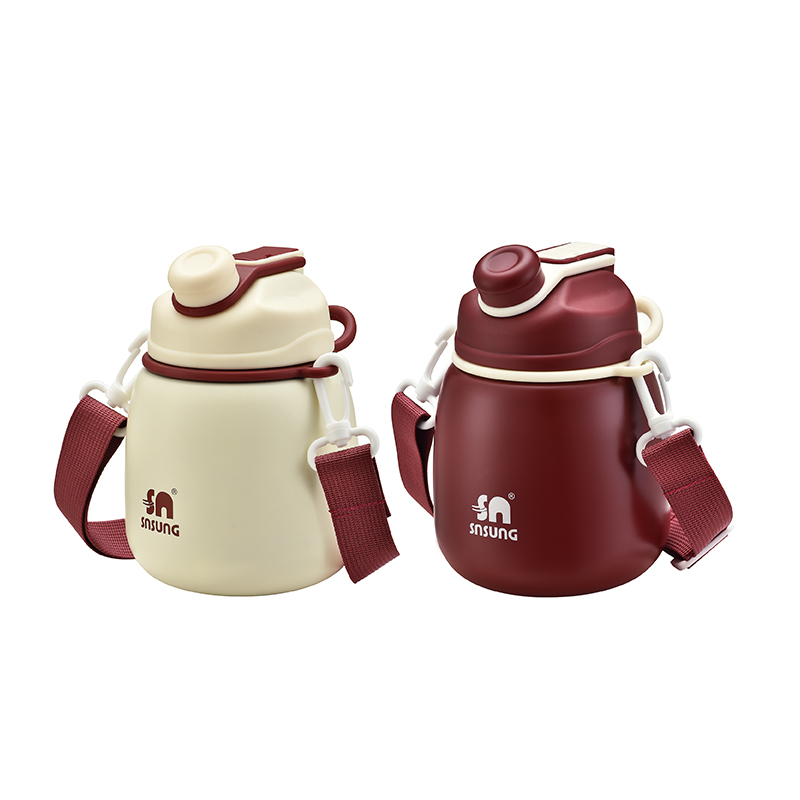
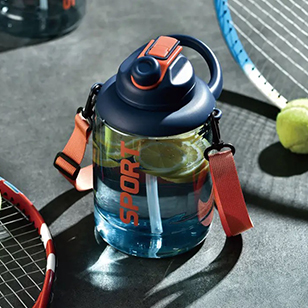
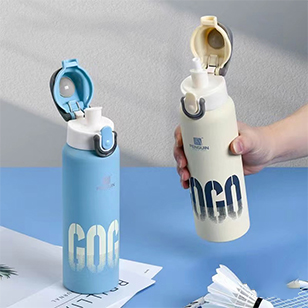
The usability of sports water bottles also includes the drinking mechanism. Some bottles have flip-top lids, push-pull spouts, or straws to allow quick sips without stopping activity. Wide-mouth openings are used in other designs to allow for easy filling, cleaning, and the addition of ice cubes. Overall, the design prioritizes convenience, portability, and ease of access while exercising.
Material and Safety
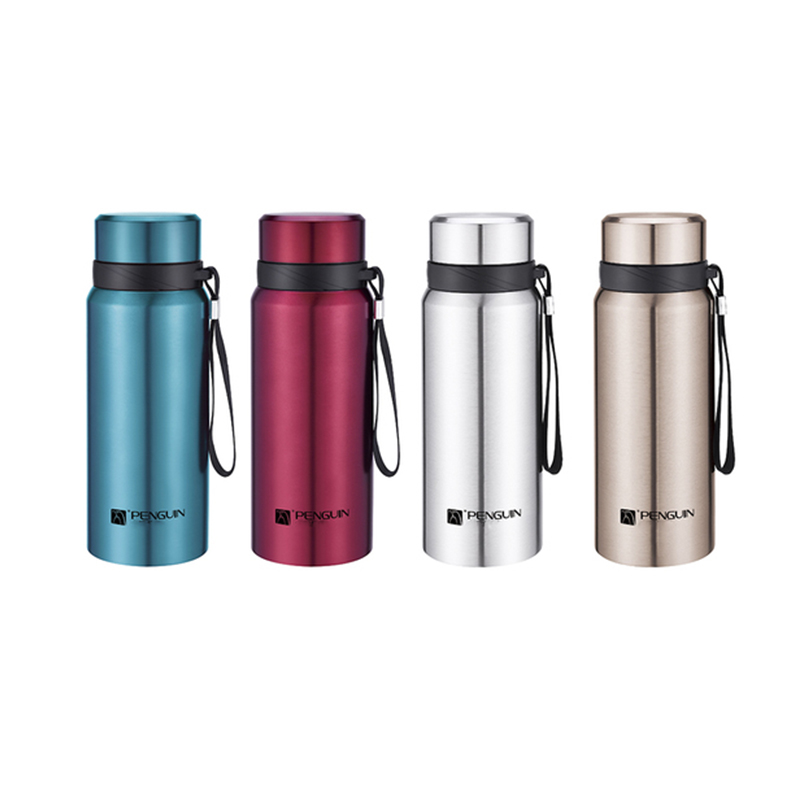
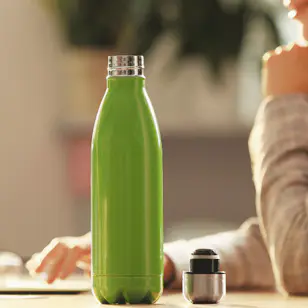
The materials used in sports water bottles are an important consideration for safety and durability. Common materials include BPA-free plastics, stainless steel, and aluminum. BPA-free plastics are lightweight and inexpensive, while stainless steel and aluminum provide more durability and better insulation for temperature control.
Safety is also influenced by the material's resistance to chemical leaching, especially when exposed to sunlight or heat. BPA-free plastics have become a standard for health-conscious users, reducing the risk of harmful substances entering the liquid. Stainless steel bottles are also valued for their resistance to corrosion and their ability to maintain hygiene over time. Material choice affects the bottle's lifespan, ease of cleaning, and safety for repeated use.
Capacity and Functionality
Sports water bottles come in various capacities to suit different types of activities. Smaller bottles of 300–500 milliliters are common for running or short workouts, while larger bottles of 750–1000 milliliters or more are used for cycling, hiking, or team sports where hydration over a longer period is required.
Functionality also includes features such as measurement markings for monitoring fluid intake, insulation for keeping liquids cold or hot, and leak-proof seals to prevent spillage during activity. Some bottles are compatible with hydration packs or can accommodate electrolyte powders and supplements. Choosing a bottle with the right capacity and functionality ensures effective hydration and convenience during exercise.
Maintenance and Durability
Maintenance is an essential aspect of sports water bottles to ensure hygiene and long-term use. Bottles with wide openings are easier to clean by hand or in a dishwasher. Removable lids, straws, or silicone seals allow users to reach all areas for thorough cleaning. Regular cleaning prevents bacterial growth and preserves the taste of the water.
Durability is influenced by the material and construction. Stainless steel bottles resist dents and cracks, while high-quality plastics withstand impact without breaking. Leak-proof designs and reinforced lids also contribute to longer lifespan and safe transport in sports bags. Considering maintenance and durability helps users select a bottle that remains functional and safe over repeated use.

- Quick Links
- Home
- Customization
- Products
- News
- About
- Manufacturing
- Contact Information
- Tel : +86-579-86600888
- Phone : +86-18967438668
- Email : [email protected]/ [email protected]
- Add : Area A, Jinyidong Industrial Zone, Huashui Town, Dongyang City, Zhejiang Province, China
- Contact Us

