


 English
  日本語
日本語  Deutsch



Industry News
How Vacuum Stainless Steel Flasks Prevent Heat Loss
2026-05-08
There is something quietly irritating about a drink that has already given up on you. Coffee poured at seven, lukewarm by eight. Ice water that turns tepid before noon. The temperature does not hold, and the container is almost never blamed — but it should be. Heat moves through walls, escapes through gaps, and radiates outward without asking permission. The engineering behind Vacuum Stainless Steel Flasks is a direct response to that reality, built to slow the process down enough that it stops being a daily inconvenience.
Why Drinks Lose Temperature So Quickly in Ordinary Containers
Heat Transfer Is Always Working Against You
Temperature loss is not a product failure — it is physics. Heat moves naturally from warmer areas toward cooler ones, and it does not take a shortcut. It works through three distinct pathways: conduction, convection, and radiation. A standard single-wall cup surrenders to all three at once.
Conduction pulls heat through direct material contact — a warm drink against a thin wall, the wall against cooler air. Convection circulates that warmth through the movement of air or liquid around the container. Radiation sends heat outward as invisible infrared energy, no contact needed. A container that leaves any of these pathways open will bleed temperature whether it is sitting on a desk or tucked in a bag.
Why Plastic and Glass Containers Fall Short
Plastic slows conduction a little. Glass is transparent to infrared radiation, which means radiant heat passes straight through it. Neither material is airtight in a way that actually stops convective loss. These are not design flaws exactly — they are just the natural limits of materials that were not built for sustained thermal performance. A glass double-wall mug looks elegant and works reasonably well for a short while. Over a full day, the difference becomes hard to ignore.
The Science Behind Vacuum Insulation
How Does a Vacuum Layer Stop Heat Transfer?
Pull the air out of the space between two walls, and something interesting happens. Conduction drops sharply — without molecules bridging the gap, there is almost nothing to carry heat across. Convection stops entirely because there is no air to circulate. Two of the three heat transfer pathways are effectively closed by a single structural decision: evacuating that space.
What the vacuum cannot address is radiation. That is handled separately.
Reflective Coatings Address Radiant Heat Loss
A reflective coating on the inner wall surface acts as a mirror for infrared energy. Rather than letting heat pass through, it bounces it back toward the contents of the flask. Not perfectly — nothing is — but enough to make a meaningful difference when combined with the vacuum layer.
Together, these two elements close off all three heat transfer pathways. Conduction and convection are blocked by the vacuum. Radiation is reduced by the reflective surface. The drink inside sits in a space that is largely cut off from the temperature of the world outside the flask.
Why Stainless Steel Is the Preferred Material
Structural Durability Supports Long-Term Vacuum Integrity
The vacuum does not maintain itself. It depends entirely on the walls around it staying intact and sealed over time. Warp the container, crack it, or let a tiny seal failure develop, and the vacuum begins to degrade. Stainless steel holds its shape under repeated impact, resists deformation across a wide temperature range, and does not corrode in ways that compromise structural seals.
That is why it became the standard. Not just for looks or because it is easier to clean — because a flask that loses its vacuum within a year is a product that fails at its core function, and stainless steel makes that kind of failure much less likely.
Stainless Steel Does Not Affect Taste or Safety
Coffee tastes like coffee. Water tastes like water. That might seem obvious, but it is not automatic. Reactive materials — certain plastics, some coated metals — transfer flavors over time, especially under heat or with acidic drinks. Stainless steel does not. It is food-grade, non-porous, chemically inert with the contents of the flask. Leave hot tea in it for hours, and the flavor is unchanged.
It also does not release anything under heat — no chemical compounds, no off-flavors. For a container used every day with hot beverages, that matters.
How Does the Lid Design Affect Temperature Retention?
People focus on the body of the flask and forget about the lid. It is worth paying attention to. A loose-fitting lid creates an opening where warm air escapes and cooler air enters. The seal quality at the rim determines how much temperature loss sneaks through in the moments between sips.
Some lid designs go further, incorporating a layer of insulation within the lid structure itself — a small air pocket or sealed layer that insulates the opening the same way the body insulates the contents. It is a detail, but in a product where details add up, it is one worth noting.
Comparing Vacuum Stainless Steel Flasks to Other Insulated Containers
A side-by-side comparison across container types shows how much ground the vacuum stainless steel design covers relative to the alternatives:
| Container Type | Insulation Mechanism | Hot Retention | Cold Retention | Durability | Taste Neutrality |
|---|---|---|---|---|---|
| Single-wall plastic | None | Low | Low | Moderate | Variable |
| Double-wall glass | Air gap only | Moderate | Moderate | Low | High |
| Single-wall stainless steel | None | Low | Low | High | High |
| Double-wall vacuum stainless steel | Vacuum + reflective coating | High | High | High | High |
| Ceramic-coated vacuum flask | Vacuum + ceramic inner layer | High | High | High | High |
Glass doubles are pleasant to use and adequate for short holds. Plastic does the job at low cost. But when the question is full-day performance across hot, cold, and varied ambient conditions, the vacuum stainless steel design is the only one that covers every variable at once.
Daily Use Scenarios Where Temperature Retention Matters
Office and Commuting Use
A commute, a long meeting, an afternoon at the desk — the expectation is simple. A drink poured in the morning should still be at a reasonable temperature hours later. For hot beverages, that means warm enough to drink without reheating. For cold drinks, chilled enough to be refreshing in the afternoon without adding ice. The sealed lid matters here too, because a flask that carries well in a bag without leaking is one that gets used every day.
Outdoor and Athletic Use
Here is where a non-insulated container falls apart quickly. Direct sun, physical exertion, ambient temperatures that may be significantly warmer or cooler than the drink inside — the temperature differential across the container wall is larger, and the rate of loss in an uninsulated bottle becomes obvious within an hour.
The vacuum layer works the same way regardless of how large that differential is. A cyclist in summer heat gets cold water that stays cold through a long ride. A hiker in cool weather gets hot coffee that holds its warmth through a morning on the trail. The environment changes; the insulation does not.
Travel and Extended Duration Use
Long travel is hard on drinks. A hot beverage on an overnight flight, cold water through a long layover, a tea that needs to last the length of a train journey — refilling is not always possible, and the contents need to stay usable. The stainless steel shell also handles the physical reality of travel: bags get thrown, overhead compartments are not gentle, and a container that dents or cracks under pressure is not worth packing.
What to Look for When Evaluating a Vacuum Flask
Key Features That Indicate Genuine Insulation Performance
The word "insulated" on a product listing covers a wide range of actual performance. When the details matter, look for:
- Double-wall construction stated explicitly, not implied
- Food-grade stainless steel for both inner and outer walls
- Lid with a proper sealing mechanism, not just a press-fit cover
- Reflective layer mentioned in the interior surface specification
- No plastic components in the inner wall that would interrupt the thermal system
Does the Manufacturing Process Affect Performance?
It does, more than many buyers realize. Evacuating the double-wall space requires controlled conditions and careful sealing at the end of the process. A flask that is sealed correctly maintains its vacuum for years. One that is not will perform well out of the box and then gradually lose insulation quality — the performance declines slowly enough that users often blame their expectations rather than the product.
For buyers sourcing at volume — retail distribution, branded merchandise, corporate supply, or institutional procurement — production consistency in vacuum sealing directly affects whether the product in a buyer's hands performs the same as the sample that was approved.
Choosing the Right Vacuum Stainless Steel Flask for Your Needs
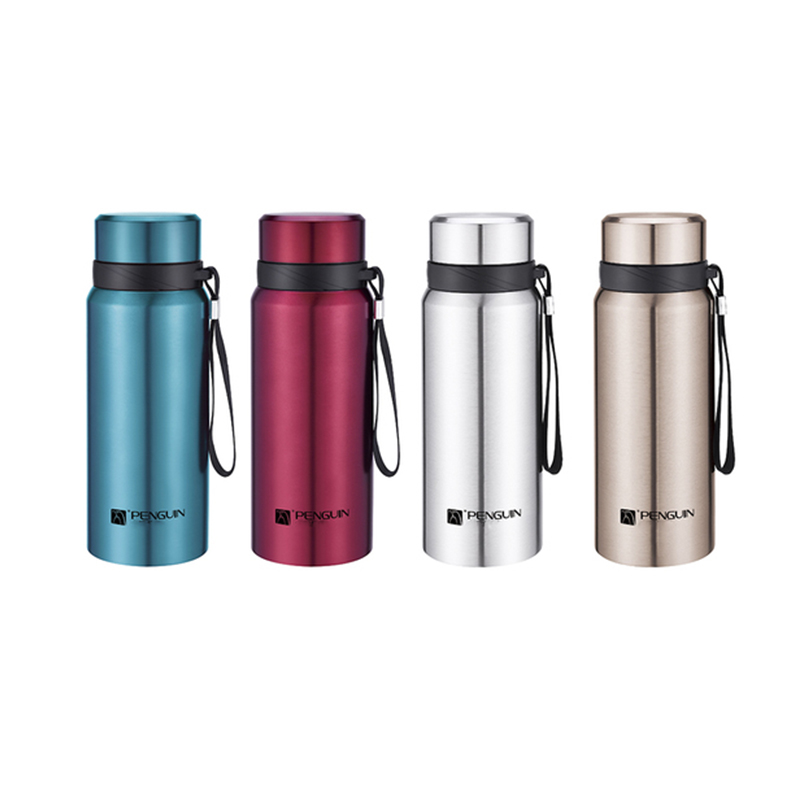
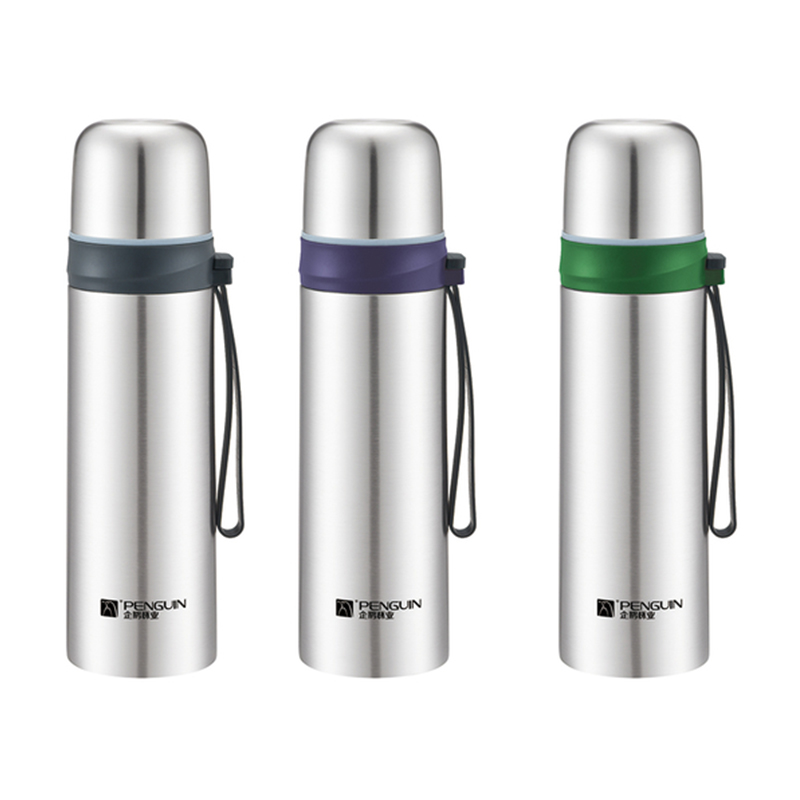
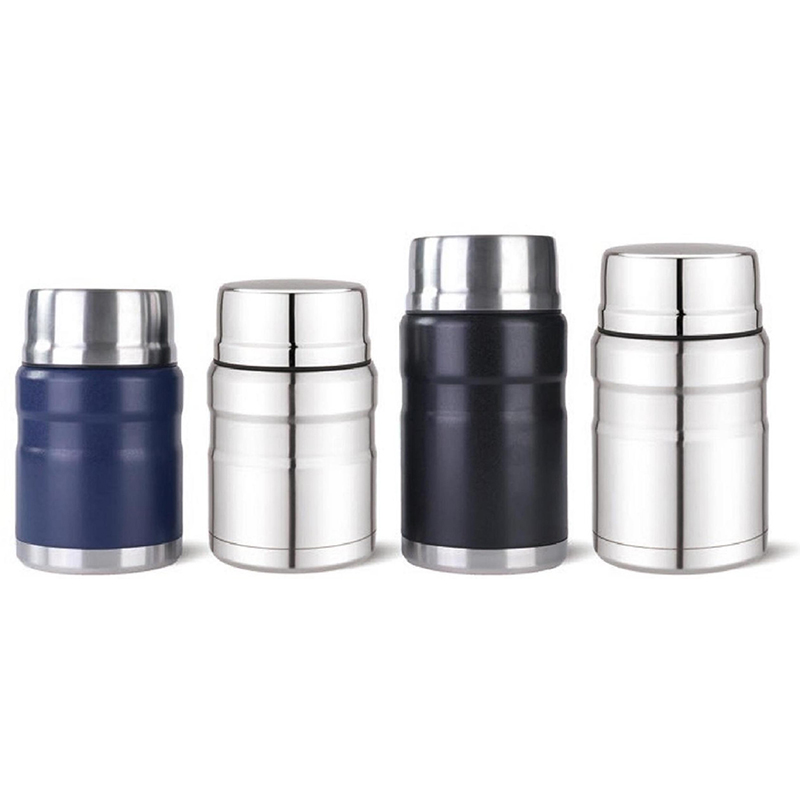
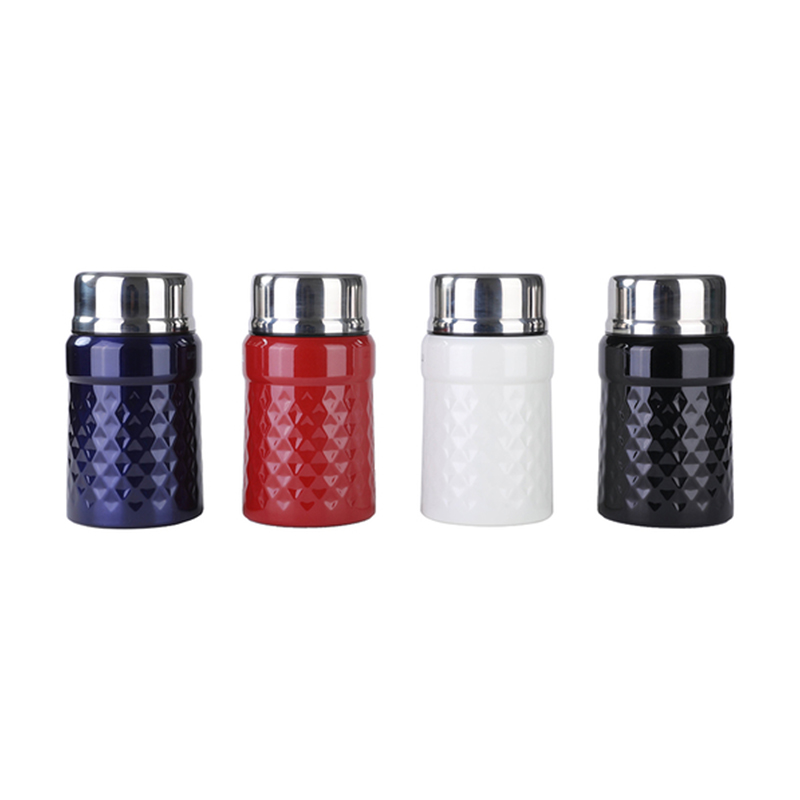
Temperature retention over a full day is a solvable problem, but the solution requires all the parts working together. The vacuum layer, the stainless steel walls, the reflective surface, the sealed lid — take any one of those away, and the others cannot compensate. It is a system, and the quality of each component matters. For those sourcing Vacuum Stainless Steel Flasks at scale — whether for retail, private label, or large-order institutional supply — Zhejiang Yuneng Industry Co., Ltd. offers manufacturing across a range of double-wall vacuum insulated designs, covering different sizes, lid formats, and surface finishes. Getting in touch to discuss specific volumes, configuration options, or product requirements is a practical way to find out whether their production scope lines up with what your sourcing program needs.


- Quick Links
- Home
- Customization
- Products
- News
- About
- Manufacturing
- Contact Information
- Tel : +86-579-86600888
- Phone : +86-18967438668
- Email : [email protected]/ [email protected]
- Add : Area A, Jinyidong Industrial Zone, Huashui Town, Dongyang City, Zhejiang Province, China
- Contact Us

