


 English
  日本語
日本語  Deutsch



Industry News
Precautions for Using BPA-Free Plastic Water Bottles with Handles
2026-05-01
Temperature limitations are the critical precaution. Polypropylene bottles typically withstand temperatures up to 100°C (212°F), making them suitable for hot beverages and dishwasher use. Tritan copolyester, while offering clarity and impact resistance, has a lower heat deflection temperature—typically 80°C to 90°C (176°F to 194°F)—and may warp or deform when exposed to boiling water. Polyethylene bottles, including high-density polyethylene (HDPE) and low-density polyethylene (LDPE), have operating temperatures around 80°C (176°F) but may soften at lower temperatures depending on the specific grade.
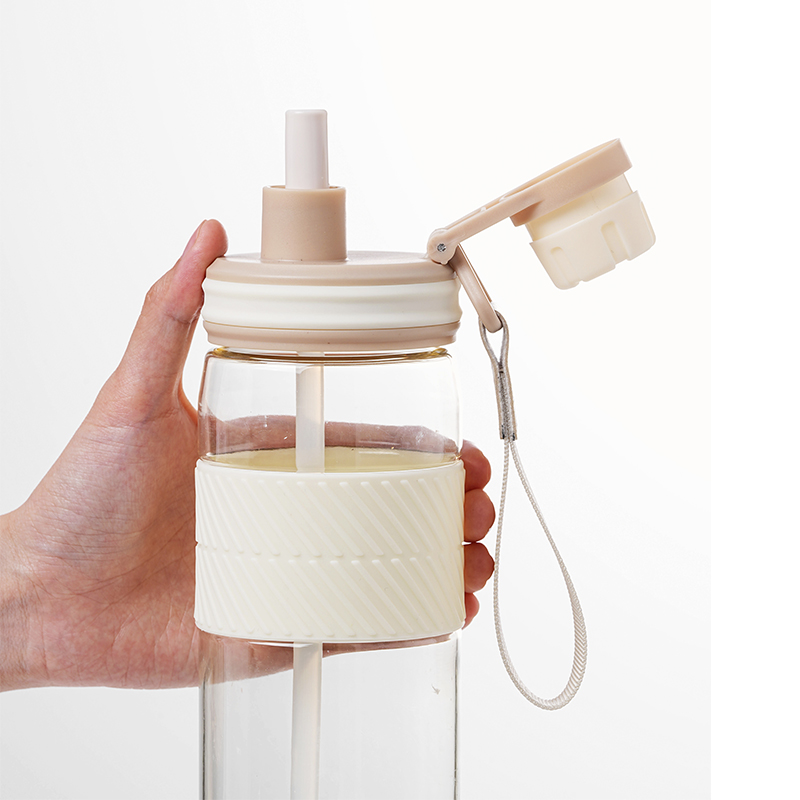
Users should never expose BPA-free plastic bottles to temperatures exceeding the manufacturer's specifications. Common scenarios that violate these limits include:
Pouring boiling water directly into the bottle: While some polypropylene bottles can withstand boiling water, Tritan and polyethylene bottles may deform. Even with heat-resistant bottles, rapid temperature changes can cause stress cracking over time.
Microwave use: Many BPA-free plastic bottles are not microwave-safe. The combination of localized heating, potential for superheating of liquids, and the presence of metal components in handles or lids creates safety hazards and material degradation risks.
Dishwasher top-rack limitations: Many BPA-free bottles are dishwasher-safe only in the top rack, where temperatures are lower. Bottom-rack dishwasher cycles typically reach 70°C to 80°C (158°F to 176°F), which may exceed the heat tolerance of certain materials.
Leaving bottles in vehicles: Interior vehicle temperatures can exceed 60°C (140°F) in summer, and temperatures near windows or on dashboards can reach 80°C (176°F) or higher. Prolonged exposure to these temperatures can cause material degradation and potential leaching.
Material degradation indicators that signal a bottle should be retired include:
Cloudiness or discoloration that does not clean away
Surface cracking or crazing (fine cracks), particularly around the handle attachment points
Persistent odors that remain after thorough cleaning
Warping or distortion of the bottle shape
Changes in texture, such as stickiness or roughness
Users should replace bottles showing these signs, as degradation may compromise structural integrity and increase the potential for chemical migration.
Cleaning Protocols and Bacterial Growth Prevention
BPA-free plastic water bottles, particularly those used for beverages other than plain water, require systematic cleaning to prevent bacterial colonization. The bottle's design—including handle crevices, lid mechanisms, and drinking spouts—creates areas where moisture and organic residues can accumulate, providing environments for bacterial growth.
Daily cleaning requirements vary by usage. For bottles used exclusively for water, a daily rinse with hot water and occasional soap washing may suffice. For bottles used for protein shakes, fruit-infused water, sports drinks, or any beverage containing sugars or proteins, immediate rinsing after use and thorough daily washing with soap are necessary. Sugars and proteins provide nutrients for bacterial growth, and residues left for even a few hours can develop bacterial populations.
Cleaning tools and techniques:
Bottle brushes: Long-handled brushes with soft bristles are essential for reaching the bottom of tall bottles. Nylon bristles are preferred over metal, which can scratch plastic surfaces. Scratches create crevices that harbor bacteria and are difficult to clean.
Lid disassembly: Many bottle lids incorporate multiple components—gaskets, valves, spouts, and hinges—that must be disassembled for thorough cleaning. Manufacturers typically provide instructions for disassembly; failure to clean these components is a common cause of mold growth and unpleasant odors.
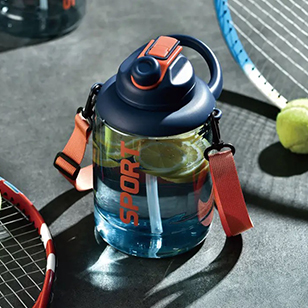
Straw cleaning: Bottles with straw mechanisms require specialized cleaning. Straw brushes (thin, flexible brushes) clean the interior of the straw tube. The straw mechanism's valve and base should be disassembled according to the manufacturer's instructions.
Handle and attachment points: The handle, particularly if it is a separate component attached to the lid or bottle, creates crevices where moisture and debris accumulate. These areas should be inspected and cleaned with small brushes or pipe cleaners.
Sanitization methods:
Hot water: Water at 70°C to 80°C (158°F to 176°F) effectively sanitizes plastic surfaces. However, water at this temperature may exceed the heat tolerance of some materials. Users should verify temperature limits before using hot water sanitization.
Bleach solution: A solution of one tablespoon of unscented household bleach per gallon of water can be used for sanitization. The solution should contact all surfaces for 2 to 5 minutes, followed by thorough rinsing. Bleach should not be used on bottles with aluminum or metal components that may corrode.
Vinegar: White distilled vinegar is an effective sanitizing agent for removing mineral deposits and mild odors. A solution of equal parts water and vinegar can be left in the bottle overnight, followed by thorough rinsing.
Dishwasher: For dishwasher-safe bottles, the top rack cycle with heated drying provides effective sanitization. However, repeated dishwasher cycles may accelerate wear on plastic materials and degrade lid gaskets.

- Quick Links
- Home
- Customization
- Products
- News
- About
- Manufacturing
- Contact Information
- Tel : +86-579-86600888
- Phone : +86-18967438668
- Email : [email protected]/ [email protected]
- Add : Area A, Jinyidong Industrial Zone, Huashui Town, Dongyang City, Zhejiang Province, China
- Contact Us

