


 English
  日本語
日本語  Deutsch



Industry News
Sports Vacuum Insulated Water Bottles: Double-Walled Construction
2026-04-24
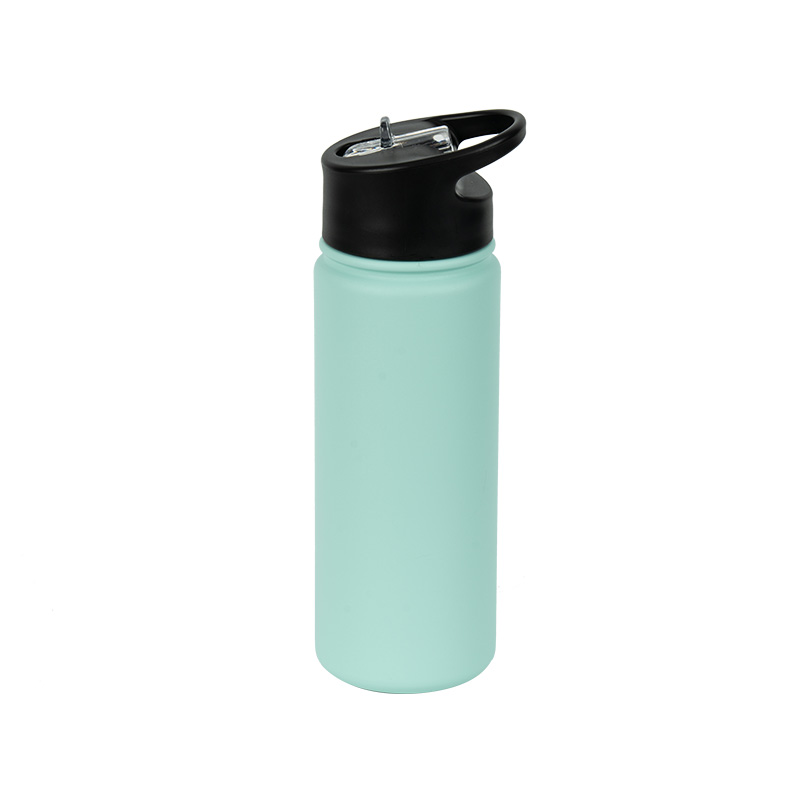
Sports vacuum insulated water bottles are commonly used by athletes, outdoor enthusiasts, and everyday consumers to maintain the temperature of beverages and ensure convenient hydration. These bottles utilize double-walled construction with vacuum insulation to reduce heat transfer, allowing drinks to remain hot or cold for extended periods. Users often have questions regarding their performance, maintenance, and suitability for different activities.
How Long Can Sports Vacuum Insulated Water Bottles Maintain Temperature?
One frequent concern among users is how long these bottles can keep beverages hot or cold. The answer depends on the bottle's design, materials, and fill temperature.
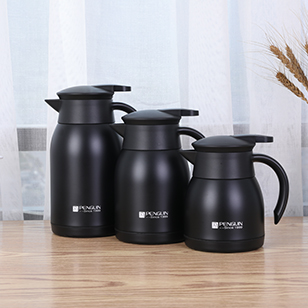
Double-Walled Construction
The vacuum between the walls reduces heat exchange, slowing the warming or cooling process.
Material Type
Stainless steel bottles typically maintain temperature longer than plastic or glass bottles due to better thermal resistance.
Lid and Seal Quality
Well-sealed lids prevent air exchange and limit temperature loss. Bottles with poor seals will lose temperature more quickly.
On average, sports vacuum insulated bottles can maintain hot beverages for 6–12 hours and cold beverages for 8–18 hours. These ranges vary based on bottle size, ambient temperature, and liquid volume. Proper use, such as preheating or pre-cooling the bottle, can extend performance.
What are the Practices for using sports vacuum-insulated water bottles?
Understanding proper usage ensures safety, efficiency, and durability. Key practices include:
Cleaning Regularly
Wash the bottle and lid after each use to prevent bacterial growth and odor buildup. Use mild detergent and avoid harsh abrasives.
Avoiding Extreme Temperatures
Do not expose the bottle to boiling water on the outside or leave it in a freezer if it is not designed for cold.
Using Appropriate Beverages
Avoid carbonated drinks in sealed bottles as pressure buildup can damage the lid or cause leakage.
Handling the Bottle Carefully
Avoid dropping or striking the bottle, which could dent the walls and compromise vacuum insulation.
These steps help maintain the bottle's structural integrity, leakproof performance, and thermal efficiency.
What Materials Are Used in Sports Vacuum Insulated Water Bottles?
Users often inquire about the materials used and their safety. Key materials include:
Stainless Steel
Durable, corrosion-resistant, and commonly used for the inner and outer walls. It does not react with beverages.
Plastic Components
Lids, caps, and some external shells may be made of BPA-free plastic. Plastic provides lighter weight but requires careful cleaning.
Silicone Seals
Rubber or silicone gaskets prevent leaks and enhance vacuum integrity. They should be inspected regularly for wear or deformation.
Glass-Lined Interiors (Optional)
Some bottles include glass coatings to preserve taste and prevent reactions with acidic beverages.
These materials contribute to the bottle's insulation, leakproofing, and safety for daily use.
How Should Sports Vacuum Insulated Water Bottles Be Maintained?
Proper maintenance is essential to ensure performance over time. Common maintenance practices include:
Regular Disassembly and Cleaning
Remove lids, gaskets, and other detachable parts for thorough washing.
Drying Completely
Prevent moisture from accumulating inside the bottle, which can cause odors or corrosion.
Inspecting Seals and Components
Check for cracks, dents, or worn gaskets that can compromise leakproofing and insulation.
Avoiding Dishwasher Damage
Some bottles are dishwasher safe, but high heat can damage seals and coatings. Check manufacturer instructions before use.
Following these maintenance steps extends the bottle's life and maintains beverage safety and temperature retention.

- Quick Links
- Home
- Customization
- Products
- News
- About
- Manufacturing
- Contact Information
- Tel : +86-579-86600888
- Phone : +86-18967438668
- Email : [email protected]/ [email protected]
- Add : Area A, Jinyidong Industrial Zone, Huashui Town, Dongyang City, Zhejiang Province, China
- Contact Us

