


 English
  日本語
日本語  Deutsch



Industry News
Sports Water Bottles vs Other Bottles
2026-02-24
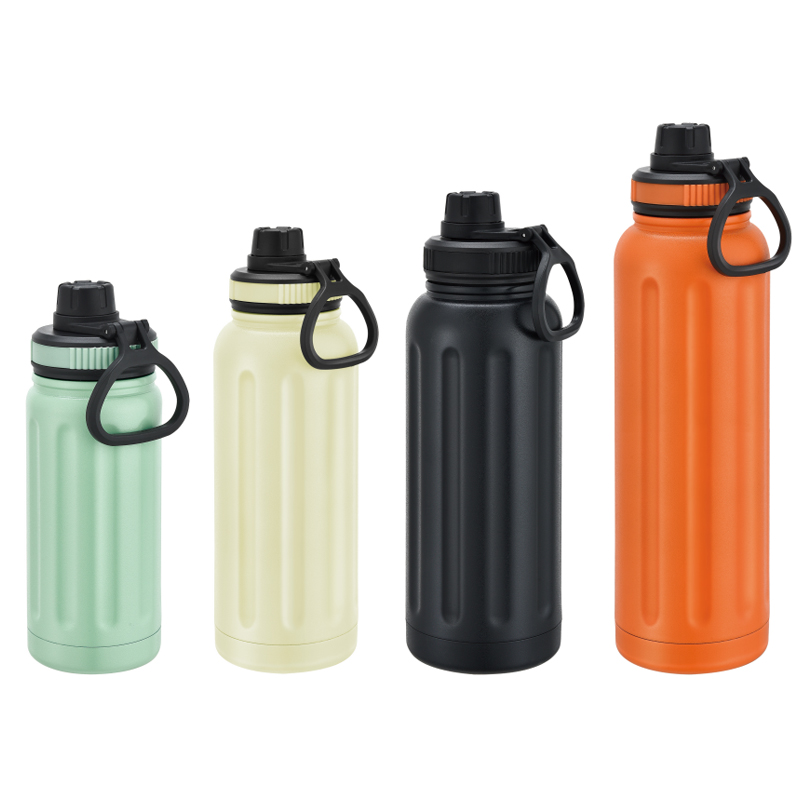
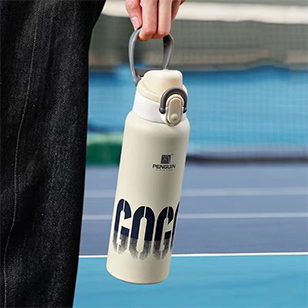
Water bottles for sports have become a standard accessory for athletes, fitness enthusiasts, and outdoor adventurers. Compared to ordinary bottles, sports bottles are designed specifically for ease of use, quick hydration, and durability under active conditions. The differences between sports water bottles and other types of bottles involve materials, design, functionality, and user experience.
Design and Functionality Differences
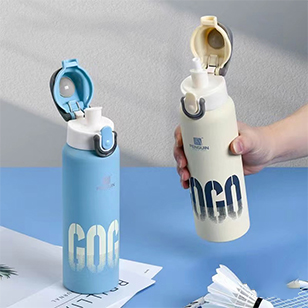
Sports water bottles are designed for quick, one-handed use. Many models feature a pull-up spout, flip-top lid, or push-button opening, allowing users to drink while running, cycling, or exercising without removing the cap. In contrast, ordinary bottles often have screw caps or simple lids that require both hands to open and close. Sports bottles also commonly have ergonomic shapes and non-slip grips, making them easier to hold during movement.
Another functional difference is the presence of measurement markings. Sports bottles often include volume indicators, helping users track hydration intake during workouts. This feature is less common in general-purpose bottles, which focus more on aesthetics or basic storage.
Material and Durability Differences
Sports bottles are typically made from lightweight, impact-resistant materials such as BPA-free plastic, silicone, or stainless steel. These materials are chosen for their ability to withstand drops, impacts, and frequent handling. Ordinary bottles may prioritize appearance or cost, using materials that are not optimized for high-impact use.
Many sports bottles are also designed to be odor- and stain-resistant, especially those made from stainless steel. They may include features like wide mouths for easy cleaning and quick drying. Ordinary bottles may have narrow openings that make cleaning difficult and can retain odors over time.
Temperature and Insulation Differences
Insulation is another important difference. Sports bottles may be single-wall or double-wall insulated, depending on the intended use. Insulated sports bottles help keep drinks cold during long workouts or outdoor activities. Ordinary bottles often do not prioritize temperature control, making them less suitable for prolonged outdoor use.
In summary, sports water bottles focus on convenience, durability, and performance, while ordinary bottles emphasize general use and cost.
Sports Water Bottles: Practical Use Guide
Section 1: Choosing the Right Sports Bottle
Select Based on Activity Type
For running or cycling, lightweight bottles with quick-access spouts are preferred. For gym workouts, bottles with wider mouths and better stability may be more suitable.
Consider Capacity and Portability
Sports bottles typically range from 500 ml to 1 liter. Choosing the right capacity depends on the duration of exercise and personal hydration needs.
Check Material Safety
Choose BPA-free plastics or food-grade stainless steel. Avoid bottles with unknown materials or poor-quality coatings.
Evaluate Cleaning Convenience
Bottles with wide mouths and removable parts are easier to clean, which is important for preventing bacteria and odor.
Section 2: Using Sports Bottles Correctly
Use for Water or Sports Drinks
Sports bottles are designed for hydration during activity. Avoid using them for hot beverages unless they are specifically insulated and rated for heat.
Regular Cleaning Is Essential
Wash after each use and allow to dry completely. Use bottle brushes for narrow openings.
Replace Worn Parts
Spouts, seals, and lids can wear over time. Replace them to maintain leak-proof performance.
Avoid Freezing Unless Designed for It
Freezing can expand the liquid and damage the bottle, especially plastic ones. Only freeze bottles designed for cold storage.


- Quick Links
- Home
- Customization
- Products
- News
- About
- Manufacturing
- Contact Information
- Tel : +86-579-86600888
- Phone : +86-18967438668
- Email : [email protected]/ [email protected]
- Add : Area A, Jinyidong Industrial Zone, Huashui Town, Dongyang City, Zhejiang Province, China
- Contact Us

