


 English
  日本語
日本語  Deutsch



Industry News
Stainless Steel Water Bottles: Disadvantages and Proper Use
2026-02-20
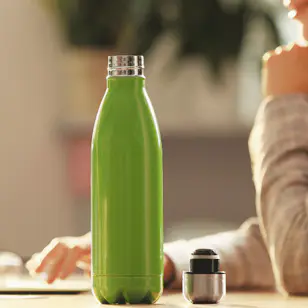
Stainless steel water bottles have become a popular choice for consumers seeking a durable and reusable alternative to plastic. They offer benefits such as strength, longevity, and resistance to odor and staining. However, they also have limitations that users should understand.
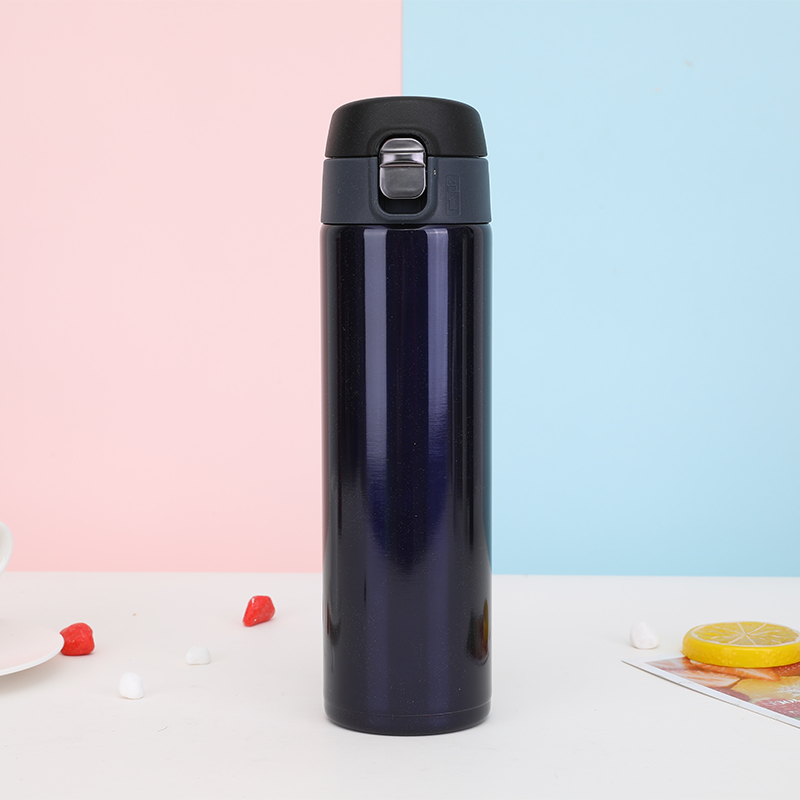
Disadvantages of Stainless Steel Water Bottles
Stainless steel water bottles are widely praised for durability, but they are not without drawbacks. One of the common disadvantages is weight. Stainless steel is heavier than plastic or aluminum, which can make the bottle less convenient for long-distance hiking, running, or carrying in a bag with other items. For users who prioritize lightweight gear, stainless steel may feel bulky.
Another limitation is cost. Stainless steel bottles are generally more expensive than plastic bottles, especially those with advanced insulation or premium finishes. While the longer lifespan can offset the initial cost, the upfront investment may be a barrier for some consumers.
Stainless steel bottles can also be noisy. When placed in a bag or set down on hard surfaces, they may produce noticeable sound. This is particularly relevant in quiet environments such as offices or classrooms.
In addition, stainless steel bottles may dent or deform if dropped or impacted, especially thin-walled models. While dents may not affect functionality, they can reduce the bottle's aesthetic appeal and, in some cases, compromise insulation performance.
How to Correctly Understand and Use Stainless Steel Water Bottle
Choose the Right Type for Your Needs
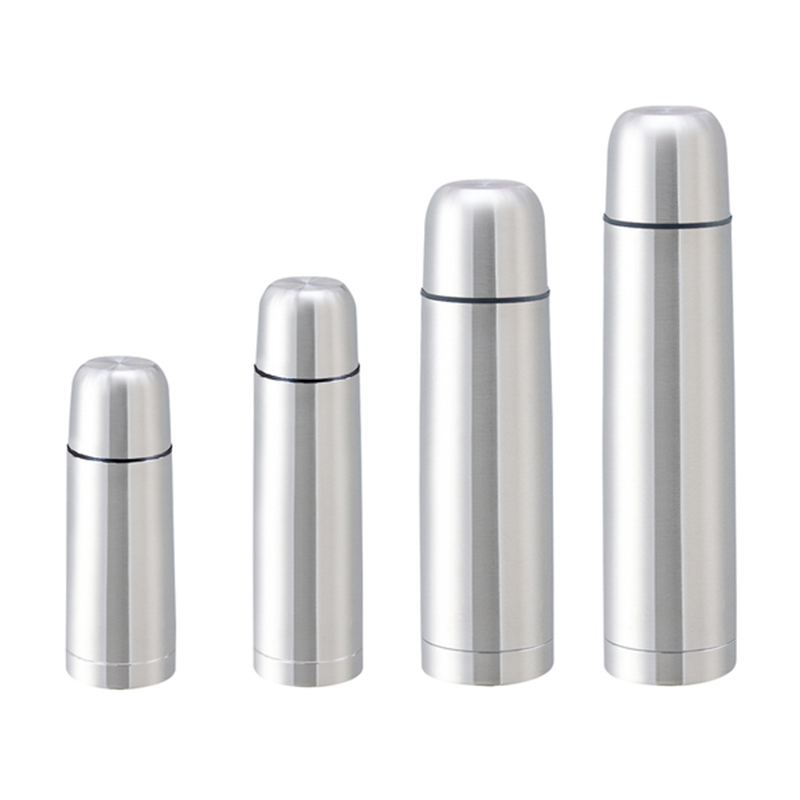
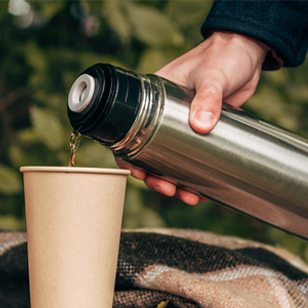
Stainless steel bottles come in single-wall and double-wall (insulated) versions. Single-wall bottles are lighter but do not maintain temperature. Double-wall bottles provide insulation and are better for hot or cold beverages.
Understand Temperature Limits
Stainless steel bottles can handle a wide range of temperatures, but heat can damage seals or coatings. Avoid placing bottles directly on open flames or using them in microwaves.
Regular Cleaning Is Essential
To maintain hygiene and prevent odors, wash the bottle after each use. Use warm water and mild detergent. For stubborn odors, a mixture of baking soda and water can be effective. Avoid using abrasive cleaners that may scratch the surface.
Avoid Using with Highly Acidic or Salty Drinks for Long Periods
While stainless steel is corrosion-resistant, prolonged exposure to acidic or salty liquids may cause gradual corrosion, especially if the bottle has any coating or poor welds. It is better to rinse the bottle after such use.
Protect the Bottle from Impacts
Although durable, stainless steel bottles can dent if dropped. Using protective sleeves or choosing thicker-walled models can reduce the risk of damage.
Replace Worn Seals and Caps
The bottle's lid and seal are critical for preventing leaks. Over time, silicone seals may wear out. Replace them as needed to maintain performance.
Stainless Steel Water Bottles: Additional Considerations
Material Safety and Taste
Stainless steel bottles are generally considered safe for drinking water because they do not leach harmful chemicals like some plastics can. However, the quality of stainless steel matters. Food-grade stainless steel, such as 18/8 (304) or 18/10, is recommended because it offers good corrosion resistance and is less likely to affect taste. Lower-grade stainless steel or poor manufacturing can result in metallic taste or potential rust over time.
To reduce taste issues, rinse the bottle before use and avoid storing beverages for long periods. If the bottle develops a metallic taste, thorough cleaning or switching to a higher-grade bottle may help.
Environmental and Long-Term Value
Stainless steel water bottles are a sustainable choice because they are reusable and durable. Over time, they can reduce plastic waste and offer long-term cost savings compared to disposable bottles. However, users should consider the full lifecycle: stainless steel production has higher energy use than plastic, but the extended lifespan and recyclability often offset the initial environmental impact.
Stainless steel water bottles provide durability and safety, but users should be aware of their weight, cost, and maintenance needs. Proper use and care ensure long-term performance and hygiene.


- Quick Links
- Home
- Customization
- Products
- News
- About
- Manufacturing
- Contact Information
- Tel : +86-579-86600888
- Phone : +86-18967438668
- Email : [email protected]/ [email protected]
- Add : Area A, Jinyidong Industrial Zone, Huashui Town, Dongyang City, Zhejiang Province, China
- Contact Us

