


 English
  日本語
日本語  Deutsch



Industry News
Vacuum Stainless Steel Flask for Long Trail Days and Trips?
2026-05-22
The coffee goes cold before you reach the summit. The water you packed in the morning is barely lukewarm by noon, and the flask you trusted for years has started leaking at the lid. If any of that sounds familiar, the problem is not the outdoor conditions — it is the product. A quality Vacuum Stainless Steel Flask built for outdoor use handles temperature variation, rough handling, and extended use in ways that standard kitchen flasks simply were not designed for. Choosing the right one requires understanding what actually separates outdoor performance from everyday adequacy.
Why Outdoor Conditions Demand More from a Flask
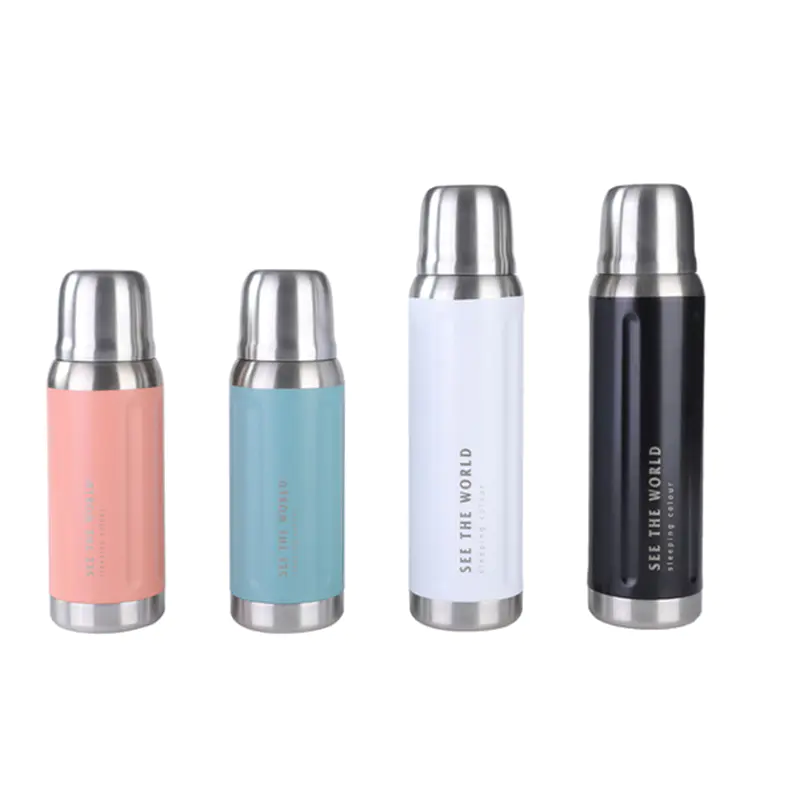
A flask that keeps coffee warm on a desk for a few hours faces nothing like the thermal and physical demands of a full-day hike. Outdoor environments combine multiple challenges simultaneously:
- Temperature swings — moving from cold morning air to midday sun and back creates expansion and contraction cycles in the flask body and lid seal
- Physical impact — flasks get dropped, knocked against rocks, and compressed inside packed bags
- Altitude variation — pressure changes at higher elevation affect sealed containers differently than at sea level
- Extended use periods — a day hike may stretch eight hours or more; an overnight camp, longer still
A flask that fails any one of these is a liability rather than an asset on the trail.
How Does Vacuum Insulation Actually Work Outdoors?
The Double-Wall Vacuum Principle
Vacuum insulation works by eliminating the medium through which heat transfer normally occurs. Between the inner and outer walls of a vacuum flask, the air has been evacuated — creating a layer where neither conduction nor convection can move heat. This is why a properly built vacuum flask holds temperature so effectively even when ambient conditions are actively working against it.
What makes outdoor performance different from indoor is the severity of that ambient challenge. At altitude, in wind, or in direct sunlight for extended hours, a flask without genuine vacuum integrity loses temperature noticeably faster than lab conditions suggest.
Why Stainless Steel Makes the Difference
The inner layer of a quality outdoor flask is stainless steel for reasons beyond durability. It does not retain flavors or odors between uses — relevant when the same flask alternates between coffee in the morning and water through the afternoon. It resists the kind of impact damage that would crack ceramic or glass liners. And it holds up against the acids in citrus drinks or sports hydration mixes that would corrode lesser materials over repeated use.
Food-grade stainless steel also does not leach anything into the liquid, which matters on a trip where you cannot easily replace what you are carrying.
Insulation Duration: What the Trail Actually Demands
Insulation performance is measured in hours, and the gap between a capable outdoor flask and an ordinary one becomes apparent on longer trips.
For a half-day morning hike, a flask that holds temperature for several hours is probably adequate. But for a full-day climb, an overnight camp, or a multi-day trip where resupply is not an option, the performance requirement shifts:
- Short trail use — a few hours of retention covers a morning or afternoon session
- Full-day hiking — genuine performance through the full activity period requires substantially longer retention
- Winter hiking — cold ambient temperatures strip heat faster; flasks in freezing conditions need strong insulation just to maintain drinkable warmth through a standard day
- Camping overnight — keeping water from freezing at camp requires a flask that holds thermal mass through cold nights
The honest answer is that outdoor use exposes the difference between a flask rated at a given retention time under controlled conditions and one that delivers that performance in reality.
Durability: Why Weight and Toughness Pull in Opposite Directions
Every gram on a hiker's back has a cost. A flask heavy enough to survive a boulder fall might be one you choose to leave at home next time. This tension between durability and weight is where outdoor flask design becomes genuinely interesting.
Thicker stainless steel walls resist dents and damage but add weight. A slimmer body shaves grams but accepts more risk from impact. Lid mechanisms need to be robust enough to stay sealed when the flask tumbles across a rocky slope, but not so heavy or complex that they become another thing to manage on the trail.
Features that indicate genuine durability without unnecessary weight:
- Impact-resistant lid construction — the lid takes more knocks than the body; look for threading that stays clear of debris
- Powder-coated or textured exterior — improves grip in wet conditions without adding meaningful weight
- Wide mouth opening — easier to fill, clean, and use with gloves on in cold weather
- Carry loop or clip compatibility — allows the flask to hang outside the pack instead of buried inside
Does Flask Capacity Match the Trip Length?
Capacity is perhaps the central practical decision in the selection process, and it is where a lot of people get it wrong — either by bringing too little for a long day or by carrying more volume than they actually use.
A few scenarios worth considering:
| Trip Type | Suggested Capacity Range | Key Priority |
|---|---|---|
| Short morning hike | Compact size, light weight | Portability over volume |
| Full-day hike | Medium capacity | Balance of weight and sufficient hydration |
| Overnight camp | Larger or paired flasks | Volume for cooking and drinking |
| Winter hiking | Medium-to-large, high insulation | Retention in freezing conditions |
| Group camping | Large capacity or multiple units | Volume and refillability |
One flask is not a universal solution. Someone doing fast day hikes in summer has different requirements from a winter camper preparing overnight stops at elevation. The capacity decision should follow the use case, not the other way around.
Lid Design: The Detail That Changes Everything
Ask anyone who has dealt with a leaking flask mid-hike where the failure happened. It is almost always the lid.
A lid that seals reliably under pressure variations, resists opening from a knock, and can be operated with cold or wet hands is not a minor feature — it is the difference between a flask that works and one that soaks your pack.
Lid characteristics worth evaluating:
- Screw mechanism thread quality — a precisely machined thread seals consistently; a loose thread does not
- Gasket material — silicone holds up better under temperature cycling than cheaper rubber compounds
- Single-hand operation — flip lids or loop-pull designs that open without unscrewing the whole cap are genuinely useful when both hands are occupied
- Cleaning access — a lid that cannot be disassembled for cleaning will accumulate odors and bacteria over time, regardless of how well the flask itself performs
Lid quality is often where the cost difference between a well-made outdoor flask and a basic one is visible. A flask with a strong body and a poor lid is still a poor flask.
What to Look for in Stainless Steel Construction Quality
Not all stainless steel is equivalent. Food-grade stainless is the standard for anything going into contact with beverages, but the manufacturing quality that turns sheet metal into a reliable vacuum vessel varies significantly between producers.
Signs of construction quality:
- Vacuum weld integrity — the vacuum layer between walls holds its insulation performance only if the weld sealing it is consistent; poor welds allow air infiltration over time, degrading performance gradually
- Interior surface finish — a smooth, brushed or polished interior is easier to clean and less likely to harbor odors after extended use
- Exterior coating adhesion — powder coatings that chip early leave exposed steel that scratches and rusts; a well-adhered coating lasts the life of the flask
- Weight consistency between units — unusually light units for their stated capacity can indicate thinner-than-specified walls
These are the construction details that separate a Vacuum Stainless Steel Flask that lasts years from one that degrades within a season of real outdoor use.
Outdoor-Specific Features Beyond Basic Insulation
Standard vacuum flasks were designed for desk or kitchen use. Outdoor applications benefit from additional design considerations that manufacturers with genuine outdoor focus build in.
Relevant outdoor-specific features:
- BPA-free materials throughout — particularly relevant for lid components that contact the drink
- Textured grip zones — useful on wet or cold mornings when fingers are not fully cooperative
- Color options with outdoor visibility — brighter exteriors are easier to spot in your pack, on a rock ledge, or in low light at camp
- Compatibility with hydration systems — some flasks pair with insulated carry sleeves or clips for pack attachment
- Thermal protection for carbonated drinks — relevant for hikers using electrolyte tablets or sparkling water, which behave differently under pressure in sealed flasks
These features are not essential for every user, but they represent the difference between a flask that was adapted for outdoor use and one that was designed for it.
Selecting Vacuum Stainless Steel Flasks for Retail or Branded Programs
For product developers, outdoor retailers, and promotional merchandise buyers sourcing vacuum flasks at volume, the performance requirements that matter to end users translate directly into what to specify from a manufacturer.
Key sourcing criteria:
- Vacuum integrity testing — confirm the manufacturer tests vacuum seal quality in production, not just on samples
- Insulation performance consistency — request evidence that rated insulation performance is maintained across production batches
- Material certification — food-grade stainless steel and BPA-free component certifications for the target market
- Custom sizing and capacity options — outdoor programs often need specific volumes; confirm the manufacturer supports custom specifications
- Finish and branding options — powder coat colors, logo placement, and packaging format for branded programs
- Lid customization — lid style and opening mechanism can be specified to match the intended user behavior
A flask that performs in the field generates repeat customers. One that fails — through lid leaks, insulation degradation, or coating failure — generates returns and reputational damage regardless of how well the retail presentation looked.
Sourcing from a Manufacturer Built for Outdoor Performance Standards
The gap between a flask that looks right and one that performs consistently in real outdoor conditions is made in the factory — through material selection, weld quality, vacuum integrity control, and testing before shipment.
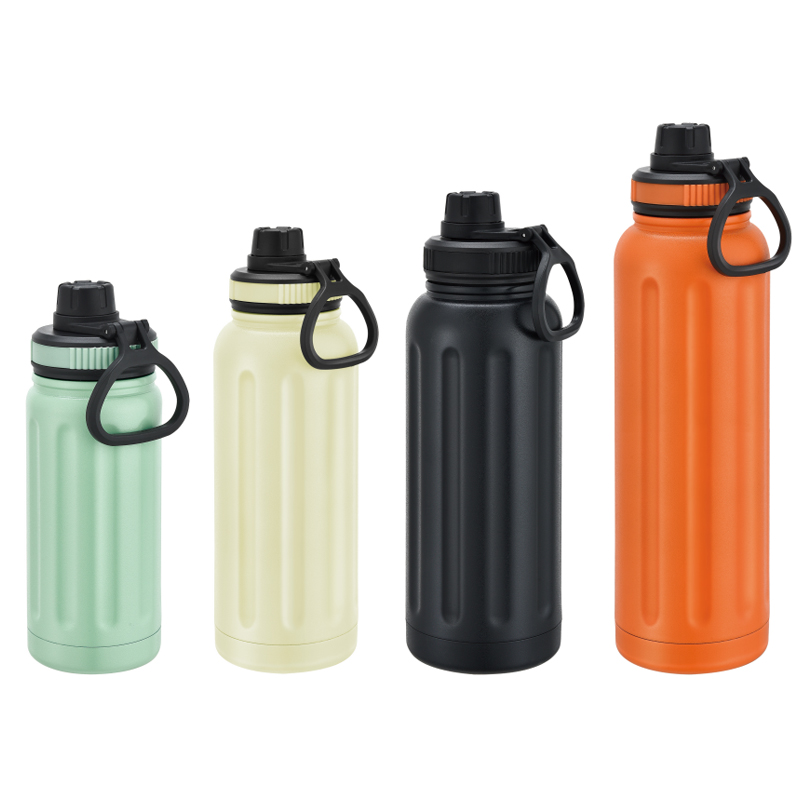
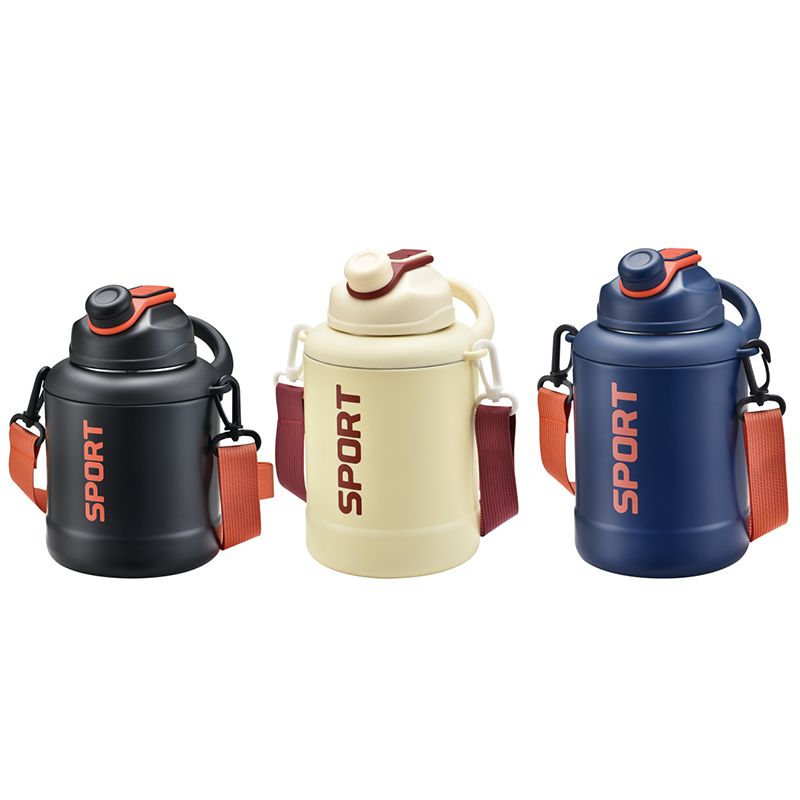
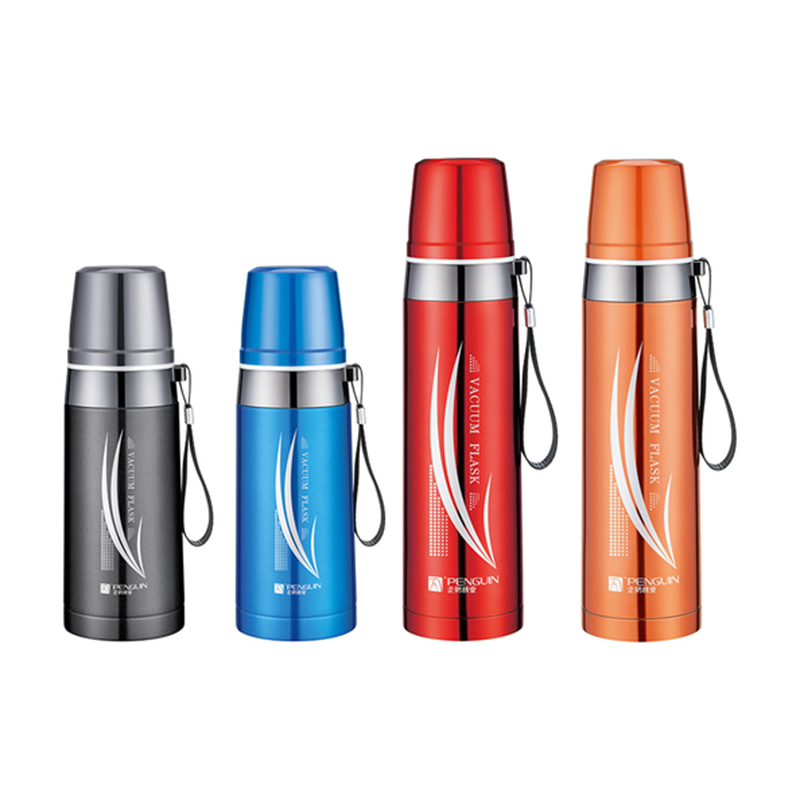
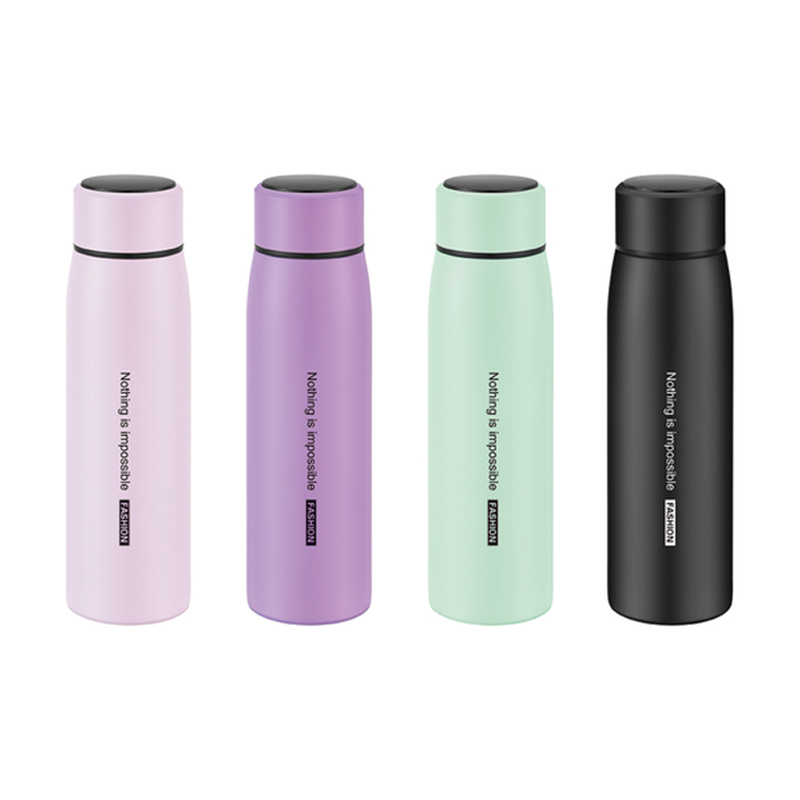
For product teams and buyers building an outdoor drinkware line or expanding an existing range, working with a manufacturer who understands the performance demands of genuine outdoor use changes what you can promise to end users. Yuneng Industry produces vacuum stainless steel drinkware including outdoor flask formats with food-grade materials, quality-controlled vacuum welding, and customization support for retail and branded programs. Zhejiang Yuneng Industry Co., Ltd. works with product developers, outdoor retailers, and promotional program buyers to specify, sample, and source vacuum flasks that deliver on outdoor performance requirements — if you are building a range for hiking and camping use, the starting point is a product specification conversation grounded in what the trail actually demands.


- Quick Links
- Home
- Customization
- Products
- News
- About
- Manufacturing
- Contact Information
- Tel : +86-579-86600888
- Phone : +86-18967438668
- Email : [email protected]/ [email protected]
- Add : Area A, Jinyidong Industrial Zone, Huashui Town, Dongyang City, Zhejiang Province, China
- Contact Us

