


 English
  日本語
日本語  Deutsch



Industry News
What Can Be Customized in a Vacuum Insulated Travel Pot
2026-08-28
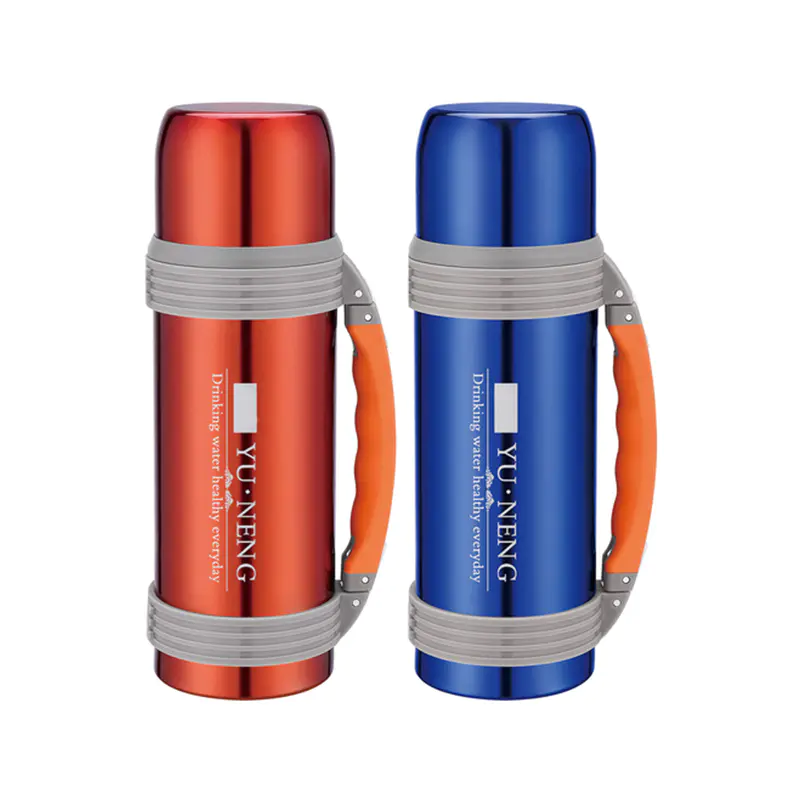 A travel pot looks straightforward from the outside, but a lot of small decisions happen before it ever reaches a shelf or a customer's bag. Body shape, lid style, color, labeling, and packaging each play a part in how the finished item fits its intended market.
For a business building a private-label drinkware line, customization isn't just about visual variety. It's about lining the product up with a specific use case, a specific buyer, a sales channel, and a brand identity that already exists or is being built.
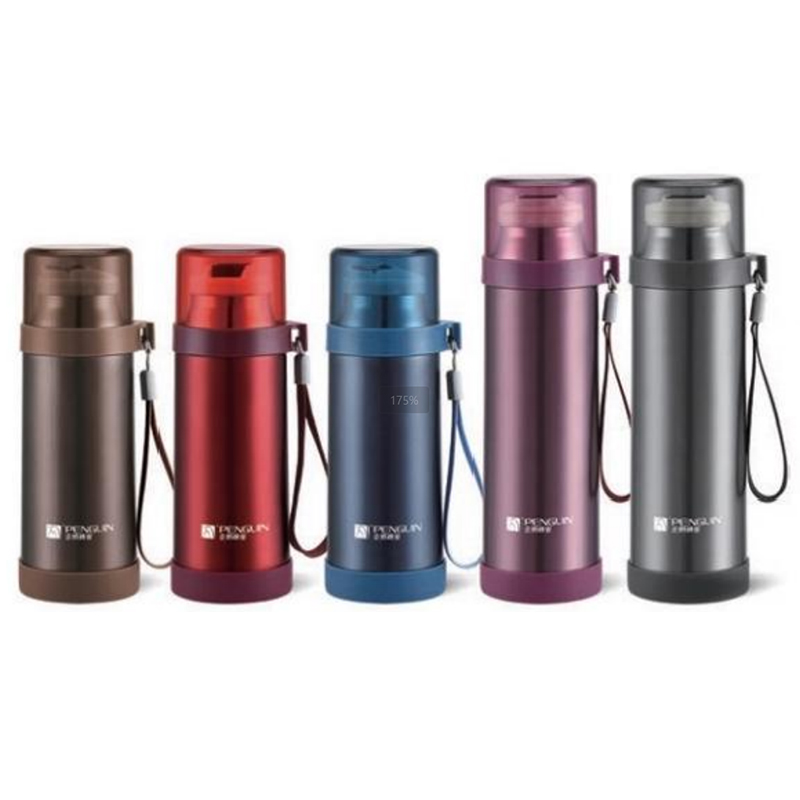
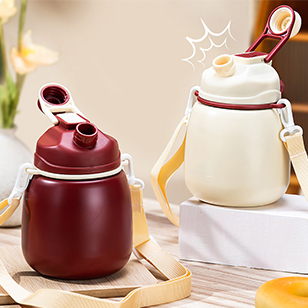
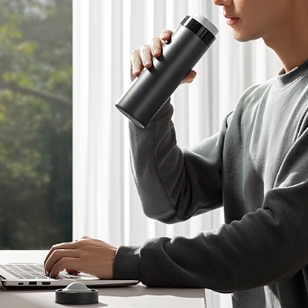
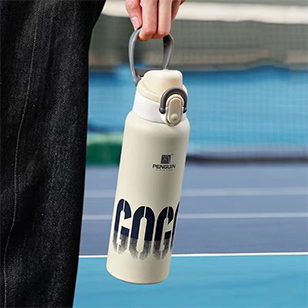
A Custom Vacuum Bottle project usually starts as a plain concept and gets refined step by step. Buyers might adjust the appearance, the capacity, how the opening works, how it's carried, or how it's packaged, while the vacuum-insulated core stays the same.
The hard part is figuring out which of these choices actually matter for a given product. Skipping customization can leave a product feeling interchangeable with everything else on the market, while adding changes without a clear reason can slow down production and make communication with a factory harder than it needs to be.
Why Customization Matters in Travel Pot Development
People use travel drink containers on the way to work, in the car, on a hike, at a desk, or during a short weekend trip. Each of those situations comes with different expectations for how the container gets held, stored, opened, and cleaned.
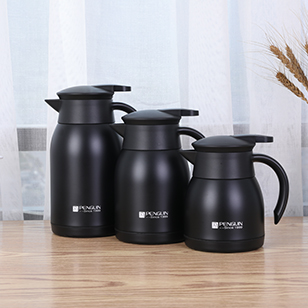
A Vacuum Insulated Travel Pot can be built around one of these scenarios instead of trying to serve all of them equally well.
Someone commuting on a train, for instance, cares mostly about how easily the pot fits in a bag and how it sits on a desk afterward. Someone out on a trail is thinking more about grip, how secure the lid feels, and whether the container can take a few knocks.
| Customization Area | Product Development Focus |
|---|---|
| Capacity | Matches different drinking habits |
| Shape | Influences handling and storage |
| Color | Supports visual identity |
| Labeling | Communicates brand information |
| Lid design | Affects drinking and carrying |
| Packaging | Supports retail presentation |
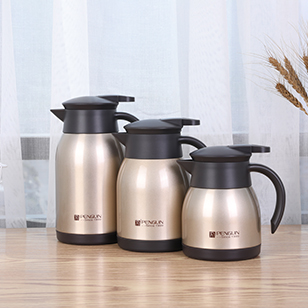
Customization also opens the door to building a product family rather than a single item. A brand can keep a shared design language across sizes and colors while adjusting certain features for particular sales channels, which keeps the planning process from feeling scattered.
How Capacity Should Be Considered
Capacity shapes how a travel pot fits into someone's daily routine. A person grabbing a drink for a short commute doesn't need the same volume as someone spending a full day away from a kitchen or office.
Rather than picking a capacity based on how it looks on a shelf, product developers can think about how the container is actually going to get used day to day.
A smaller size tends to suit quick trips and lighter carrying, while a larger one can cut down on how often someone has to refill it.
Shape matters alongside capacity. A wider body feels different in hand and takes up more room in a bag or cup holder, while a narrower one slips into tighter spaces more easily.
| Development Question | Why It Matters |
|---|---|
| Where will it be used? | Helps define practical capacity needs |
| How will it be carried? | Influences overall form |
| Where will it be stored? | Affects shape and proportions |
| Who will use it? | Connects capacity with user habits |
| What products will surround it? | Helps create a consistent product range |
Capacity decisions ripple outward. Changing internal volume can shift the exterior form, the relationship with the lid, how packaging is laid out, and the overall visual balance of the piece. That's part of why capacity tends to get settled early in a custom project, before other details are locked in.
What Appearance Contributes to a Custom Vacuum Bottle
Appearance is usually the part of a drinkware product a customer notices first. Color, surface finish, shape, and small visual details all affect whether something feels right for the market it's aimed at.
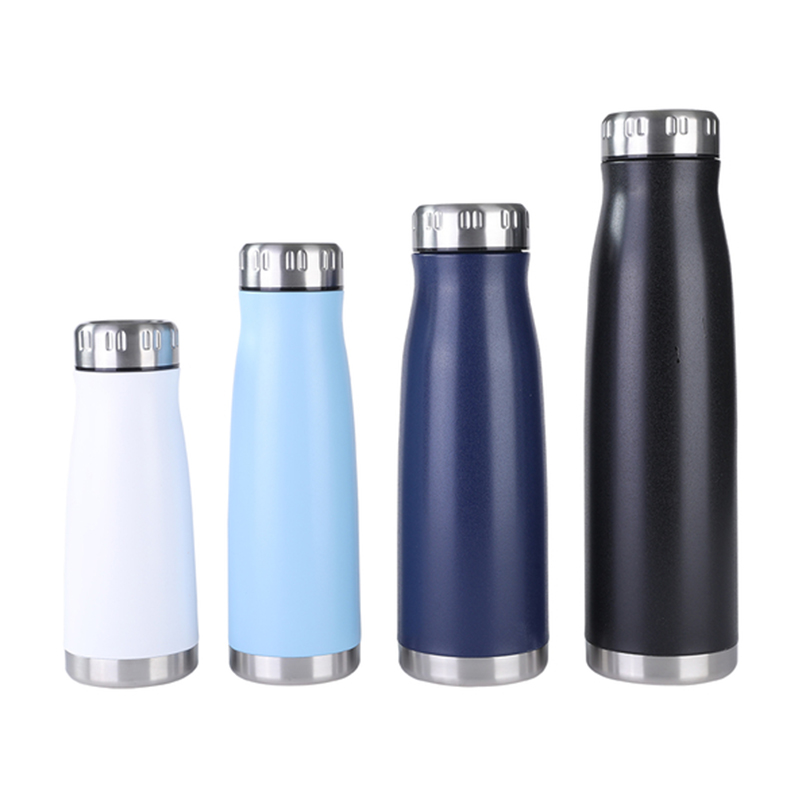
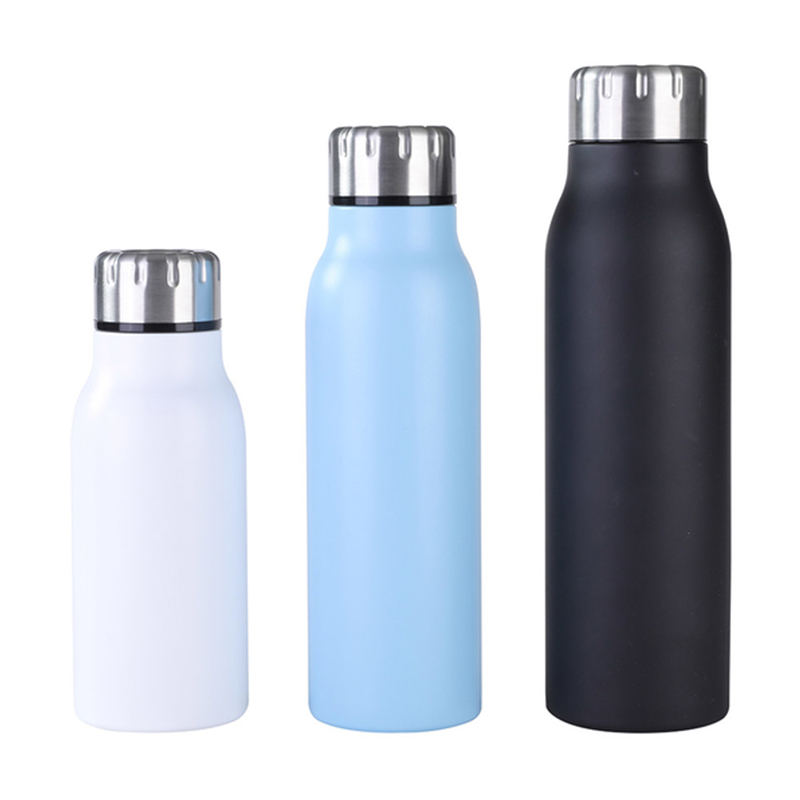
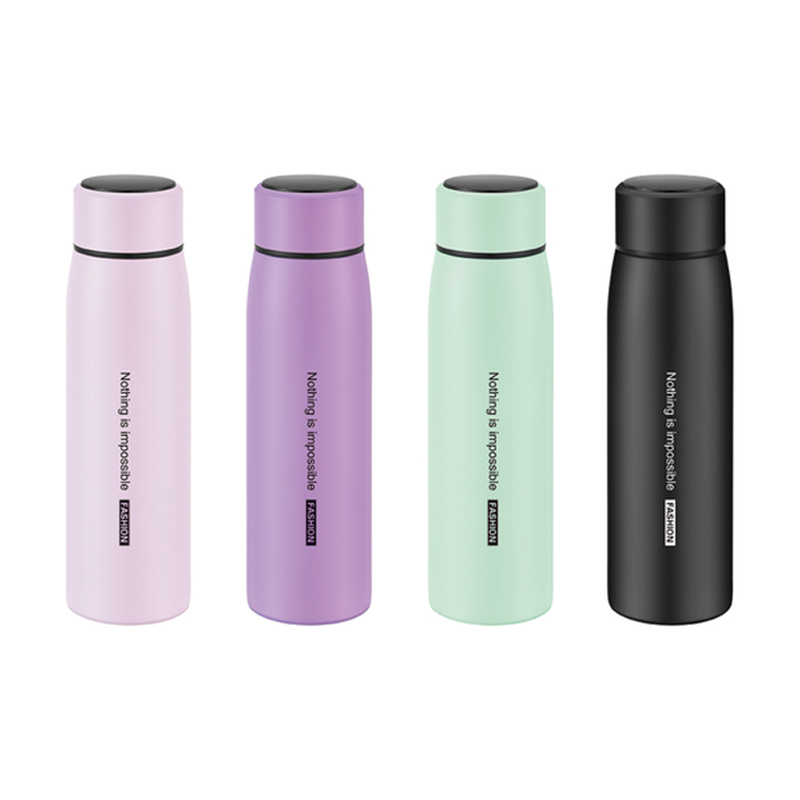
A custom project can lean on appearance to build a recognizable family of products. Related colors and shapes can tie several items together under one brand without forcing every piece to look the same.
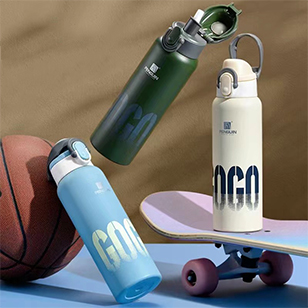
Color choice can reflect where and how the product is meant to be used.
| Product Direction | Possible Appearance Approach |
|---|---|
| Everyday commuting | Clean and simple visual style |
| Outdoor recreation | Practical, active appearance |
| Office use | Understated presentation |
| Gift market | More decorative treatment |
| Youth-oriented products | Brighter, playful visual choices |
Surface treatment matters too. A smooth exterior handles differently from a textured one, and either can look different depending on the lighting around it. It's worth checking how a chosen surface interacts with printing or labeling before committing to it, since a design that looks good on paper still has to hold up through manufacturing, everyday handling, and repeated cleaning.
How Color and Labeling Support Brand Identity
Color often does more brand recognition work than people expect, since customers frequently notice a product's visual details before they ever read the label.
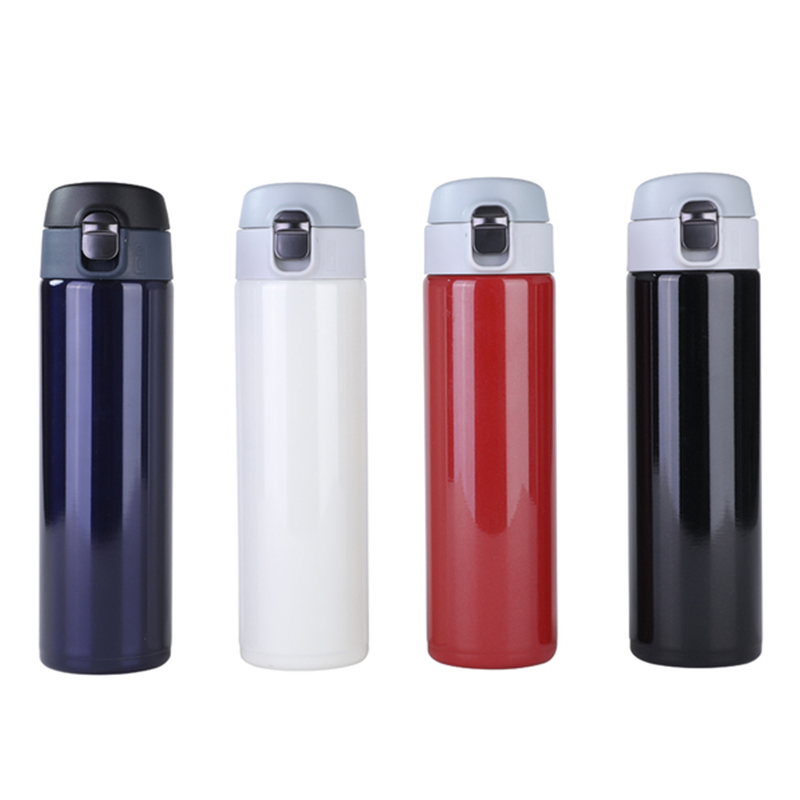
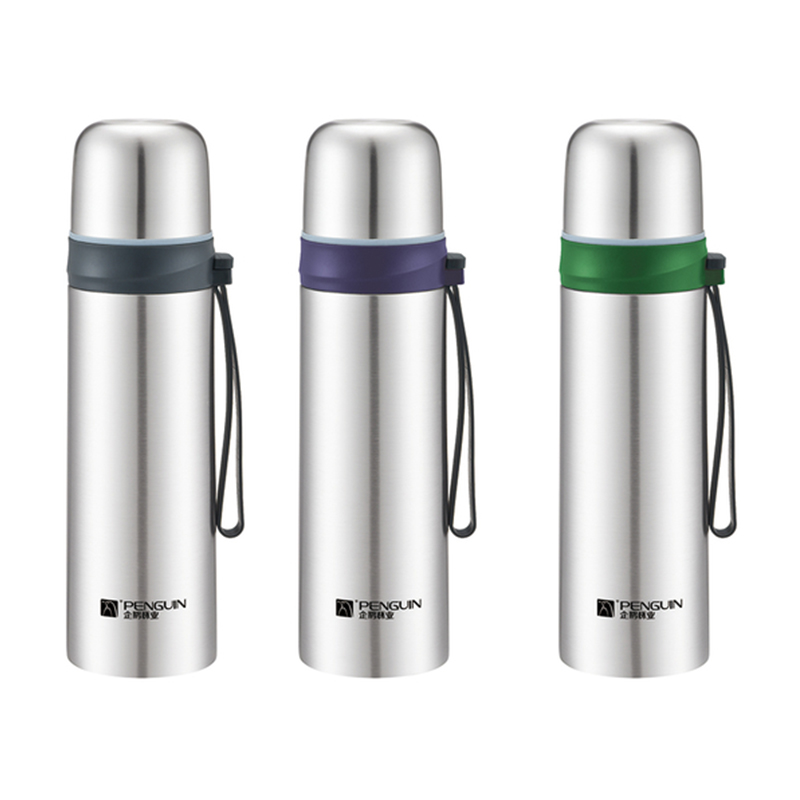
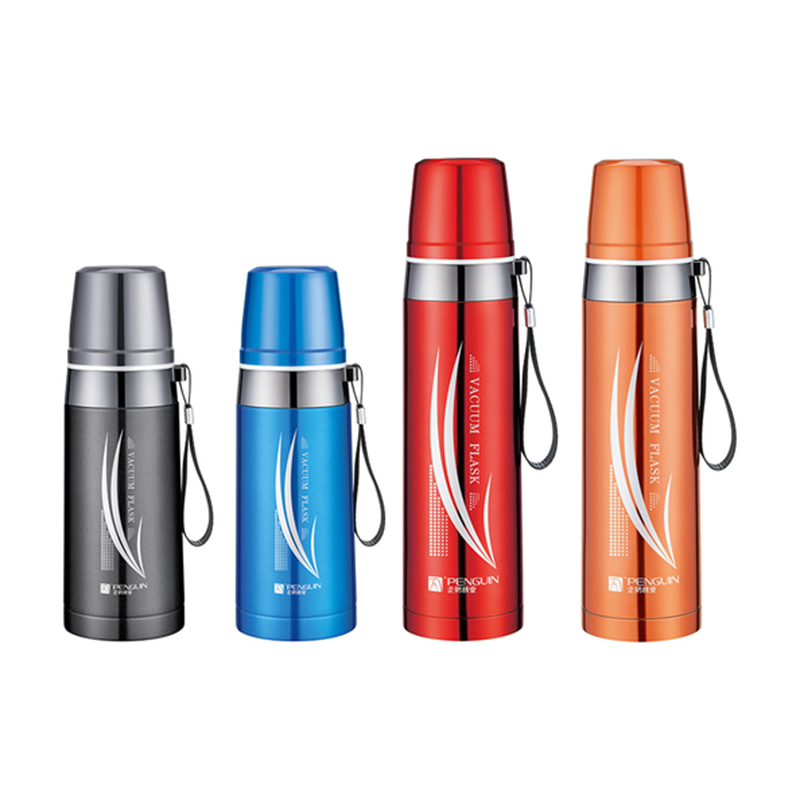
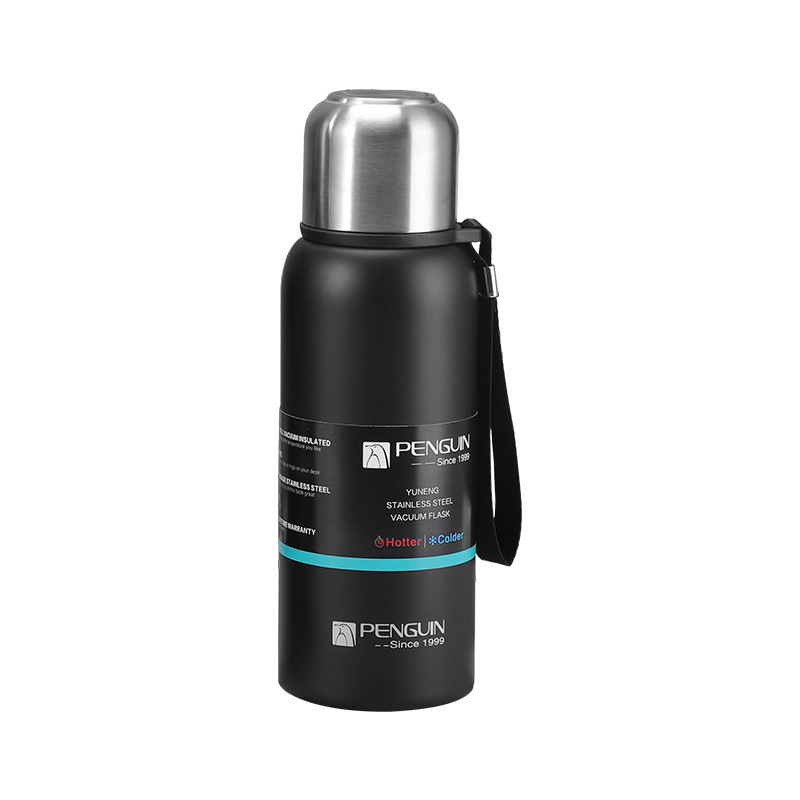
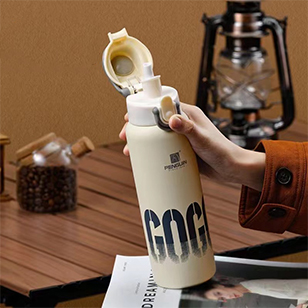
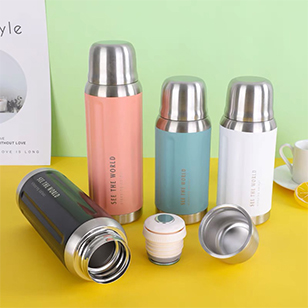
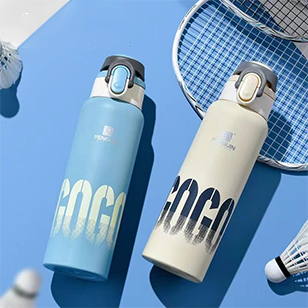
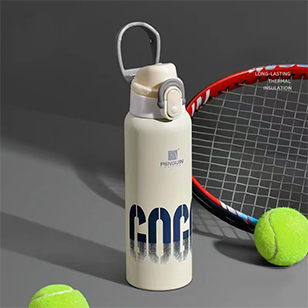
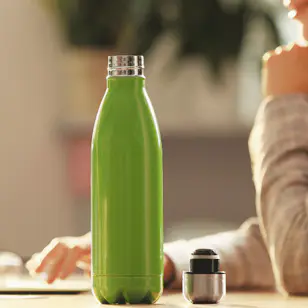
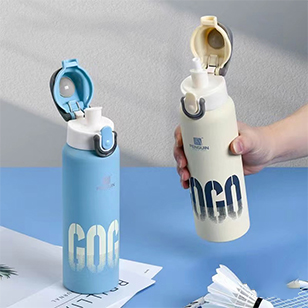
A Bullet Thermos Flask, for example, can be customized through color combinations, printed graphics, or simple brand placement while keeping its familiar compact shape intact.
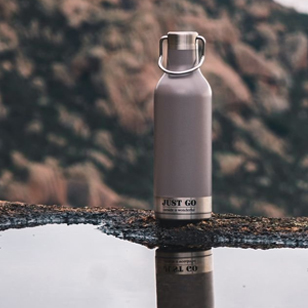
Labeling needs to stay clear and sit in a sensible spot. How much surface area is available affects where a logo, product name, care instructions, or other required text can realistically go.
| Labeling Element | Development Consideration |
|---|---|
| Brand mark | Should fit naturally into the product design |
| Product name | Needs suitable visual space |
| Care information | Should remain readable |
| Decorative graphics | Should match the overall appearance |
| Packaging information | Should correspond with the product |
The printing method chosen can affect both the final look and the production process behind it, so it helps to talk artwork requirements through with a manufacturing partner before finalizing anything. That conversation usually reveals whether the graphics, placement, and surface all work together for the production method being used.
Color consistency matters when several components are developed together too. Lid, body, packaging, and any printed elements should feel like they belong to the same object rather than reading as separate parts stitched together.
How Lid Design Affects the User Experience
A lid does more than cover an opening. It shapes how someone drinks, carries, cleans, and stores the container while traveling.
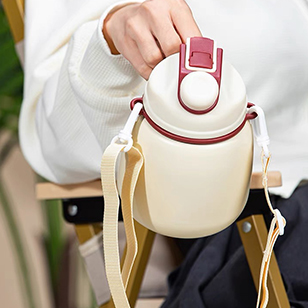
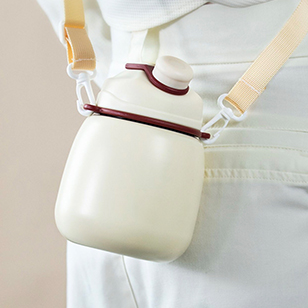
Different users want different things from a lid. Some prefer a simple drinking opening, others want something that makes carrying easier or keeps the opening covered between sips.
| Lid Feature | User Consideration |
|---|---|
| Opening style | Influences drinking habits |
| Carrying feature | Supports transportation |
| Closure design | Helps keep the container closed |
| Cleaning access | Affects maintenance convenience |
| External shape | Influences overall product appearance |
Lid design should be considered together with the bottle body rather than on its own. A bulky or visually busy lid can throw off the balance of the whole product, while a simpler lid tends to keep the appearance cleaner.
Practicality has to match the intended use as well. A pot meant for commuting needs different handling than one that mostly sits on a desk.
During development, it's worth walking through the opening and closing motion from a user's point of view. A lid that's awkward to operate or a hassle to clean can undercut an otherwise attractive design pretty quickly.
Why Material Selection Matters for Custom Travel Pots
Material choice affects how a travel pot feels in hand, how it looks, and how well it fits into a broader product range.
Stainless steel comes up often in reusable drinkware projects because it supports a durable build and a familiar metal look.
Talking with experienced Stainless Steel Vacuum Flask Manufacturers can help buyers work through material choices alongside body construction, surface treatment, lid compatibility, and what's realistic for production.
Material selection should reflect how the product will be used in everyday situations. A travel item may face frequent handling and movement in bags or cars, while a desk item usually stays in one place indoors.
| Material Consideration | Product Development Question |
|---|---|
| Body material | Does it suit the intended application? |
| Lid material | Does it match the body and usage needs? |
| Surface treatment | Does it fit the desired appearance? |
| Internal construction | Does it support the product concept? |
| Component compatibility | Do the parts work together as a complete product? |
The same shape can feel like a different product depending on the surface treatment or finish applied to it, so material conversations for custom projects need to cover both function and appearance together.
Customizing Packaging for Different Sales Channels
Packaging sometimes gets treated as an afterthought, but it connects directly to product customization decisions made earlier.
A travel pot sold through a retail store needs different packaging than one shipped straight to a customer's door or supplied as a corporate gift.
Packaging communicates product information while also protecting the item during handling and shipping.
| Sales Situation | Packaging Consideration |
|---|---|
| Retail display | Clear product presentation |
| Online sales | Protection during shipping |
| Corporate gifts | Brand-oriented presentation |
| Wholesale supply | Efficient packing and handling |
| Outdoor product collection | Consistent visual identity |
Packaging design can echo the product's visual language, matching colors, graphics, and typography so the item and its packaging read as part of the same collection.
Storage and transportation are worth thinking about too. Packaging that uses space efficiently is easier for a warehouse or distributor to move around.
Appearance alone shouldn't drive packaging decisions. Its structure, labeling, opening method, and level of protection all need to match how the product will actually travel to its final user.
Organizing OEM and ODM Customization Requests
A clear brief makes the back-and-forth between a buyer and a manufacturer go a lot smoother.
Instead of sending over a general request for a custom travel pot, buyers can break requirements down into product structure, appearance, branding, packaging, and production expectations.
A simple project brief might include:
- Product concept and intended use.
- Preferred body shape and capacity category.
- Material and surface preferences.
- Lid structure and drinking method.
- Color direction.
- Logo or artwork requirements.
- Packaging concept.
- Expected product variations.
Laying things out this way helps a manufacturer see which details are fixed and which are still open for discussion, and it cuts down on requirements getting missed partway through development.
Sample evaluation can then focus on what actually matters for the finished product. Buyers can check shape, handling, lid operation, appearance, labeling, and packaging together, as one complete object, rather than reviewing each feature in isolation.
A custom Vacuum Insulated Travel Pot project gets easier to manage once every customization choice ties back to a specific customer and a specific way the product will be used. The same thinking carries over to related drinkware, keeping color, labeling, packaging, and structural choices aligned across a wider product collection.


- Quick Links
- Home
- Customization
- Products
- News
- About
- Manufacturing
- Contact Information
- Tel : +86-579-86600888
- Phone : +86-18967438668
- Email : [email protected]/ [email protected]
- Add : Area A, Jinyidong Industrial Zone, Huashui Town, Dongyang City, Zhejiang Province, China
- Contact Us

