


 English
  日本語
日本語  Deutsch



Industry News
How Custom Vacuum Bottle Designs Can Support Brand Developmen
2026-08-21
A marketing manager sorting through a box of branded merchandise before a trade show, setting aside the mugs and tote bags that look identical to a dozen competitors, understands exactly why drinkware customization has become more strategic than it used to be. A reusable bottle can be a simple everyday item, but its role in branding can be a lot broader than that. People carry bottles to offices, gyms, schools, outdoor activities, and social spaces throughout an ordinary week. Because the product stays visible during daily routines, its appearance can genuinely become part of how customers recognize a brand without a single word being spoken.
This is where a Custom Vacuum Bottle can offer more flexibility than a standard stock product pulled off a shelf. A customized bottle can reflect a company's visual identity, target users, product positioning, and sales channel all at once, rather than serving as a generic afterthought.
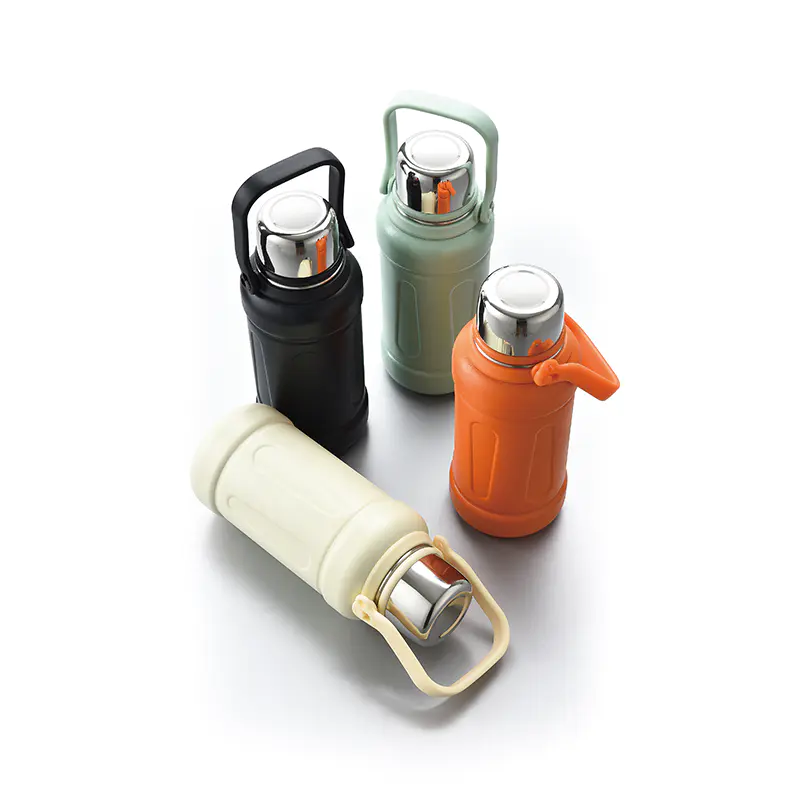
The opportunity isn't limited to adding a logo somewhere convenient. Shape, surface finish, color, lid design, packaging, and intended use can all contribute to the product's identity in ways that go well beyond a printed name.
For companies entering the drinkware market, customization can also provide a way to develop products around specific customer groups, instead of treating every buyer as interchangeable.
Why a Custom Vacuum Bottle Can Become Part of Brand Identity
Brand identity is often associated with visual elements such as logos, colors, and packaging seen in advertising. Physical products can reinforce those elements through everyday use, carried around long after a campaign ends.
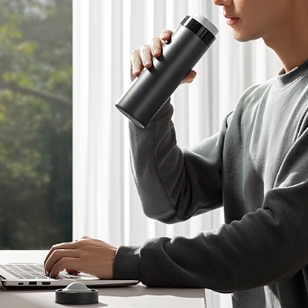
A bottle is particularly suitable for this purpose because it's portable and frequently visible throughout someone's day, from the commute to the desk to the gym.
A well-planned Custom Vacuum Bottle can reflect a brand through several details working together.
| Design Element | Possible Branding Role |
|---|---|
| Bottle shape | Creates a recognizable product appearance |
| Surface finish | Supports a particular visual style |
| Color selection | Connects with brand identity |
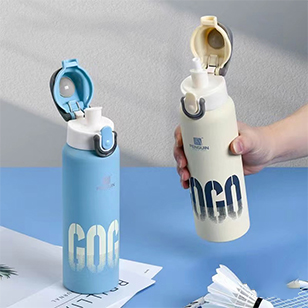
| Lid design | Adds functional and visual character |
| Logo placement | Reinforces brand recognition |
| Packaging | Extends the product story |
The goal is creating a product that feels genuinely connected to the brand, rather than a generic item with a logo added afterward as an obligation.
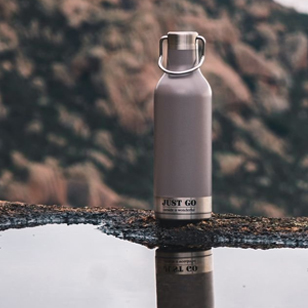
For example, a company focused on outdoor lifestyles may prefer a practical and durable-looking design that holds up to a hiking trail. A business targeting office users may choose a cleaner appearance that fits professional environments and sits comfortably on a conference table.
The same basic bottle category can therefore support genuinely different brand directions depending on who's actually reaching for it.
How Appearance Design Influences Product Positioning
Appearance is one of the key things customers notice when evaluating a physical product on a shelf or viewing it in an online photo.
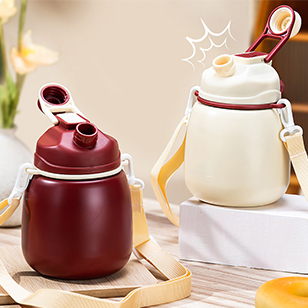
A bottle with a simple shape may communicate a genuinely different idea from one with a more distinctive silhouette. Surface texture can also change how the product feels in the hand and how it appears next to competitors on a retail shelf.
This makes appearance design closely connected with product positioning from the earliest sketches.
A company can consider:
- Target customer preferences
- Product usage scenarios
- Brand colors
- Bottle proportions
- Surface treatment
- Lid appearance
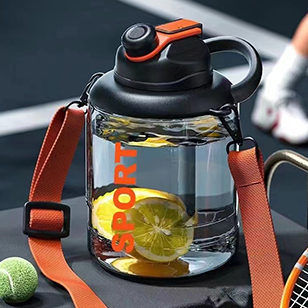
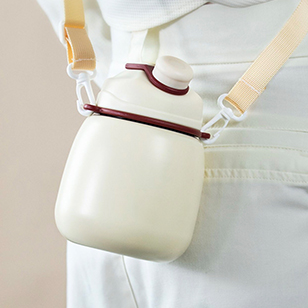
- Carrying method
The design should reflect the actual purpose of the product, rather than simply looking interesting on its own.
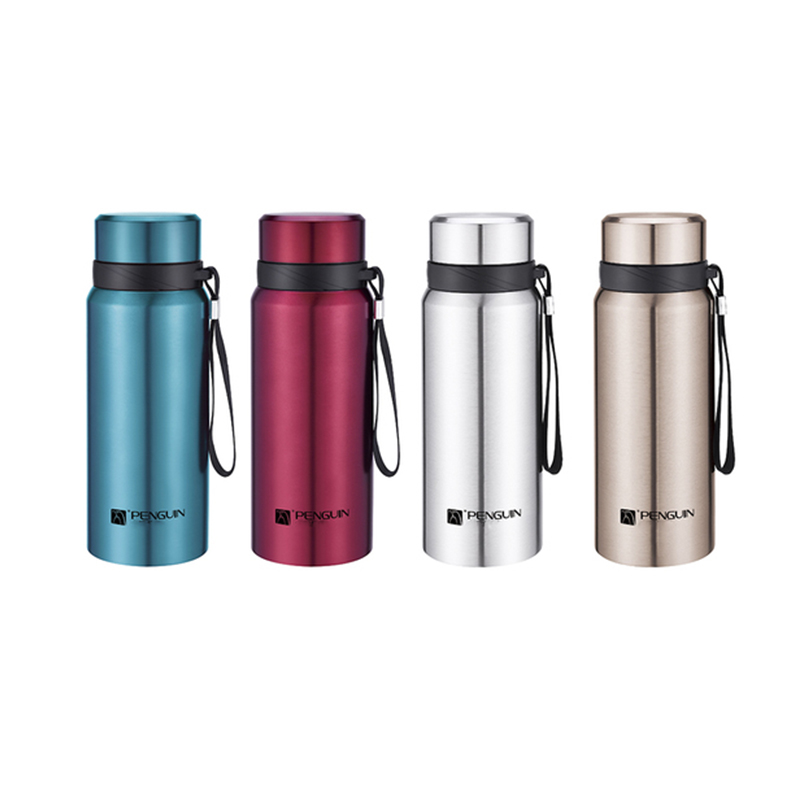
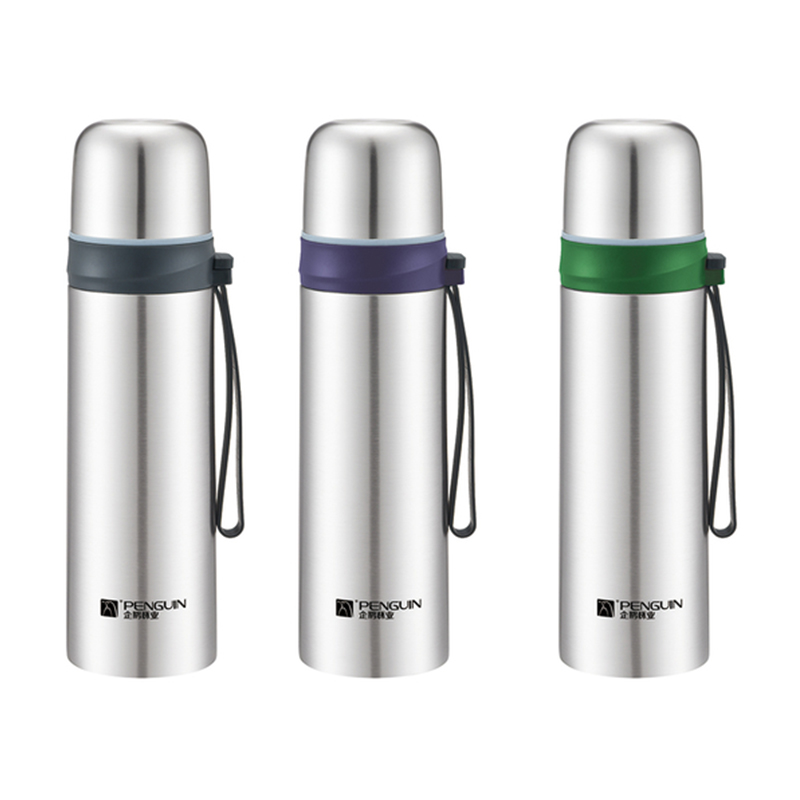
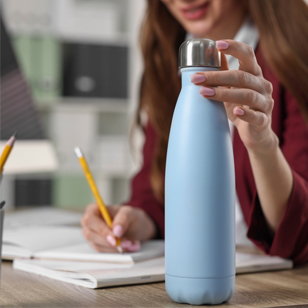
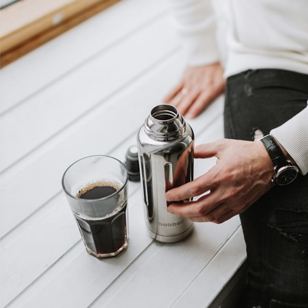
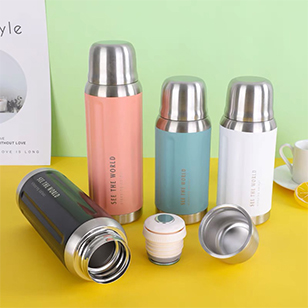
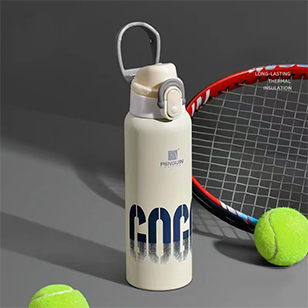
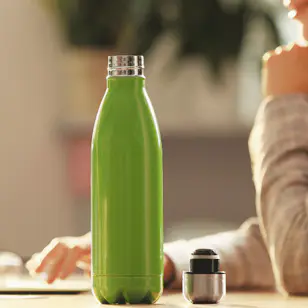
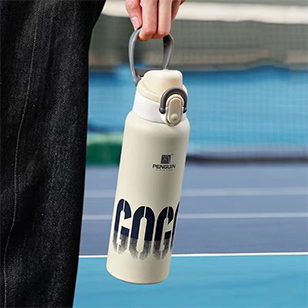
A Bullet Thermos Flask, for example, has a distinctive shape that can support a compact and recognizable product identity. It may appeal to buyers who prefer a particular visual style, rather than settling for a conventional bottle shape they've seen a hundred times before.
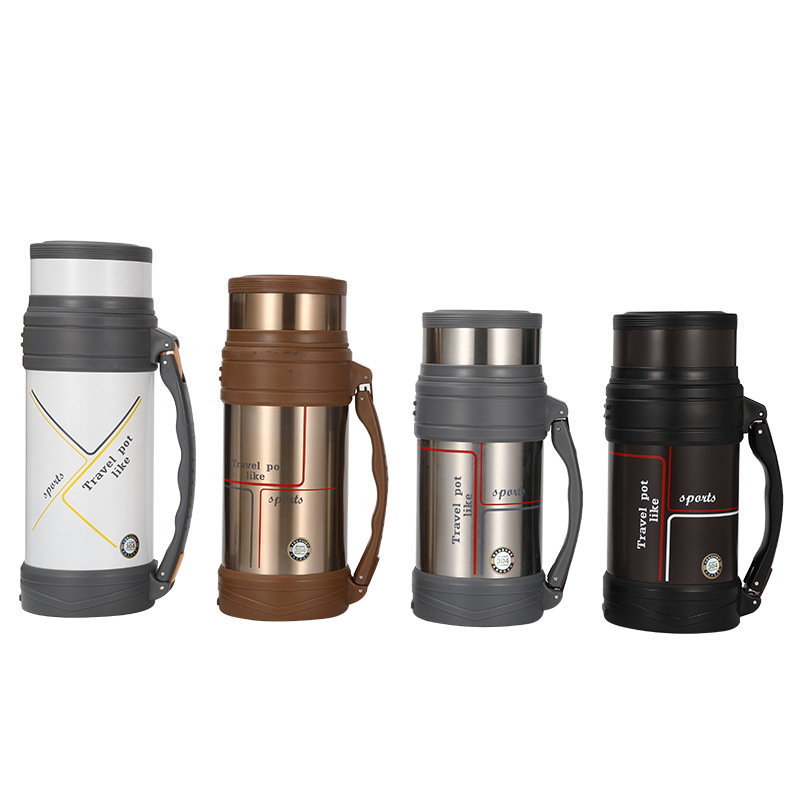
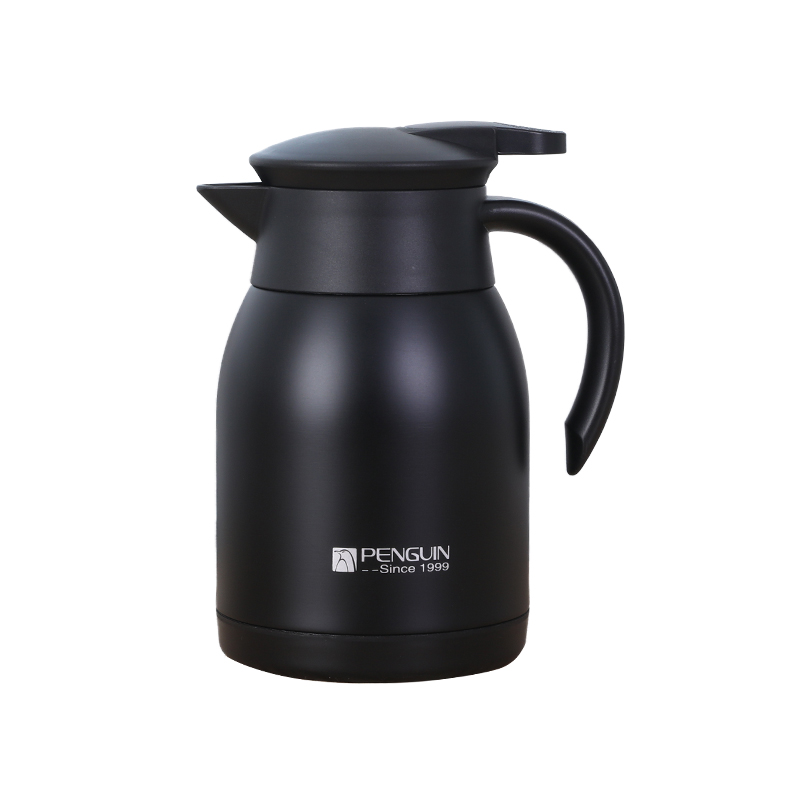
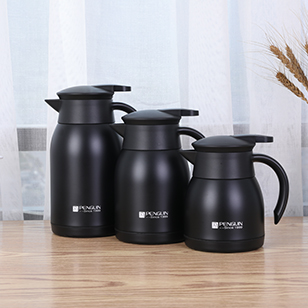
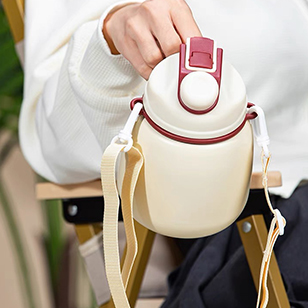
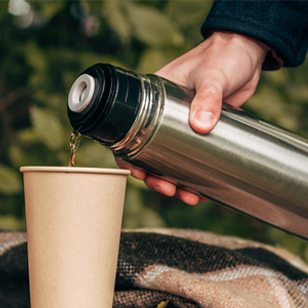
A Vacuum Insulated Travel Pot can take a genuinely different direction instead. Its design may focus more on travel use, portability, and practical daily handling for someone moving between locations throughout the day.
Neither approach needs to compete directly with the other in a brand's lineup. Each can serve a different product position within the same broader strategy.
What Role a Vacuum Insulated Travel Pot Plays in Product Development
A Vacuum Insulated Travel Pot can get positioned around mobility and everyday convenience, built for a life that doesn't stay in one place.
Travel products need to fit naturally into different situations without demanding extra thought. Customers may carry them during commuting, outdoor activities, road trips, or ordinary workdays packed with meetings.
This makes practical details genuinely important to the whole design.
The product may need to feel easy to carry and simple to use without fumbling. The opening, lid, handle, and overall shape should work together, rather than appearing as separate design choices bolted onto each other.
For brand development, these details create real opportunities for differentiation from competitors offering something similar.
A company could develop a travel-oriented product line with a consistent visual language running across different drinkware products in its catalog.
For example, different brand directions tend to call for different design priorities.
| Brand Direction | Product Design Focus |
|---|---|
| Outdoor lifestyle | Practical handling and rugged visual character |
| Office use | Clean appearance and easy daily use |
| Travel products | Portability and convenient storage |
| Gift products | Presentation and packaging |
| Wellness lifestyle | Simple appearance and reusable positioning |
This approach allows one product category to become part of a genuinely broader brand system, rather than sitting isolated as a single item.
The bottle becomes a lot more than a container in this framing. It becomes one expression of the brand's product philosophy, carried into daily use.
How a Bullet Thermos Flask Can Create Market Differentiation
Product differentiation doesn't always require inventing a completely new product category from scratch.
Sometimes a recognizable shape can give an item a genuinely different identity on its own, without much else changing.
The Bullet Thermos Flask is an example of how form can influence product perception directly. Its distinctive silhouette can separate it visually from conventional cylindrical drinkware crowding the same shelf.
For brands, this can create opportunities in several areas worth exploring.
- Gift collections
- Promotional products
- Lifestyle merchandise
- Outdoor product lines
- Specialty retail
Shape can also influence packaging design in ways that extend the visual story further.
A product with a distinctive profile may require packaging that presents the form clearly, rather than hiding it in a generic box. The box, internal support, graphics, and product photography can all get designed around that shape specifically.
This creates a more cohesive customer experience from the initial impression through to unboxing.
However, distinctive appearance should still serve practical use above all else. A product that looks different but feels inconvenient may struggle to build repeat interest once the novelty wears off.
Good customization considers both visual recognition and everyday usability together, rather than sacrificing one for the other.
How Customization Can Support Different Target Customers
Not every customer wants the same bottle, no matter how well-designed it might be in general terms.
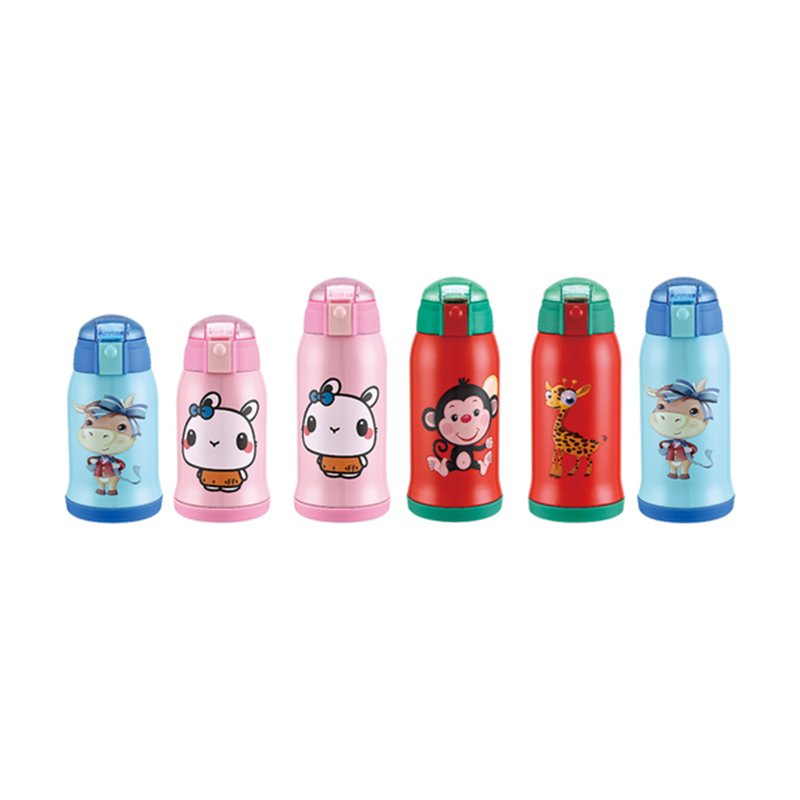
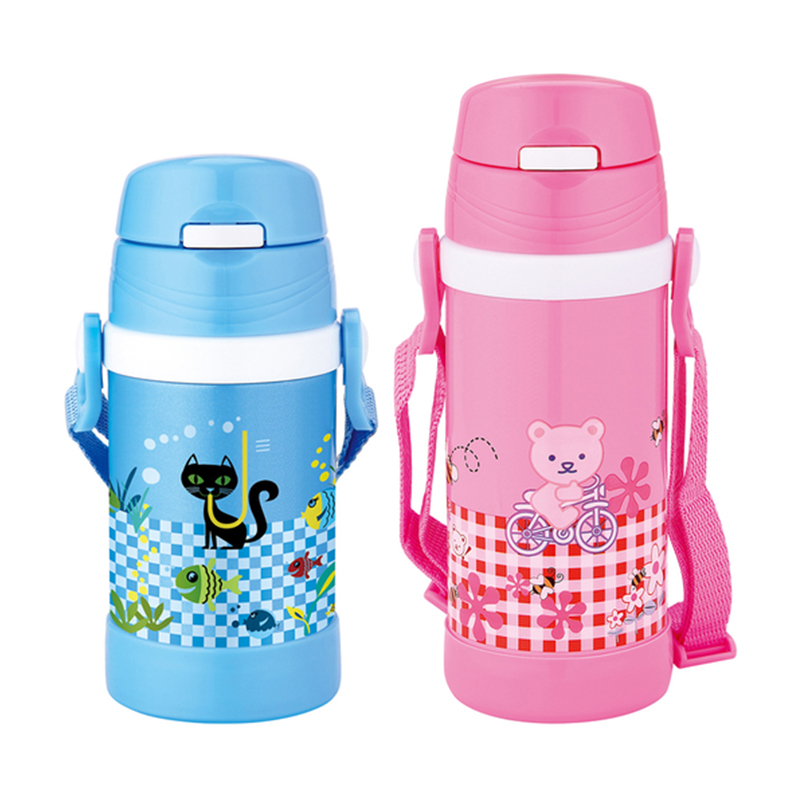
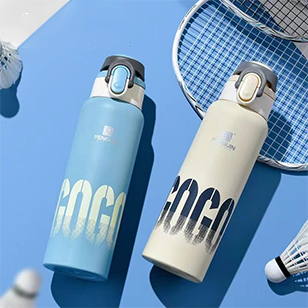
A product aimed at students may have genuinely different design expectations from one intended for business gifts handed out at a conference. Outdoor users may value practical handling above all else, while lifestyle consumers may pay more attention to appearance and packaging instead.
Customization allows brands to develop products around these real differences, rather than compromising toward some average buyer who doesn't actually exist.
A company can define the intended customer before making detailed design decisions that lock in direction.
Questions may include:
- Who will use the product?
- Where will it be used?
- What visual style suits that audience?
- How will the product be carried?
- What packaging experience is appropriate?
- What brand message should the product communicate?
These questions help prevent unnecessary design choices that don't actually serve anyone in particular.
A Custom Vacuum Bottle can then get developed around a specific product position, rather than simply adding decorative elements to an existing model already on the shelf.
This can make the product genuinely easier to place within a broader product range as the brand grows.
Why Packaging Matters for Custom Vacuum Bottles
Packaging is part of the product experience, not a separate afterthought tacked on at the end.
A bottle may have a carefully developed appearance, but weak packaging can make the overall presentation feel disconnected the moment a customer opens the box.
Packaging can communicate the product's intended use while reinforcing brand identity during the unboxing experience.
Important elements may include several working together.
| Packaging Area | Brand Function |
|---|---|
| Box structure | Supports product presentation |
| Graphic design | Communicates visual identity |
| Product imagery | Shows the intended lifestyle |
| Color selection | Connects packaging with the bottle |
| Product information | Helps customers understand use |
| Internal arrangement | Protects and presents the product |
For retail products, packaging also carries a genuinely practical role beyond looks.
The product may spend time on shelves, in warehouses, or during shipping across long distances. Packaging needs to protect the bottle while still presenting it clearly the moment it reaches a shopper's hands.
For gift-oriented products, the packaging experience can become even more important to the overall impression.
A coordinated bottle and package can make the product feel like a complete brand offering, rather than a generic promotional item handed out without much thought.
How Stainless Steel Vacuum Flask Manufacturers Can Support Brand Customization
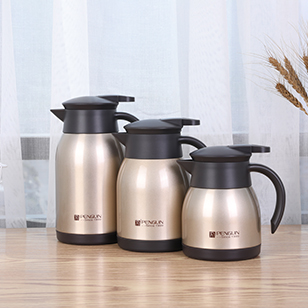
Stainless Steel Vacuum Flask Manufacturers can play a genuinely important role in turning a design concept into an actual physical product a customer can hold.
Customization may involve a lot more than surface printing applied at the last step.
Depending on the manufacturer's capabilities, brands may discuss several areas together.
- Bottle shape
- Surface finish
- Color
- Lid structure
- Logo application
- Packaging
- Product combinations
- Customized product development
The manufacturing process can influence which design ideas are actually practical to produce at scale.
This makes communication between the brand and manufacturer genuinely important from the earliest conversations.
A clear product brief can help both sides understand the intended customer, use scenario, appearance, and packaging requirements before production starts. Manufacturers can also help identify whether a proposed design is suitable for production, catching issues before they become expensive.
This doesn't mean the manufacturer should determine the brand identity on its own. The brand should establish the product direction, while the manufacturing partner helps translate that direction into a genuinely workable product.
How Product Positioning Can Influence Custom Bottle Design
Product positioning should get established before detailed customization begins in earnest.
A bottle designed for corporate gifting may need a genuinely different appearance from a product intended for outdoor retail sitting next to camping gear.
The difference can appear across many areas of the design.
| Product Position | Possible Design Direction |
|---|---|
| Corporate gift | Refined appearance and coordinated packaging |
| Outdoor product | Practical shape and functional details |
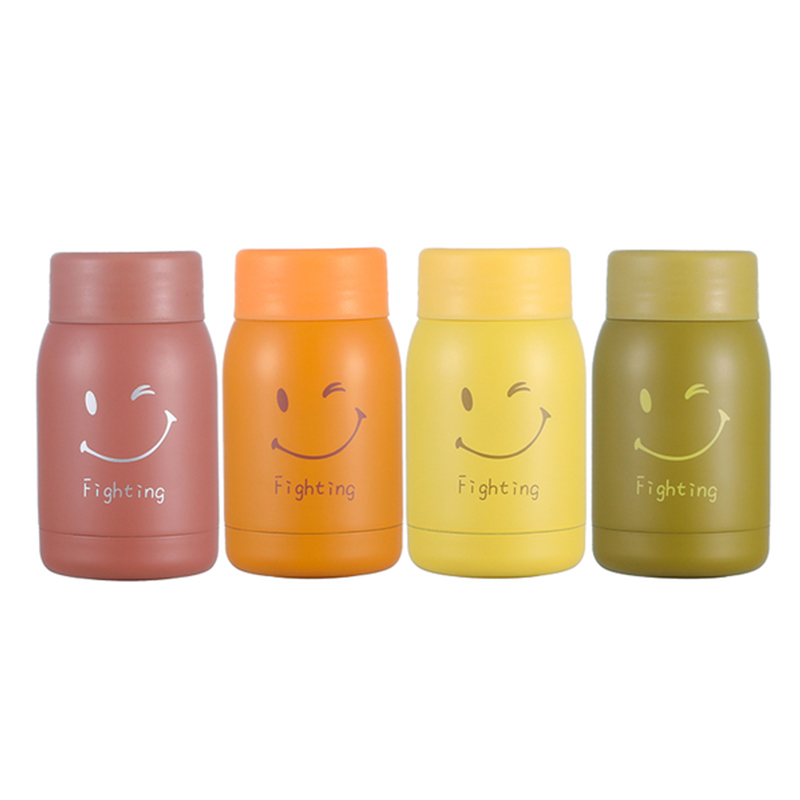
| Lifestyle product | Distinctive appearance and color choices |
| Promotional item | Clear brand visibility |
| Travel product | Portable and easy-to-handle design |
This approach helps keep the design genuinely focused, rather than pulling in every direction at once.
Without a clear position, brands may add too many visual elements chasing different audiences simultaneously. The result can become genuinely difficult for anyone to understand at a glance.
A simple product with a clear purpose can communicate more clearly than a design trying to appeal to every passing customer. Customization is more meaningful when each design choice serves a clear purpose connected to the intended user.
Can Custom Vacuum Bottle Design Support Product Line Expansion?
Once a brand establishes a recognizable visual language, it can get applied across related products without starting from zero each time.
A bottle may become the starting point for a genuinely broader drinkware collection built over time.
The same design elements can appear across several product types.
- Vacuum bottles
- Travel pots
- Thermos flasks
- Tumblers
- Outdoor drinkware
- Gift sets
For example, a company could use a consistent surface finish, color family, logo position, and packaging style across several product types in its catalog.
This creates genuine visual connections between products, so customers recognize the family even without checking a label.
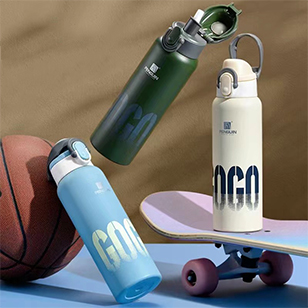
The Vacuum Insulated Travel Pot and Bullet Thermos Flask can therefore occupy different roles while still belonging to the same brand family visually and functionally.
Such consistency can make product expansion a lot easier for customers to understand as new items get added over time.
What Brands Should Discuss With Manufacturers Before Customization
A clear conversation with the manufacturer can prevent genuine misunderstandings during development that cost time later.
Brands should explain the intended market, customer group, product use, appearance, and packaging direction as clearly as possible upfront.
It can also help to separate essential requirements from optional preferences that could flex if needed.
A practical discussion may cover:
- Product purpose
- Target customer
- Preferred shape
- Surface appearance
- Brand identity elements
- Lid and carrying preferences
- Packaging concept
- Expected sales channel
- Product inspection requirements
- Future product line plans
This information gives Stainless Steel Vacuum Flask Manufacturers a genuinely clearer understanding of what the finished product needs to achieve for the brand.
It also helps brands avoid choosing a design simply because it looks attractive in an early concept sketch, without checking whether it actually functions well in daily use.
A bottle needs to work as a physical product, a retail item, and a brand expression all at the same time, not just one of these in isolation.
How Brands Can Balance Differentiation With Everyday Usability
Distinctive design can genuinely attract attention on a shelf, but practical use remains important once the purchase is made.
Customers interact with bottles repeatedly throughout a day. They open the lid, carry the product, place it on a desk, clean it, and store it again before the next use.
A design that ignores these everyday actions may create genuinely unnecessary friction that erodes goodwill over time.
Brand customization should therefore consider both appearance and use together, rather than prioritizing one at the expense of the other.
A useful design review can ask:
- Is the bottle comfortable to hold?
- Is the lid practical for the intended user?
- Does the shape suit the carrying method?
- Is the surface easy to maintain?
- Does the packaging match the product?
- Does the design fit the intended market?
- Does the appearance remain consistent with the brand?
The Custom Vacuum Bottle becomes genuinely more valuable when these elements support one another, rather than working against each other.
A recognizable shape, coordinated packaging, suitable product positioning, and practical daily use can give a bottle a genuinely clear role within a brand's product strategy going forward.
For companies working with Stainless Steel Vacuum Flask Manufacturers, customization can therefore extend from a simple logo application into a genuinely broader process involving product design, customer positioning, packaging, and market differentiation across an entire product line.


- Quick Links
- Home
- Customization
- Products
- News
- About
- Manufacturing
- Contact Information
- Tel : +86-579-86600888
- Phone : +86-18967438668
- Email : [email protected]/ [email protected]
- Add : Area A, Jinyidong Industrial Zone, Huashui Town, Dongyang City, Zhejiang Province, China
- Contact Us

