


 English
  日本語
日本語  Deutsch



Industry News
What Materials Are More Suitable for Beer and Coffee Bottles?
2026-02-06
The choice of bottle material directly affects beverage quality, safety, and durability. For beer, glass is the common material due to its inert nature. Glass does not react with beer, preserving flavor and carbonation. Brown or amber glass is especially popular because it blocks ultraviolet (UV) light, which can cause beer to develop off-flavors, often referred to as "lightstruck" or "skunky" beer. Clear glass is also used, but it is more suitable for products that are less sensitive to light.
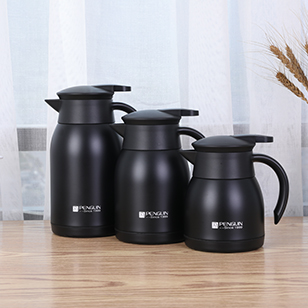
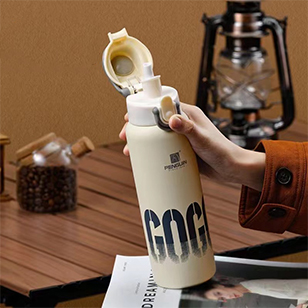
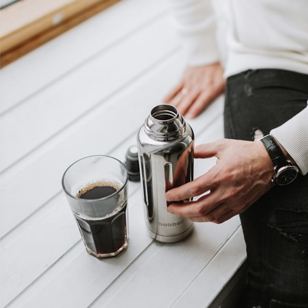
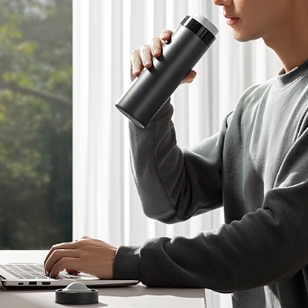
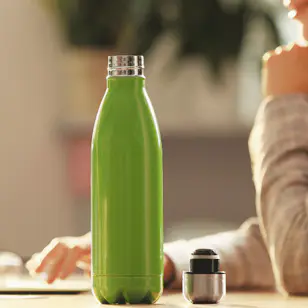
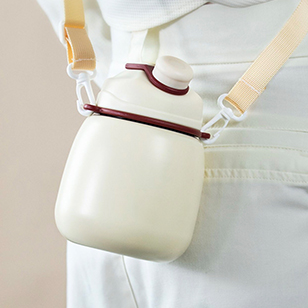
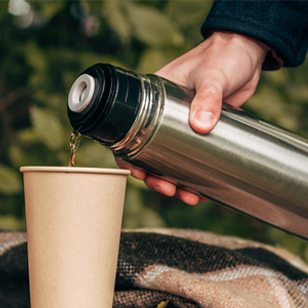
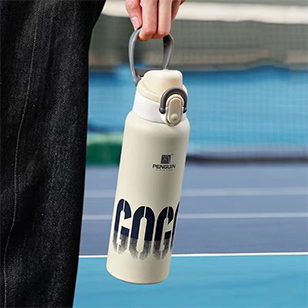
For coffee bottles, materials vary depending on usage. Stainless steel is common for reusable coffee bottles because it offers good insulation, durability, and resistance to corrosion. Plastic bottles can be lightweight and cost-effective but must use food-grade, BPA-free materials to ensure safety. Glass coffee bottles are also popular for their purity and ease of cleaning, though they are more fragile.
How Important Is Insulation for Coffee Bottles?
Insulation is a key factor for coffee bottles because temperature affects taste and safety. A well-insulated bottle keeps coffee hot longer, which is convenient for commuting or outdoor activities. Insulation also helps prevent burns by maintaining a stable external temperature.
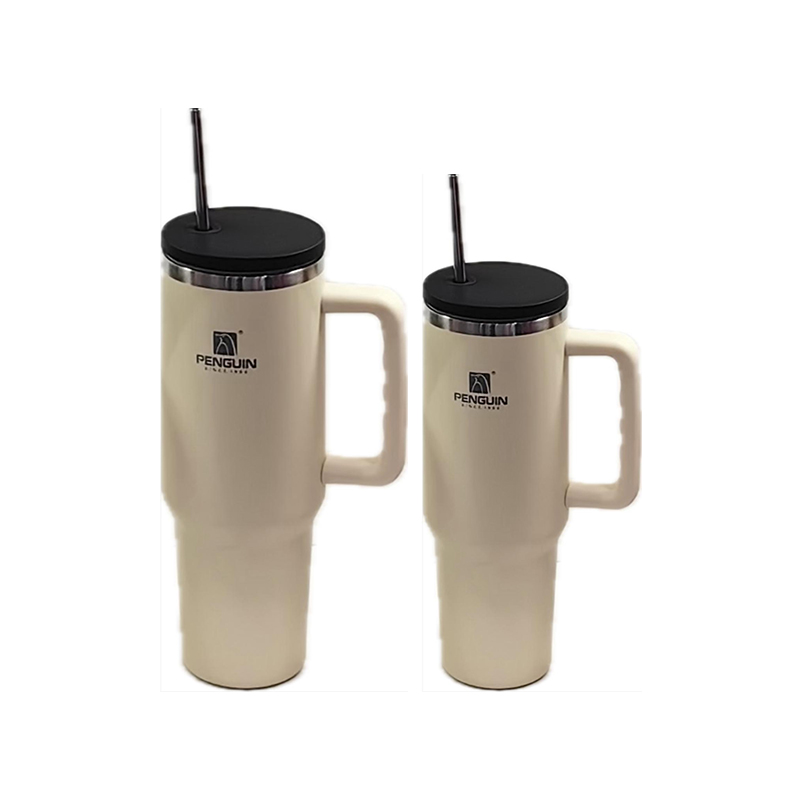
Vacuum Insulation
Many high-quality coffee bottles use vacuum insulation, which reduces heat transfer through conduction and convection. This method can keep beverages hot for several hours and cold for even longer.
Double-wall Construction
Double-wall bottles provide an extra layer of insulation and prevent condensation on the outside, improving grip and comfort.
Lid Design
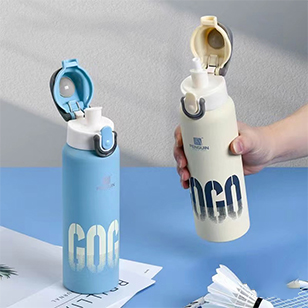
A good lid should seal tightly to prevent leaks while allowing easy drinking. Some bottles include sip lids or spouts for convenience.
For beer bottles, insulation is less critical since beer is typically consumed shortly after opening. However, bottle coolers or sleeves are commonly used to maintain temperature during consumption.
What Are the Main Environmental Concerns?
Sustainability is a major topic for both beer and coffee bottles. Single-use bottles contribute to waste and resource consumption, consumers to seek reusable alternatives.
Reusability and Durability
Reusable bottles reduce waste and are often made from durable materials like stainless steel or glass. The longer a bottle lasts, the lower its environmental impact over time.
Recycling
Glass bottles are highly recyclable and can be recycled repeatedly without losing quality. Stainless steel is also recyclable, though recycling rates depend on local infrastructure.
Packaging and Transportation
For beer, packaging and transportation are significant factors. Glass bottles are heavy, which increases transportation emissions. Some breweries are exploring lightweight glass or aluminum alternatives to reduce carbon footprint.
Consumers should consider both the material and lifecycle of bottles when making environmentally responsible choices.
How Can Consumers Ensure Safety and Hygiene?
Safety and hygiene are especially important for bottles that come into direct contact with beverages, as improper cleaning can bring about bacterial growth and odors.
Cleaning and Maintenance
Regular cleaning is essential. Glass bottles are easy to clean and do not retain odors, making them suitable for both beer and coffee. Stainless steel bottles should be washed thoroughly and dried completely to prevent rust or bacterial growth. For plastic bottles, users should ensure the material is food-grade and replace bottles that show wear or scratches.
Avoiding Cross-Contamination
Using the same bottle for beer and coffee is not recommended unless it is thoroughly cleaned, as residual flavors can affect taste. Some bottles may also retain oils from coffee that are difficult to remove.
Proper Storage
Beer bottles should be stored upright to reduce oxidation and maintain carbonation. Coffee bottles should be kept clean and dry when not in use to prevent mold growth.


- Quick Links
- Home
- Customization
- Products
- News
- About
- Manufacturing
- Contact Information
- Tel : +86-579-86600888
- Phone : +86-18967438668
- Email : [email protected]/ [email protected]
- Add : Area A, Jinyidong Industrial Zone, Huashui Town, Dongyang City, Zhejiang Province, China
- Contact Us

