


 English
  日本語
日本語  Deutsch

 HOME / NEWS / Industry News / What Should You Know About Insulated Water Bottles: Types, Value, and Design?
Industry News
What Should You Know About Insulated Water Bottles: Types, Value, and Design?
2026-03-24
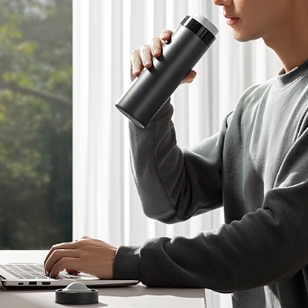
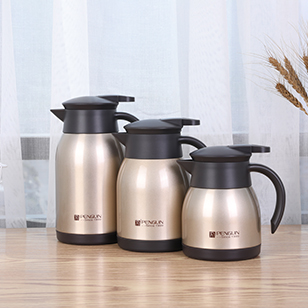
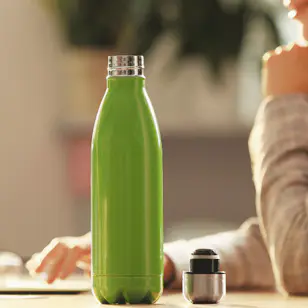
Insulated water bottles manufacturer have become common tools for maintaining beverage temperature during daily routines, travel, and outdoor activities. Unlike standard water bottles, insulated bottles are designed to keep liquids hot or cold for extended periods, making them practical for people with active or mobile lifestyles.
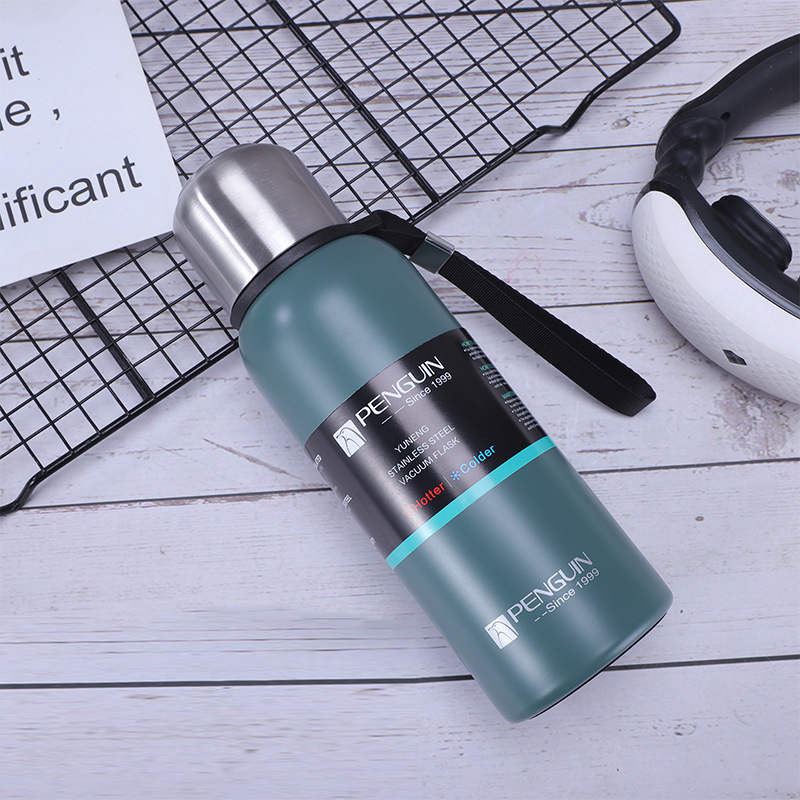
What Types of Insulated Water Bottles Are There?
Insulated water bottles can be classified according to their material, insulation method, and lid or cap style. These distinctions influence durability, thermal performance, and suitability for specific uses.
By Insulation Method
The two main insulation methods used in water bottles are vacuum insulation and foam insulation:
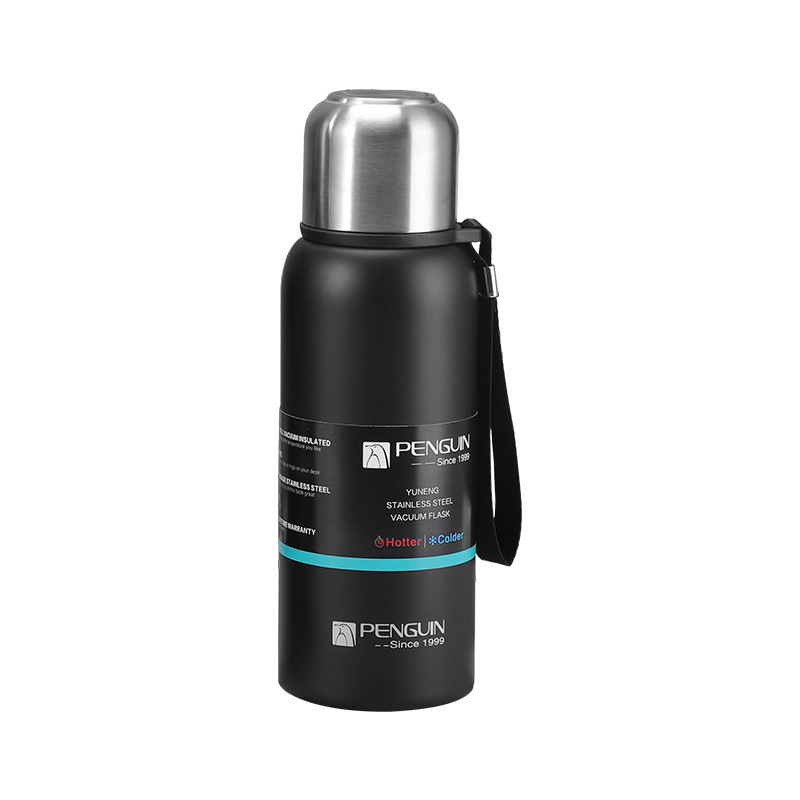
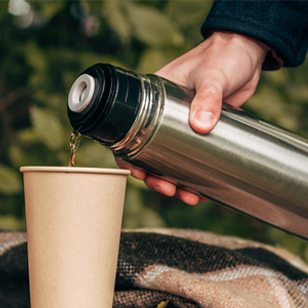
Vacuum-insulated bottles: These bottles feature a double-wall construction with a vacuum between the inner and outer layers. The vacuum layer reduces heat transfer by conduction and convection, maintaining the temperature of the liquid for several hours.
Foam-insulated bottles: Less common than vacuum types, these bottles use an insulating foam layer between the inner and outer walls. Foam insulation provides moderate temperature retention but is usually lighter and less expensive than vacuum designs.
Vacuum-insulated bottles are more frequently used for beverages that need prolonged temperature retention, while foam-insulated bottles may be preferred for lighter, portable options.
By Material
The common materials for insulated bottles include:
Stainless steel: Offers durability, corrosion resistance, and minimal taste transfer. Often used in vacuum-insulated bottles.
Glass: Provides neutral taste and chemical safety, but may require a protective sleeve to prevent breakage.
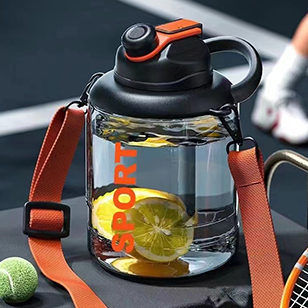
Plastic (BPA-free): Lightweight and often paired with foam insulation. Easier to carry for casual use but generally less effective at maintaining temperature.
Material choice affects both the weight and usability of the bottle.
By Cap or Lid Design
Insulated bottles also differ in lid style, which can influence convenience and portability:
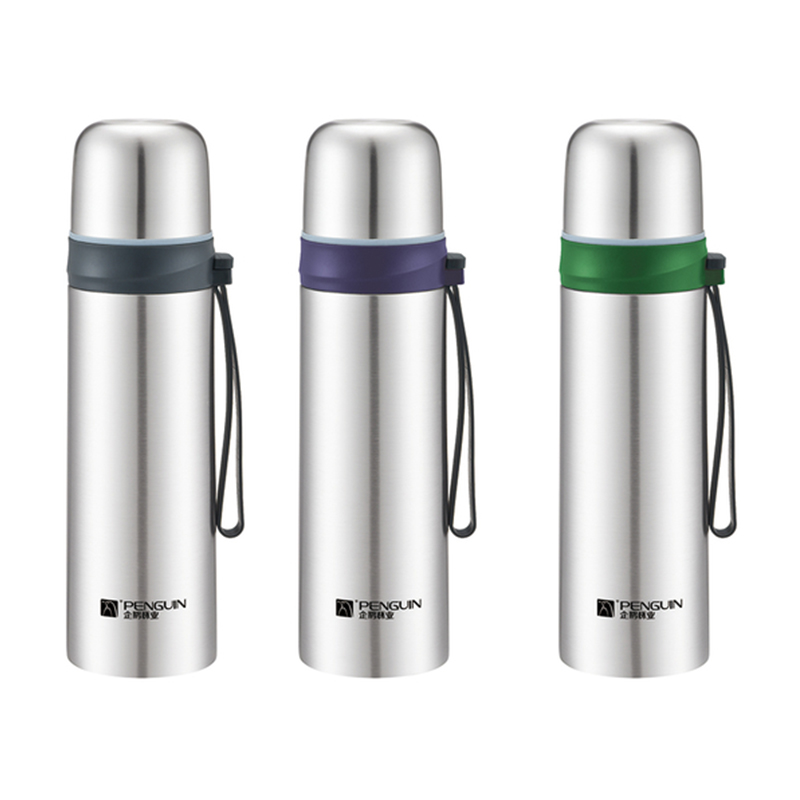
Screw-on caps for tight sealing and reliable temperature maintenance
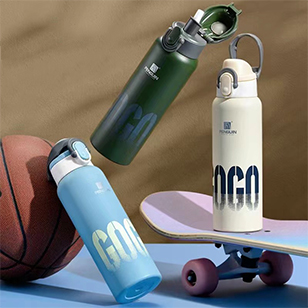
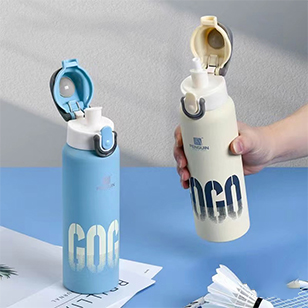
Flip-top lids or spouts for quick drinking
Straw-integrated lids for continuous hydration without tilting
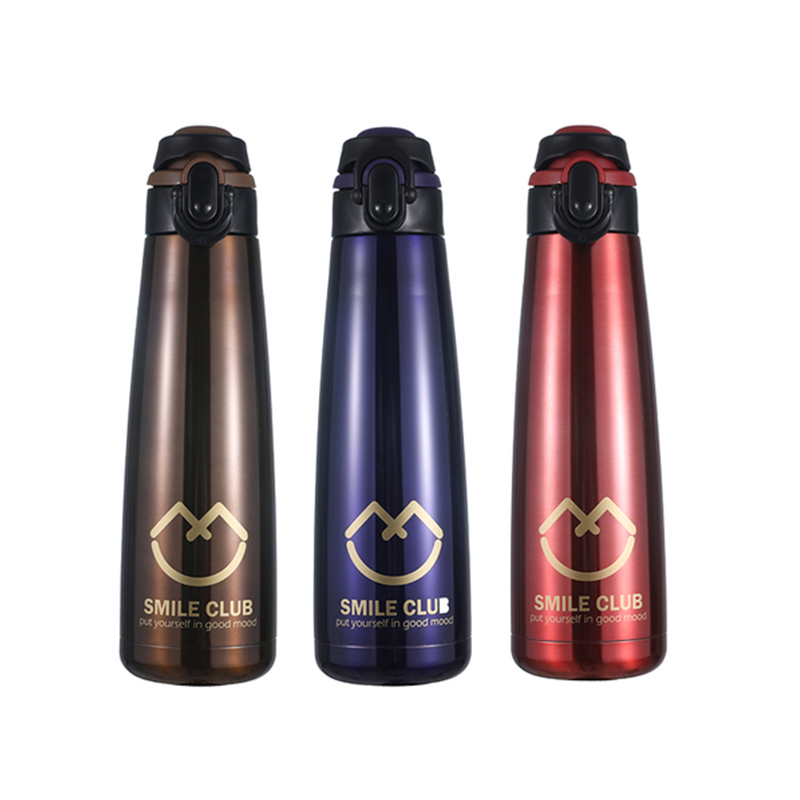
Travel mugs with slide or push-button openings for commuting purposes
These variations allow users to select bottles based on personal preferences, activity type, and convenience needs.
Why Are Insulated Water Bottles Worth Buying?
Insulated water bottles are considered practical investments due to their ability to maintain beverage temperature, support hydration routines, and reduce reliance on disposable containers.
Temperature Retention
The primary advantage of insulated bottles is their capacity to keep liquids hot or cold for extended periods. This feature supports:
Drinking hot beverages such as coffee or tea during morning commutes
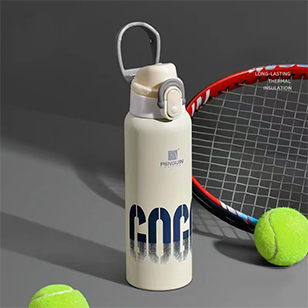
Maintaining cold water or sports drinks during workouts or outdoor activities
Reducing the need to purchase temperature-controlled drinks from stores
Extended temperature retention can improve convenience and comfort in daily routines.
Convenience and Portability
Insulated bottles are designed for repeated use and portability:
Lightweight designs facilitate carrying in backpacks, car cup holders, or gym bags
Leak-resistant lids prevent spills during travel or physical activity
Measurement markings or time indicators help track daily fluid intake
These characteristics make insulated bottles suitable for individuals with active or mobile lifestyles.
Environmental Considerations
Using insulated bottles reduces the dependence on single-use plastic bottles, supporting sustainable practices. Benefits include:
Reusability over long periods
Reduced plastic waste and lower environmental impact
Compatibility with recycling and durable material standards
By choosing insulated bottles, consumers contribute to long-term environmental efficiency.
How Are Insulated Water Bottles Designed?
The design of insulated water bottles combines thermal engineering, structural durability, and usability features.
Structural Design
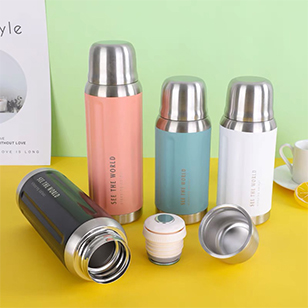
Insulated bottles utilize a double-wall construction:
Inner layer: Holds the liquid and is typically made from stainless steel, glass, or plastic
Outer layer: Provides protection, insulation, and aesthetic appeal
Insulating layer: Either a vacuum or foam between the walls minimizes heat transfer
This layered structure allows bottles to maintain temperature without excessive wall thickness, balancing insulation and weight.
Lid and Sealing Mechanism
Caps and lids are designed to maintain both insulation and spill prevention:
Screw-on caps create a tight seal to prevent air exchange, which can reduce thermal retention
Flip-top or push-button mechanisms provide convenience for on-the-go drinking while maintaining a controlled seal
Gaskets and silicone rings enhance sealing efficiency
Effective lid design is essential to maintain both temperature and leak prevention.
Material and Surface Treatment
The choice of materials influences both durability and user experience:
Stainless steel provides strength and corrosion resistance
Plastic lids or protective sleeves reduce weight and impact risk
Coatings and finishes improve grip, aesthetic appeal, and scratch resistance
Surface treatment and material selection are key to long-term usability and satisfaction.
Additional Functional Features
Modern insulated bottles may include:
Measurement scales for monitoring water intake
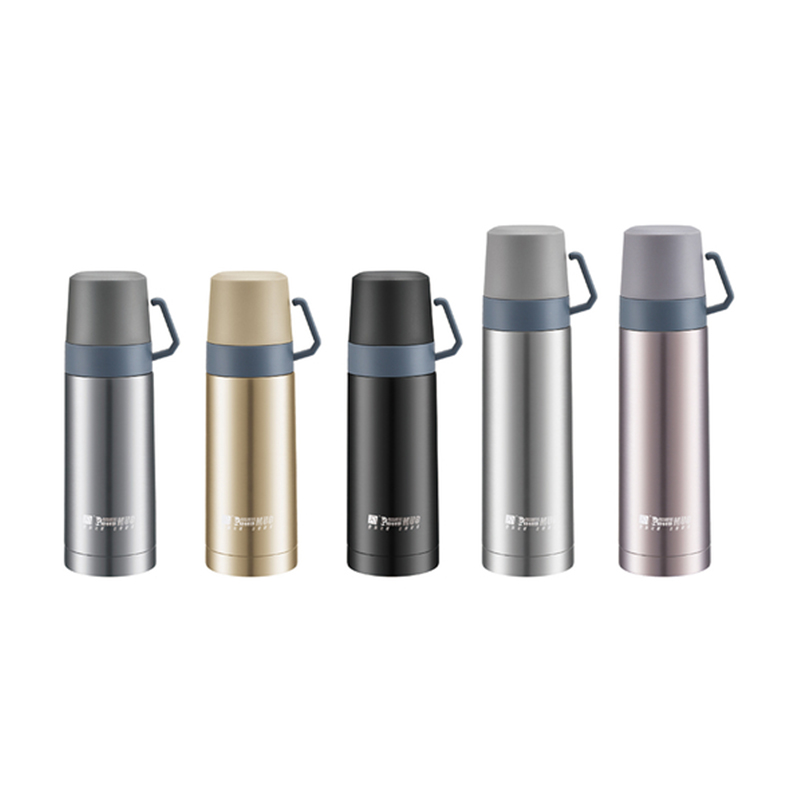
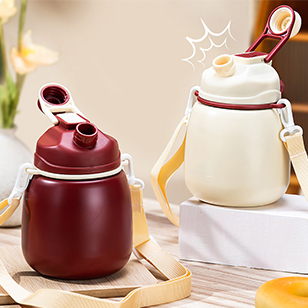
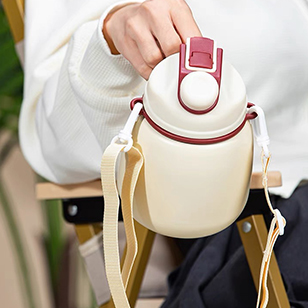
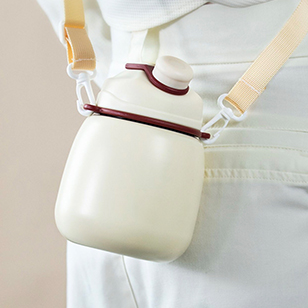
Detachable handles or straps for carrying convenience
Anti-slip bases for stability on flat surfaces
Integrated filters for tea or infused water
These features enhance usability and support diverse consumer needs.


- Quick Links
- Home
- Customization
- Products
- News
- About
- Manufacturing
- Contact Information
- Tel : +86-579-86600888
- Phone : +86-18967438668
- Email : [email protected]/ [email protected]
- Add : Area A, Jinyidong Industrial Zone, Huashui Town, Dongyang City, Zhejiang Province, China
- Contact Us

