


 English
  日本語
日本語  Deutsch

 HOME / NEWS / Industry News / From Glass to Stainless: What Materials Are Used in Today's Beer and Coffee Bottles?
Industry News
From Glass to Stainless: What Materials Are Used in Today's Beer and Coffee Bottles?
2026-03-20
The containers used for beer and coffee are far more than simple vessels. They are engineered products designed to preserve flavor, maintain temperature, withstand pressure, and survive the rigors of shipping and daily use. The material chosen for a bottle directly impacts the shelf life of the beverage, the drinking experience, and the environmental footprint of the package.
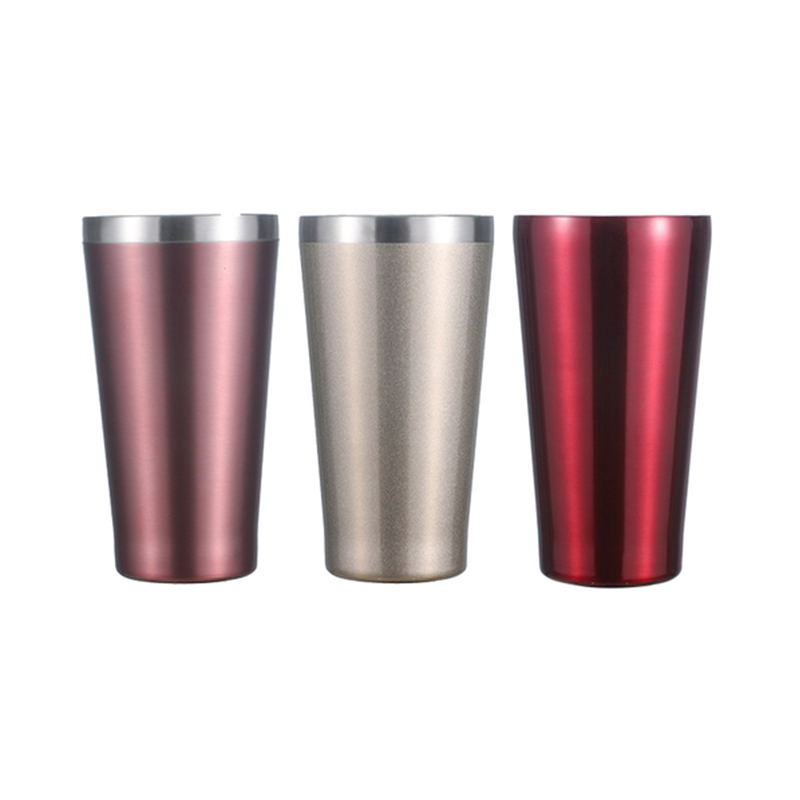
Glass: The Traditional Standard for Flavor Purity
Glass remains the material closely associated with premium beverages, particularly craft beer and specialty coffee. Its chemical properties and transparency offer distinct advantages that other materials struggle to replicate.
Chemical Inertness: Glass is non-porous and chemically inert, meaning it does not react with the contents it holds. For beer, this is critical because the beverage can be sensitive to metallic ions or other compounds that might leach from different container materials. Glass does not impart any flavor to the beer or coffee, preserving the intended taste profile exactly as the brewer or roaster formulated it.
Barrier Properties: Glass provides an absolute barrier to oxygen and moisture vapor. For beer, oxygen ingress can cause staling and off-flavors over time. For coffee, oxygen degrades freshness and causes loss of aromatic compounds. Glass bottles, when properly sealed, maintain beverage quality for extended periods.
Variations in Glass Composition:
Soda-lime glass: This is the common type of glass used for beverage bottles. It is composed primarily of silica sand, soda ash, and limestone. It is economical to produce and suitable for single-use containers.
Borosilicate glass: Used for some reusable coffee bottles and laboratory glassware, borosilicate glass contains boron trioxide, which gives it a much lower coefficient of thermal expansion. This means it can withstand sudden temperature changes without cracking, making it suitable for pouring hot coffee into a cold bottle or for use with boiling water.
Color Considerations: Beer bottles are commonly brown, green, or clear. The color serves a functional purpose. Brown glass offers the protection against ultraviolet and blue light, which can react with hop compounds in beer to create a "skunked" flavor. Green glass offers moderate protection but is traditionally associated with certain European beer styles. Clear glass offers minimal light protection and is typically used only for beers that are not hop-sensitive or that will be consumed quickly.
Weight and Reusability: Glass is heavier than alternatives, increasing transportation costs and energy consumption. However, glass bottles are infinitely recyclable without loss of quality, and many systems exist for returnable glass bottles that are washed and refilled multiple times.
Aluminum: Lightweight and Rapidly Cooling
Aluminum has become increasingly prevalent in the beverage market, particularly for beer in cans and for some insulated coffee bottles. Its physical properties offer distinct logistical and functional advantages.
Weight and Transportation: Aluminum is significantly lighter than glass, reducing shipping costs and the energy required for transportation. This weight advantage also makes aluminum bottles and cans more convenient for consumers to carry, particularly for outdoor activities.
Thermal Conductivity: Aluminum conducts heat much more rapidly than glass. This property is a double-edged sword. For beverages intended to be consumed cold, aluminum allows the contents to chill quickly in a refrigerator or cooler. However, it also means the beverage warms up quickly once removed from cooling, and condensation forms rapidly on the exterior surface.
Barrier and Lining Requirements: While aluminum provides an barrier to light, oxygen, and moisture, it is reactive with acidic beverages. Beer and coffee are both somewhat acidic. Therefore, all aluminum beverage containers are coated on the interior with a food-grade polymer lining, typically an epoxy-based material or a newer BPA-free alternative. This lining prevents direct contact between the beverage and the metal, avoiding flavor degradation and corrosion.
Light Protection: Aluminum is completely opaque, providing 100 percent protection against light. This eliminates the risk of light-struck flavor in beer, making aluminum cans and bottles an choice for hop-forward styles.
Form Factors: Aluminum is used in two primary configurations for these beverages:
Aluminum cans: The common format for beer, lightweight, stackable, and economical.
Aluminum bottles: Often used for craft beer and some coffee beverages, these mimic the shape of traditional bottles but offer the weight and conductivity advantages of aluminum. They typically use screw-cap closures rather than crowns.
Stainless Steel: The Reusable Insulated Vessel
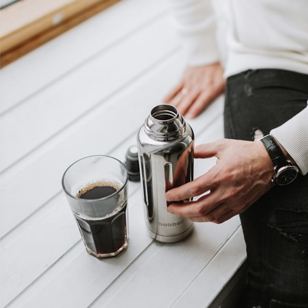
For consumers seeking durable, reusable containers that maintain beverage temperature, stainless steel has become the dominant material, particularly for coffee bottles and an increasing segment of beer growlers and drinkware.
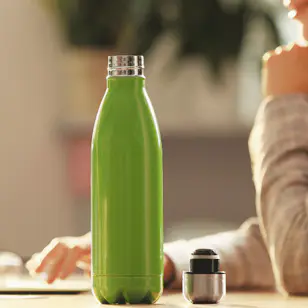
Durability and Longevity: Stainless steel is exceptionally strong and resistant to denting, cracking, and breaking. A well-made stainless steel bottle can withstand years of daily use, dropping, and rough handling that would destroy glass or ceramic containers. This durability makes it the material of choice for reusable bottles intended for long service life.
Corrosion Resistance: The "stainless" property comes from the addition of chromium, which forms a passive layer of chromium oxide on the surface, preventing rust and corrosion. For beverages like coffee, which is somewhat acidic, and beer, this resistance is essential.
Grade 304 (18/8) stainless steel: This is the common grade for food and beverage containers. It contains 18 percent chromium and 8 percent nickel, offering corrosion resistance and good formability.
Grade 316 stainless steel: Contains molybdenum for enhanced corrosion resistance, particularly against chlorides. It is sometimes used for marine environments or for those who desire the absolute higher corrosion resistance, though it is more expensive.
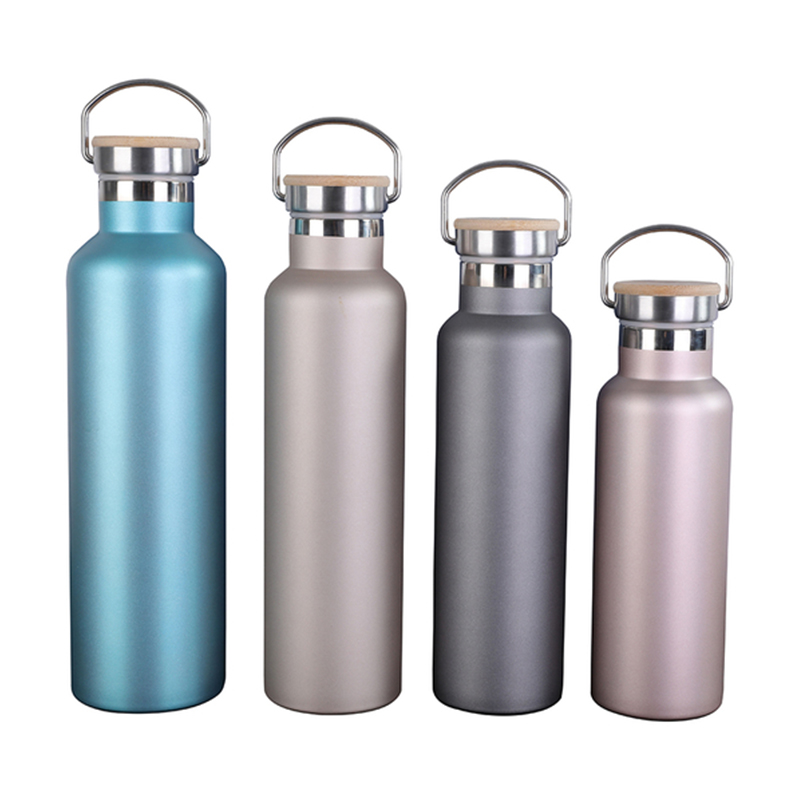
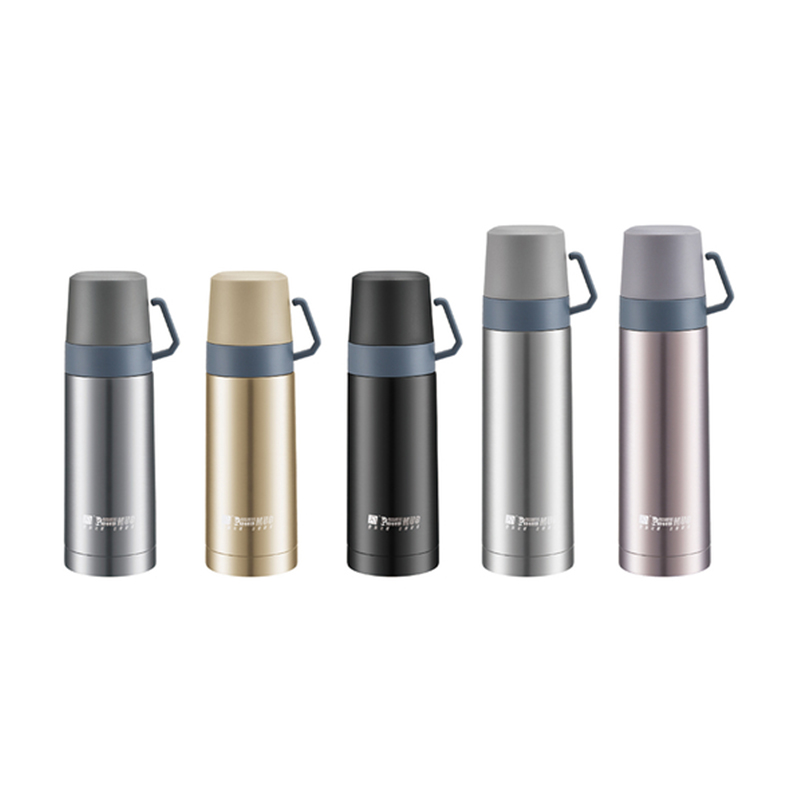
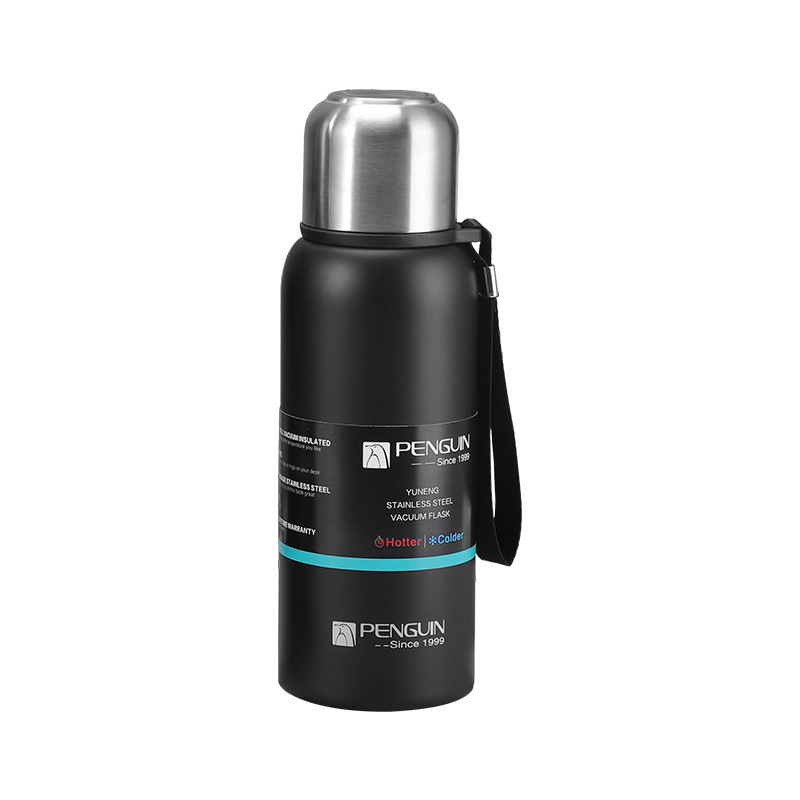
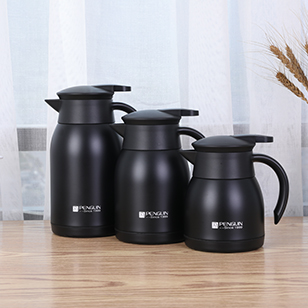
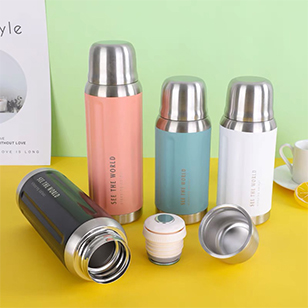
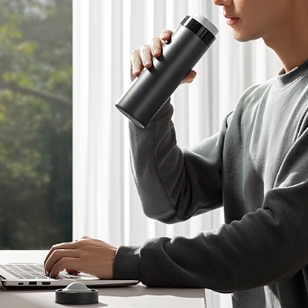
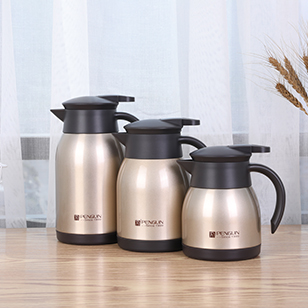
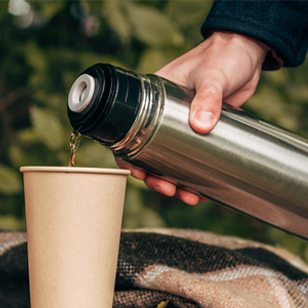
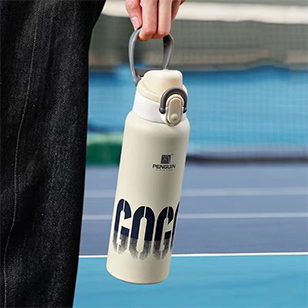
Insulation Capabilities: Stainless steel bottles are frequently manufactured as double-walled vacuum-insulated containers.
Two layers of stainless steel are separated by a space from which the air is evacuated, creating a vacuum. This vacuum virtually eliminates heat transfer by conduction or convection.
This construction allows the bottle to keep hot coffee hot for many hours and cold beer cold for equally long periods, without condensation forming on the exterior.
The interior surface is typically electropolished to create a smooth, non-porous surface that resists bacterial growth and is easy to clean.
Taste Neutrality: High-quality stainless steel does not impart flavor to beverages, provided the interior is properly finished and maintained. However, if a bottle is not cleaned regularly, residues can accumulate and affect taste.
Ceramics and Stoneware: Traditional Temperature Stability
Ceramic materials, including stoneware and porcelain, represent a smaller but enduring segment of the market, particularly for coffee drinking vessels and some traditional beer serving containers.
Thermal Properties: Ceramic has thermal mass. Once heated, a ceramic mug or bottle will maintain temperature steadily, providing a consistent drinking experience. It does not conduct heat away from the beverage as rapidly as metal, nor does it feel cold to the touch when holding a hot drink.
Material Composition: Ceramic containers are made from natural clays that are shaped and then fired at high temperatures to vitrify the material, making it hard, dense, and non-porous. A glaze is typically applied, which fuses to the surface during firing, creating a glass-like, impermeable coating.
The glaze is critical for food safety and cleanability. It seals the porous clay body and provides a smooth surface that does not absorb liquids or odors.
Glazes must be food-safe and free from heavy metals that could leach into the beverage, a factor regulated in commercial production.
Fragility: The primary limitation of ceramic is its brittleness. Ceramic bottles and mugs can chip, crack, or shatter if dropped or subjected to thermal shock (sudden temperature change). This limits their use primarily to stationary consumption rather than portable applications.
Aesthetic Qualities: Ceramic is valued for its aesthetic versatility. Glazes can produce an endless variety of colors, textures, and patterns. This makes ceramic a popular choice for specialty coffee shops and artisanal beer serving vessels where presentation is part of the experience.
Emerging and Specialty Materials
Beyond the dominant materials, several others appear in niche applications or specific product segments.
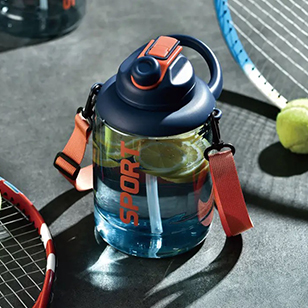
Tritan Copolyester: This is a BPA-free plastic used in some reusable water and coffee bottles. It offers the transparency of glass with the shatter resistance of plastic. It is lighter than glass or stainless steel but does not offer the insulation properties of vacuum-insulated metal, and it can retain odors and flavors if not cleaned thoroughly.
Copper: Copper mugs are traditionally used for serving Moscow Mule cocktails, and copper-lined drinking vessels appear in some contexts. Copper has thermal conductivity, quickly chilling the beverage. However, unlined copper can react with acidic foods and beverages, and health regulations in some jurisdictions restrict its use for direct contact with high-acidity drinks without a protective lining.
Paper-Based Composites: For single-use coffee cups, paperboard with a polyethylene or PLA (polylactic acid) lining is common. This is not typically used for beer due to pressure requirements and longer shelf life needs, but it dominates the to-go coffee market. These materials prioritize low cost and disposability over durability or insulation.


- Quick Links
- Home
- Customization
- Products
- News
- About
- Manufacturing
- Contact Information
- Tel : +86-579-86600888
- Phone : +86-18967438668
- Email : [email protected]/ [email protected]
- Add : Area A, Jinyidong Industrial Zone, Huashui Town, Dongyang City, Zhejiang Province, China
- Contact Us

