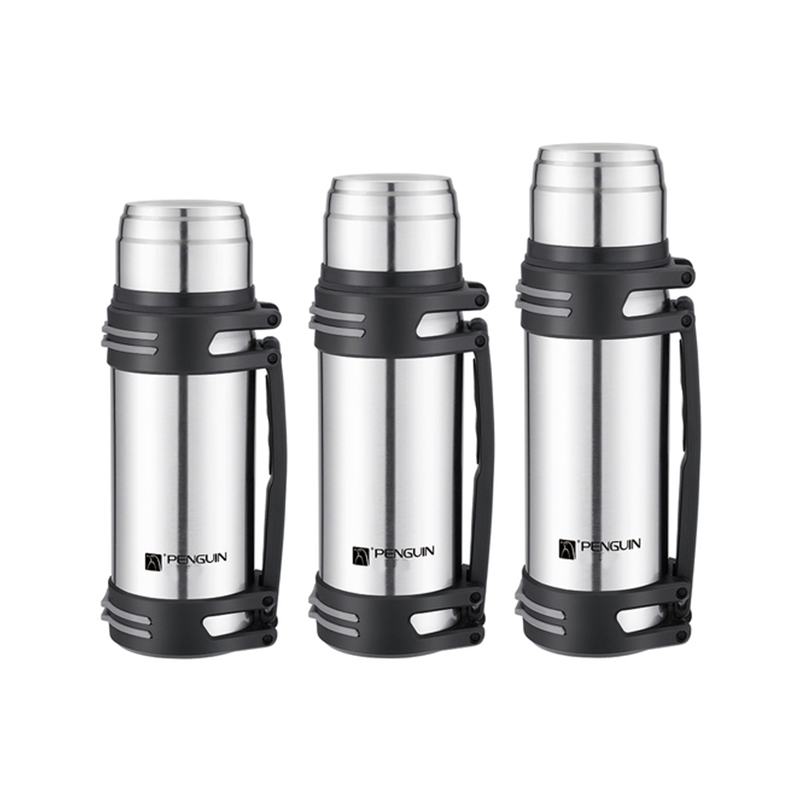
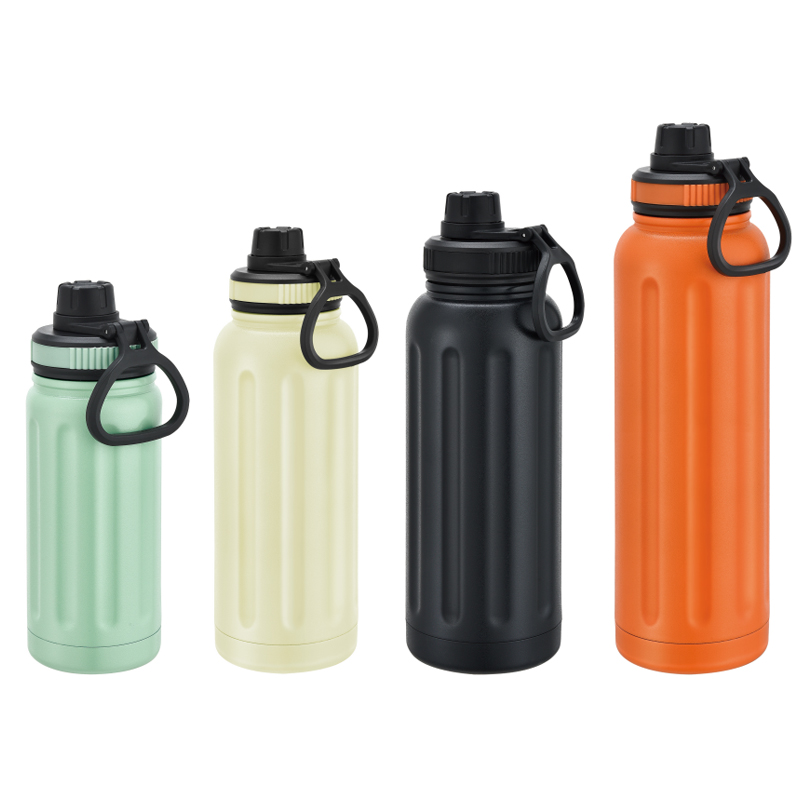
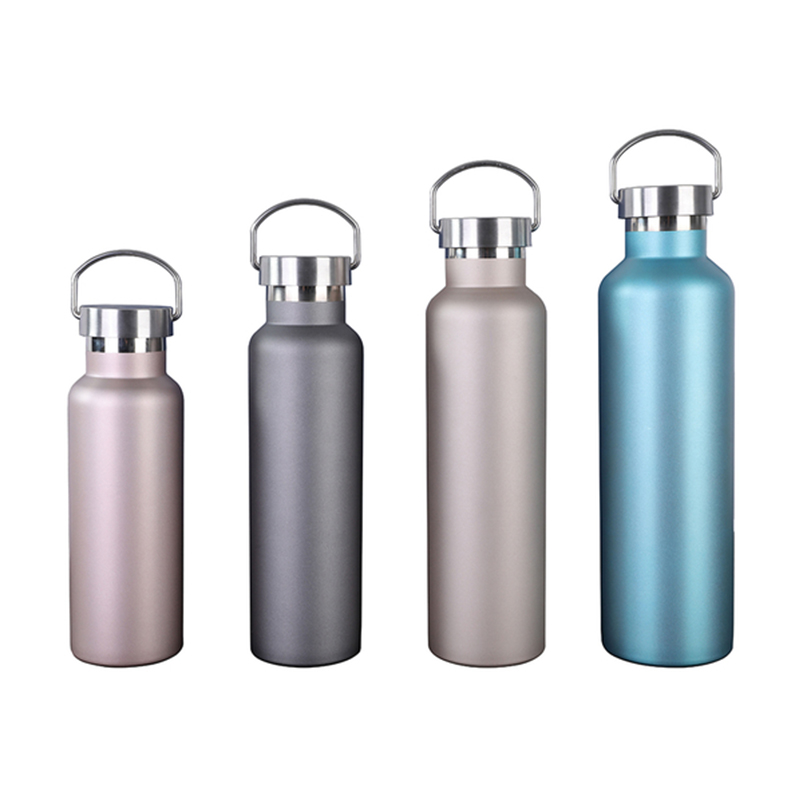
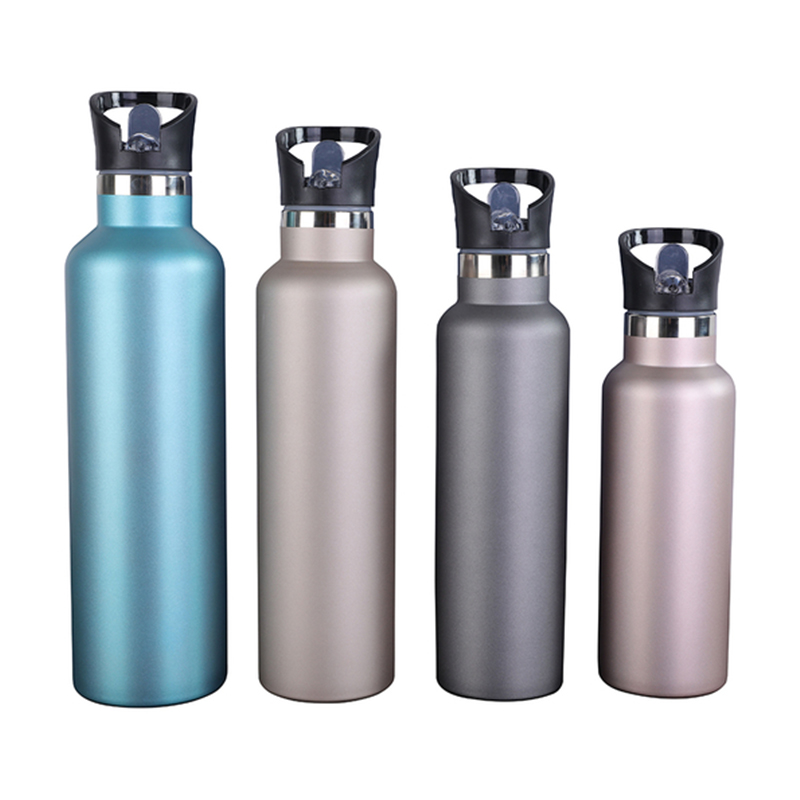
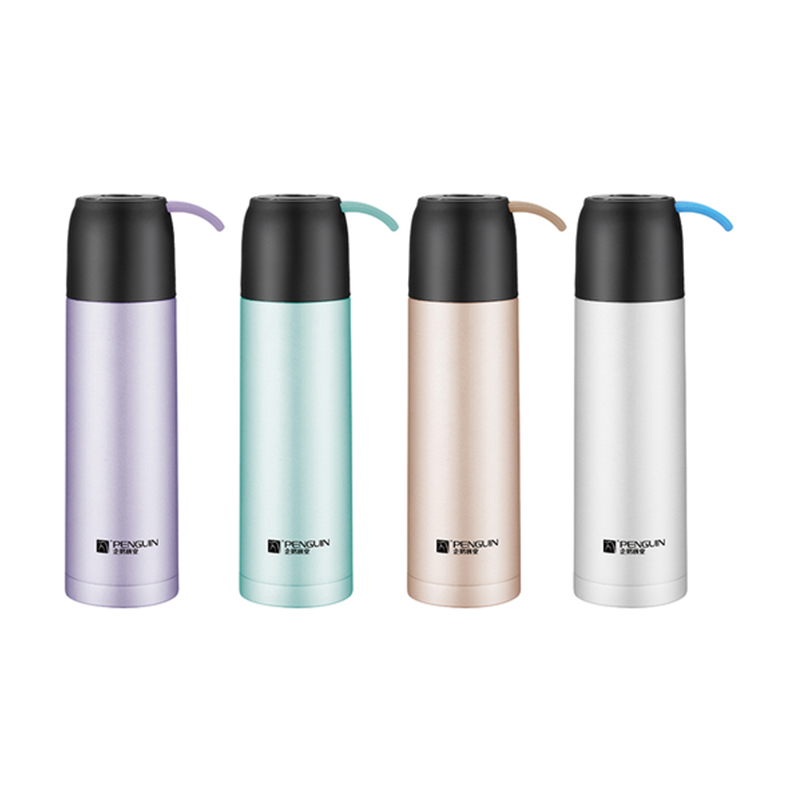
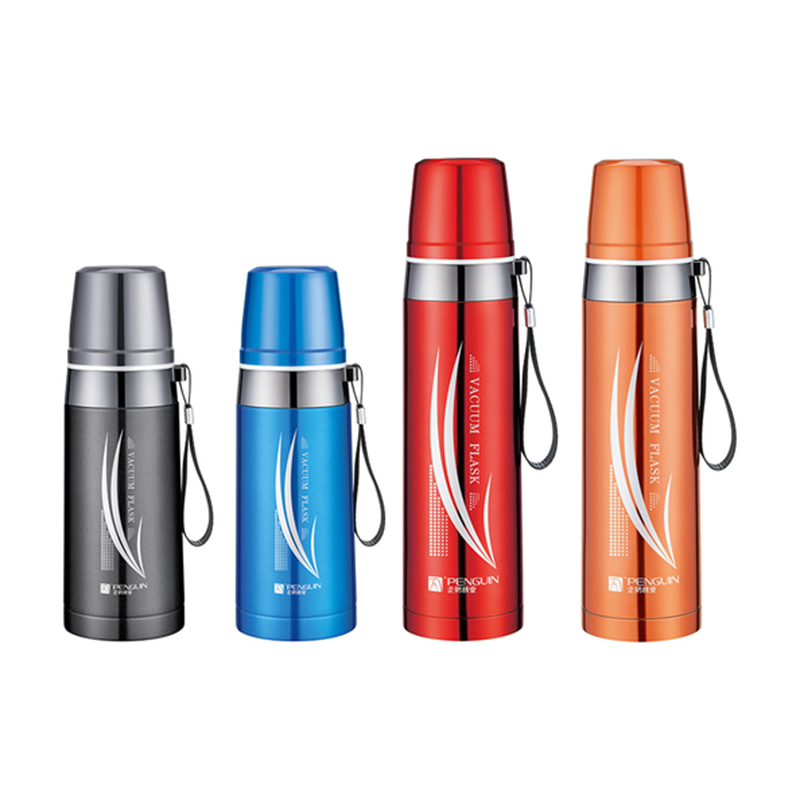
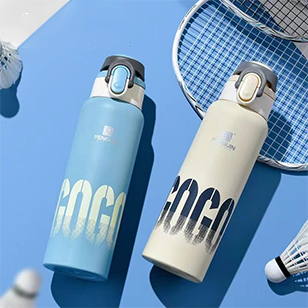
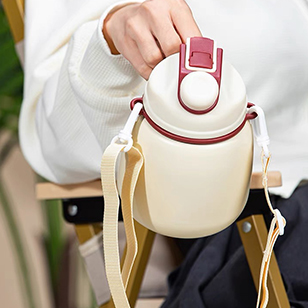
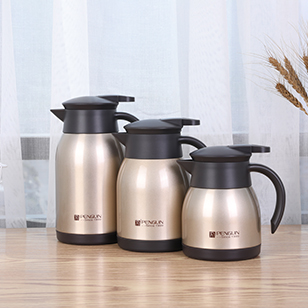
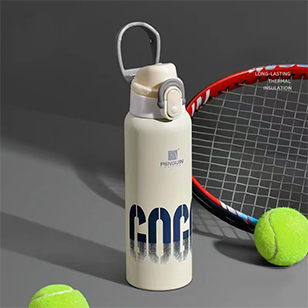
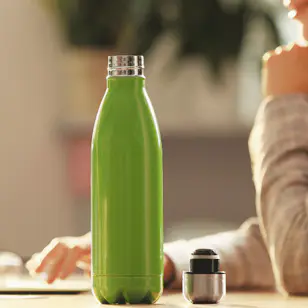
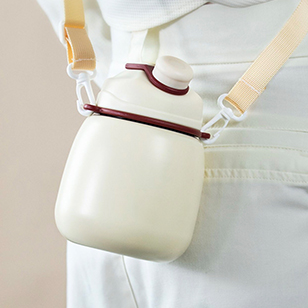
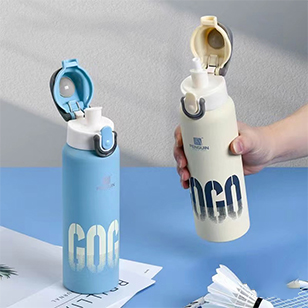
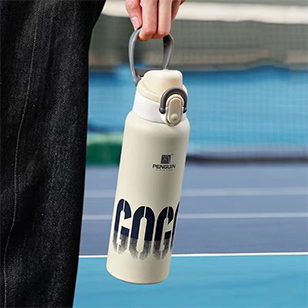
When people buy a vacuum coffee mug, they don't only look at how long it can keep coffee hot or cold anymore. The lid matters too, especially for anyone carrying a drink in a car, backpack, office, or on the way to work.
The mug body may have good insulation, but a badly designed lid can still cause trouble. Coffee can come out around the drinking opening, a slider can move while the mug is in a bag, or liquid can get through the connection between the lid and the cup. For retailers and distributors, small problems like these can turn into returns and customer complaints.
That is one reason leak-resistant lids are becoming an increasingly important feature for vacuum coffee mug products. This doesn't necessarily mean the mug can be thrown upside down without losing a drop. In real use, buyers need to look at how the lid is built, what kind of movement it can handle, and what the manufacturer actually tested.
For B2B suppliers and OEM buyers, the lid is also an area where a product can be made a little different from the next one. Materials, sealing parts, drinking openings, closure methods, and customization all have an effect on the final product.
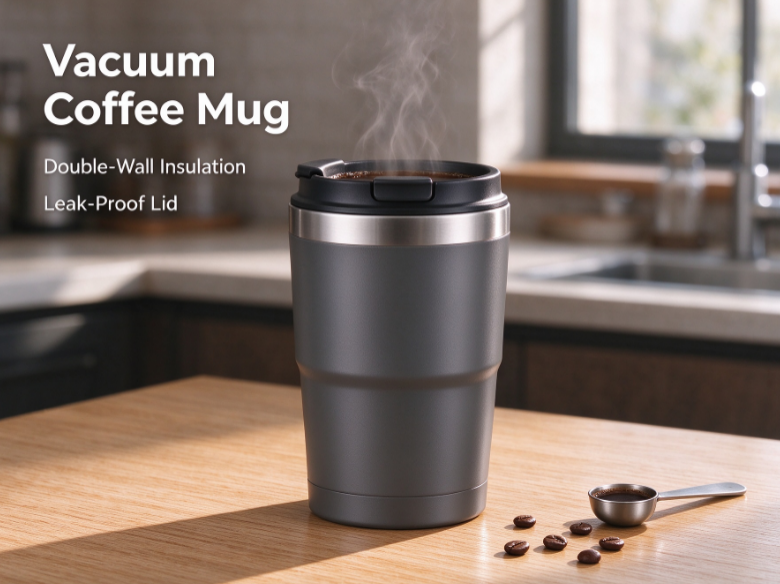
Why the Lid Has Become More Important in Vacuum Coffee Mug Design
A vacuum-insulated mug has a fairly straightforward job. It holds the drink and helps keep its temperature. The lid has to do something else: let the user drink while keeping the liquid where it belongs.
That second part becomes much more important when the mug is moving around.
A mug that spends its day sitting on an office desk doesn't need exactly the same lid as one that gets carried around in a backpack. Someone working in an office may care more about easy opening and cleaning. A driver may want one-hand operation and less chance of spilling when the car hits a bump. Someone using the mug outdoors may want a stronger closure.
So, for product buyers, the lid shouldn't really be treated as just another accessory. It is part of the product itself.
What Makes a Vacuum Coffee Mug Lid Leak-Resistant?
There usually isn't one single part responsible for leak resistance. Several small details have to work together.
The gasket is one of the obvious ones. Silicone and similar flexible materials can be used around the lid connection or drinking opening to close off possible leakage paths.
Then there is the closure mechanism. A mug might use a slider, flip-top, push button, threaded cap, or hinged lid. Each design has its own way of controlling the opening.
The fit between the lid and the mug body matters too. The sealing surface needs enough contact to stop liquid from escaping, but it can't be so tight that users struggle every time they want to open the mug.
Some common parts include:
| Lid feature |
Main function |
Buyer consideration |
| Silicone gasket |
Forms a seal at key joints |
Material, compression, durability |
| Sliding cover |
Controls drinking opening |
Smooth movement and closure |
| Flip-top |
Allows quick access |
Locking and hinge design |
| Push-button mechanism |
Supports one-hand use |
Button reliability |
| Threaded lid |
Provides secure attachment |
Thread accuracy and fit |
| Sealed drinking opening |
Reduces liquid escape |
Ease of cleaning and usability |
The actual sealing result depends on how these parts work together, as well as production accuracy and the way the finished product is tested.
Leak Resistance Can Reduce Common User Complaints
From a B2B point of view, a lid problem can become more than just an annoying defect.
A customer may end up dealing with:
- Coffee spilled inside a bag
- Liquid coming out when the mug is tilted
- A drinking opening that doesn't close properly
- A gasket that keeps coming loose
- A lid that becomes difficult to open
- Coffee residue or odors around the sealing area
None of these sounds like a major engineering problem on its own. But put yourself in the customer's position. A mug that leaks into a laptop bag probably isn't going to get much praise.
Leak resistance can't prevent every possible spill, but it can deal with one of the common complaints about reusable drinkware. That makes it particularly relevant for mugs designed for commuting and other mobile use.
A Tight Lid Still Needs to Be Easy to Use
There is a trade-off here.
A lid can be made very tight, but if the user needs both hands and a lot of force to open it, that isn't necessarily a good solution. People still need to drink, refill, and clean the mug without fighting with the lid.
This is where some designs get complicated.
A gasket with more compression may improve sealing, for example, but it can also make the lid harder to remove. A complicated sliding mechanism might close the opening more securely while also leaving small spaces where coffee residue collects.
For B2B buyers, it makes sense to test both sides of the problem. Don't just check whether the mug leaks. Check whether people can actually use the lid comfortably.
Cleaning Design Matters for Long-Term Lid Performance
A lid that seals well when new may not perform the same way if it is difficult to clean.
Coffee oils and residue can build up around gaskets, sliders, hinges, and small internal channels. If the mug is used for milk-based drinks, cleaning becomes even more important.
Buyers should check:
- Whether the gasket can be removed
- Whether all parts can be washed properly
- Whether there are hidden areas where liquid can collect
- Whether replacement seals are available
- Whether repeated washing changes the fit of the lid
A removable gasket can make cleaning easier, but only if the user can put it back correctly afterward.
For a product that is supposed to be used every day, cleaning needs to be considered during design. It shouldn't be something that gets mentioned only after the product is finished.
How Lid Materials Affect Product Performance
Lid materials affect more than appearance. They can influence sealing, durability, weight, and how the product feels in everyday use.
Stainless steel is commonly used for structural parts because it is durable and works well for reusable drinkware. Plastic can be useful for sliders, handles, and internal components because it allows more design freedom and can keep the weight down.
Silicone is often used for gaskets because it is flexible and can maintain contact with the sealing surface.
Still, the material needs to suit the actual product. Temperature, beverage contact, cleaning methods, odor retention, and long-term deformation all need to be considered.
For an OEM project, buyers should ask about the proposed materials and explain how the mug will actually be used. A lid designed for hot coffee may face different conditions from one used mainly for cold drinks or outdoor travel.
Why Leak Resistance Can Be Useful for Different Product Segments
Not every vacuum coffee mug needs the same type of lid.
An office mug that stays on a desk might use a simple drinking lid. A commuter mug may need a more secure closure because it is likely to be moved around. A travel product may use a threaded lid or locking mechanism to reduce accidental opening.
This gives manufacturers some room to develop different versions.
| Target use |
Lid priorities |
Potential design direction |
| Office |
Easy drinking and cleaning |
Simple sliding or sip lid |
| Car commuting |
Spill reduction and one-hand use |
Flip or push-button lid |
| Outdoor use |
Secure closure |
Threaded or locking lid |
| Travel |
Transport security |
Multi-seal or closed drinking system |
| Promotional drinkware |
Convenience and appearance |
Customized lid and color options |
The point isn't that one design works for all five uses. The lid should match what people are expected to do with the mug.
How B2B Buyers Can Evaluate Leak-Resistant Lid Performance
Buyers should be a little careful with terms such as “leakproof” and “spillproof.” Different suppliers may use these words in different ways.
It is much more useful to ask how the product was actually tested.
For example, was the mug tested upright? Was it tilted? Was the lid opened and closed repeatedly? Was it tested after a certain number of cycles?
The fill level matters too. A half-full mug and a completely full mug don't put exactly the same conditions on the lid. Hot coffee and room-temperature liquid can also behave differently.
Some useful questions for the supplier are:
How is leakage tested?
What fill level is used during the test?
Is the test done with hot liquid or room-temperature liquid?
How many opening and closing cycles are tested?
How is gasket durability checked?
The more specific the test conditions are, the easier it is to compare different suppliers.
Manufacturing Accuracy Has a Direct Effect on Lid Sealing
Good lid design doesn't mean much if production is inconsistent.
A small difference in gasket size, lid thread, sealing surface, plastic component, or mating part can change how the finished lid fits.
That's why quality control becomes important when ordering in bulk.
A vacuum coffee mug manufacturer may check:
- Lid dimensions
- Gasket size
- Thread accuracy
- Component assembly
- Closure movement
- Sealing performance
- Appearance and surface finish
Sampling inspection can catch problems that affect a batch, while functional testing shows whether the assembled lid actually works as intended.
For larger orders, buyers can also agree on inspection requirements and acceptable quality limits before production begins. It is much easier to settle these details before manufacturing than after the shipment arrives.
Leak Resistance Can Support Product Differentiation
There are plenty of vacuum mugs on the market with similar basic features. Stainless steel construction and vacuum insulation are already familiar to buyers.
The lid gives brands another place to make the product more specific.
For example, a product might focus on:
- Commuter-friendly closure
- One-hand operation
- Easy-clean lid construction
- Replaceable sealing parts
- Low-profile design
- Custom drinking openings
- Branded color combinations
These details can help distributors and retailers create different product lines for different customers.
There is one thing to keep in mind, though. The marketing claim needs to match the actual product. If a lid is tested only for upright spill resistance, calling it completely leakproof in every position can create expectations the product wasn't designed to meet.
Custom Lid Development Gives OEM Buyers More Options
For private-label and OEM drinkware, customization doesn't have to stop at a logo or color.
Depending on the factory's tooling and production capabilities, buyers may be able to change the closure structure, gasket position, lid height, drinking opening, handle, or some of the materials.
These changes can affect tooling costs and production schedules, so it is better to discuss them before production starts.
A typical development process might look like this:
- Define the intended use and beverage type.
- Confirm size, capacity, and insulation requirements.
- Select the lid mechanism.
- Test sealing and everyday usability.
- Make design changes based on the test results.
- Approve samples before bulk production.
This may take a little more work at the beginning, but it gives the buyer a better idea of how the product will behave once it reaches customers.
Does a Leak-Resistant Lid Justify a Higher Product Price?
There isn't one answer for every market.
A more complicated lid can mean more parts, more tooling, longer assembly time, and additional quality checks. If the target customer simply wants an inexpensive office mug, those extra features may not add enough value.
For commuters, business travelers, outdoor users, and some reusable drinkware segments, transport security and easier operation may matter much more.
B2B buyers need to look at the intended retail market and decide whether the additional lid features make sense for that customer.
The goal isn't to add as many features as possible. It is to build a lid that solves a problem customers actually have.
What B2B Buyers Should Check Before Placing a Bulk Order
Before placing a bulk order for vacuum coffee mugs, take a close look at the complete lid system.
Check what material the gasket uses and whether replacement gaskets can be supplied. Look at the closure mechanism and consider how it will hold up after repeated use. If the lid has several parts, check whether those parts can be removed and cleaned without creating problems during reassembly.
Importantly, ask the supplier how leak resistance is tested.
It is also worth testing samples yourself. Fill the mug with the type of drink it is intended to hold, close the lid according to the instructions, and use it in conditions that are similar to normal customer use.
A sample test doesn't need to be complicated. Sometimes a few days of actual use can reveal things that aren't obvious from a product drawing.
Why Lid Design Is Becoming Part of the Buying Decision
For Vacuum Coffee Mug Products, insulation is still an important part of the product, but it isn't the whole story. If a mug keeps coffee hot for hours but leaks inside a backpack, customers are unlikely to care much about the insulation performance.
A leak-resistant lid deals with a very practical problem. At the same time, good sealing has to work alongside easy opening, cleaning, durability, consistent production, and reasonable cost.
For manufacturers and B2B buyers, the useful way to look at the lid is as part of the complete mug, not as a separate piece added at the end. Sealing materials, closure design, tolerances, testing, and the intended use all need to make sense together.



 English
  日本語
日本語  Deutsch

 HOME / NEWS / Industry News / Are Leak-Resistant Lids Becoming a Key Selling Point for Vacuum Coffee Mug Products?