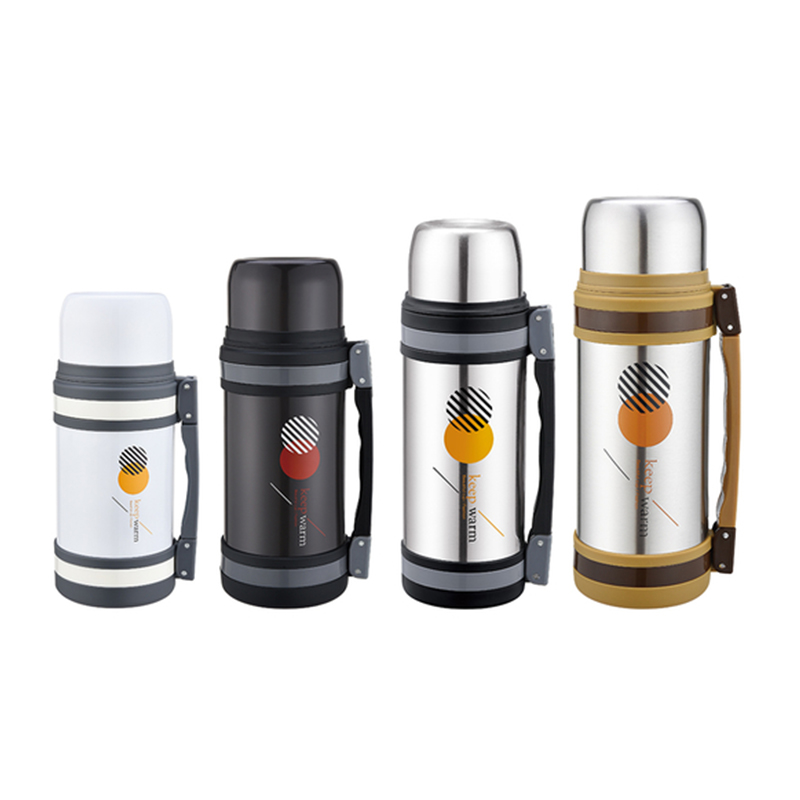
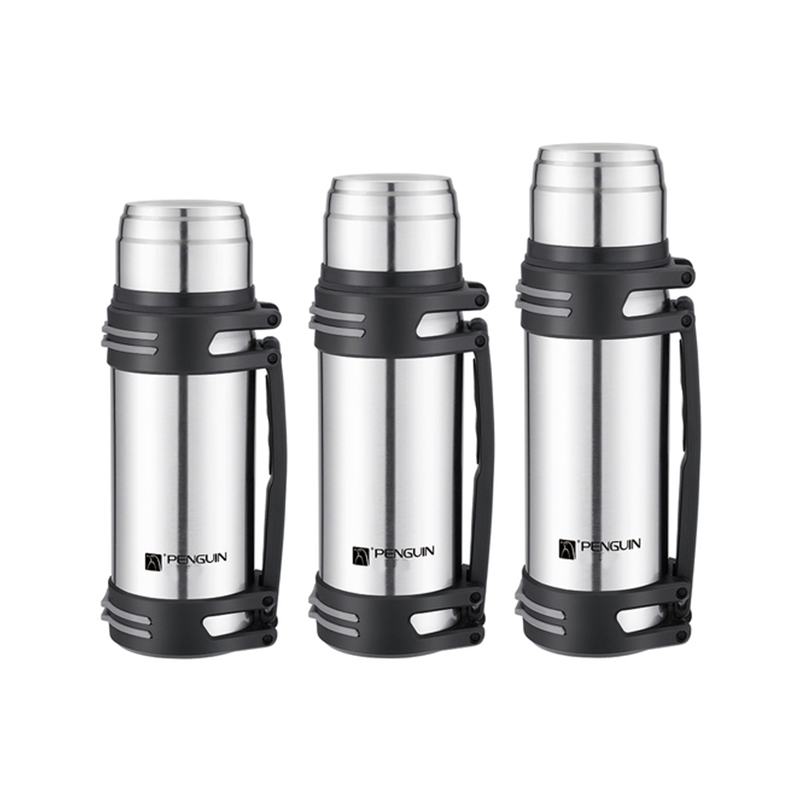
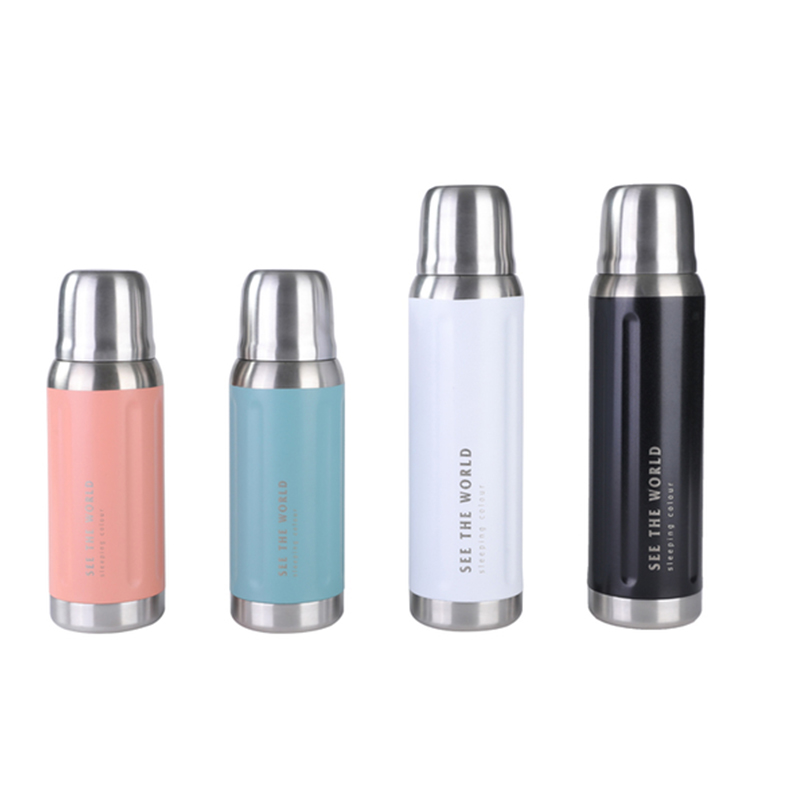
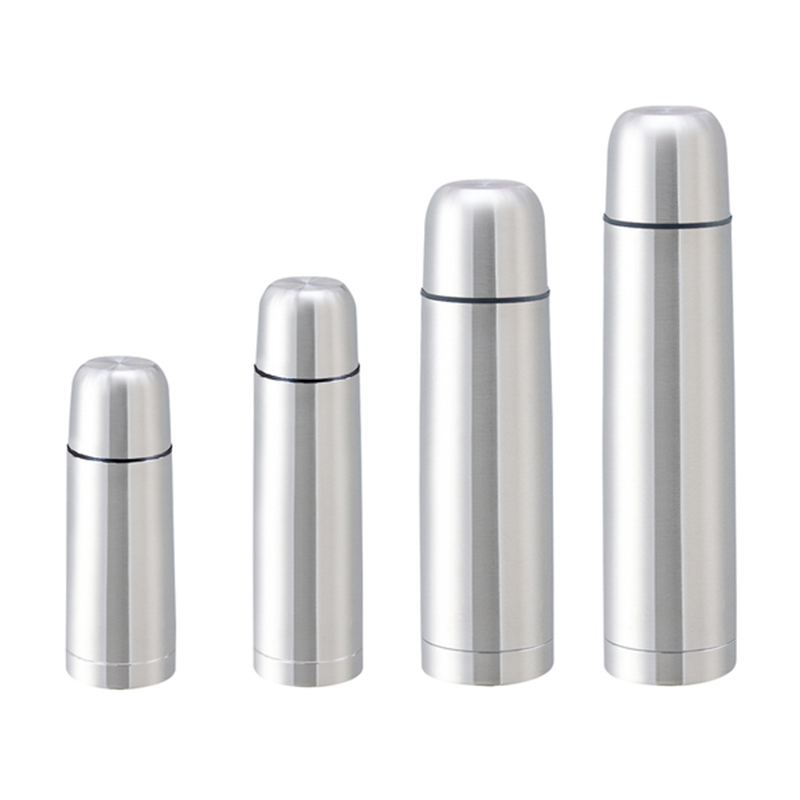
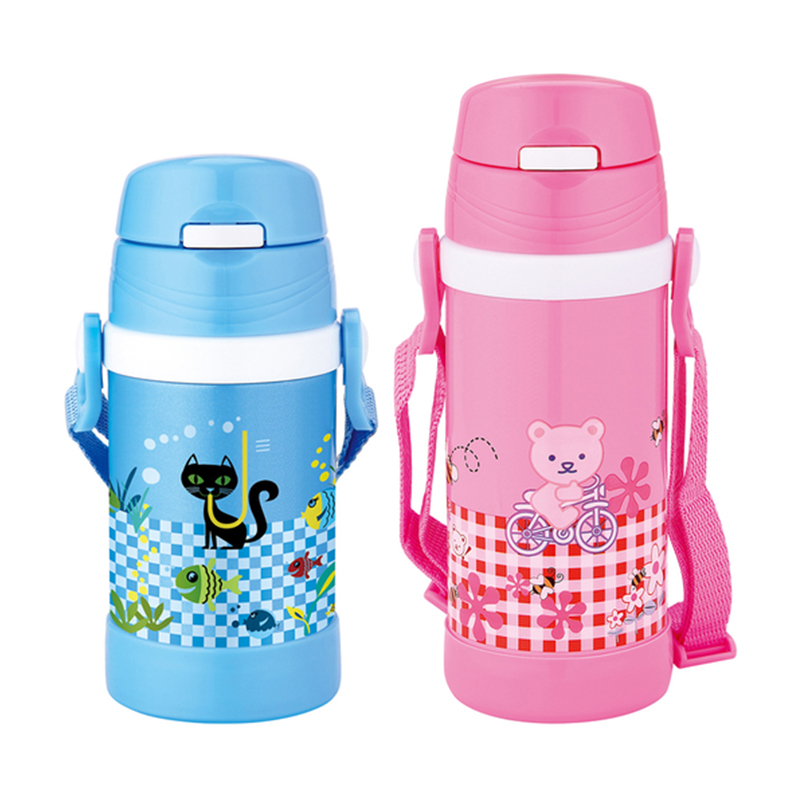
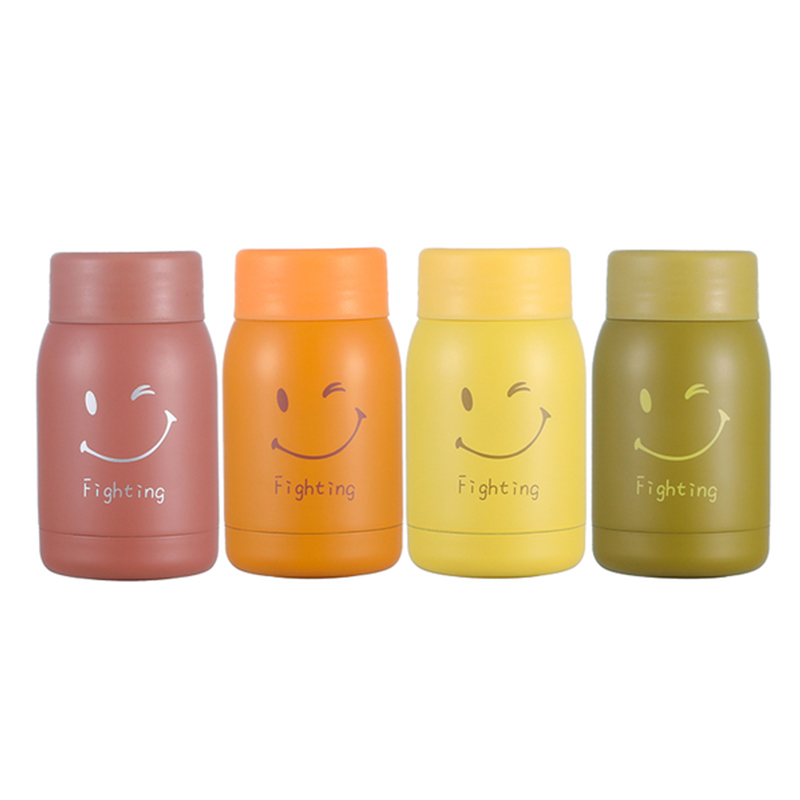
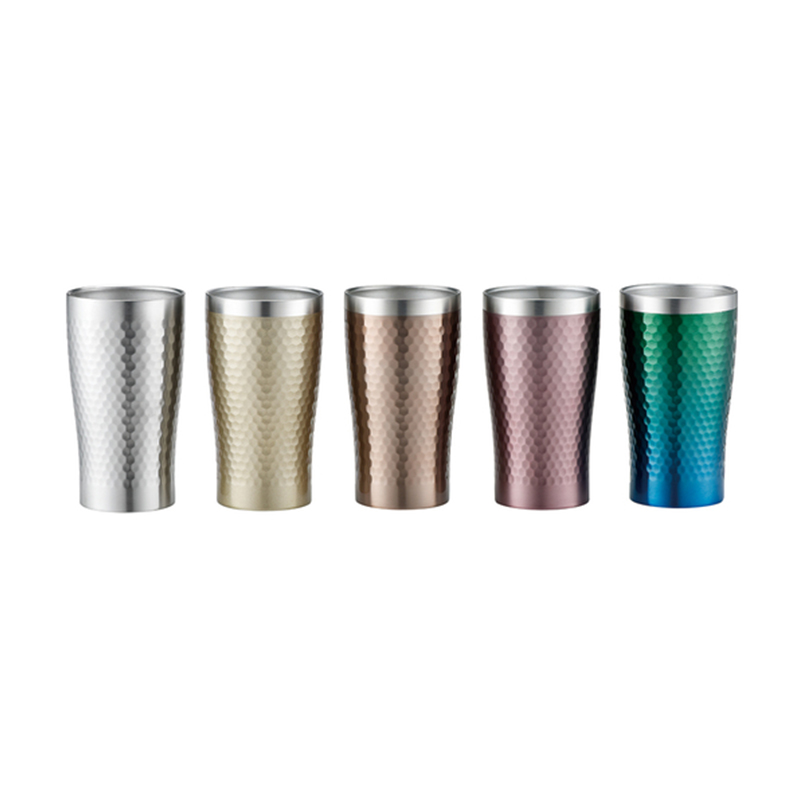
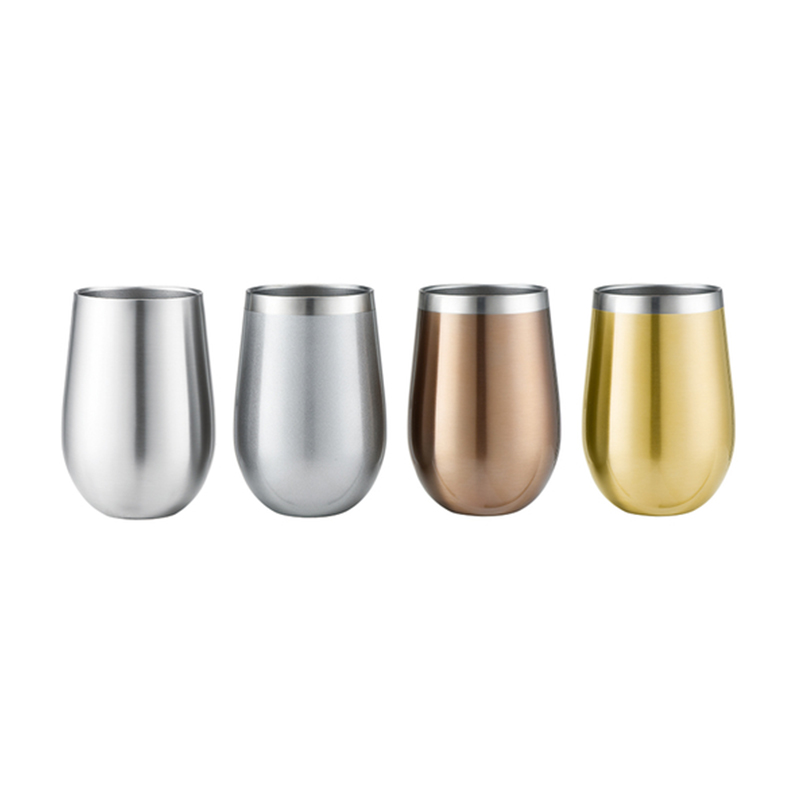
Selecting a stainless steel grade for a drinking vessel sounds like a technical decision that belongs in a materials lab rather than a procurement meeting. In practice, it is a decision with direct consequences for food safety, corrosion behavior, service life, and the total cost of a product across its useful life. For buyers and product developers working with Vacuum Stainless Steel Flasks — whether for retail, OEM supply, or branded distribution — understanding what differentiates 304, 316, and 201 steel grades in real use conditions determines whether a product will perform as expected or generate complaints within a year of reaching the end user.
What These Three Grades Actually Are
Stainless steel is not a single material. It is a family of iron-based alloys distinguished by their chromium content — which creates the passive oxide layer that gives stainless steel its corrosion resistance — and by the additional elements that modify their properties.
304 Stainless Steel
Contains chromium and nickel as its primary alloying elements. The chromium provides corrosion resistance; the nickel stabilizes the austenitic structure and improves formability. It is a widely used grade for food-contact applications globally.
316 Stainless Steel
Adds molybdenum to the 304 composition. This addition substantially improves resistance to chloride-induced corrosion — the mechanism responsible for pitting in environments where salt, acidic beverages, or chemical exposure is a factor.
201 Stainless Steel
Replaces a portion of the nickel content with manganese and nitrogen. This substitution reduces material cost but also reduces corrosion resistance and long-term stability in demanding use conditions.
These compositional differences are not visible in finished products. A 304 flask and a 201 flask can look identical. The difference appears over time, under use conditions.
How Corrosion Resistance Differs in Practice
Most discussions of stainless steel corrosion focus on environmental factors — moisture, salt air, industrial chemicals. For vacuum flask applications, the relevant corrosion mechanism is internal: the beverages stored in the flask are the corrosive agents.
Coffee, tea, sports drinks, fruit juices, and flavored water all contain acids and salts at varying concentrations. Over time, repeated contact between beverage and inner liner steel creates conditions where less corrosion-resistant grades begin to show surface changes — discoloration, pitting, or flavor transfer that signals material degradation.
Grade 304
Handles many common beverages well. Its corrosion resistance is adequate for daily use with coffee, tea, water, and various soft drinks.
Grade 316
Performs better in contact with highly acidic beverages, electrolyte drinks, and saltier liquids. The molybdenum addition specifically addresses pitting corrosion, which is the failure mode commonly associated with acid and chloride contact.
Grade 201
Shows observable surface degradation faster than 304 when in regular contact with acidic drinks, particularly when the flask is not cleaned promptly between uses. In long-term daily use, this manifests as flavor changes, surface roughness, and in some cases visible discoloration.
For a flask used primarily for water or mild beverages and cleaned regularly, the difference between 304 and 201 may be less immediately apparent. For a product intended for frequent use with coffee, citrus drinks, or sports beverages, the difference becomes visible within a product's expected retail life.
Food Safety Considerations Across the Three Grades
The food safety question around 201 steel is worth addressing directly because it generates genuine confusion in product evaluation discussions. The short answer is that 201 steel is not classified as unsafe for food contact under regulatory frameworks — it is used in various food-processing and consumer product applications. The longer answer is that its lower nickel content and reduced corrosion resistance create conditions where degradation products can leach into food or beverage contents over time, particularly under acidic conditions and with regular use.
The concern is not acute toxicity. It is the long-term accumulation of metal ions in beverages stored in a flask that has begun to corrode internally. This is a product quality and longevity issue as much as a safety question — but for products marketed as food-grade or intended for long-term daily use, it is a meaningful distinction.
304
304 as the Established Food-Contact Standard
304 steel has a well-established history of use in food-contact applications — beverage processing equipment, kitchen utensils, food storage containers, and drinkware. Its corrosion resistance under typical food-contact conditions is sufficient for a range of consumer applications, and it meets food-grade requirements across several markets.
For Vacuum Stainless Steel Flasks positioned as standard consumer or commercial products, 304 is the grade against which safety and quality claims are typically anchored.
316
316 for Premium or Demanding Applications
316's addition of molybdenum makes it genuinely more resistant to the pitting corrosion that acidic beverages can initiate over time. For products marketed as premium quality, for applications where contents are frequently acidic, or for flasks intended for extended heavy use in professional or outdoor contexts, the material upgrade from 304 to 316 is defensible on both performance and marketing grounds.
The practical difference in daily residential use between 304 and 316 is small enough that many consumers would not observe it within a typical product lifecycle. The difference becomes meaningful in high-frequency use, aggressive beverage contact, and demanding outdoor environments.
Structural Considerations: Inner Liner vs Outer Shell
Different Parts, Different Exposure
A vacuum flask is not a single-piece steel component. It has an inner liner — the surface in direct contact with the beverage — and an outer shell, which is exposed to handling, environmental conditions, and the user's hands rather than to the liquid inside.
This structural reality means that the steel grade selection for inner liner and outer shell can legitimately differ. The inner liner is where corrosion resistance and food safety requirements are especially critical. The outer shell is where surface finish, scratch resistance, and handling durability matter more.
Many well-regarded flask designs use 304 for both components. Some premium products specify 316 for the inner liner specifically, recognizing that it is the surface where degradation consequences are particularly significant. Using 201 for the outer shell while maintaining a 304 inner liner is a cost-optimization approach that some manufacturers adopt — though this requires clear material documentation if the product is being positioned in regulated markets.
Vacuum Insulation and Steel Grade Interaction
The vacuum insulation layer itself — the evacuated space between inner and outer walls — does not interact chemically with the steel grades in a way that affects performance. The thermal performance of the flask is primarily a function of the quality of the vacuum seal, the emissivity of the steel surfaces facing the vacuum, and the thermal conductivity of any contact points between the walls.
However, the inner surface finish of both walls does affect insulation performance through its emissivity properties. Polished steel surfaces have lower emissivity — they radiate less heat across the vacuum gap — than rough or matte surfaces. The surface treatment applied to the steel, rather than the grade itself, is the relevant variable here.
A Direct Comparison for Flask Application Decisions
| Comparison Factor |
304 Stainless Steel |
316 Stainless Steel |
201 Stainless Steel |
| Corrosion resistance |
Good for standard beverage use |
Higher — suited for acidic drinks and heavy use |
Lower than 304 — adequate for mild conditions |
| Food safety compliance |
Widely accepted across major markets |
Widely accepted, often preferred for premium use |
Generally compliant but less stable long-term |
| Performance with acidic drinks |
Adequate with regular cleaning |
Reliable across a wider acid range |
Variable — may show degradation faster |
| Surface durability over time |
Stable with standard care |
Stable, including in demanding conditions |
More susceptible to surface changes with heavy use |
| Material cost |
Moderate |
Higher than 304 |
Lower than 304 |
| Typical application position |
Standard consumer and commercial flasks |
Premium consumer, professional, and outdoor products |
Entry-level and price-sensitive applications |
| Long-term reliability for daily use |
Good |
Good to very good |
Acceptable in low-demand contexts |
How Beverage Type Should Influence Grade Selection
Acidic Drinks Create a Specific Challenge
The pH of common beverages varies considerably, and this variation matters for flask material selection. Water and mild herbal teas are relatively neutral. Coffee, black tea, citrus-based drinks, sports electrolyte beverages, and carbonated drinks are meaningfully more acidic. The higher the acid content of typical beverage use, the more the grade difference between 201, 304, and 316 becomes relevant to product longevity.
For a flask predominantly used for water or mild beverages, the practical performance difference between 304 and 201 is less pronounced in short-term use. For a flask marketed specifically for coffee, tea, or sports use — where the product's core use case involves regular contact with acidic liquids — 304 is the floor, and 316 is a reasonable consideration for premium positioning.
Hot vs Cold and the Temperature Factor
Temperature affects corrosion chemistry. Hot beverages stored in a flask create a more reactive environment at the inner liner surface than cold beverages do. This accelerates any corrosion processes that are present, which means that a flask intended for regular hot beverage use should be specified at a grade whose corrosion resistance is appropriate for that thermal environment.
For 201 steel specifically, the combination of hot acidic content and temperature cycling over time tends to accelerate the surface changes that distinguish it from 304 in daily use conditions.
The Cost-Performance Calculation
When the Lower Cost of 201 Is Genuinely Justified
There are product categories and market contexts where 201 steel is a rational material choice rather than a compromise. Single-use promotional products, very low-cost entry-level items with limited expected service life, and applications where the flask is unlikely to be used daily with aggressive beverage content are contexts where 201's lower material cost is a legitimate optimization.
The calculation shifts for products with a longer intended service life, products marketed with quality claims, or products entering regulated markets where material documentation requirements are more stringent. In these contexts, the cost saving from 201 over 304 is real but modest in unit terms, while the performance difference compounds over the product's use life.
When 316 Justifies Its Higher Cost
316 steel commands a price premium over 304 that is meaningful at production scale. The premium is justified in specific contexts:
• Products marketed as premium and priced to reflect material quality
• OEM orders destined for markets with demanding consumers or influencers who research material specifications
• Products intended for professional outdoor, marine, or industrial use contexts where corrosive exposure is above average
• Applications where the inner liner will regularly contact aggressive beverage categories — citrus, electrolyte, fermented drinks
Outside these contexts, 316 is a step up from 304 that many everyday users will not observe within a typical product ownership period. The upgrade is real; whether it is worth the cost depends on the product positioning and the end user's actual use patterns.
What Buyers and Manufacturers Should Verify
For procurement teams sourcing flasks or flask components, the stated steel grade on a product listing or catalog is only as reliable as the supplier's quality management and documentation practices. Grade substitution — where 201 is used in place of claimed 304 — is a documented issue in drinkware supply chains, particularly in price-competitive sourcing environments.
Verification Measures That Provide Meaningful Assurance
- Request material test reports or mill certificates for the steel used in inner liner production
- Ask for XRF (X-ray fluorescence) composition testing on samples if the sourcing relationship is new or the price point seems inconsistent with the claimed grade
- Confirm whether the material certification covers inner liner and outer shell separately, since different grades may be used for each
- Review whether the supplier's quality management documentation addresses material traceability from steel supplier through to finished product
These are standard due-diligence steps in professional flask procurement, not extraordinary requests. Suppliers with well-managed material sourcing will respond to them readily.
Closing Thoughts
The decision between 304, 316, and 201 stainless steel for Vacuum Stainless Steel Flasks is not a matter of finding a universally correct answer — it is a matter of matching the material to the product's intended use context, target market, and expected service life. For standard consumer products with everyday use patterns and regular cleaning habits, 304 provides reliable performance and meets the food safety requirements of major markets. For products entering premium segments, designed for professional or demanding outdoor use, or intended for regular contact with acidic beverages, 316 offers a meaningful performance improvement that justifies its additional cost in the right positioning context. For price-sensitive applications with limited expected service life and mild use conditions, 201 is a cost-accessible option whose limitations are manageable when the use context is matched honestly to the material's capabilities. The practical risk is not in choosing 201 intentionally for an appropriate application — it is in using 201 where 304 was expected, or in accepting supplier claims without material verification. For manufacturers, distributors, and brand buyers navigating these decisions, clear material documentation and honest product positioning are what turn material selection from a procurement risk into a competitive advantage. Zhejiang Yuneng Industry Co., Ltd. produces a range of vacuum stainless steel flask products with documented steel grade specifications across inner liner and outer shell components, and their team can provide material verification documentation and grade-specific product configurations for buyers with defined sourcing requirements.



 English
  日本語
日本語  Deutsch