


 English
  日本語
日本語  Deutsch



Industry News
How Do Vacuum Stainless Steel Flasks Prevent Coffee From Cooling
2026-06-19
There is a physics problem hiding in every morning coffee ritual. The drink arrives at the right temperature, sits for a few minutes while attention drifts elsewhere, and returns to something lukewarm — not quite ruined, but no longer what it was. Vacuum Stainless Steel Flasks exist precisely because standard cups and mugs cannot resist the forces that pull heat away from a liquid. Understanding why that heat loss happens so reliably, and what it takes to slow it down, changes how people think about the containers they use every day.
Why Coffee Loses Heat Faster Than Expected
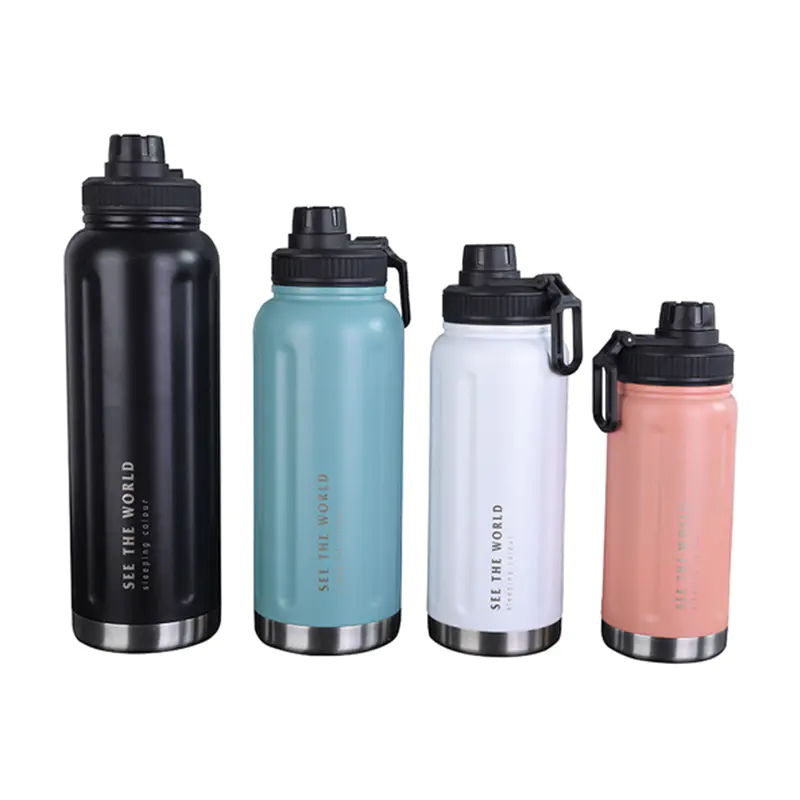
Heat Does Not Stay in a Liquid — It Always Moves Outward
Heat energy does not remain in one place. It moves from areas of higher temperature toward areas of lower temperature through three distinct physical mechanisms. A cup of coffee at drinking temperature is surrounded by cooler air, cooler surfaces, and a room that will absorb energy from it continuously until equilibrium is reached. That process does not pause.
Conduction Transfers Heat Through Direct Contact
When hot liquid touches the walls of a cup, heat moves from the coffee into the cup material through conduction. The rate at which this happens depends on the material's thermal conductivity. Thin ceramic, standard glass, and uninsulated metal all allow heat to pass through the cup wall quickly and into the surrounding air or surface the cup rests on.
The effect is immediate. The moment coffee is poured into an uninsulated container, the container itself begins warming — drawing heat away from the liquid. A cup sitting on a cold desk loses heat through conduction at both the base and the walls simultaneously.
Convection Carries Heat Away Through Air Movement
Heat escaping from the liquid surface creates warm air above the coffee. That warm air rises, draws cooler air in from the sides, and sets up a convection current that continuously removes heat from the surface. When a lid is absent, this process is unobstructed and accounts for a meaningful share of the temperature drop in the early minutes after pouring.
Even with a lid, air gaps within a container allow convection between layers of material. This is one of the mechanisms that double-wall insulated designs are specifically engineered to interrupt.
Radiation Emits Heat Energy Into the Surrounding Environment
Every object above absolute zero emits infrared radiation. A hot liquid radiates heat outward from its container surface regardless of whether anything is touching it. In an open environment — on a desk in a normally lit room — this radiation loss adds to what conduction and convection are already removing.
The contribution of radiation to total heat loss is smaller than conduction or convection in many everyday scenarios, but it is continuous and cannot be eliminated by simply covering the cup.
How Vacuum Stainless Steel Flasks Interrupt Heat Loss
The Vacuum Layer Removes the Medium That Heat Needs to Travel Through
The defining feature of vacuum insulation is the removal of air — and with it, the removal of the medium through which conduction and convection operate. Between the inner and outer walls of a well-constructed vacuum flask, the pressure is reduced to a level where almost no air molecules remain. Without molecules to carry thermal energy from one surface to another, heat transfer through this space is reduced to near zero.
This is not an approximation or a marginal improvement. Removing the conducting and convecting medium physically eliminates the two dominant mechanisms of heat loss that affect standard cups. The liquid inside the flask is thermally isolated from the environment by this gap in a way that no solid insulating material can match.
Stainless Steel Reflects Radiation Rather Than Absorbing It
The interior wall surface of these insulated vessels is typically polished to reflect infrared radiation back toward the liquid rather than absorbing and re-emitting it outward. This addresses the third mechanism of heat loss — the one that the vacuum layer alone cannot block.
The combination is what makes the design effective: the vacuum eliminates conduction and convection losses, and the reflective inner surface reduces radiation losses. Neither strategy alone achieves the same result.
Double-Wall Construction Creates a Thermal Barrier at Both Surfaces
The two-wall structure does more than simply create a space for the vacuum. The inner wall is in contact with the liquid; the outer wall is in contact with the environment. Because neither wall directly contacts the other in a well-designed flask, the thermal bridge between the liquid temperature and the ambient temperature is broken at every point around the container.
This also means the outer surface of the flask remains close to room temperature during use. The outside does not become hot to the touch when the flask contains a hot drink — which is the physical evidence that heat is not passing through the structure.
Vacuum Flask vs Standard Cup: How Heat Retention Differs
The contrast between an uninsulated container and a vacuum-insulated flask is not subtle in practice. It is the difference between a drink that remains at drinking temperature for an extended period and one that must be consumed quickly or reheated.
| Factor | What Happens | Why It Speeds Up Cooling |
|---|---|---|
| High temperature difference | Coffee starts much hotter than surrounding air | Greater temperature gap increases heat transfer rate |
| Large surface area (cup opening) | Heat escapes from the exposed liquid surface | More area allows faster evaporation and convection |
| Evaporation | Water molecules escape as steam | Phase change removes heat energy rapidly |
| Convection air currents | Warm air above coffee rises and is replaced by cooler air | Continuous heat loss to surrounding air |
| Cup material conductivity | Thin ceramic, paper, or metal walls transfer heat outward | Heat moves from liquid to cup and then to environment |
| Lack of insulation | No thermal barrier around the cup | Heat is not trapped, so it dissipates quickly |
| Stirring or movement | Mixing exposes hotter liquid to air | Increases uniform heat loss across the surface |
| Ambient conditions | Cold room or airflow (fan, wind) | Environmental cooling accelerates heat dissipation |
Why the Gap Matters More Than the Material
The performance advantage of vacuum insulation over a solid insulating material — like foam or thick ceramic — is that the vacuum contains nothing that can conduct heat. Solid insulators work by slowing conduction through materials with low thermal conductivity. The vacuum works by eliminating the conducting material entirely. This is a fundamentally different approach, and it produces a fundamentally different level of insulation.
Common Mistakes That Accelerate Heat Loss
Using a Cold or Unpreheated Flask
When a flask has been stored at room temperature and hot liquid is poured in immediately, the inner wall absorbs heat from the liquid to raise its own temperature to the liquid's level. This initial transfer can cause a noticeable temperature drop in the early minutes of use. Rinsing the flask with hot water before filling it brings the inner wall to a higher starting temperature and reduces this initial absorption loss.
Leaving the Lid Off or Poorly Sealed
The lid seal controls the convective loss at the liquid surface — the one pathway the vacuum layer does not address. An improperly sealed lid, or a flask used without its lid, allows surface convection to remove heat continuously from the surface of the liquid. The difference in retention performance between a properly sealed flask and one with a loosely fitted lid is meaningful over time.
Choosing a Flask Based on Appearance Rather Than Construction
Not all double-wall flasks use true vacuum insulation. Some use air-gap construction or foam insulation between walls. These designs offer better retention than a standard cup but do not match the performance of a genuine vacuum-insulated design. The physical structure — specifically whether air has been evacuated from the inter-wall space — is what determines how the container performs. Construction quality at the seam where the two walls meet is also relevant; any point where the vacuum seal is compromised reduces effective insulation.
Filling to a Level That Leaves Excessive Headspace
Air trapped above the liquid inside the flask can carry heat away from the surface through convection within the flask interior. Filling the flask fully, or as close to full as practical, reduces the internal air volume and limits this secondary convection effect.
What Affects Performance in Vacuum Stainless Steel Flasks?
Vacuum Quality and Seal Integrity
The depth of the vacuum between walls and the integrity of the seal that maintains it determine the baseline insulation performance. Vacuum quality degrades if the seal fails — through manufacturing defect, physical damage, or aging. A flask that has lost its vacuum may look identical to a functioning one but will retain heat no better than a standard cup.
Buyers evaluating insulated flasks of this type should consider the manufacturer's quality control standards for the vacuum process. The seal point, where the two walls are joined and the vacuum is maintained, is the structural detail that matters considerably for long-term performance.
Lid Design and Seal Quality
The lid contributes to heat retention through two mechanisms: sealing the opening against convective loss from the liquid surface, and providing an additional insulating layer above the liquid. Lid designs that incorporate vacuum insulation in the cap itself — rather than a simple plastic or rubber plug — perform noticeably better over extended periods.
Leak-proof seals serve a secondary function beyond containment: they prevent air exchange between the interior and the external environment, which would introduce ambient-temperature air into contact with the hot liquid.
Material Grade and Surface Treatment
Food-grade stainless steel is standard for the inner wall because it resists flavor transfer and does not react with the liquid contents. The surface treatment of the inner wall — specifically whether it is polished to a reflective finish — affects how well it reflects radiation back into the liquid rather than absorbing and re-emitting it through the outer wall.
The outer wall material and surface finish affect the flask's durability and how it handles ambient conditions. Powder-coated exteriors improve grip and resist surface damage that could otherwise affect the structural integrity of the outer wall over time.
Capacity Relative to Usage Pattern
The ratio between the volume of liquid and the total surface area of the flask affects heat retention. Larger flasks retain heat longer not only because they have more liquid but because the ratio of liquid volume to wall surface area is higher, meaning there is proportionally less wall surface per unit of liquid to conduct heat away. Smaller flasks, while more portable, have a higher surface-area-to-volume ratio and will show temperature drop more quickly at equivalent insulation quality.
Does the Drinking Opening Affect Heat Retention?
Narrow-Mouth vs Wide-Mouth Designs
The opening size affects both evaporative loss and the ease of adding steam-reducing accessories. A narrow-mouth flask reduces the surface area exposed to air when the lid is off or during drinking. A wide-mouth design is easier to fill and clean, and accommodates ice in applications where cold retention is the objective, but loses heat more rapidly in the seconds the opening is uncovered.
For coffee specifically, narrow-mouth designs with a pouring spout or sipping lid generally maintain temperature better during use because the opening time is shorter and the exposed surface area is smaller during each sip.
How Internal Volume and Shape Affect Convection
Within the flask itself, the shape of the interior influences whether convection currents develop in the liquid as it cools. A flask with a narrow internal cylinder encourages less convective circulation within the liquid than a wider vessel. This is a secondary effect compared to the insulation quality of the walls, but it contributes to the performance difference between flask designs at extended timeframes.
Questions Users Commonly Ask
Why Does Coffee Cool down Faster in a Ceramic Mug Than in a Metal Thermos?
Standard ceramic mugs, while having lower thermal conductivity than metal, are single-wall and in direct contact with the surrounding air on their exterior surface. Heat passes through the ceramic wall and dissipates from the outer surface continuously. A stainless steel vacuum flask interrupts this path by placing a vacuum gap between the inner and outer walls, which ceramic single-wall construction does not do.
How Does a Vacuum Flask Keep Drinks Hot for Hours?
By eliminating the two primary mechanisms of heat transfer — conduction and convection — through the inter-wall vacuum, and reducing radiation loss through the reflective inner surface. With all three transfer pathways significantly reduced, the liquid loses heat so slowly that it remains at a useful temperature far longer than in any non-vacuum container.
Are Stainless Steel Flasks Better for Coffee Than Glass or Ceramic?
Stainless steel vacuum flasks outperform glass and ceramic in heat retention because the insulation comes from the vacuum between double walls, not from the material itself. Glass-lined vacuum flasks also perform well by the same mechanism, but stainless steel is more durable and better suited to daily portable use.
What Is the Science Behind Vacuum Insulation?
Heat travels through conduction (molecular contact), convection (fluid or air movement), and radiation (electromagnetic emission). A vacuum eliminates the medium for conduction and convection. The reflective metal surface reduces radiation. Together, these strategies interrupt all three heat transfer pathways simultaneously.
Does Preheating a Flask Actually Make a Difference?
Yes. The inner wall of a flask at room temperature will absorb heat from the liquid poured into it until the wall temperature rises to match the liquid. Preheating the flask by rinsing with hot water before filling means the wall starts at a higher temperature, reducing the amount of heat the liquid must give up to bring the wall up to temperature. This effect is particularly noticeable in the opening minutes after filling.
Can a Vacuumx Flask Keep Cold Drinks Cold Using the Same Mechanism?
The physics work in both directions. A vacuum layer that prevents heat from escaping outward also prevents heat from entering from outside. These flasks are equally effective for cold beverages for the same reason they are effective for hot ones — the insulation slows heat transfer across the wall in whichever direction the temperature gradient runs.
Does the Lid Quality Affect How Long Coffee Stays Hot?
Significantly. The lid seals the one opening in the vacuum structure. A loose or poorly sealing lid allows convective loss from the liquid surface and permits exchange with ambient air. A well-engineered lid with a positive seal — and ideally with its own insulating layer — contributes measurably to overall heat retention performance, particularly over extended periods.
How Should a Vacuum Flask Be Cleaned Without Damaging the Vacuum Seal?
Hand washing with mild detergent is the standard recommendation. Dishwasher cycles, particularly those with high-temperature drying phases, can stress the seal at the base of the inner wall and compromise the vacuum over time. The seam where the two walls are joined is the structural element that must be protected during cleaning.
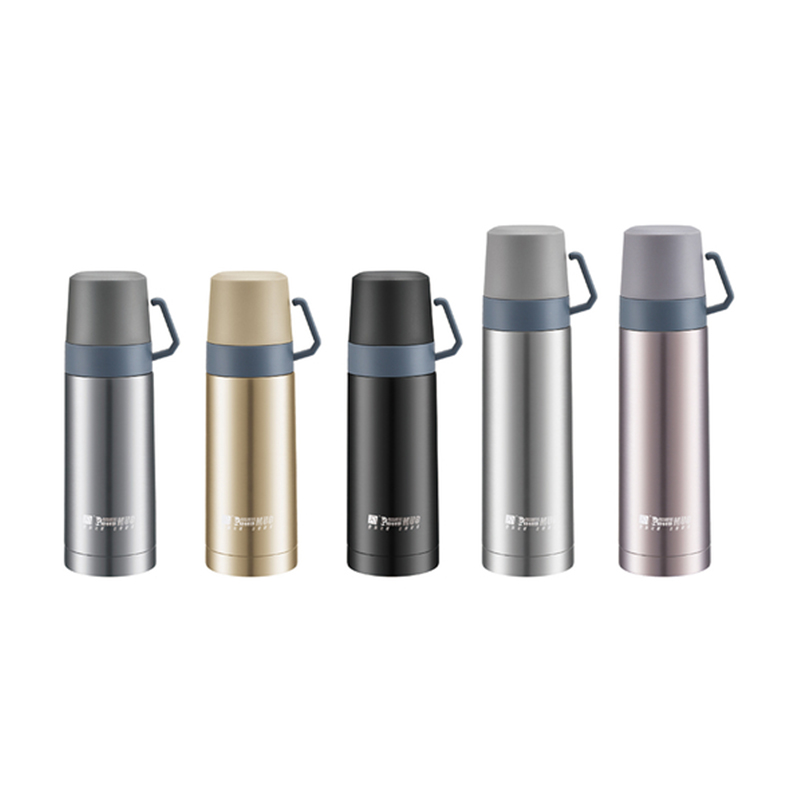
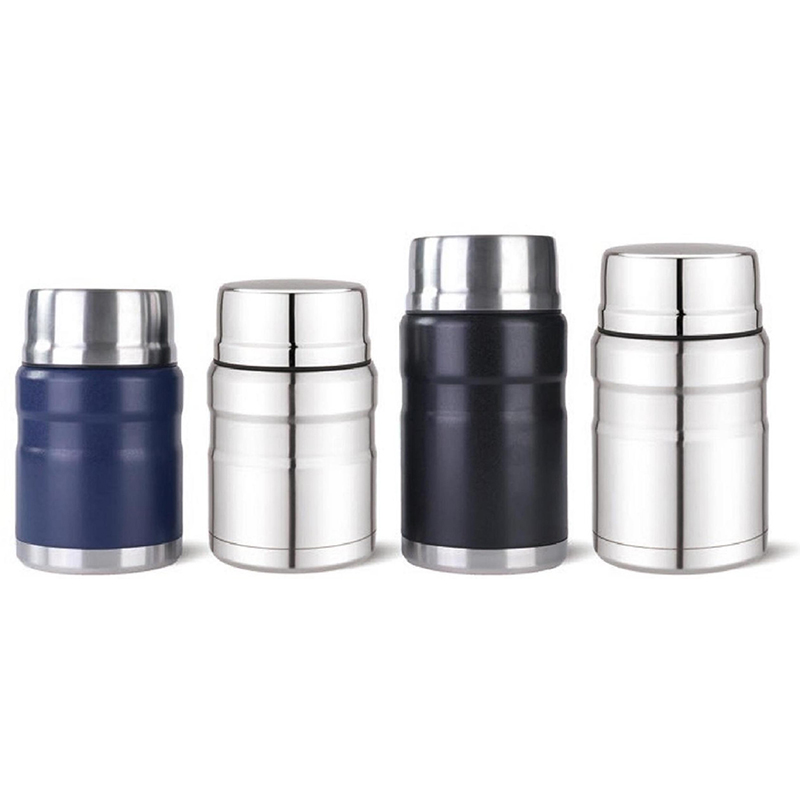
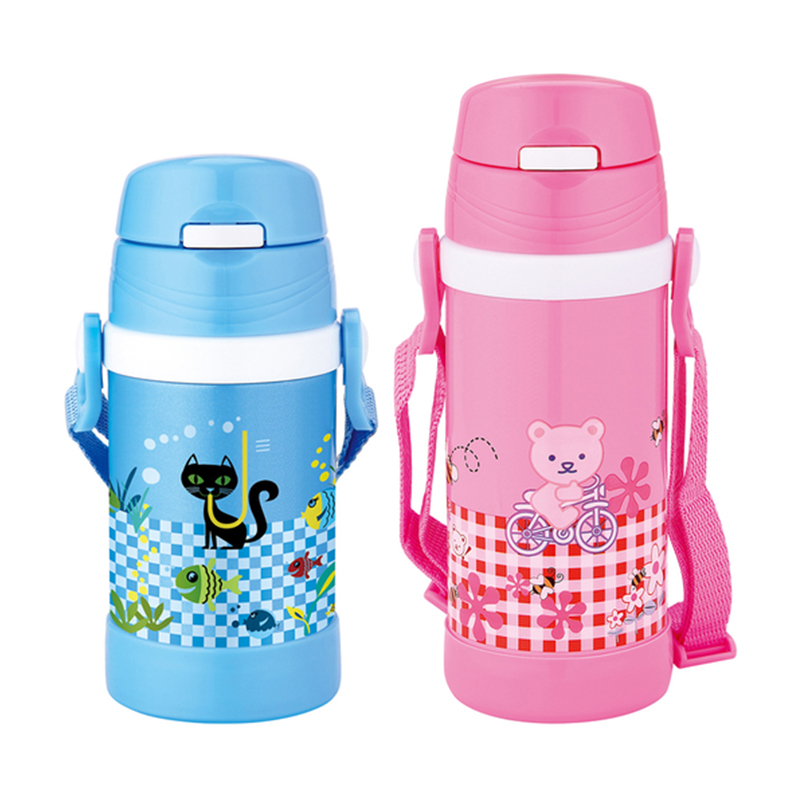
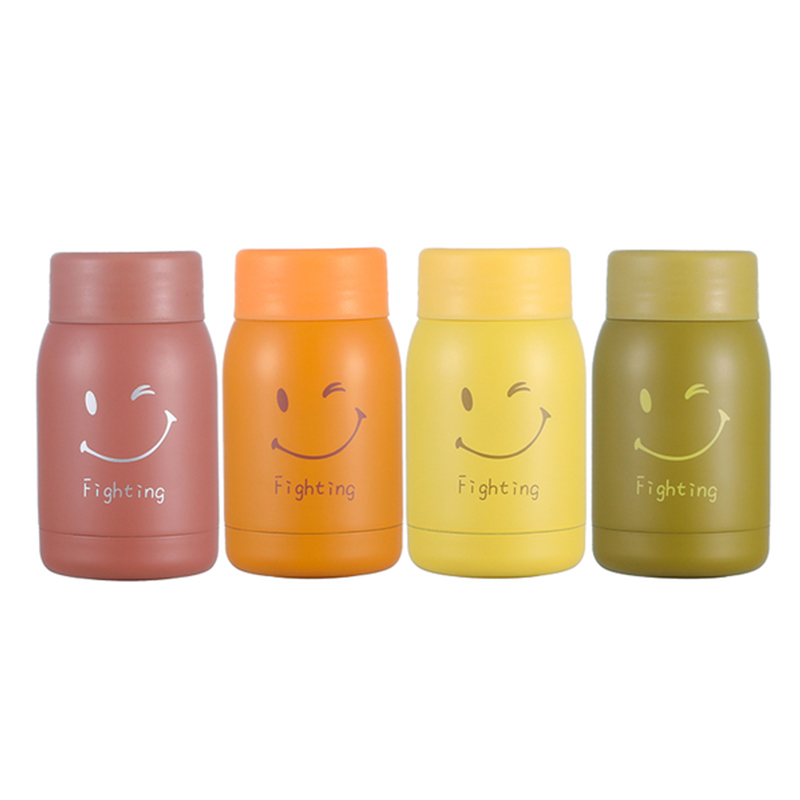
Heat retention in a liquid container is a physics problem with a physics solution. The mechanisms pulling heat away from coffee — conduction through the cup walls, convection through the air, radiation from the surface — are not random. They are predictable, and they can be interrupted by a design that addresses each one deliberately. Vacuum Stainless Steel Flasks achieve this through a combination of vacuum insulation between double walls and a reflective inner surface, resulting in a container that maintains liquid temperature over a timeframe that no single-wall design can approach. The choice of flask affects not just convenience but the quality of what is being consumed: coffee that has not cooled significantly retains its intended flavor profile in ways that reheated or cooled-and-rewarmed coffee does not. For buyers evaluating vacuum flask products for retail distribution, wholesale supply, or branded product development, Zhejiang Yuneng Industry Co., Ltd. produces vacuum stainless steel flask products with attention to insulation quality, material grade, and seal construction across a range of capacities and form factors. Connecting with their team provides access to product specifications and sourcing options suited to specific market and volume requirements.



- Quick Links
- Home
- Customization
- Products
- News
- About
- Manufacturing
- Contact Information
- Tel : +86-579-86600888
- Phone : +86-18967438668
- Email : [email protected]/ [email protected]
- Add : Area A, Jinyidong Industrial Zone, Huashui Town, Dongyang City, Zhejiang Province, China
- Contact Us

