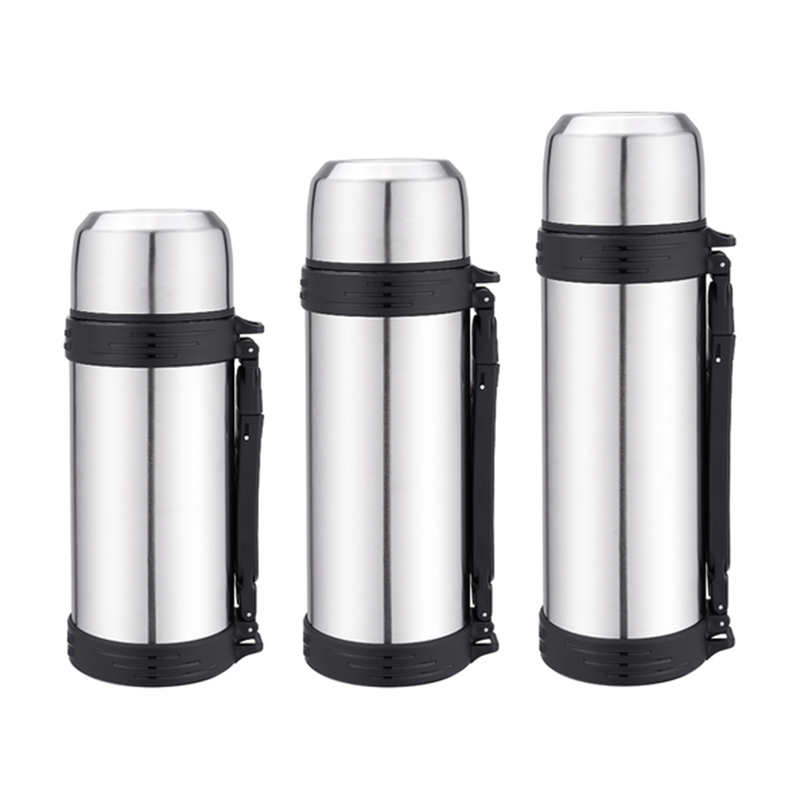
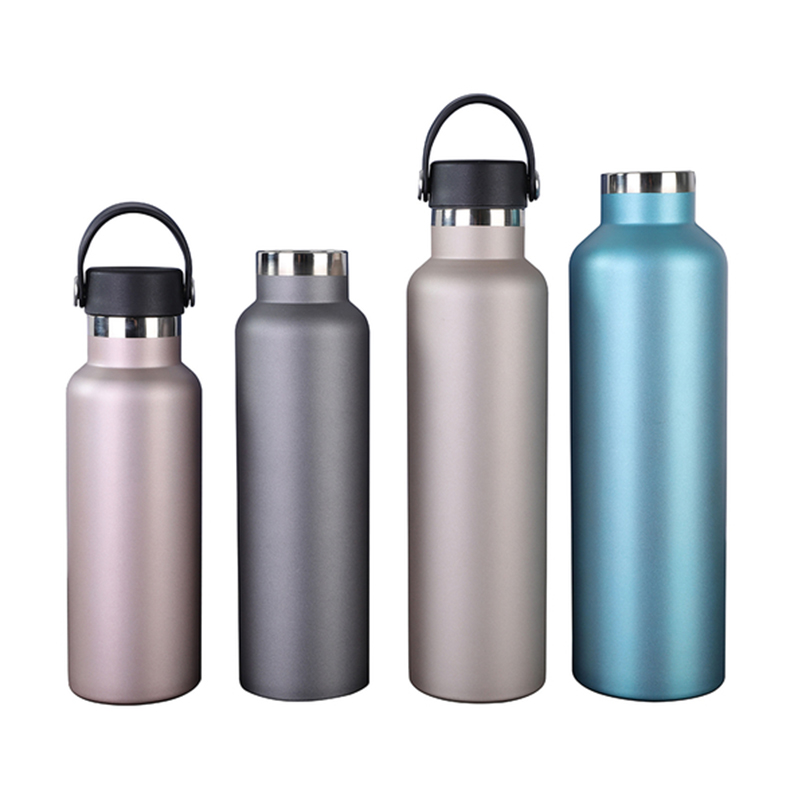
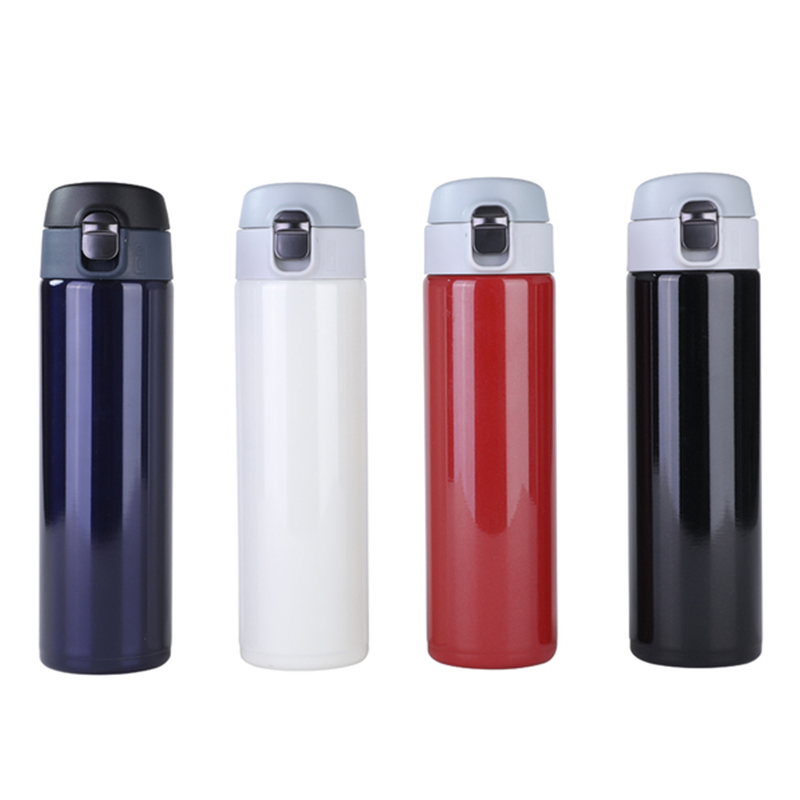
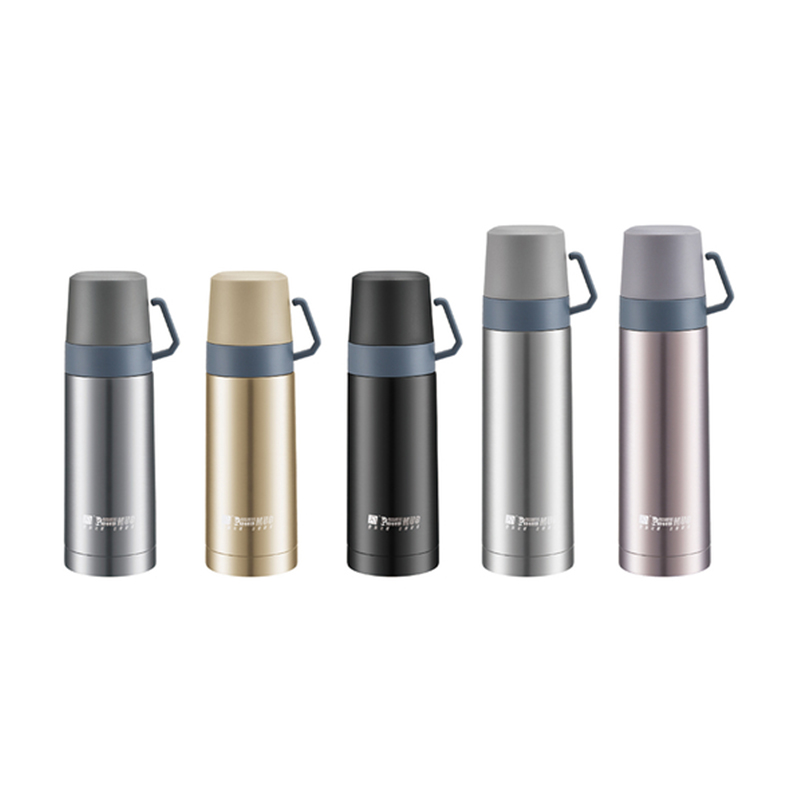
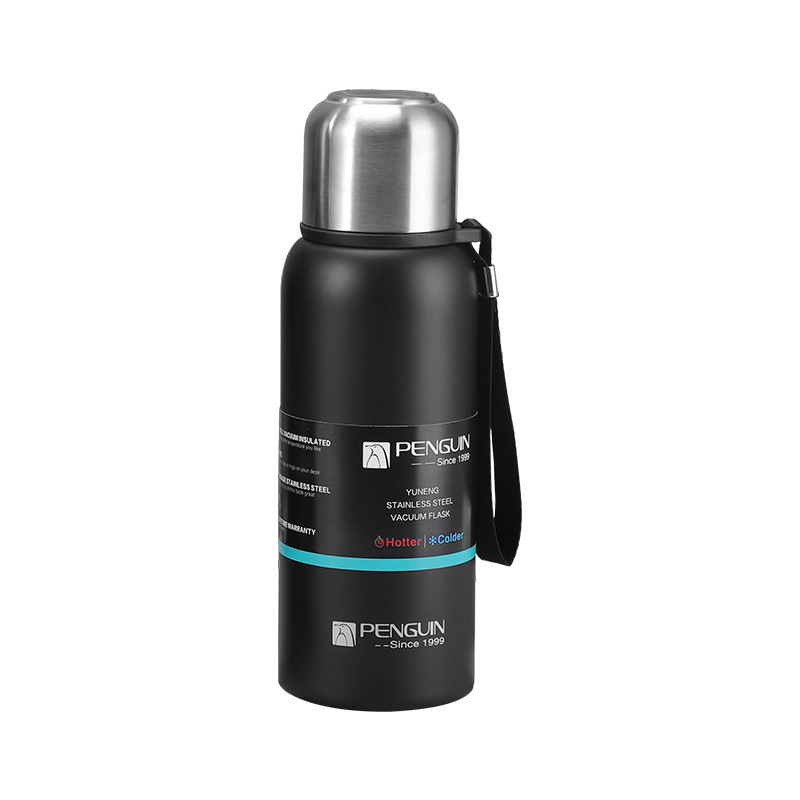
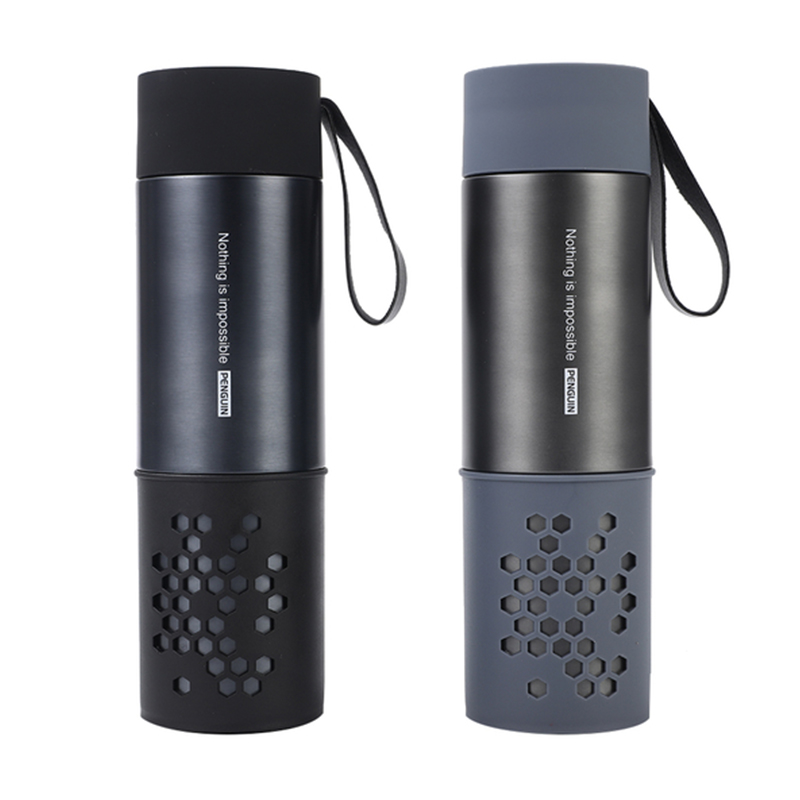
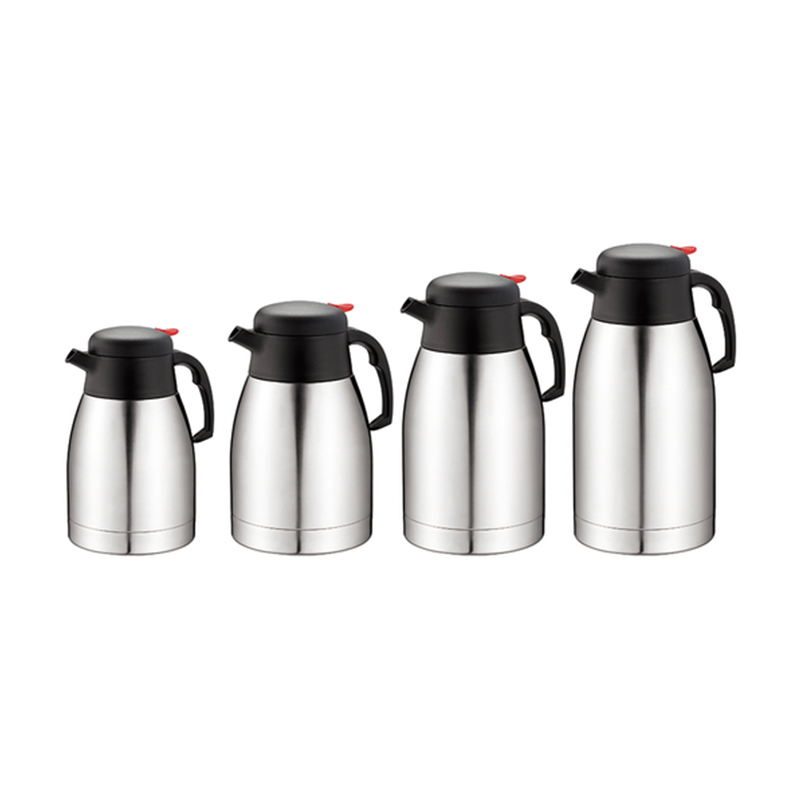
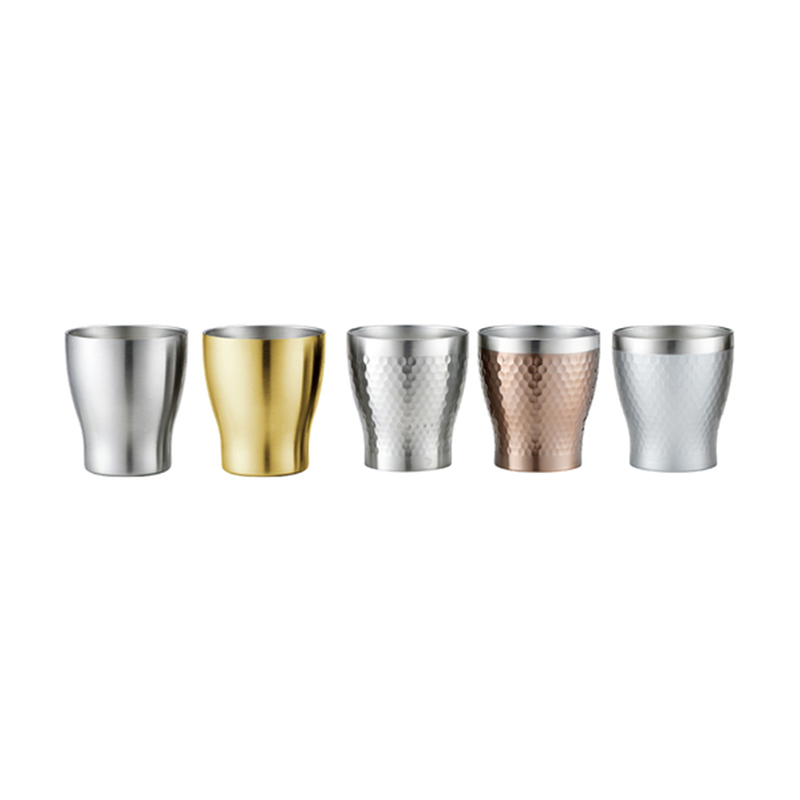
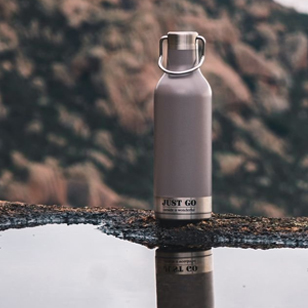
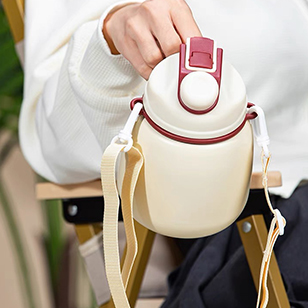
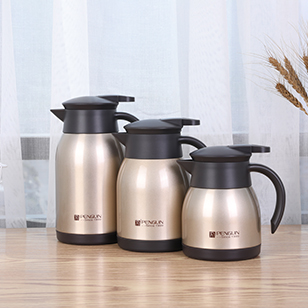
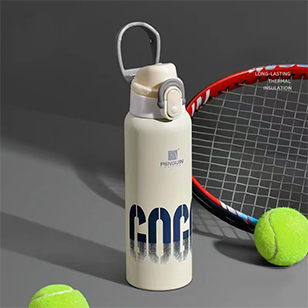
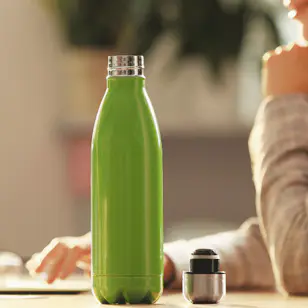
Stainless steel water bottles are no longer limited to one standard shape, one lid, and one color. For wholesalers, retailers, promotional companies, and outdoor brands, customization has become a practical way to build a product that fits a specific market.
A stainless steel water bottle manufacturer may offer changes to the bottle size, shape, material, lid, surface finish, color, logo, packaging, and accessories. But not every supplier handles every type of customization in the same way.
Some changes are simple. Others involve new tooling, samples, testing, and higher MOQs. So, before asking for a custom bottle, it helps to understand what can actually be changed and what those changes mean for production.
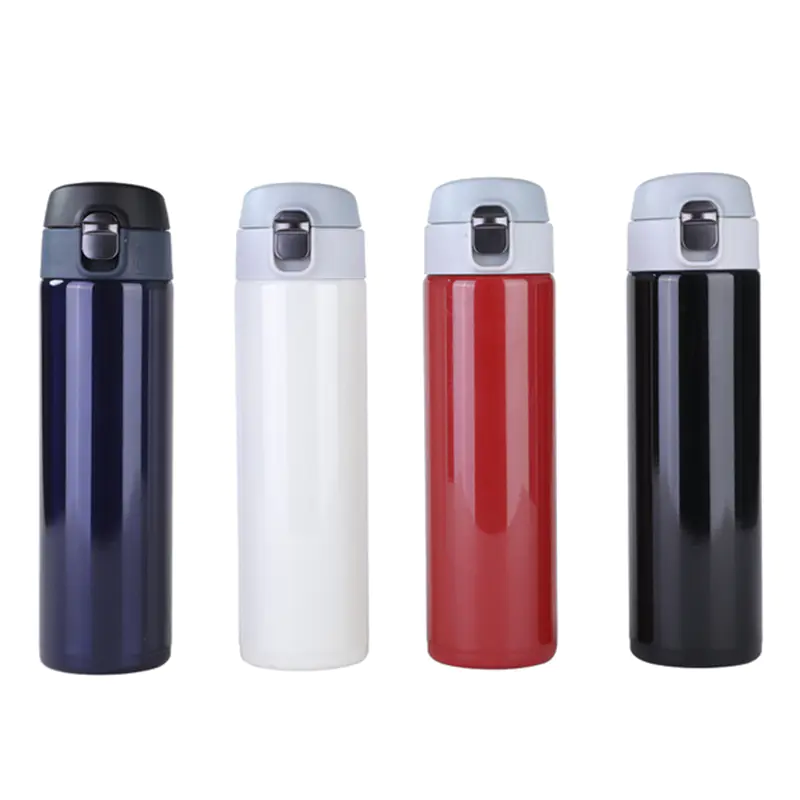
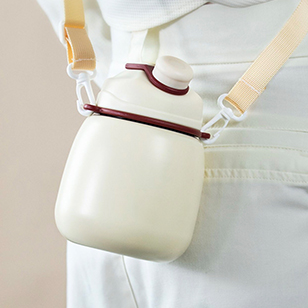
Bottle Shape and Capacity Can Be Customized
Capacity is usually one of the easier things to discuss. Common sizes include 350 ml, 500 ml, 750 ml, 1 liter, and larger outdoor bottles, but manufacturers can often work with other dimensions too.
The diameter and height can be adjusted, and details such as the shoulder, neck, and bottom can also change. A bottle designed for a car cup holder, for example, needs a different body size from one intended for hiking.
| Customization Area |
Common Options |
Typical Buyer Purpose |
| Capacity |
350 ml–1 L+ |
Different drinking habits |
| Diameter |
Narrow, standard, wide |
Cup holders or carrying |
| Height |
Short or tall body |
Storage and portability |
| Shoulder shape |
Rounded or straight |
Appearance and grip |
| Base |
Flat, reinforced, custom |
Stability and durability |
There is a catch, though. A small dimension adjustment may work with an existing production setup, while a completely new bottle shape can require new tooling. That difference can affect both cost and delivery cycle.
Stainless Steel Grade Is an Important Customization Factor
The steel used for the bottle matters more than many buyers expect. It affects the bottle's weight, corrosion resistance, durability, production cost, and suitability for food contact.
For customized orders, buyers should ask which stainless steel grades are used for the inner and outer parts. They can also ask about material thickness and welded areas, especially when the bottle has a more complicated structure.
For insulated bottles, there is another point to check: what materials and components are used between the inner and outer walls?
A supplier should be able to explain the actual material structure clearly. If documentation or compliance information is required for your market, discuss that before production starts.
Single-Wall and Double-Wall Construction
Single-wall bottles are relatively simple. They are usually lighter and can work well for everyday drinking or promotional products.
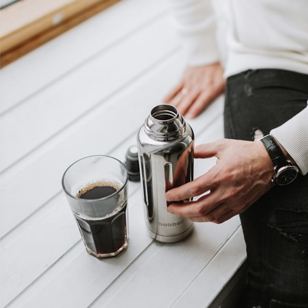
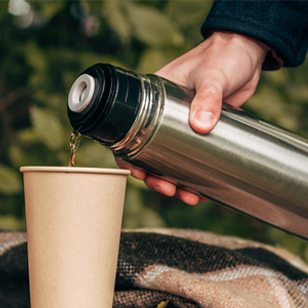
Double-wall bottles have two layers, and insulated versions commonly use vacuum construction between the walls. This adds manufacturing steps and changes the overall weight and cost.
Thermal performance is not determined by one factor alone. The bottle structure, materials, lid design, manufacturing process, and sealing all play a part.
For a custom project, buyers should make these points clear:
- Single-wall or double-wall construction
- Vacuum insulated or non-insulated
- Expected bottle weight
- Target capacity
- Hot and cold beverage use
- Overall dimensions
If the bottle will be used as an outdoor or premium retail product, insulation may be an important part of the design. If it is mainly a promotional giveaway, a simpler structure may make more sense.
Lid and Cap Designs Offer Many Customization Possibilities
The lid is often where a bottle becomes noticeably different from another bottle.
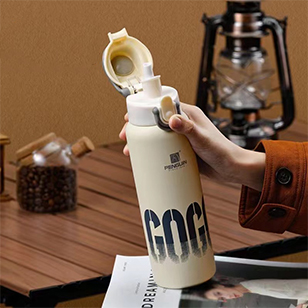
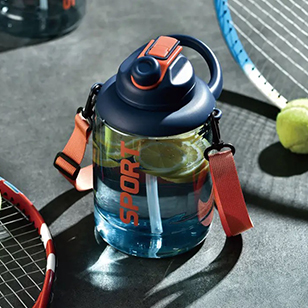
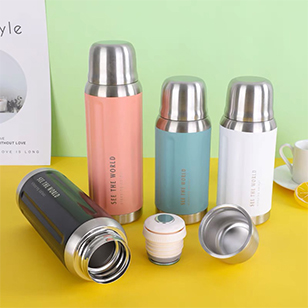
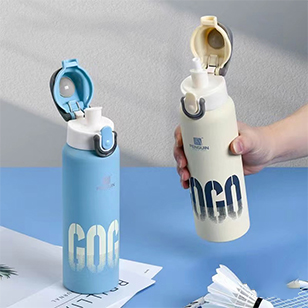
Manufacturers may offer screw caps, flip-top lids, sports caps, straw lids, loop caps, and other designs. Some buyers use an existing lid from the manufacturer's range, while others want a custom lid developed for a particular bottle.
| Lid Type |
Common Application |
Key Consideration |
| Screw cap |
Everyday drinking |
Simple sealing |
| Flip lid |
Office and travel |
Easy one-hand opening |
| Sports lid |
Fitness and outdoor use |
Quick drinking |
| Straw lid |
Casual and fitness use |
Drinking convenience |
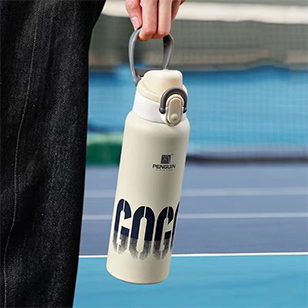
| Loop cap |
Travel and hiking |
Carrying |
The small parts matter here. Threads, silicone seals, drinking openings, hinges, and lid materials all need to work together.
A lid that looks good on a drawing but does not fit the bottle properly is obviously not useful. Sample testing is important, especially when the bottle body and cap are being developed separately.
Logo Printing and Branding Are Common OEM Requests
For many B2B buyers, adding a logo is the main reason for customization in the first place.
A stainless steel bottle can be branded for a retail collection, company gift, sports club, event, hotel, school, or promotional campaign.
Depending on the design and order requirements, manufacturers may provide options such as:
- Screen printing
- Laser engraving
- UV printing
- Heat transfer
- Pad printing
- Embossing or debossing
- Custom printed packaging
Each method has its own limitations. A logo with several colors may need a different process from a simple engraved mark.
Before production, confirm the artwork format, printing area, number of colors, and expected appearance. It is also worth approving a physical sample. Screen images can be misleading, especially when the final logo is printed on a curved metal surface.
Surface Finish Can Change the Look and Feel
Two bottles with exactly the same shape can look completely different because of the surface treatment.
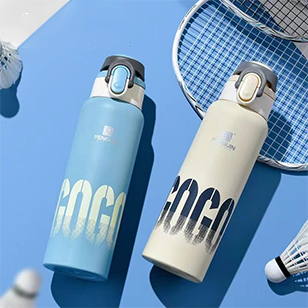
Common finishes include polished stainless steel, brushed metal, matte finishes, powder coating, painted surfaces, metallic effects, and textured finishes.
This is not only about appearance. The surface can affect how the bottle feels in the hand, how visible fingerprints are, how easy it is to clean, and how the product handles everyday use.
For a retail product, buyers may want a more distinctive finish. Promotional products often have different requirements, especially when cost and production quantity are major concerns.
When possible, check a physical sample before placing a large order. Photos do not always show texture or surface details accurately.
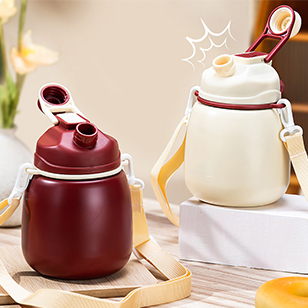
Color Customization Supports Different Market Positions
Color is another common request, especially for lifestyle and promotional bottles.
A manufacturer may match a requested Pantone color or work from a physical color sample. However, the final appearance can still vary slightly because the bottle surface is curved and different finishes reflect light differently.
For that reason, screen approval alone is not always enough for a demanding custom project.
If the exact color is important to your brand, agree on a physical sample before mass production. This gives both sides something concrete to work from.
Custom Bottle Shapes Can Support Brand Differentiation
Some brands do not want another standard cylinder. They may want a slimmer body, a wider grip area, a shaped shoulder, a special base, or a particular neck and cap proportion.
Those details can make the bottle easier to recognize, but they also make the project more complicated.
A completely new shape usually means engineering work and tooling. The manufacturer may need drawings, dimensions, reference samples, or even a prototype before the production version is confirmed.
This is where order quantity becomes relevant. If the expected order is small, expensive tooling may not make financial sense. If the product is intended as a long-term item, the calculation can look different.
Custom Packaging Is Part of the Product
Packaging is sometimes discussed too late.
For retail products, buyers may need printed cartons, color boxes, sleeves, instruction cards, stickers, barcodes, or specially designed shipping cartons. Promotional orders may need simpler packaging.
The packaging dimensions also need to match the actual bottle. If the bottle shape changes, the package usually needs to be checked again.
It sounds like a small detail, but fixing packaging after mass production has started can become a headache.
Accessories Can Also Be Customized
A bottle does not have to be sold by itself.
Depending on the product, buyers may request replacement lids, straws, cleaning brushes, carrying straps, silicone sleeves, carabiners, or protective bases.
Accessories can also help create different versions of the same bottle. For example, one basic bottle body could be sold with a sports lid for one market and a straw lid for another.
The important part is compatibility. Threads, dimensions, seals, and attachment points need to match. It is much easier to solve those details while the product is still being developed.
Customization Should Consider the Intended User
A custom bottle should make sense for the people who will actually use it.
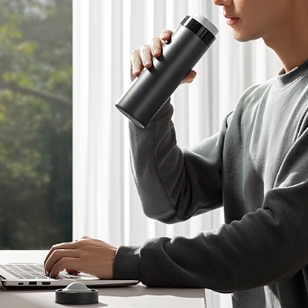
An office bottle may need a clean appearance, moderate capacity, and a lid that is easy to open. A hiking bottle may need a carry loop and a more practical grip. A fitness bottle might focus on quick drinking and easy handling.
For children's products, size, weight, and opening design become more important.
| Target Market |
Useful Customization Areas |
| Office users |
Slim shape, clean finish, simple lid |
| Outdoor users |
Carry loop, durable body, larger capacity |
| Fitness market |
Sports or straw lid, easy grip |
| Promotional products |
Logo, color, simple packaging |
| Retail brands |
Custom shape, finish, packaging, branding |
There is no need to add every available feature. A bottle with too many unnecessary options can become harder to manufacture and more expensive.
What Should B2B Buyers Ask a Manufacturer?
Before confirming a custom order, ask practical questions.
What bottle structure will be used? Ask about single-wall, double-wall, vacuum construction, and material grades.
Which parts can actually be customized? Some suppliers can change colors and logos but cannot develop a new bottle shape.
Is tooling required? Find out whether your design can use existing molds.
What is the MOQ? Special colors, packaging, lids, and new molds may have different minimum quantities.
Can I approve a sample? A physical sample is useful for checking dimensions, finish, logo placement, lid fit, and overall appearance.
What quality checks are included? Discuss leakage, dimensions, surface finish, printing, lid assembly, and insulation if applicable.
Getting these answers early makes sourcing much easier.
MOQ and Tooling Costs Need to Be Considered
Customization can change the cost structure of an order.
| Cost Item |
What to Clarify |
| New tooling |
Mold cost and ownership |
| Special color |
MOQ and color matching |
| Custom lid |
Development cost and MOQ |
| Logo |
Printing or engraving cost |
| Packaging |
Artwork, printing, and quantity |
| Prototype |
Sample and development fees |
A standard bottle with a logo is usually a simpler project than a completely new bottle with a custom lid and packaging.
That does not mean custom products are unsuitable. Buyers just need to understand where the additional costs are coming from.
Quality Control Matters During Custom Production
Once a bottle has been customized, quality control needs to follow the agreed specifications.
Important checks can include bottle dimensions, weld quality, surface appearance, thread fit, lid assembly, leakage, coating, printing, insulation performance, and packaging.
The approved sample should be kept as a reference when possible. It gives the factory and buyer a common standard to compare against during production.
For larger orders, it is also useful to clarify inspection requirements before manufacturing starts. Waiting until the finished goods arrive to discuss quality problems is usually much harder.
OEM and ODM Projects Require Clear Communication
There is a difference between OEM and ODM work.
An OEM project might use an existing bottle design and add your logo, color, or packaging. An ODM project usually involves more product development, such as changing the bottle shape, lid, structure, or overall concept.
For either type, give the manufacturer as much useful information as possible. Product drawings, dimensions, reference bottles, logo files, target capacity, expected use, and packaging ideas can all help.
The more specific the requirements are, the easier it is for the manufacturer to tell you what is feasible and what may need adjustment.
Building a Customized Bottle Around Your Market
The easiest way to start is not by asking for every possible option.
Start with the market.
Who will use the bottle? Where will they use it? What capacity makes sense? Does it need insulation? Which lid is practical? How important are color, branding, and packaging?
Once those questions are clear, the rest becomes much easier.
A standard bottle may be suitable when the priority is a shorter development process and controlled cost. A custom design makes more sense when the shape, function, branding, or packaging needs to match a particular product line.
Turning Customization Into a Practical Product Strategy
Customization covers much more than putting a logo on a stainless steel bottle. It can involve the bottle structure, steel grade, capacity, shape, lid, finish, color, accessories, and packaging.
Every additional change can affect tooling, MOQ, cost, production time, and quality control. That is why a good custom project starts with the actual market requirement, not simply a long list of available options.
For B2B buyers, the useful approach is fairly simple: define what the bottle needs to do, decide which details matter to the end user, and then work with a manufacturer to turn those requirements into a clear specification and approved sample. That usually leads to a much smoother production process and fewer surprises when the final bottles arrive.



 English
  日本語
日本語  Deutsch

 HOME / NEWS / Industry News / What Customization Options Can a Stainless Steel Water Bottle Manufacturer Provide?