


 English
  日本語
日本語  Deutsch

 HOME / NEWS / Industry News / How Are Water Bottles for Sports Used and What Challenges Do They Present?
Industry News
How Are Water Bottles for Sports Used and What Challenges Do They Present?
2026-03-13
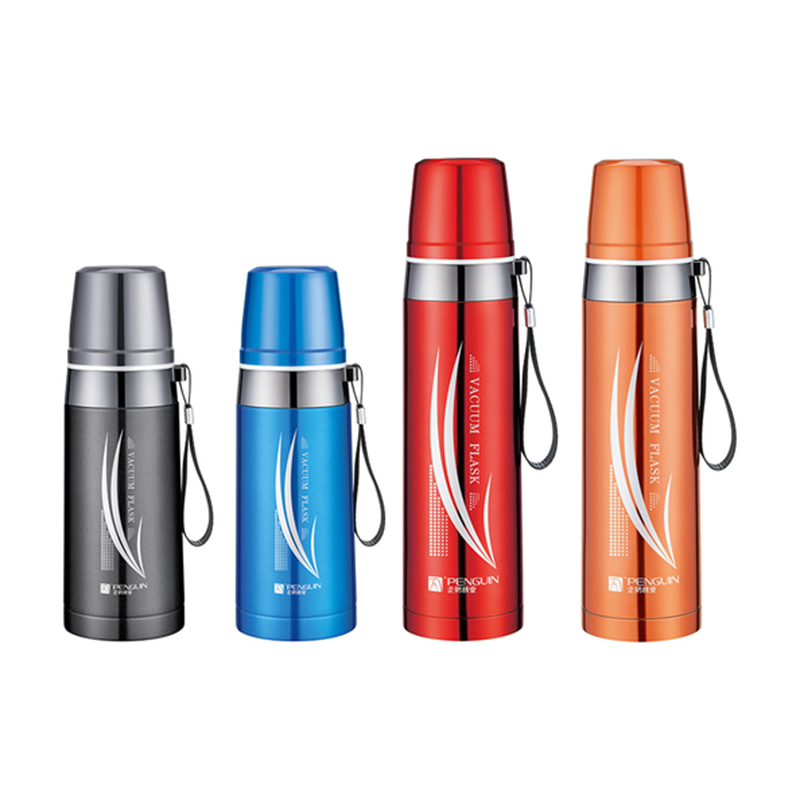
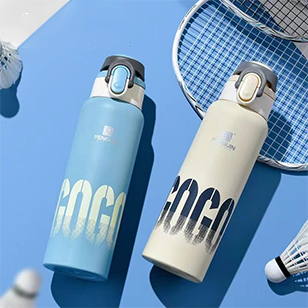
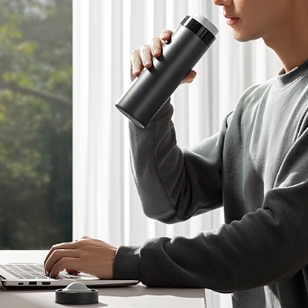
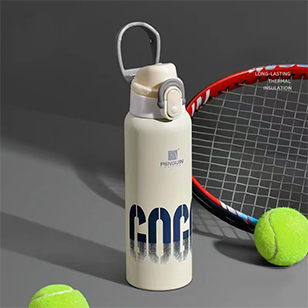
Water bottles for sports are specialized containers designed to meet the hydration needs of athletes, fitness enthusiasts, and outdoor activity participants. Unlike standard water bottles, these products are designed for portability, ease of use during physical activity, and durability under varying conditions. They are commonly used in gyms, running events, cycling, team sports, and outdoor adventures.
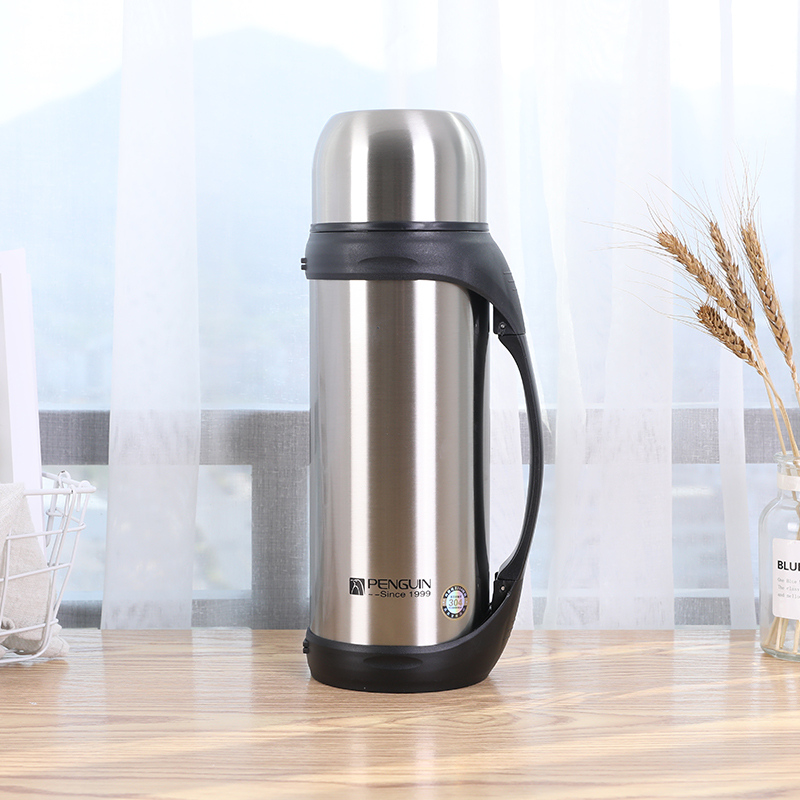
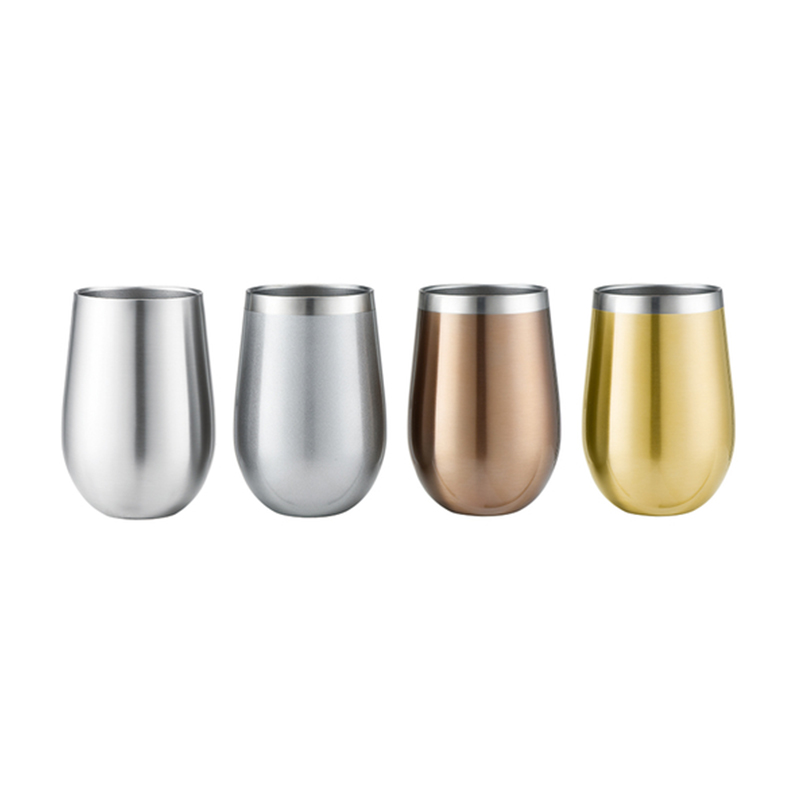
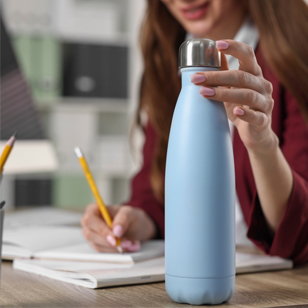
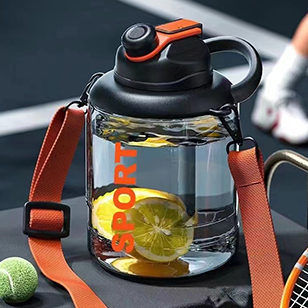
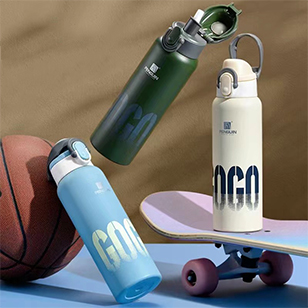
Water Bottles for Sports
Design Features
Water bottles for sports are designed to support quick and convenient hydration during physical activity. Key design features include:
Lightweight materials: Sports water bottles use plastic, aluminum, or stainless steel to balance portability and durability.
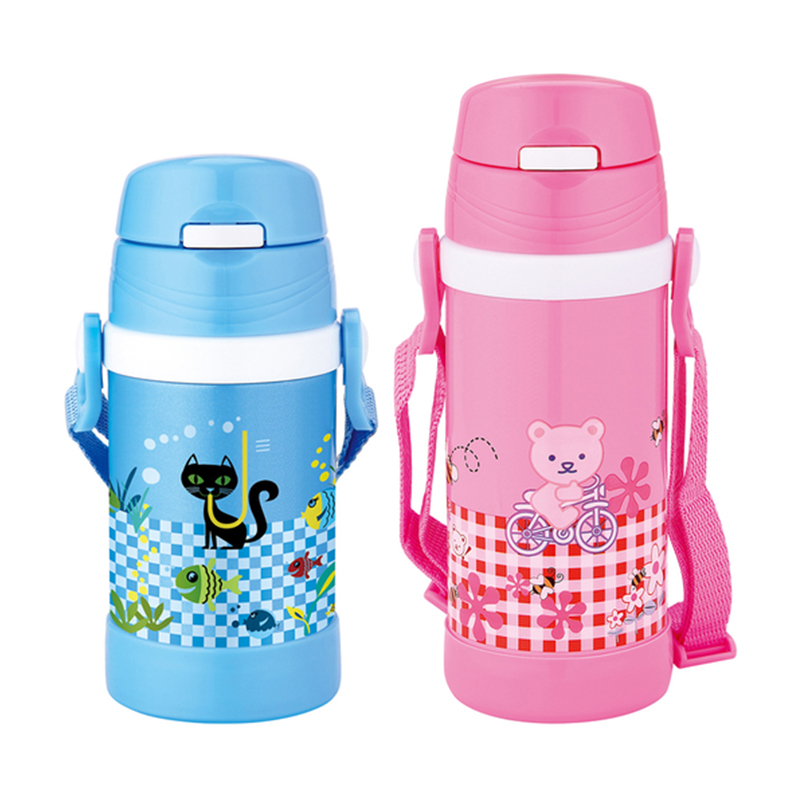
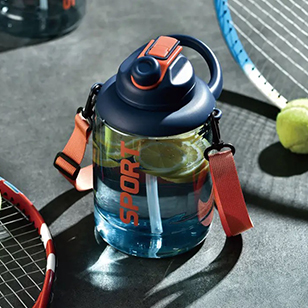
Wide-mouth or narrow spout openings: Wide mouths facilitate easy refilling and cleaning, while narrow spouts or straw-style openings allow users to drink quickly without slowing down.
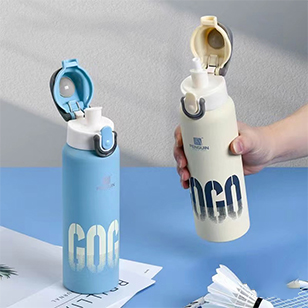
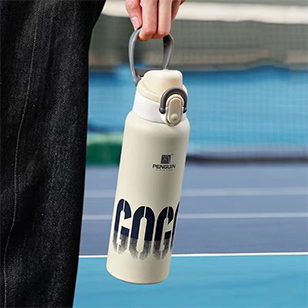
Leak-proof lids: Screw-on or flip-top lids prevent spills during vigorous movements.
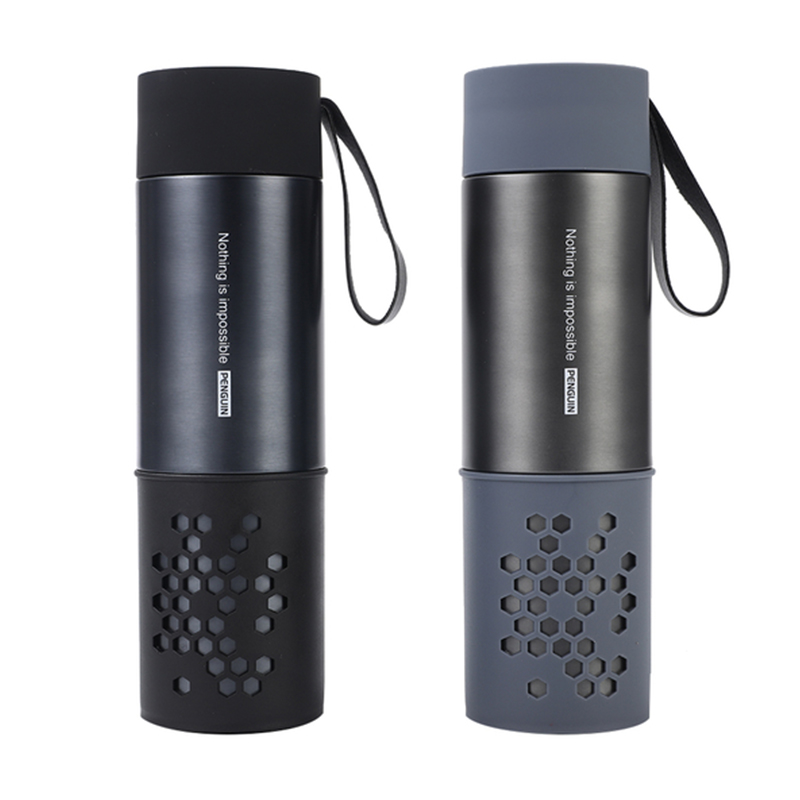
Ergonomic shape: Contoured bodies and grip textures allow secure holding during running, cycling, or team sports.
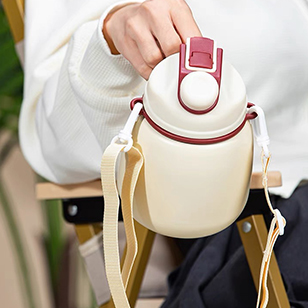
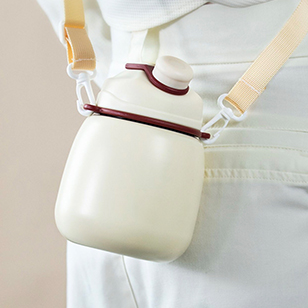
Some bottles also include measurement markings for tracking fluid intake, integrated carrying straps, or insulation to maintain temperature. These features support convenience, safety, and consistent hydration, especially during extended workouts or competitive events.
Common Applications
Sports water bottles are widely adopted across various activity settings:
Gym and fitness classes: Athletes use bottles to maintain hydration during short to moderate workouts.
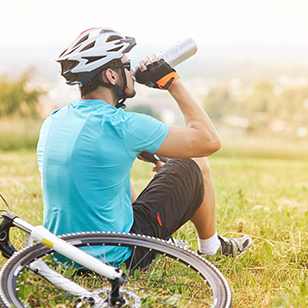
Outdoor running and cycling: Bottles designed for portability are carried in hand, backpacks, or bicycle mounts.
Team sports: Multiple bottles may be distributed on the bench or sidelines for quick access.
Adventure and recreational activities: Hiking, climbing, or camping often require durable bottles capable of handling rough conditions.
The combination of durability, portability, and accessibility makes these bottles practical for individuals and teams alike.
What Are the Problems with Water Bottles for Sports?
Although sports water bottles are practical tools for hydration, they can present several operational, safety, and maintenance challenges. These issues often relate to material, hygiene, or design limitations.
Material Limitations
The materials used in sports bottles can create concerns in certain situations:
Plastic bottles: Lightweight but may contain BPA or other chemicals if low-quality materials are used. Repeated exposure to heat, such as leaving the bottle in direct sunlight, can increase chemical leaching.
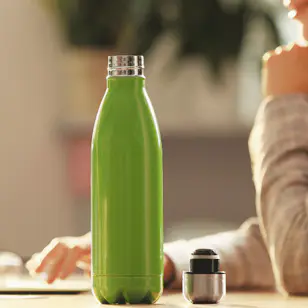
Metal bottles: Stainless steel or aluminum bottles are more durable, but some models may react with acidic beverages, and they tend to be heavier, which can reduce portability.
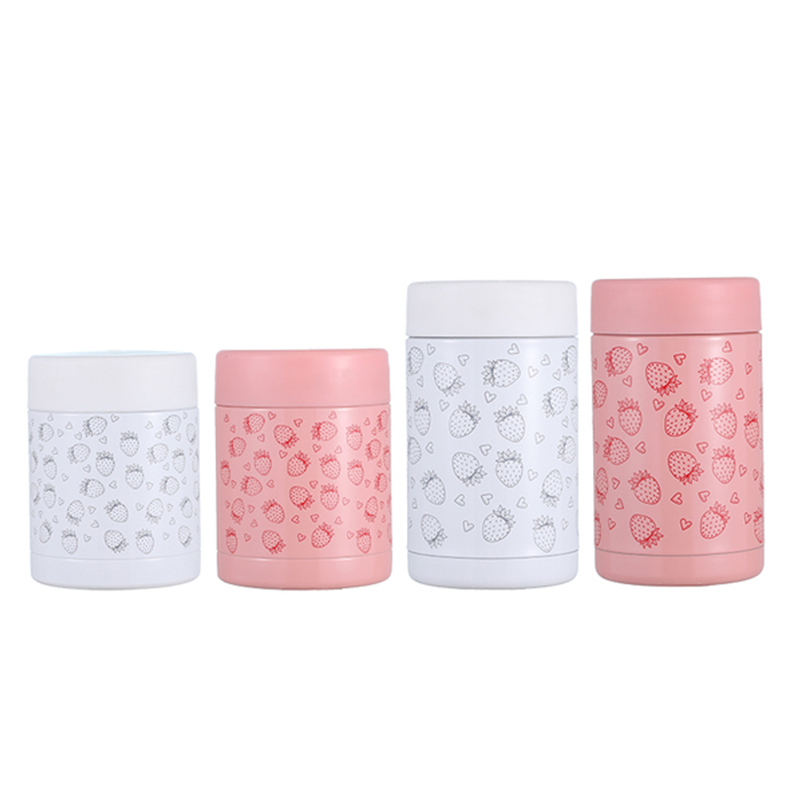
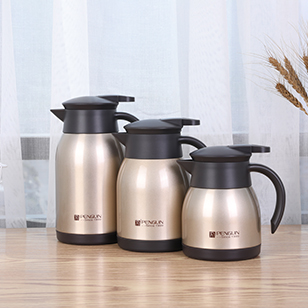
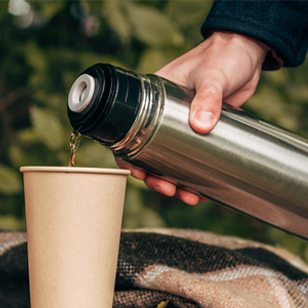
Insulated bottles: While they maintain temperature, double-wall designs can add bulk and require careful cleaning to prevent mold or odor accumulation.
Material quality is an important factor affecting both safety and long-term usability.
Hygiene and Cleaning Challenges
Sports bottles are prone to bacterial growth due to repeated use, warm conditions, and limited cleaning:
Narrow spouts or built-in straws can be difficult to clean thoroughly.
Residual moisture in bottles with tight lids can encourage mold formation.
In team environments, sharing bottles can increase the risk of germ transmission.
Regular and proper cleaning is essential but can be inconvenient for users who are frequently on the move.
Design and Usability Issues
Certain design features intended to enhance convenience can also introduce problems:
Flip-top lids or push-button mechanisms may fail over time, bring about leaks or breakage.
Bottles that are too large or heavy can be difficult to carry during running or cycling.
Some measurements or markings may fade after repeated washing, reducing usability for hydration tracking.
These limitations may reduce the effectiveness of the bottle for consistent hydration and require careful selection to match specific activities.
Environmental and Longevity Concerns
Sports water bottles that are low-cost or made from single-use plastics contribute to environmental waste if discarded frequently. In addition, low-quality bottles may deform, crack, or leak with repeated use, reducing lifespan and increasing replacement frequency.

- Quick Links
- Home
- Customization
- Products
- News
- About
- Manufacturing
- Contact Information
- Tel : +86-579-86600888
- Phone : +86-18967438668
- Email : [email protected]/ [email protected]
- Add : Area A, Jinyidong Industrial Zone, Huashui Town, Dongyang City, Zhejiang Province, China
- Contact Us

