


 English
  日本語
日本語  Deutsch

 HOME / NEWS / Industry News / Why Are Large Capacity Water Bottles Gaining Steady Popularity in the Consumer Market?
Industry News
Why Are Large Capacity Water Bottles Gaining Steady Popularity in the Consumer Market?
2026-03-06
Large capacity water bottles have become increasingly visible in retail stores, online marketplaces, gyms, offices, and outdoor activity settings. These bottles, typically ranging from 1 liter to over 2 liters in volume, are designed to reduce the need for frequent refilling and to support daily hydration goals. Their growing popularity is connected to health awareness, lifestyle changes, environmental considerations, and product innovation.
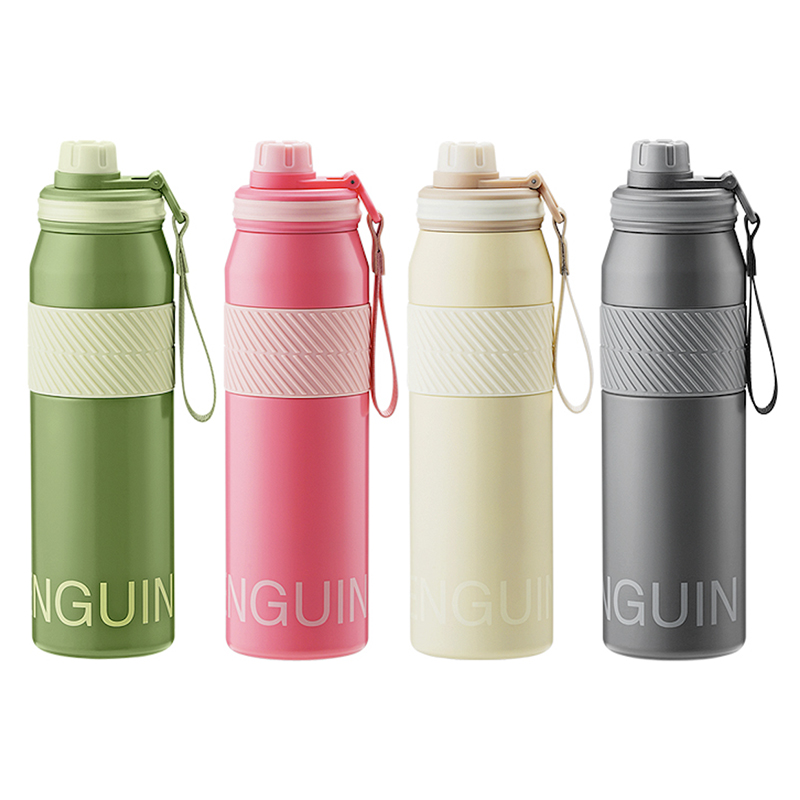
Health Awareness and Hydration Trends
One of the primary drivers behind the popularity of large capacity water bottles is the increased public focus on hydration and general wellness. Health organizations commonly recommend adequate daily water intake, and many consumers actively monitor their hydration levels.
Large capacity bottles support this trend by offering:
Clearly marked volume scales for tracking daily intake
Reduced need for multiple refills throughout the day
Convenient access to water during long work or exercise sessions
Encouragement of consistent hydration habits
In fitness environments such as gyms or outdoor sports areas, users often prefer bottles that can last through extended workouts. For office workers, a large bottle placed on a desk serves as a visual reminder to drink water regularly.
The integration of time markers printed on bottles has also contributed to consumer interest. These markings help users pace their water consumption across the day, aligning with personal wellness routines.
Lifestyle Changes and Convenience
Modern lifestyles often involve commuting, extended work hours, and outdoor activities. Large capacity water bottles are positioned as practical tools for these routines.
Common usage scenarios include:
Long-distance travel
Hiking and camping trips
School and university attendance
Construction or fieldwork environments
The convenience factor is supported by features such as:
Wide-mouth openings for easy filling and cleaning
Leak-resistant lids
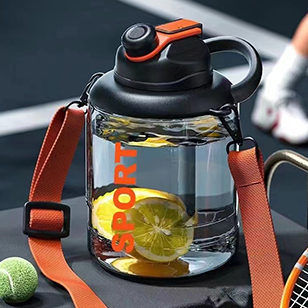
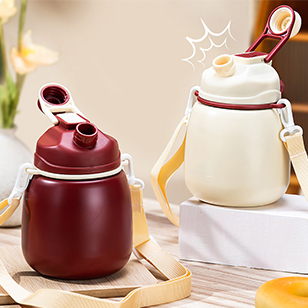
Built-in handles or straps for portability
Durable materials that resist impact
In comparison to smaller bottles, large capacity options reduce dependency on frequent access to refill stations. This is particularly useful in environments where water sources may not be readily available.
Additionally, the rise of remote work and flexible schedules has led many consumers to carry personal hydration containers during daily routines outside traditional office settings.
Environmental and Sustainability Considerations
Environmental awareness plays an important role in shaping consumer preferences. Many large capacity water bottles are designed for repeated use, reducing reliance on single-use plastic bottles.
Sustainability-related advantages include:
Reusable construction materials such as stainless steel, Tritan plastic, or BPA-free polypropylene
Reduced packaging waste
Lower long-term cost compared to disposable bottled water
Consumers concerned about plastic waste often prefer durable, refillable containers. Stainless steel large capacity bottles, for example, provide long service life and resistance to corrosion.
In some regions, government campaigns and corporate sustainability programs encourage the use of reusable containers. This broader social context supports market demand for larger bottles that can serve daily hydration needs without disposable packaging.
Product Design and Material Innovation
Manufacturers have expanded product options to meet varying consumer expectations. Large capacity water bottles are now available in different materials and structural designs.
Common materials include:
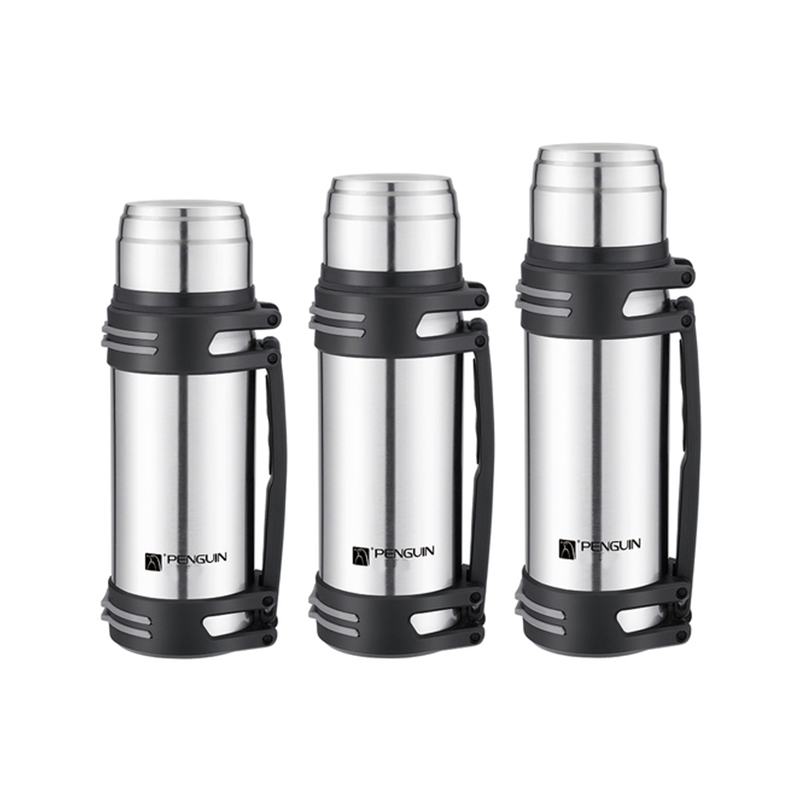
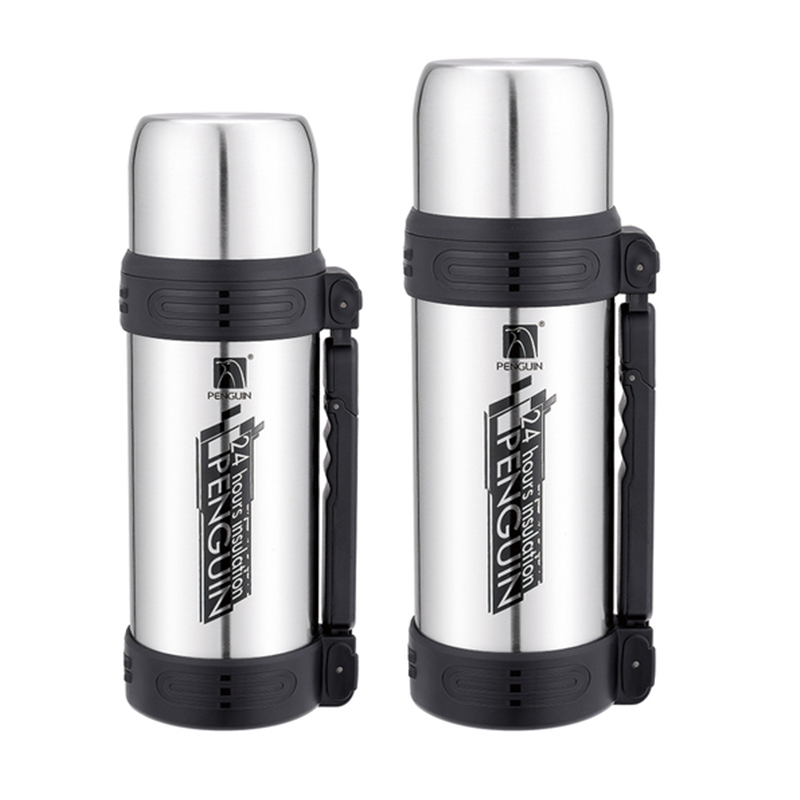
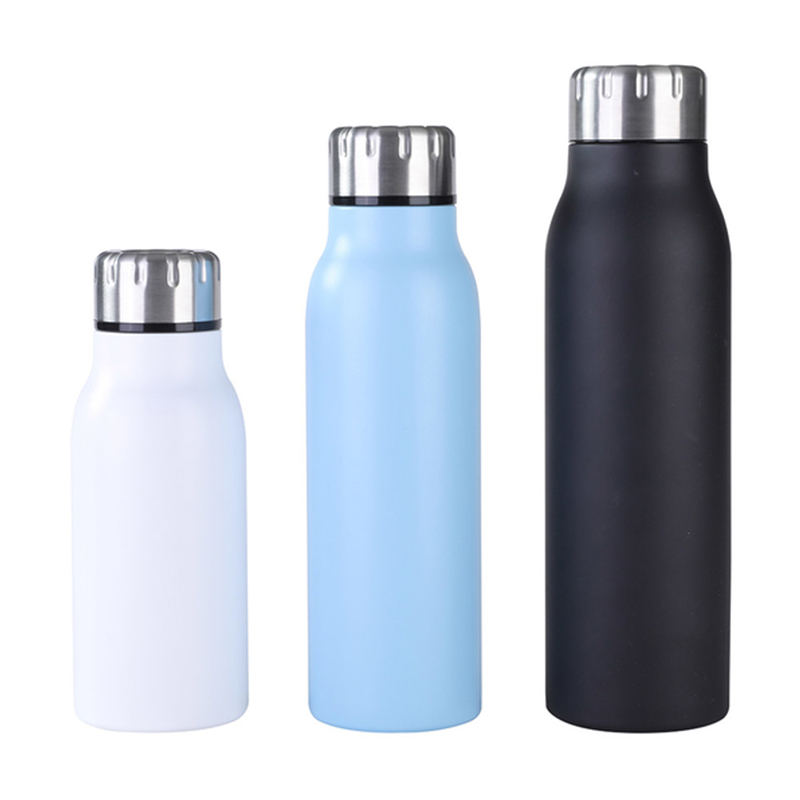
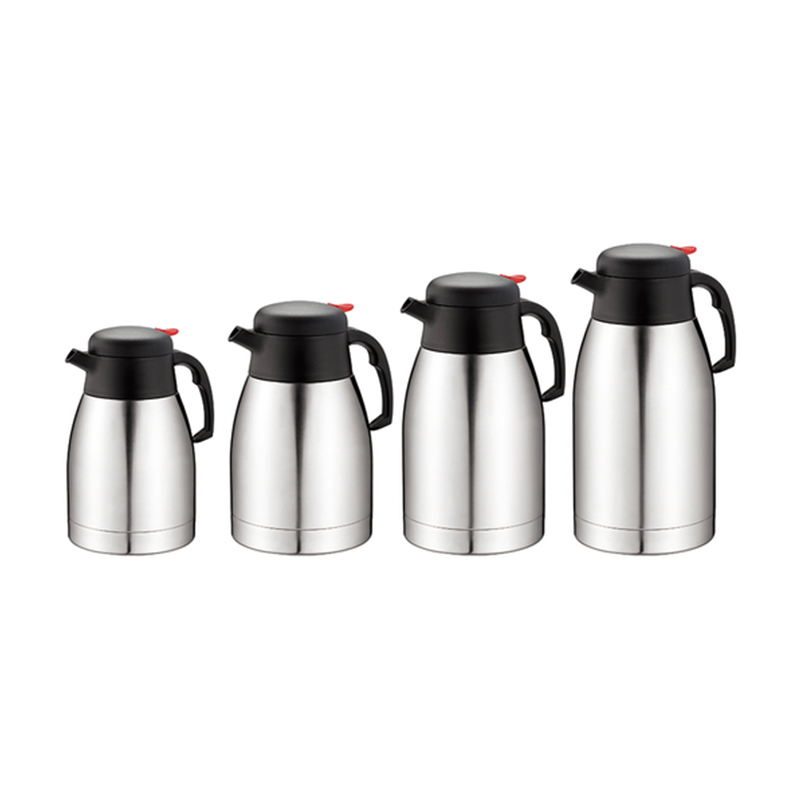
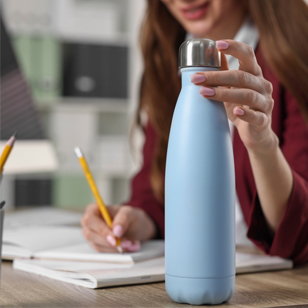
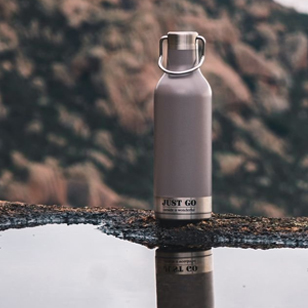
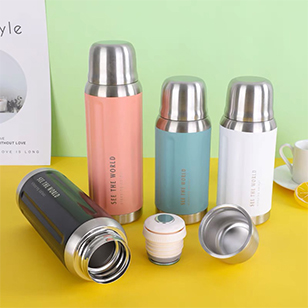
Stainless steel for durability and thermal insulation
BPA-free plastic for lightweight portability
Glass with protective silicone sleeves
Design variations may offer:
Double-wall insulation to maintain temperature
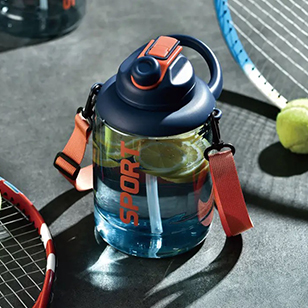
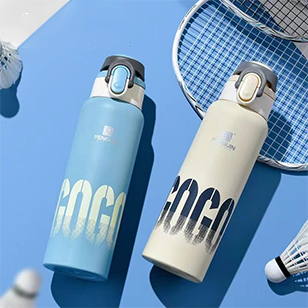
Straw lids for convenient sipping
Measurement scales printed on the exterior
Detachable straps for easier carrying
Insulated large capacity bottles are particularly popular among users who want to maintain beverage temperature for extended periods. For example, cold drinks may remain chilled for several hours, making them suitable for outdoor use.
Customization has also influenced purchasing decisions. Consumers may choose bottles based on:
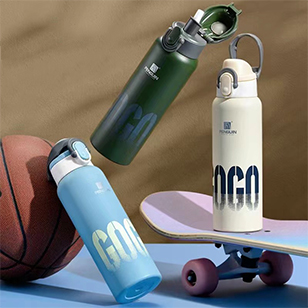
Color options
Surface finishes
Brand identity
Ergonomic grip design
These design considerations contribute to both functional and aesthetic appeal.
Market Distribution and E-Commerce Growth
The popularity of large capacity water bottles is also linked to modern retail distribution channels. E-commerce platforms allow consumers to compare features, materials, and prices across brands.
Market advantages include:
Wide product variety available online
Customer reviews influencing purchasing decisions
Competitive pricing due to multiple suppliers
Direct-to-consumer brand models
Social media platforms have also influenced product visibility. Fitness influencers and lifestyle bloggers frequently display large capacity bottles as part of daily routines, indirectly supporting consumer interest.
Offline retail channels, such as sports equipment stores and supermarkets, continue to offer these products as well, ensuring accessibility across different customer groups.
Commercial and Institutional Use
Beyond individual consumers, large capacity water bottles are also adopted by organizations and institutions.
Examples include:
Corporate wellness programs providing branded bottles to employees
Schools encouraging students to bring reusable containers
Sports teams supplying team-labeled hydration bottles
Bulk purchasing for promotional or practical use contributes to steady demand in the wholesale market.


- Quick Links
- Home
- Customization
- Products
- News
- About
- Manufacturing
- Contact Information
- Tel : +86-579-86600888
- Phone : +86-18967438668
- Email : [email protected]/ [email protected]
- Add : Area A, Jinyidong Industrial Zone, Huashui Town, Dongyang City, Zhejiang Province, China
- Contact Us

