


 English
  日本語
日本語  Deutsch



Industry News
How Can Bullet Thermos Flask Support Beverage Switching
2026-09-25
A thermos flask may begin the day with coffee, hold tea during an afternoon break, and carry water later on the way home. The container stays the same throughout, but the demands placed on it change with every beverage poured into it. This simple shift is becoming a genuinely important part of how people use reusable drinkware in daily life.
Coffee brings concerns about aroma, taste, and easy drinking on the go. Tea can leave a noticeable scent or residue around the lid that lingers after washing. Water may seem simpler on the surface, yet users still want a clean taste and a quick way to drink between activities without fuss. A flask that handles these changes smoothly needs genuinely more than a well-insulated body sitting inside a metal shell.
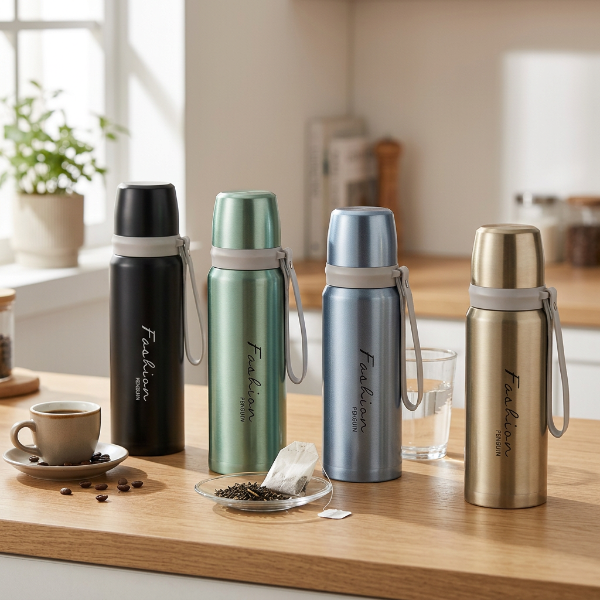
The idea of beverage switching therefore changes how a thermos flask can get designed from the ground up. Interior surfaces, lid construction, opening size, cleaning access, carrying comfort, and visual design can all influence whether one flask feels suitable for several drinks rather than just one.
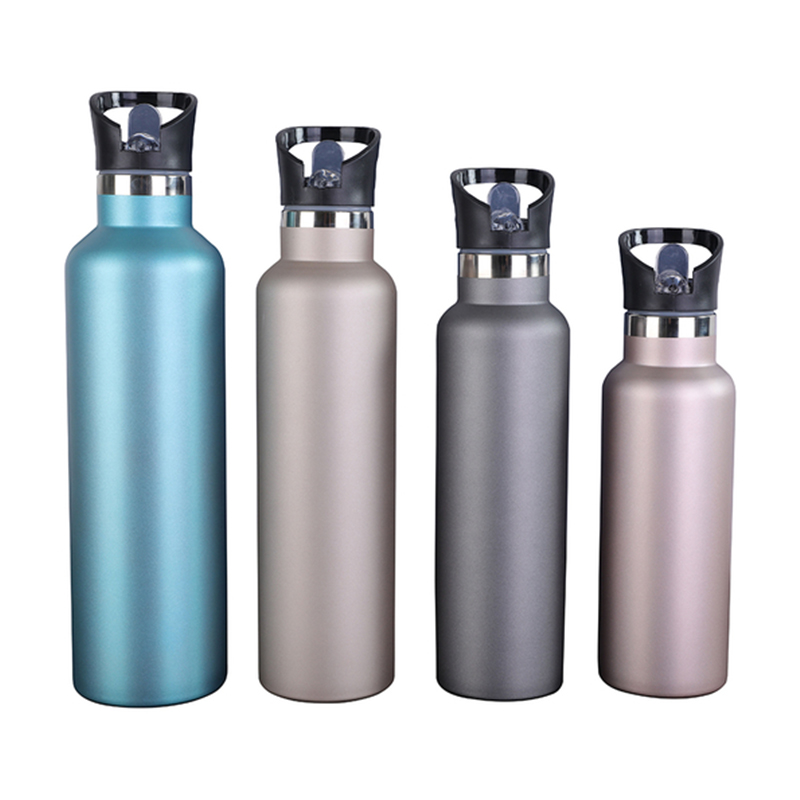
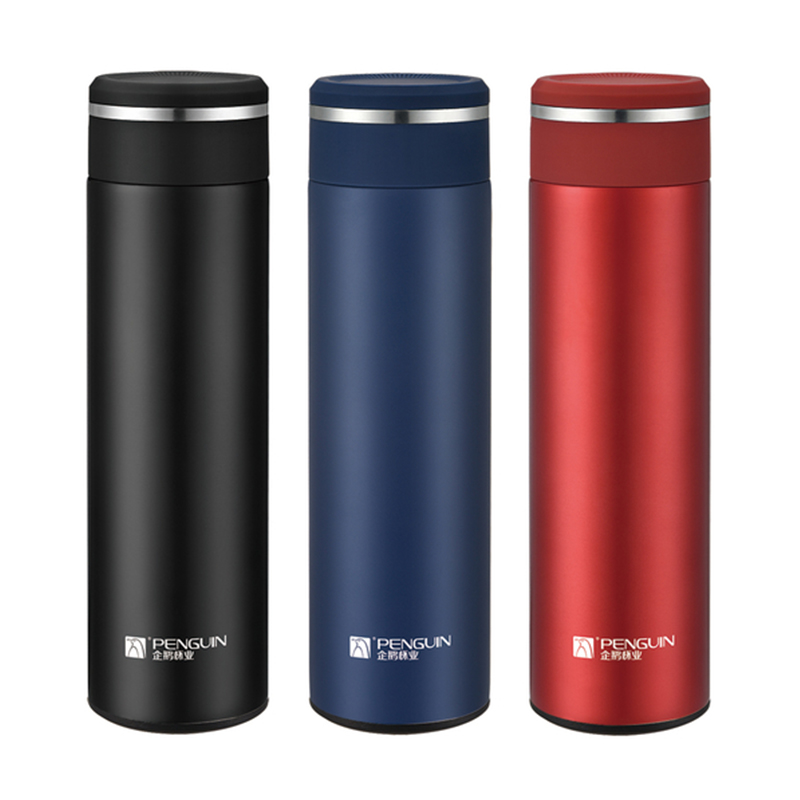
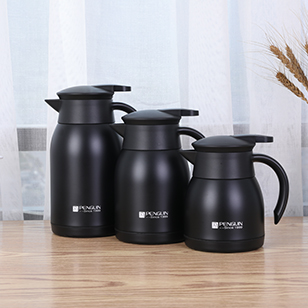
For manufacturers, this creates a genuinely broader product development question worth sitting with. A Bullet Thermos Flask, a Thermos Flask Cup with Handle, and other reusable drinkware formats may serve different daily routines even when they share a similar basic function underneath.
Why Are People Switching Between Different Beverages?
Drinking habits are rarely fixed throughout an entire day. Someone may want coffee while working in the morning, tea during a break in the afternoon, and water while traveling or exercising later on. Each drink creates a slightly different interaction with the same container in the person's hand.
Coffee often gets consumed slowly and may travel into an office or accompany a commute across town. Tea can involve loose leaves, tea bags, or flavored blends that leave different traces inside the flask depending on the brew. Water usually gets used more frequently throughout the day, so quick access and easy cleaning become genuinely more noticeable to the person carrying it.
| Beverage | Common Daily Interaction |
|---|---|
| Coffee | Longer drinking periods and stronger aroma |
| Tea | Different flavors and possible residue |
| Water | Frequent refilling and quick drinking |
| Flavored drinks | Greater attention to cleaning |
These differences mean beverage switching isn't simply about changing what gets poured into the flask on a given morning. It also changes how the flask gets opened, cleaned, carried, and used throughout the rest of the day. A reusable container that fits several beverage routines can therefore become part of a genuinely more flexible daily lifestyle for the person relying on it.
How Does Coffee Change the Way a Flask Is Used?
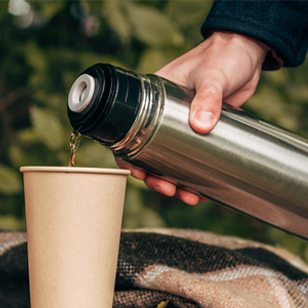
Coffee often creates a genuinely different drinking routine from water. It may get prepared at home, carried to work, and consumed over a longer stretch of time rather than finished in one sitting. The user may open the flask several times throughout the morning rather than emptying it quickly all at once.
This makes the drinking opening genuinely important to get right. Users want to take comfortable sips without making the flask difficult to carry or store between drinks during a busy commute.
Coffee can also leave a noticeable smell behind after use, one that lingers past a single rinse. If the same flask will later hold water or tea, users may want to clean it without complicated disassembly getting in the way.
A practical coffee-oriented design may therefore consider easy access to the drinking area alongside smooth interior surfaces that don't trap grounds. Lid parts that can actually be cleaned matter too, along with comfortable handling during longer use and a secure closure between drinks throughout the day.
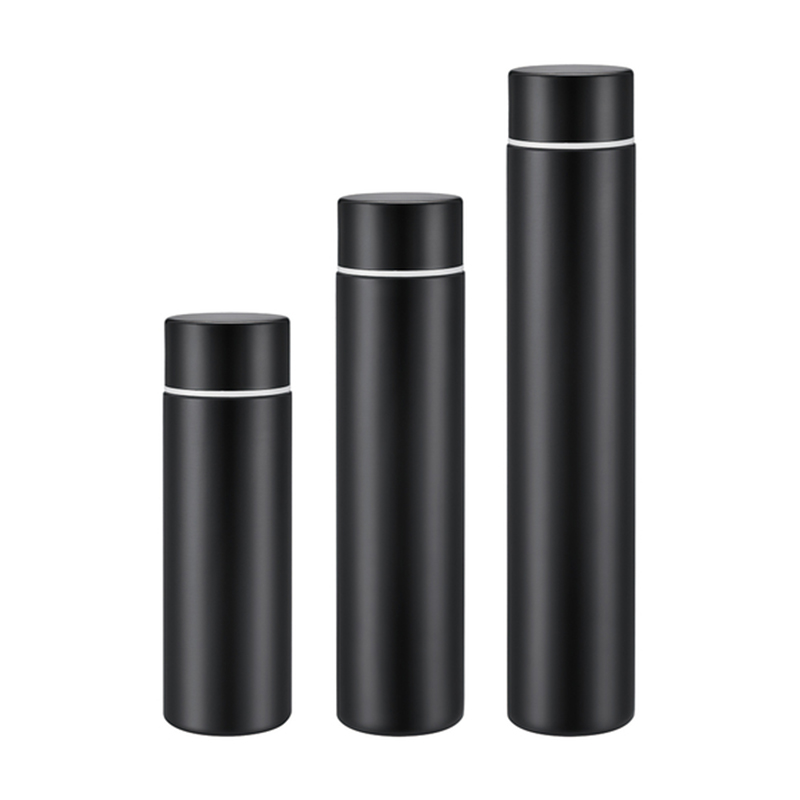
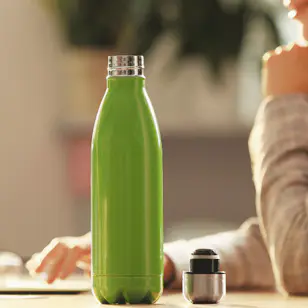
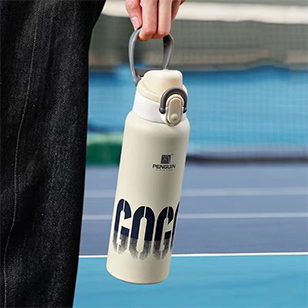
A Bullet Thermos Flask can fit this kind of routine because its compact form can suit commuting, desk use, and short trips without adding bulk. Its role can change during the day as the user's beverage needs shift from one thing to another.
What Changes When the Same Flask Is Used for Tea?
Tea introduces another layer of variation into the mix. Different teas can carry genuinely different aromas and flavors, and some may leave visible traces after repeated use that a quick rinse won't fully clear.
A person who drinks plain tea in the afternoon may later want water from that same flask before bed. If the lid and drinking area retain the previous beverage's smell, the experience can feel genuinely different even when the flask itself is technically clean.
This is why cleaning access becomes such a central part of beverage switching in practice. The user needs to reach the areas where liquid may collect and settle over time. A lid with several small parts may offer useful functions, but those parts should also stay practical to wash and reassemble without frustration.
Tea use can also influence the shape of the drinking opening itself. Some users prefer a direct drinking mouth for convenience, while others may prefer a controlled opening that helps manage the flow more carefully.
The genuinely important point is that tea changes how the flask interacts with the user each time. It isn't simply another liquid placed inside the same container without consequence.
Why Does Water Create a Different Set of Expectations?
Water is a common choice for drinking throughout the day. The flask may be opened repeatedly during work, while walking, when traveling, or between other activities that make up the day.
Because of this frequent use, small design details become genuinely noticeable in ways they might not with a single morning coffee. A user may want to open the flask with one hand, take a quick drink, and close it again without interrupting whatever activity is already underway.
A comfortable grip can also matter when the flask gets carried for long periods, tucked under an arm or swinging from a bag. Water also makes cleaning habits genuinely easier to observe since there's usually less aroma and residue than with coffee or tea.
Because of that, users may expect the container to feel clean and neutral after washing, without any lingering taste from the last drink. A flask intended for beverage switching therefore needs to support quick everyday use without making the product difficult to maintain between refills.
Can One Lid Design Support Different Drinking Habits?
The lid is one of the parts that has a direct effect on how the flask feels to use. It determines how the user opens the flask, drinks from it, closes it, and carries it throughout the day.
Coffee users may appreciate a controlled opening that helps with comfortable sipping on the move. Tea drinkers may care more about easy cleaning around the lid after a strong brew. Water users may value quick access during repeated drinking throughout the afternoon.
This creates several design considerations worth weighing against each other.
| Lid Feature | Beverage Switching Consideration |
|---|---|
| Opening design | Influences drinking style |
| Closure | Helps keep the container closed between uses |
| Cleaning access | Supports changes between beverages |
| Grip area | Affects everyday handling |
| Seal structure | Helps prevent unwanted leakage |
There's no single lid arrangement that fits every drinking habit in exactly the same way across every user. Product designers can instead consider how different users move between beverages and what they genuinely need from the same container throughout their particular day.
How Does Cleaning Become More Important When Beverages Change?
Cleaning matters genuinely more when a flask gets used for different drinks throughout the week. A container used only for water may follow a simpler cleaning routine, while one used for coffee and tea needs more attention to aroma and residue building up over time.
The interior isn't the only area that matters here, either. The lid, drinking opening, seals, and connection points can also come into contact with beverages and hold onto their traces.
A practical cleaning routine may involve emptying the flask after use before residue has a chance to set. Separating removable parts where the design allows it comes next, followed by washing the areas that actually contact the beverage directly.
Rinsing away cleaning residue matters too, and allowing parts to dry fully before storage rounds out a solid routine. The specific care method should follow the product's instructions closely, since different materials and constructions may require genuinely different handling.
For manufacturers, this means cleaning should get considered during product development itself, rather than treated only as a user responsibility handed off after the sale.
Why Does Interior Design Matter for Beverage Switching?
The inside of a flask has a genuinely direct relationship with whatever beverage gets placed in it. Users who switch between coffee, tea, and water may notice changes in smell, taste, or residue genuinely more readily than someone who uses one beverage repeatedly without variation.
An interior that's easy to clean can make switching genuinely more practical for daily use. The shape of the inner area also matters because narrow or difficult-to-reach sections can make washing genuinely less convenient for the person at the sink.
Manufacturers can consider smooth interior surfaces that don't trap particles, alongside accessible openings that make reaching every corner possible. Limited areas where liquid can collect help too, along with practical connections between body and lid, and materials suitable for repeated beverage use over months of daily handling.
The goal isn't creating a product for one specific drink and calling it done. It's creating a container that can move between different drinking routines without becoming genuinely difficult to manage day to day.
How Can a Thermos Flask Cup With Handle Fit Changing Routines?
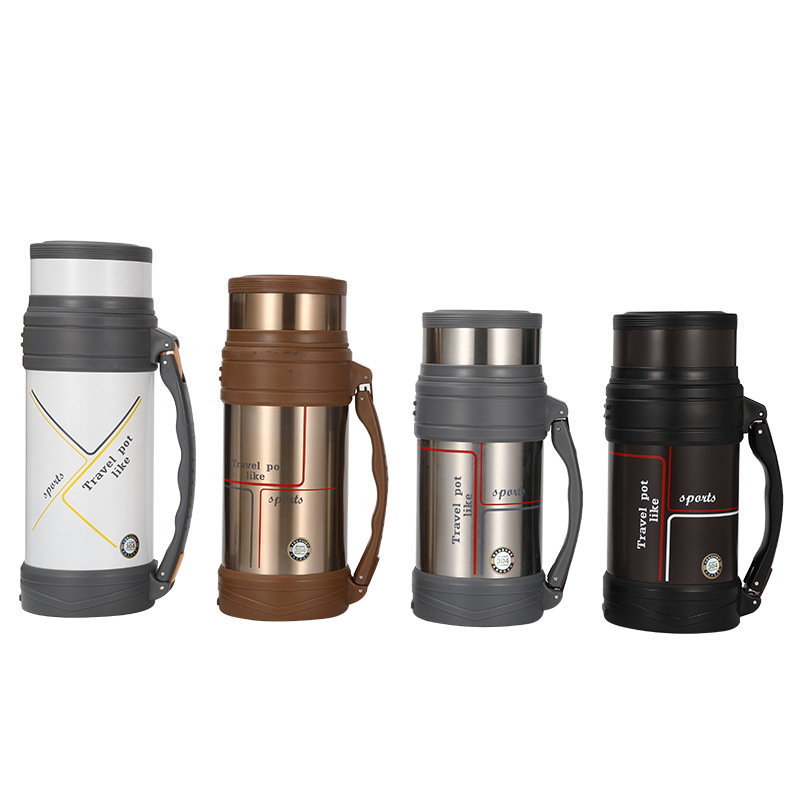
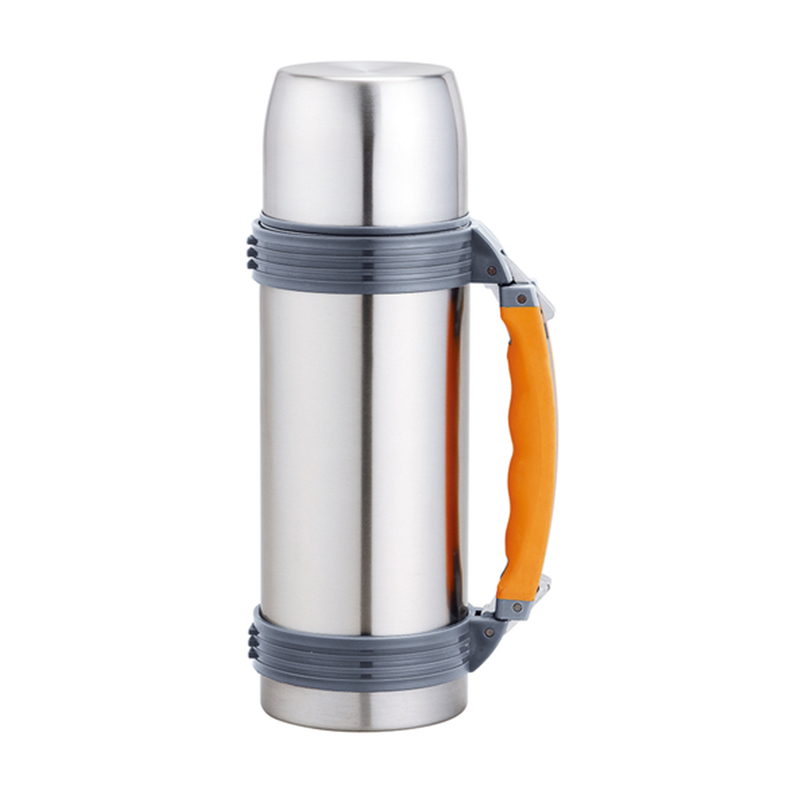
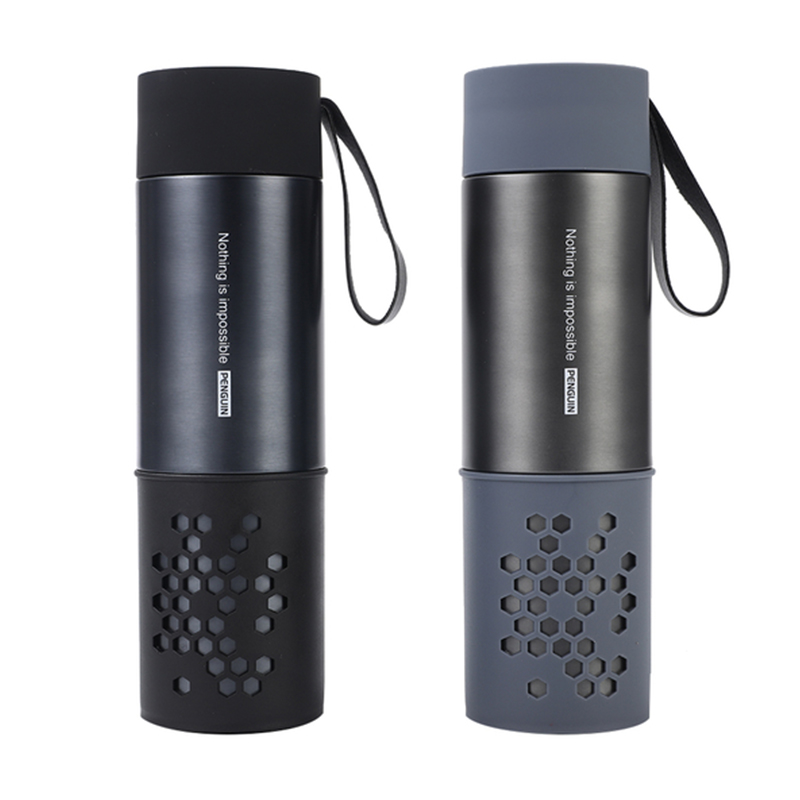
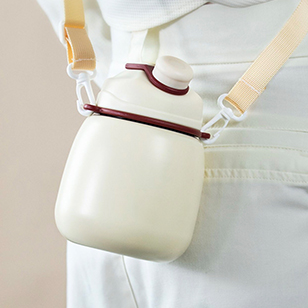
A Thermos Flask Cup with Handle offers a genuinely different interaction because the handle gives users another way to hold and move the container around. This proves useful when the flask gets used at a desk, in a kitchen, during outdoor activities, or in another setting where the user wants a more cup-like grip in hand.
The handle can also change how people approach different beverages throughout the day. A coffee drinker may hold the cup while working at a desk. A tea drinker may carry it between rooms without worrying about a slippery grip. A water user may pick it up repeatedly throughout the day without a second thought.
| Usage Situation | Handle-Related Benefit |
|---|---|
| Desk use | Provides a familiar holding position |
| Kitchen use | Supports convenient carrying |
| Outdoor breaks | Gives another grip option |
| Shared spaces | Makes the container easier to move |
The handle doesn't determine whether a flask suits every beverage on its own. Instead, it adds another layer to how users interact with the container throughout the various moments in their day.
What Happens When Beverage Switching Takes Place Outside the Home?
Beverage switching becomes genuinely more noticeable during commuting, travel, and outdoor activities away from a familiar kitchen. Users may leave home with one drink and refill the flask later with something else entirely.
The container may move between a car, office, café, kitchen, backpack, and outdoor setting all within a single day. This creates practical demands that go beyond the beverage itself sitting inside.
A portable flask needs to remain genuinely easy to carry while allowing the user to change drinks without creating unnecessary cleaning problems along the way. Someone may begin a trip with coffee, rinse the flask during a break at a rest stop, and refill it with water for the rest of the drive.
The ability to perform this change easily can genuinely influence how useful the flask feels during the rest of the trip. This is where product design connects directly with real daily behavior on the road.
How Can a Bullet Thermos Flask Fit Different Daily Activities?
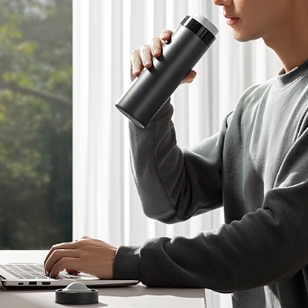
The compact shape associated with a Bullet Thermos Flask can make it suitable for routines where portability genuinely matters above other concerns. A user may keep it beside a laptop in the morning, tuck it into a bag before commuting, and carry it during an afternoon walk without a second thought.
The beverage inside can change while the basic carrying routine stays genuinely the same throughout. Its shape can also influence how it fits into storage spaces around a home or office desk.
A flask that's easy to place in a bag or on a desk can support different uses without requiring separate containers for every single beverage a person drinks. This creates a genuinely practical product role in daily life.
Instead of thinking of a flask as strictly a coffee container, tea container, or water bottle, users can treat it as a reusable drinking container that adapts to whatever beverage is needed at a particular moment in the day.
Does Beverage Switching Affect Product Design for Different Users?
Different users may switch beverages in genuinely different ways depending on their routine. An office worker may alternate between coffee, tea, and water during a working day at a desk. A traveler may carry one drink for several hours before refilling somewhere along the route.
A student may use the same flask for water and occasional flavored drinks between classes. These patterns can genuinely influence product development in meaningful ways.
Manufacturers can examine not only what people drink but also how they interact with the flask before, during, and after drinking throughout their day.
| User Type | Beverage Switching Pattern |
|---|---|
| Office worker | Coffee, tea, and water across the day |
| Traveler | One drink followed by refilling |
| Student | Water with occasional flavored drinks |
| Outdoor user | Water and other portable drinks |
| Home user | Different beverages in different rooms |
Looking at the product from a broader perspective can result in a design that feels more natural in everyday use, rather than being built around one specific situation.
What Role Does the Drinking Opening Play?
The drinking opening can affect how a beverage genuinely feels in use each time someone takes a sip. A coffee drinker may prefer a controlled flow that avoids spills during a commute. A tea drinker may want an opening that's easy to clean after a strong brew settles.
A water drinker may prefer quick access above all else during a busy afternoon. The opening also affects how the user handles the flask between drinks throughout the day.
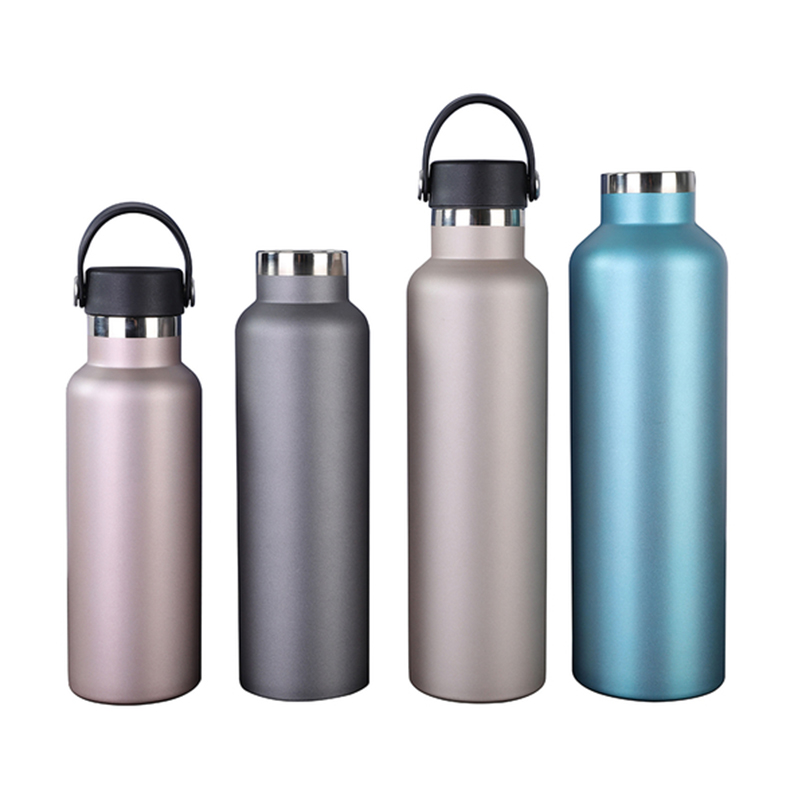
A wide opening may make cleaning genuinely easier and can support certain filling habits when pouring from a kettle. A more controlled opening may suit users who prefer direct sipping without opening a large section every time.
Designers can therefore think about the opening as part of the genuinely complete beverage experience, rather than as a simple hole cut into the lid. The right arrangement depends on the intended product format and the user routine it needs to serve.
How Can Manufacturers Design for Repeated Beverage Changes?
For Stainless Steel Vacuum Flask Manufacturers, beverage switching creates a genuine opportunity to look beyond the basic container structure alone. Product development can consider how the flask behaves before drinking, during use, during cleaning, and after the beverage changes to something new.
A useful development process can include observing drinking routines to identify how users move between coffee, tea, water, and other drinks throughout their day. Reviewing contact areas comes next, considering which parts interact directly with different beverages poured inside.
Examining cleaning access matters too, checking whether users can genuinely reach areas where residue may collect over repeated use. Evaluating handling rounds things out, considering how the flask gets carried, opened, held, and stored between uses.
Reviewing repeated use over time helps as well, looking at how the product performs when the beverage changes regularly rather than staying fixed. This approach connects product design directly with actual user behavior on the ground. It also helps manufacturers avoid designing around only one drinking scenario and missing the rest.
How Can Product Design Reduce the Friction of Switching Drinks?
Changing beverages shouldn't require users to rethink the entire way they use their flask each time. Small details can make the transition genuinely easier without demanding much thought from the person holding it.
A practical design can provide easy access to the interior, manageable lid components, comfortable handling, and a shape that suits different settings throughout the day. The goal isn't creating a container with endless features stacked on top of each other.
Too many parts can make cleaning and daily handling genuinely more complicated than it needs to be. Instead, designers can focus on how each part contributes to flexible use in practice.
A removable lid section may support cleaning after a strong coffee, while a comfortable grip may help when the flask gets used repeatedly throughout the day. A stable base can also make it genuinely easier to place the container on a desk or kitchen surface without it tipping.
These details become genuinely more relevant when the beverage inside the flask changes on a regular basis rather than staying constant.
How Are Changing Beverage Habits Shaping Thermos Flask Development?
Beverage habits are becoming genuinely more flexible across daily life. People don't necessarily use one reusable container for one drink throughout its entire service life anymore. A single flask may move between coffee, tea, water, and other beverages as the day changes shape.
This shift encourages manufacturers to think about the genuinely complete user experience rather than a single moment. The Bullet Thermos Flask can address portable routines that fit into a bag or beside a laptop. A Thermos Flask Cup with Handle can support users who prefer a cup-like grip throughout their day.
Stainless Steel Vacuum Flask Manufacturers can consider how these different formats respond to changing beverage habits when developing new products for the market ahead. The focus is moving toward flexibility in everyday use rather than a single fixed purpose.
Interior access, lid design, drinking openings, cleaning, carrying, and storage all become part of the same genuinely connected product question. A flask that moves naturally between different beverages has to fit the moments surrounding drinking as well as the drink itself sitting inside it.
That means product development can begin with real routines close at hand: morning coffee, afternoon tea, a water refill, a change of location, and the cleaning needed before the next drink comes along.

- Quick Links
- Home
- Customization
- Products
- News
- About
- Manufacturing
- Contact Information
- Tel : +86-579-86600888
- Phone : +86-18967438668
- Email : [email protected]/ [email protected]
- Add : Area A, Jinyidong Industrial Zone, Huashui Town, Dongyang City, Zhejiang Province, China
- Contact Us

