


 English
  日本語
日本語  Deutsch



Industry News
How Does Travel Vacuum Bottle Design Adapt to Modern Travel
2026-08-14
A bottle sitting comfortably on a kitchen counter doesn't automatically work well shoved into a backpack side pocket during a two-hour train commute. Travelers need drinkware that carries easily, opens without fuss, and holds up when routines shift from one setting to the next. A bottle that's awkward to grip, too tall for a cup holder, or hard to clean between uses turns into a minor daily annoyance rather than a convenience.
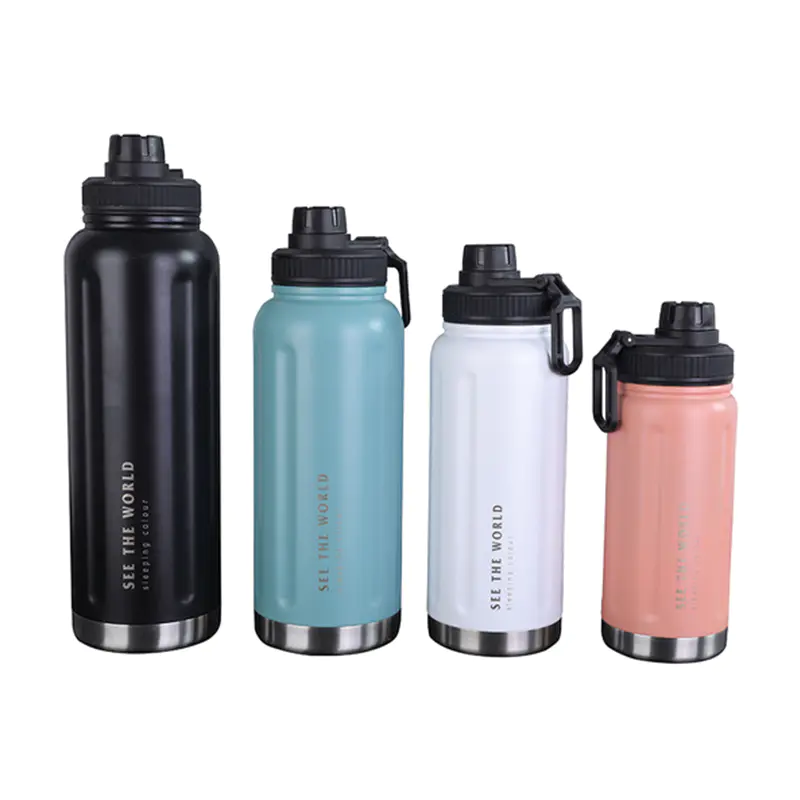
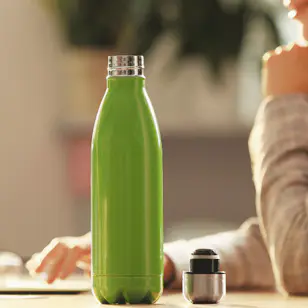
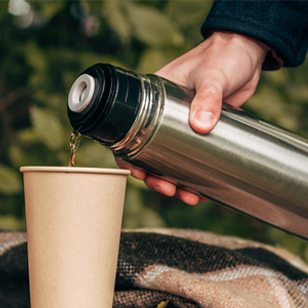
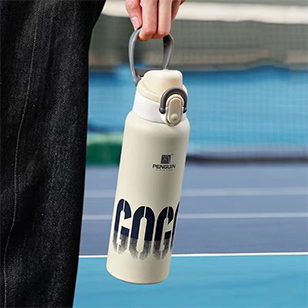
Travel Vacuum Bottles have developed around exactly these friction points. The job isn't just holding a beverage anymore — it's fitting into a bag, surviving a car ride, getting cleaned quickly between refills, and working the same way whether someone's heading to an office or a trailhead.
For manufacturers and B2B buyers, that shift widens the design conversation. A bottle now has to balance how it's carried, how it's handled, how it holds up over repeated washing, how it looks, and how it stores away — and the right balance depends heavily on how a specific group of people actually uses drinkware once they leave the house.
Why Changing Travel Patterns Are Reshaping Bottle Design
Travel doesn't look like one thing anymore. Someone might commute by subway five days a week, then spend a Saturday hiking, then fly out for a work trip the following month. Each of those situations puts different demands on the same piece of drinkware.
A commuter cares whether the bottle slides into a laptop bag without shifting things around. Someone flying cares about a lid that won't leak under cabin pressure changes. A hiker cares more about grip when hands are sweaty or gloved.
Because of this, drinkware built for movement has to work harder than drinkware that mostly sits on a desk.
- Daily commuting calls for a shape that tucks easily into a bag alongside a laptop or lunch container.
- Road trips benefit from a bottle that's simple to grab and drink from one-handed while stopped at a light.
- Outdoor activity puts more weight on a grip that holds steady even when wet.
- Business travel rewards a compact shape that doesn't eat up limited carry-on space.
- Leisure trips tend to favor something that can go from a beach bag to a hotel room without extra thought.
- Family travel often needs a bottle that's simple enough for a kid to open and easy to rinse out in an unfamiliar kitchen.
Working out these differences upfront matters, because a shape that feels natural in one of these situations can feel clumsy in another.
How Portability Shapes the Physical Design
Portability tends to be one of the things people notice about travel drinkware, often before they even open it. A bottle that feels awkward to hold or difficult to carry can quickly become something people leave at home.
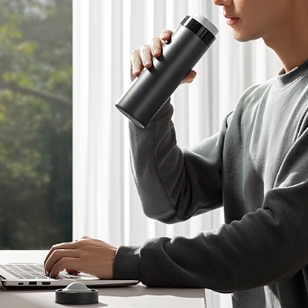
Shape, grip texture, lid mechanism, and overall proportions all play into how naturally a bottle gets picked up and moved around. A slimmer body slides into narrow side pockets more easily than a wide one. A textured or slightly contoured grip stays put in hand better than a smooth cylindrical surface. A lid that locks securely gives someone confidence tossing the bottle into a bag without checking it twice later.
None of these details show up on a spec sheet in an obvious way, but they surface constantly in daily use — reaching for a bottle in a moving car, digging it out of a crowded backpack, setting it down on an uneven picnic table.
For manufacturers, portability isn't just a matter of shaving down dimensions. The bottle still has to function normally while someone's walking, driving, or moving through a crowded train platform, which shifts the design focus toward handling rather than just compactness.
What Makes a Bottle Work for Daily Commuting
A commuter's bottle gets picked up and put down constantly throughout a single day — filled at home, carried onto a train, set on a desk, tossed into a gym bag, refilled at a water fountain.
Features that hold up well under that kind of repeated handling include:
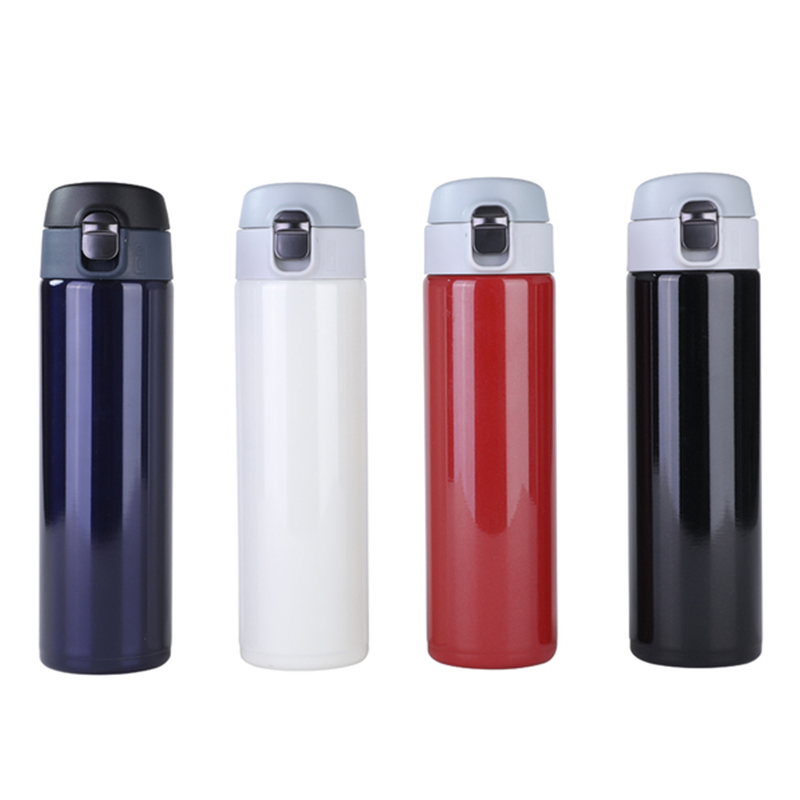
- A lid that opens with one hand, since the other is often holding a phone or a bag strap
- A grip that stays comfortable through dozens of pickups in a day
- A closure secure enough to survive being knocked around in a bag
- Parts that come apart easily enough to rinse quickly in a break room sink
- A shape that fits a standard desk drawer or bag pocket without adjustment
- A drinking opening that doesn't require tilting the whole bottle awkwardly
If any one of these turns into a small hassle — a lid that needs two hands, a narrow neck that's hard to scrub — the bottle stops feeling convenient fairly quickly, even if it looked appealing in the store. Commuter-focused drinkware tends to get built around that repetition, aiming to make refilling and carrying feel routine rather than like an extra task layered onto an already busy day.
How Outdoor Use Changes the Priorities
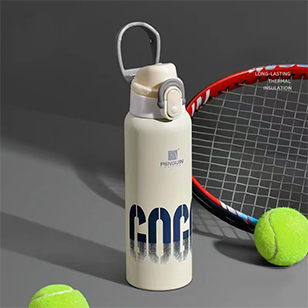
Outdoor situations put different stress on a bottle than an office desk does. A bottle carried on a hike gets set down on rocks, clipped to a pack strap, handled with sweaty or gloved hands, and occasionally dropped.
Grip texture becomes more important here than it is for a bottle that mostly sits still. A surface that stays secure when wet helps prevent drops on uneven trail terrain. A closure that seals reliably matters more too, since a leaking bottle inside a backpack can ruin more than just the drink.
Cleaning matters differently outdoors as well. Campsites and trailheads rarely have a sink nearby, so a bottle that's simple to rinse with minimal water, or that doesn't trap residue in hard-to-reach corners, holds a practical advantage over one that needs a full wash to stay usable.
Manufacturers designing for this use case have to think past a clean indoor test bench and consider how the bottle behaves when it's dropped, jostled, or left in a hot car for an afternoon.
Why Reusable Materials Matter to Modern Travelers
A lot of travelers now default to carrying one bottle rather than buying bottled water at every stop — partly out of habit, partly to cut down on waste, partly because refilling is just simpler once it becomes routine.
Material choice affects how that daily habit actually feels. Stainless steel shows up often in this category because it holds up to repeated use, keeps a familiar weight and feel in hand, and resists denting or cracking the way some other materials might after a drop.
Manufacturers working with stainless steel construction typically pay attention to surface finish, how the grip is shaped, how the lid mechanism is built, how easily the interior can be cleaned, and how the whole thing balances in a bag or pocket.
Material decisions should track back to actual use. A bottle meant mainly for a desk-to-commute routine doesn't need the same wall thickness or grip texture as one meant to survive a camping trip. Reusable drinkware in general is trending toward something that travels across several parts of a person's day rather than sitting in one fixed spot.
How Customization Helps Bottles Fit Different Buyers
Not every market wants the same bottle. A company selling to outdoor retailers has different priorities than one producing bottles for corporate gifting or hotel amenity programs.
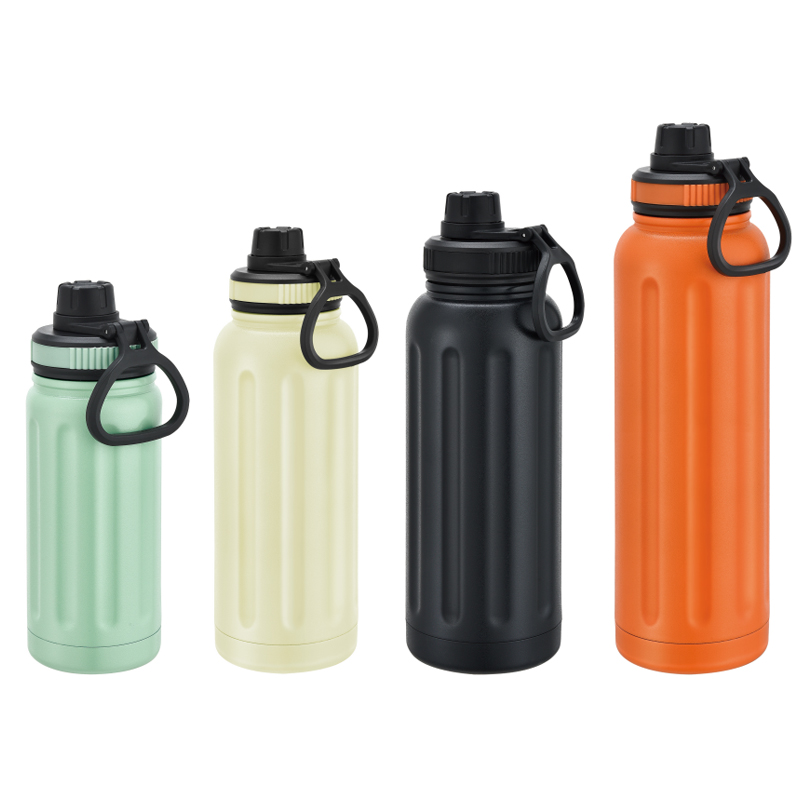
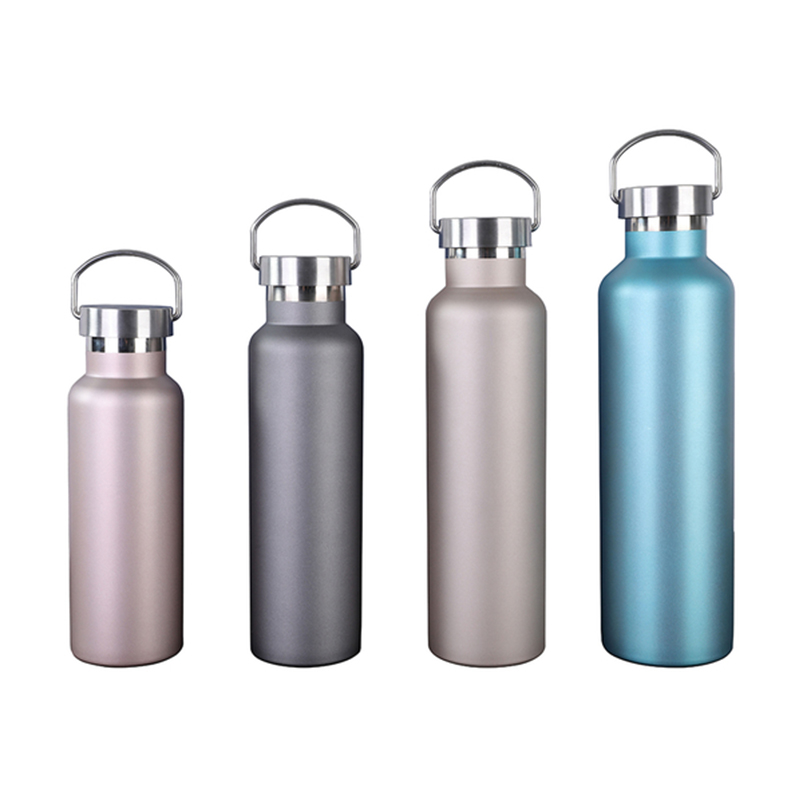
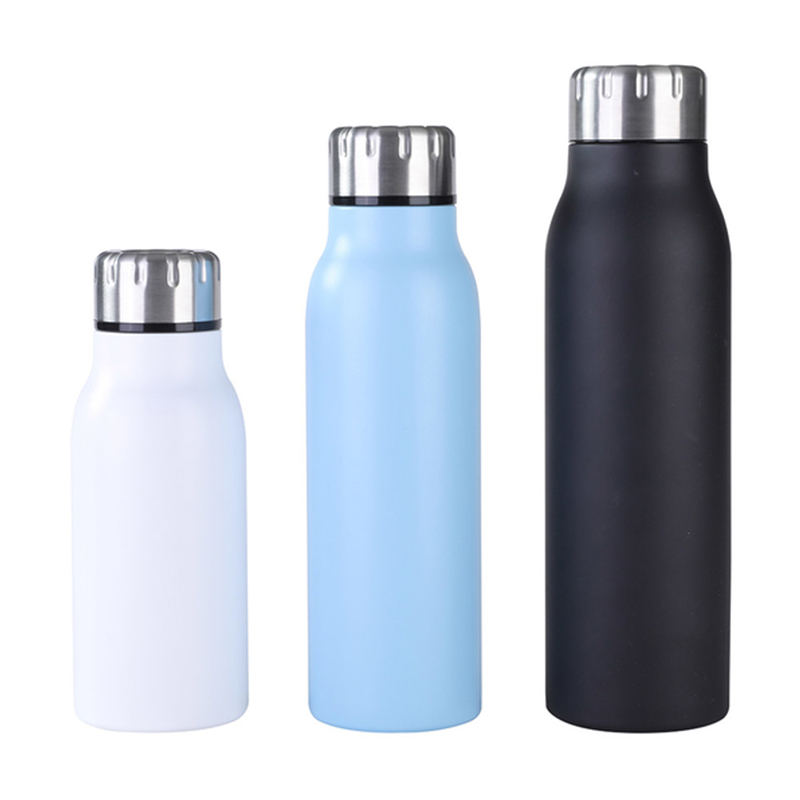
Custom Vacuum Bottle programs give buyers room to adjust:
- Exterior color and finish
- Surface texture or coating
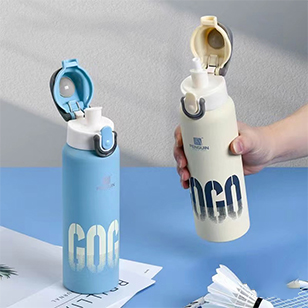
- Lid style and opening mechanism
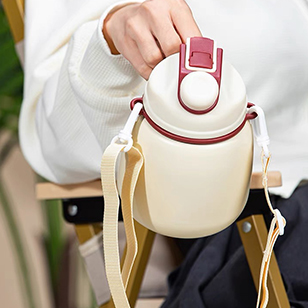
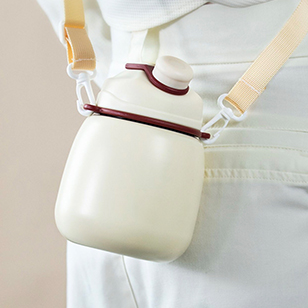
- Strap or clip attachments for carrying
- Packaging and presentation
- Overall shape and proportions
- Branding placement and print method
A brand targeting hikers might lean toward a rugged, straightforward finish with a secure carrying loop. A company ordering bottles for client gifts might prioritize a cleaner look and premium-feeling packaging over ruggedness.
Even with these adjustments, usability still has to come first. A bottle can carry distinctive branding and still needs to function properly for whatever routine it's actually going to see — a good-looking bottle that's awkward to open defeats the purpose fairly quickly. Talking through the intended customer and how they'll actually use the product helps a buyer figure out which customization choices are worth making and which ones just add cost.
Why Storage Deserves Attention During Design
Storage tends to get overlooked until someone's actually trying to pack a bag. A bottle has to fit into a backpack side pocket, a suitcase corner, a car door compartment, or a desk drawer, and its shape directly determines how well it fits alongside everything else competing for that same space.
Travelers are usually packing more than just a bottle — clothing, a laptop, snacks, chargers, documents all fight for the same limited room. A bottle with reasonable, predictable proportions slots in more easily next to those items than one with an unusual shape or an oversized base.
- Backpacks favor bottles that slide into a side pocket without bulging out.
- Luggage favors a compact, stable shape that won't roll around during transit.
- Vehicles favor a bottle that fits standard cup holders for quick access while driving.
- Work bags favor something narrow enough to sit alongside a laptop sleeve.
- Outdoor packs favor a shape that stays upright and secure even when the pack shifts.
The goal isn't necessarily to shrink every bottle down as small as possible — a bottle also needs enough capacity to actually be useful for a full day out. Getting that balance right, enough volume without becoming awkward to pack, is a real part of designing drinkware meant to travel.
Where Manufacturers Can Improve the Everyday Experience
A bottle gets touched constantly throughout its life — picked up, opened, sipped from, closed, carried, washed, and put away, often several times a day.
Each of those small interactions shapes how someone actually feels about the product, regardless of how it photographs.
- Opening — the lid should turn or flip open without needing both hands or excessive force.
- Drinking — the mouth of the bottle should sit comfortably against lips without an awkward angle.
- Carrying — the body should be easy to grip one-handed, even while doing something else.
- Cleaning — components should come apart simply enough for a quick rinse or occasional deeper wash.
- Storage — the shape should work with common bag and vehicle compartments without extra effort.
- Daily handling — the bottle should hold up the same way on day one hundred as it did on day one.
Working through these points helps separate what a bottle needs for occasional weekend use versus what it needs to survive daily commuting — the demands genuinely differ, even if the bottles look similar sitting on a shelf.
How Bottle Design Is Becoming More Adaptable
People increasingly move between commuting, travel, and outdoor activity with the same set of belongings, rather than keeping separate gear for each. Someone might use the same bottle at a desk Monday through Friday and then bring it along on a weekend camping trip.
That pattern is pushing Travel Vacuum Bottles toward a more general-purpose role rather than being built narrowly for one type of trip.
A few directions this shows up in:
- A portable structure that moves easily between a desk, a bag, and a car
- Reusable construction built to hold up under frequent, repeated use
- A lid mechanism that stays convenient whether someone's sitting still or walking
- Surfaces that clean up quickly without special care
- A design flexible enough to suit different daily routines without looking out of place in any of them
- Proportions that store easily across different bags and compartments
For manufacturers and buyers, this broader role opens up overlap between travel drinkware, commuter accessories, outdoor gear, and everyday reusable products. The real design challenge is keeping the bottle simple enough for routine daily use while giving it enough range to handle a commute one day and a hike the next — as portable hydration becomes part of more of people's daily movement, that flexibility is shaping where bottle design is headed next.


- Quick Links
- Home
- Customization
- Products
- News
- About
- Manufacturing
- Contact Information
- Tel : +86-579-86600888
- Phone : +86-18967438668
- Email : [email protected]/ [email protected]
- Add : Area A, Jinyidong Industrial Zone, Huashui Town, Dongyang City, Zhejiang Province, China
- Contact Us

