


 English
  日本語
日本語  Deutsch



Industry News
How to Clean a Vacuum Stainless Steel Flask Properly
2026-06-26
A Vacuum Stainless Steel Flask usually sits somewhere close—on a desk, in a backpack, or maybe rolling around in a car cup holder. It doesn't ask for attention, yet it's used constantly. Coffee in the morning, tea that cools slowly through the day, or plain water when things get busy. At a glance, rinsing and moving on seems simple enough. Many people actually do exactly that. But over time, something subtle happens. A faint smell appears. A light stain lingers near the bottom. The lid starts feeling slightly "off" even if you can't quite explain why. It's rarely dramatic. More like a slow accumulation of small things. And that's usually when the question comes up—how should a Vacuum Stainless Steel Flask actually be cleaned so it stays fresh without much effort? Before diving into steps, it helps to remember this: cleaning isn't just about appearance. It's about keeping taste stable, preventing residue buildup, and avoiding that odd mix of old drink notes that sometimes sneaks in.
Drink TypesWhy cleanliness feels different depending on what you drink
Water doesn't leave much behind. That holds true in many instances. Yet switch to coffee or tea, and the story changes quietly. But switch to coffee or tea, and the story changes quietly. Coffee tends to leave a thin oily film. Tea can tint the inner wall slightly over time. Juice or flavored drinks behave differently again—they dry into sticky traces that cling more than expected. Even something like a Straw Plastic Water Bottle or a Tritan Sports Water Bottles setup shows how different materials react in slightly different ways, especially around narrow channels or lids. Now, here's something people often overlook: the inside of the lid usually tells more than the bottle itself. That's where moisture sits after you finish drinking, especially if it's not opened right away.
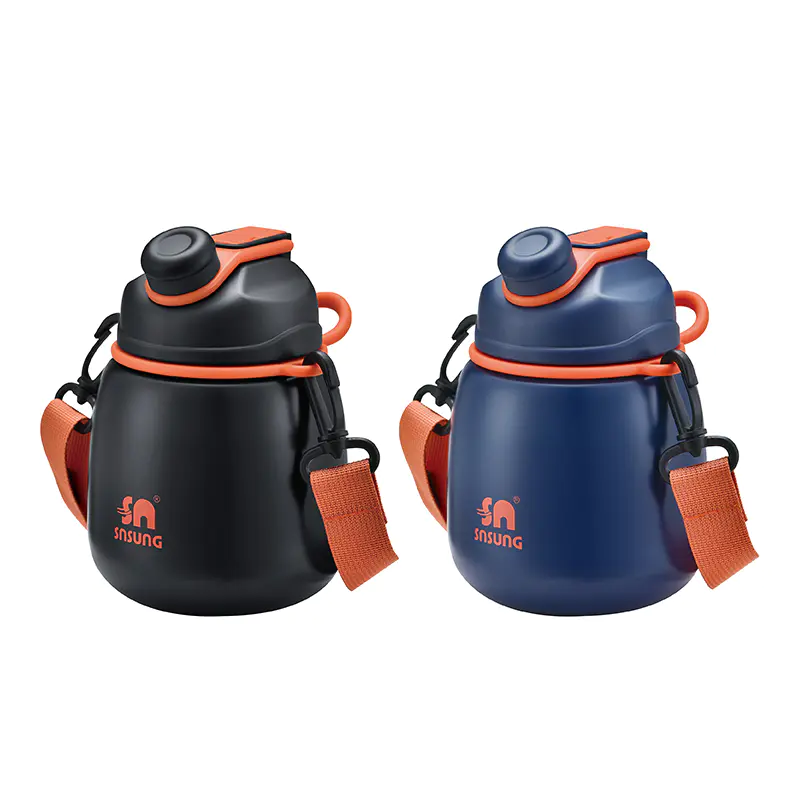
A Travel Vacuum Bottle carried through a long day, for example, goes through repeated opening and closing. Small residues build up almost invisibly. Not enough to notice immediately, but enough to matter later. So the cleaning process is not just about the steel body. It's the whole system—lid, seal, body, and sometimes even accessories like a straw or cap design in Small Sports Water Bottles or Big Water Bottles for Sports.
Coffee
Tends to leave a thin oily film on the inner wall. One of the more persistent residues in daily flask use.
Tea
Can tint the inner wall slightly over time. Light staining that builds up gradually rather than appearing all at once.
Juice & Flavoured Drinks
Dry into sticky traces that cling more than expected. Narrow channels and lids are particularly prone to holding residue.
Water
Little remains inside in typical use. Yet moisture still gathers under a closed lid if the bottle is not dried properly after use.
Daily HabitA simple daily habit that quietly prevents many problems
There's a pattern many users eventually settle into, often after noticing that "something smells a bit odd." It usually starts with a quick rinse. Not even a full wash—just warm water swirled around. That alone already prevents a surprising amount of buildup.
Then, when there's a bit more time, mild soap comes in. Nothing special. Just enough to break down leftover drink residue. Shaking the bottle gently feels almost too simple, but it works better than expected. A bottle brush changes things more than people think. The bottom area, especially, tends to be forgotten. You don't really see what's down there, which is exactly why it matters. Lids deserve their own attention. Not rushed. Not skipped. If you've ever used Custom Gym Water Bottles, you might have noticed how the drinking area can hold onto faint flavors longer than expected. That's the part that needs a bit more care than we usually give it. And then comes drying. This step sounds boring, but skipping it changes everything. Leaving a bottle closed while still damp inside often leads to that "sealed-in" smell nobody really enjoys. Letting it air out feels almost too basic to be important. But it is.
Deeper CleaningWhen rinsing is not enough anymore
There are moments when the bottle looks clean but doesn't quite feel clean. Maybe tea has left a faint brown shadow inside. Or coffee smell lingers even after washing. That's usually when deeper cleaning comes into play. Baking soda is often used in such cases. It's gentle, not aggressive, and it tends to loosen what normal washing leaves behind. Vinegar shows up in some routines too, especially when odor feels stubborn. It's not about choosing the "strongest" method, but the one that feels appropriate for what you're dealing with. Some people even use simple soaking methods and leave the bottle alone for a while. No scrubbing, no pressure. Just time doing part of the work. If you've ever handled Custom Vacuum Bottle designs in daily use, you might notice that different beverage types respond differently to the same cleaning approach. That's normal. Materials behave consistently, but residue doesn't always follow rules.
The Lid ProblemThe lid problem nobody talks about much
Curiously, many odor issues do not originate from the stainless steel body. They come from the lid. Inside that small structure, there are corners, grooves, and sealing parts where liquid quietly stays after each use. It's not obvious unless you take it apart. And many people don't, simply because the bottle seems "fine." But over time, those hidden spots change how the whole bottle feels. A Straw Plastic Water Bottle makes this even more noticeable. Straw systems add extra pathways, which means more places for residue to hide. Cleaning them feels slightly tedious, but skipping them usually leads to faster odor buildup. Once you clean the lid separately—even just once—you start noticing the difference in taste and smell immediately. It's subtle, but real.
DryingDrying is not just waiting, it's part of the cleaning itself
It's easy to think cleaning ends when rinsing stops. But moisture changes everything afterward. A closed, slightly wet flask becomes a quiet environment for unwanted smells. Nothing dramatic at first, just a mild "closed container" scent that slowly grows. So leaving it open, upside down, or simply separated into parts isn't just advice—it's more like a small habit shift. Some users even say they didn't realize how important this step was until they stopped skipping it.
Bottle TypesDifferent bottles, slightly different cleaning behavior
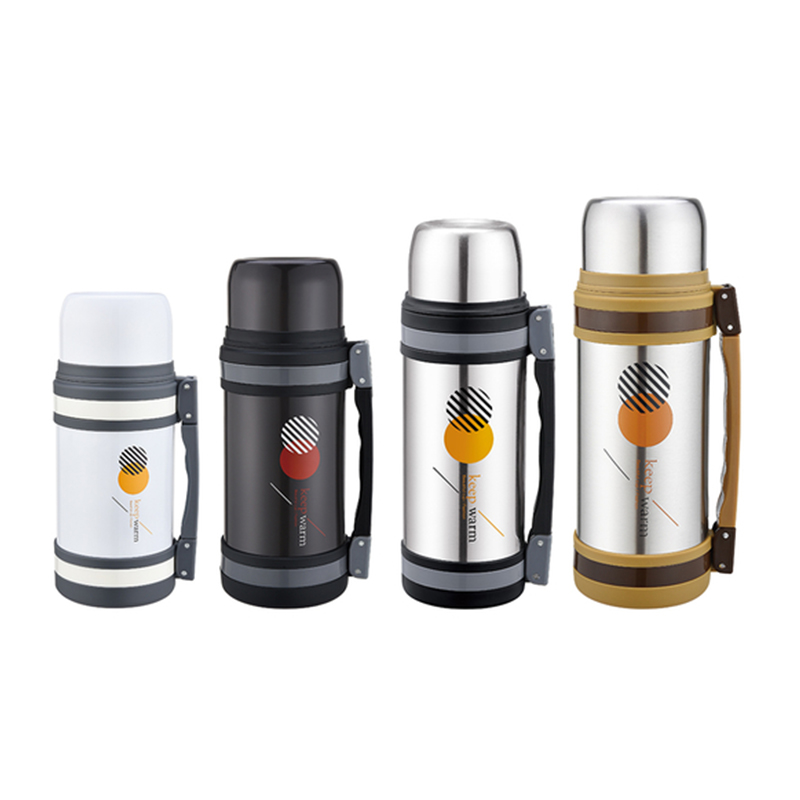
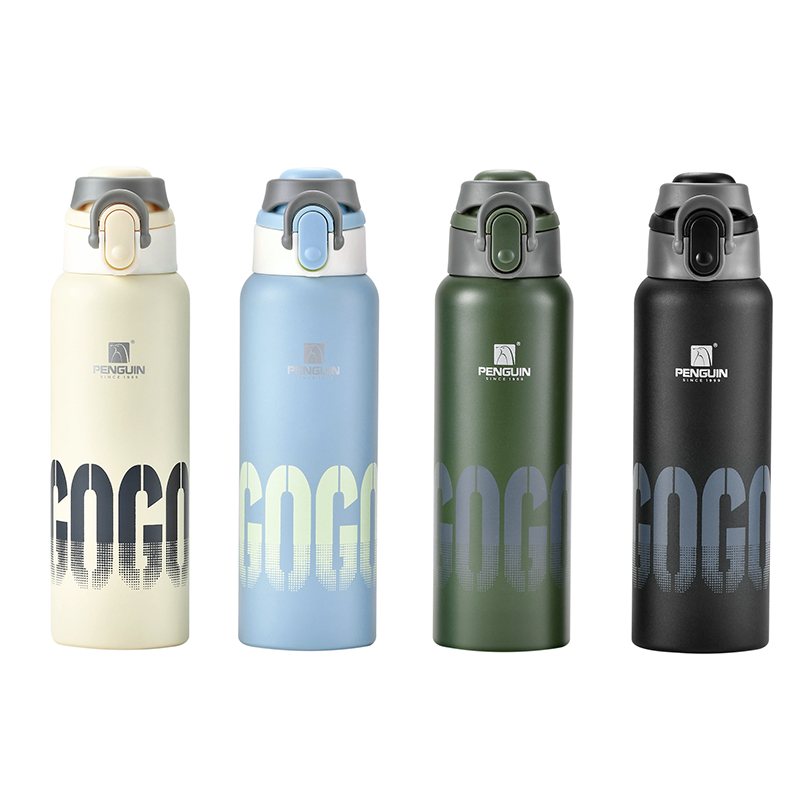
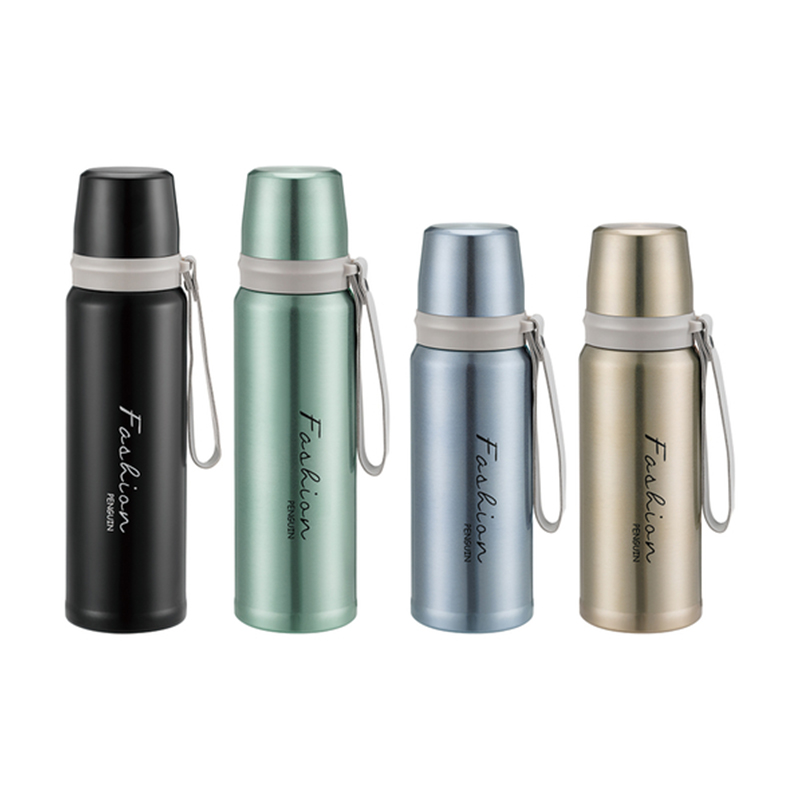
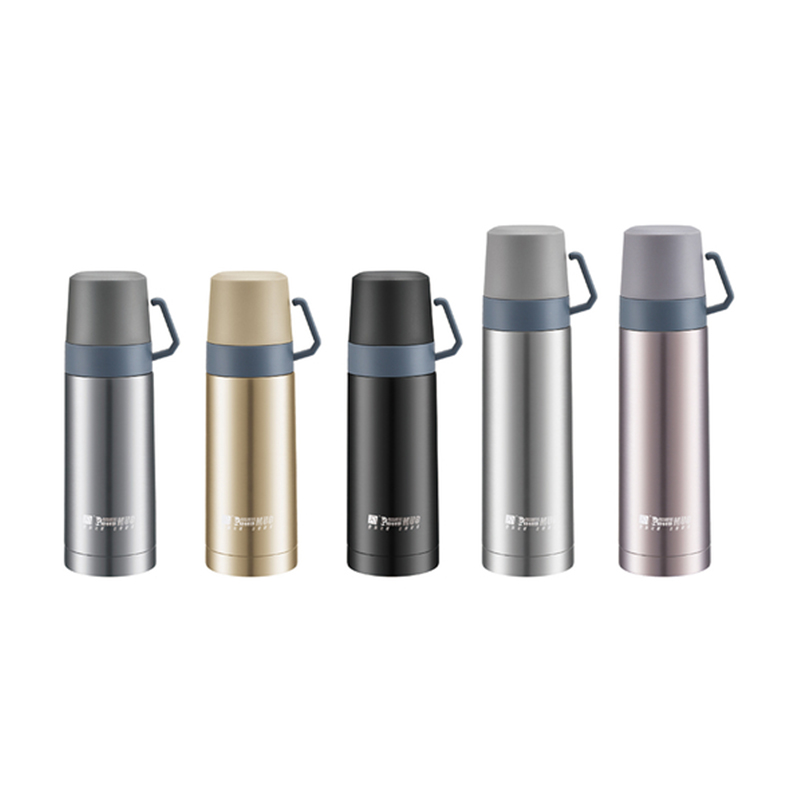
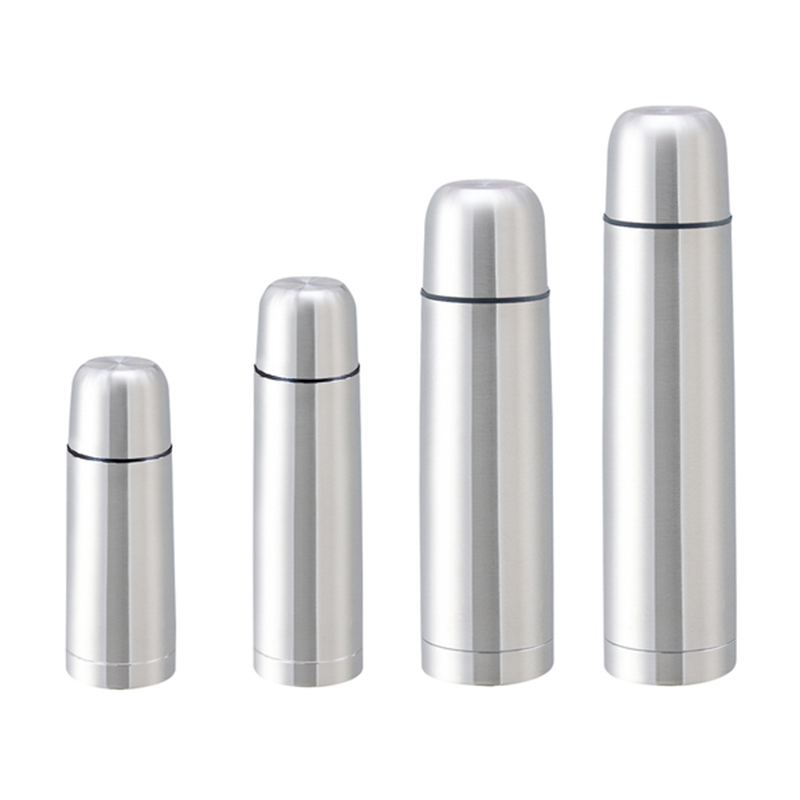
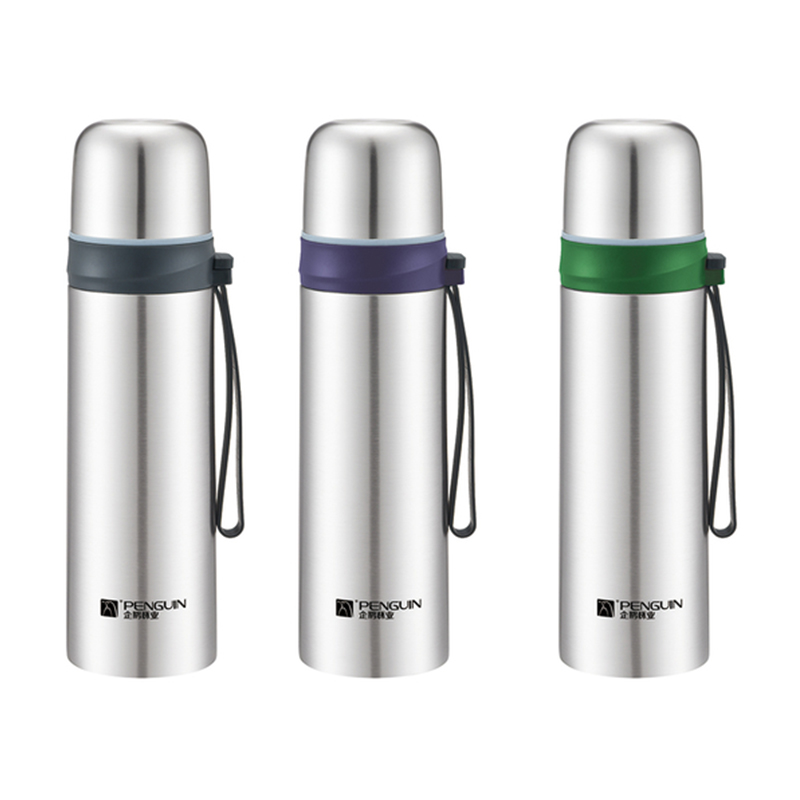
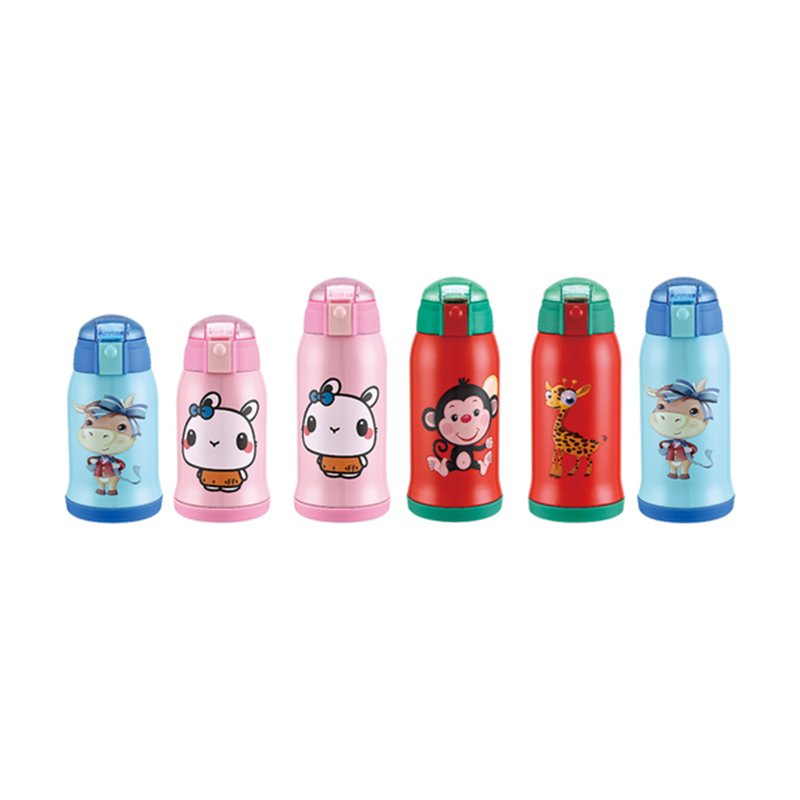
Not all bottles behave the same way in real use.
Common MistakesMistakes that happen quietly, without anyone noticing
Some cleaning habits look fine on the surface but slowly cause issues.
- Sealing a bottle while it's still damp is probably a common one. It doesn't feel like a mistake in the moment. Only later does the smell appear.
- Using overly rough tools. Scratches don't show immediately, but they can make future cleaning slightly harder because residue sticks more easily.
- Focusing only on the bottle body. The lid gets skipped more often than expected, even though it usually carries more odor sources.
Maintenance MindsetA quieter way to think about maintenance
Cleaning a flask doesn't really need to feel like a task on a checklist. It behaves more like a rhythm that fits into use.
- 1Use it
- 2Rinse it
- 3Occasionally clean it a bit deeper
- 4Let it dry properly
Nothing complicated, nothing overly structured. Once this rhythm settles in, the bottle tends to stay neutral in smell and taste without much effort. And maybe that is what people appreciate—not thorough cleaning, but consistency that does not demand much attention.
Long-Term CareA final note on long-term care and everyday use
There's something interesting about reusable bottles. They quietly reflect habits. A clean bottle usually comes from small repeated actions rather than big cleaning sessions. Even in production and supply contexts—whether dealing with Sports Water Bottle Wholesale, working with a Sports Water Bottle Supplier, or understanding a Sports Water Bottle Manufacturer process—the real difference often shows up in how users maintain them after purchase, not just how they are made. That's where cleaning habits connect back to everyday experience.
And in the background of all this practical use, companies like Zhejiang Yuneng Industry Co., Ltd. continue to support production standards and product development that align with real-world maintenance needs.


- Quick Links
- Home
- Customization
- Products
- News
- About
- Manufacturing
- Contact Information
- Tel : +86-579-86600888
- Phone : +86-18967438668
- Email : [email protected]/ [email protected]
- Add : Area A, Jinyidong Industrial Zone, Huashui Town, Dongyang City, Zhejiang Province, China
- Contact Us

