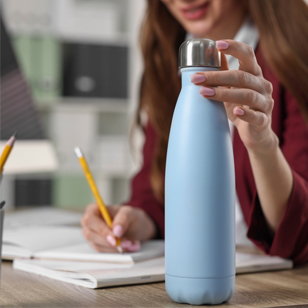
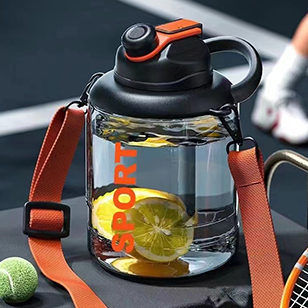
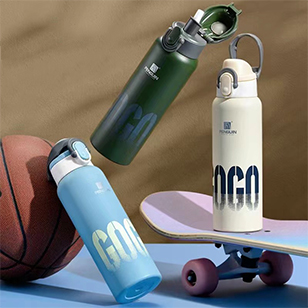
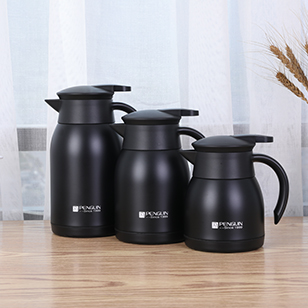
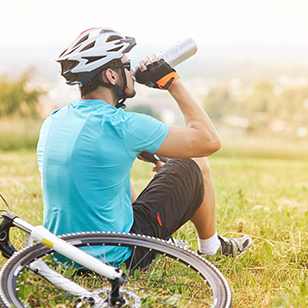
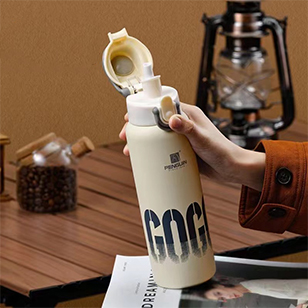
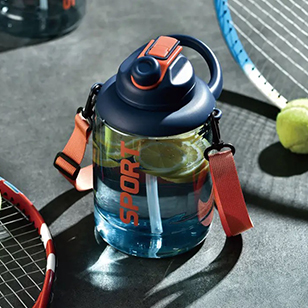
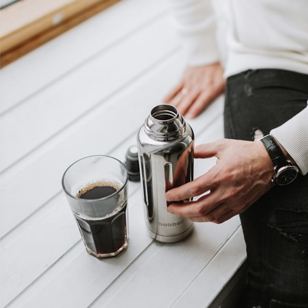
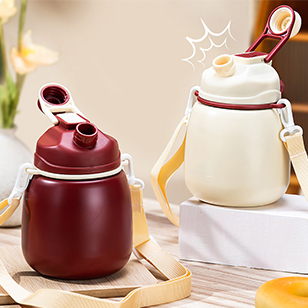
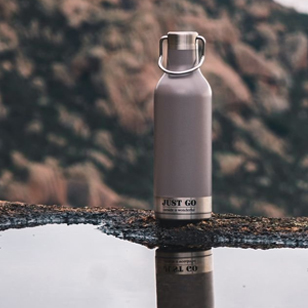
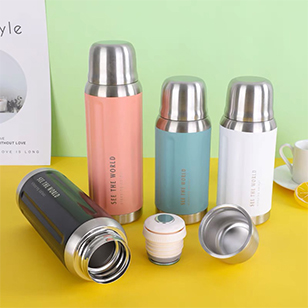
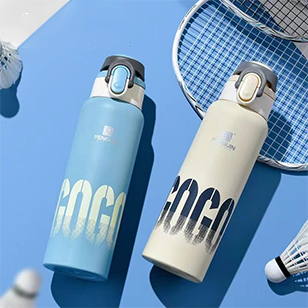
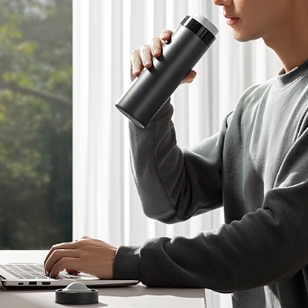
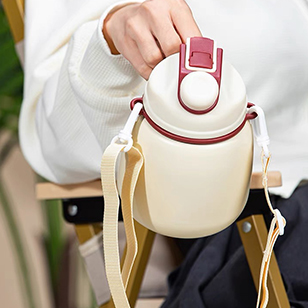
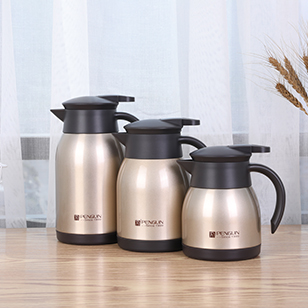
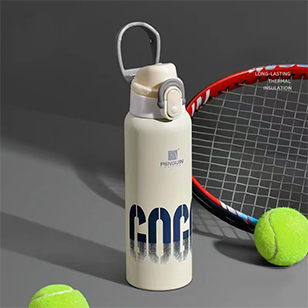
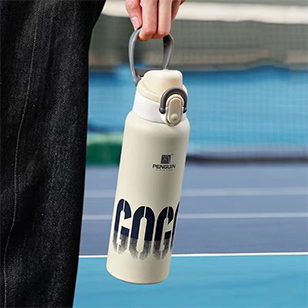
Your morning routine. Meetings pile up, the gym awaits, traffic never ends. You grab a bottle of water and head out. By mid-afternoon? Wet documents. Soaked clothing. A ruined shirt. Sound like your Tuesday? This is what happens when standard bottles betray you during movement. They leak. Period. Traditional containers simply weren't built for actual use—they were designed for sitting still, looking decorative on desks. But once you move? Active travel? Real activity? Failure becomes inevitable. Straw Plastic Water bottles operate differently. They're engineered with intelligence, not hope. The mechanisms work together systematically, preventing your beverages from escaping no matter what your day throws at them.
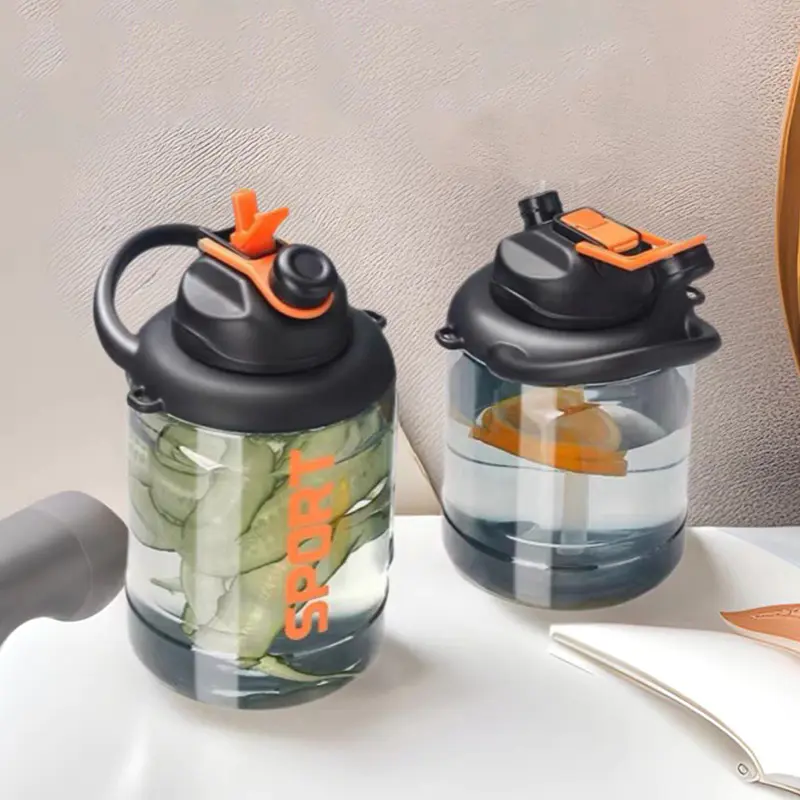
How These Bottles Actually Stop Leaks From Happening
01
Multi-Point Coordination
Strange thing about engineering: sometimes the simplest solutions come from understanding what fails. Straw bottles don't rely on a single seal doing heroic work. Instead, multiple components coordinate silently in the background. The straw itself becomes more than a drinking tube—it functions as a control mechanism. It channels liquid upward when you want it. Keeps it contained when you don't. No magic required. Just thoughtful design choices implemented across pressure points.
The base of the straw houses a valve system. When you're not drinking, this valve remains shut. No exceptions, no approximations. Toss the bottle around. Leave it sideways. Pack it sideways among other gear. The valve holds. Seal maintains. Then you want hydration, so you apply suction through the straw. That pressure overcomes the valve's resistance. Water moves up. You hydrate. Moment ends. Your mouth leaves the straw. Valve snaps closed in response. The whole interaction takes a few seconds.
03
Physics Working With You
Physics gets interesting here. Everyone understands gravity—it pulls water downward. Standard bottles surrender to this force. But observe what sealed straw designs accomplish: they establish negative pressure above the liquid. Think backwards from ordinary experience. Once you sip and pull your mouth away, air cannot rush back into the straw quickly. A void forms. That void? It actually resists water escaping. Physics works with you instead of against you. Pressure differential becomes your ally rather than enemy.
What Separates These From Ordinary Sport Bottles?
The Single-Seal Problem
Grab any typical sports bottle. See a flip-cap mechanism? That's usually it. Flip it open, flip it closed—one seal point trying to do everything. You're at the gym, moving aggressively. The cap flexes slightly from pressure changes. A single drop seeps out. Nothing catastrophic in isolation. Yet by evening, your gym bag feels damp. Belongings smell stale. That accumulation comes from relying on one defense mechanism.
Multi-Seal Architecture
Straw bottles function on totally different architecture. Several seal points coordinate. The valve doesn't just cover an opening—it integrates with the straw itself. The straw connects to the cap assembly with supplementary seals. One component weakens? Others maintain protection anyway. It's engineering grounded in reality. Not wishful thinking about durability.
Advanced Plastic Chemistry
Plastic chemistry influences everything. Advanced materials—the kind found in quality Tritan sports water bottles—behave differently from cheaper alternatives. They resist shape deformation under temperature swings. Cold doesn't make them brittle. Warmth doesn't deform them. Material stability means seals around them remain effective. Cause creates effect. Simple cause-and-effect physics.
The Straw Difference
The straw often gets overlooked. It's wider than ordinary straws people use for beverages. Why does that matter? Narrow straws demand intense suction. You'd exhaust yourself drinking from them during physical exertion. Wider straws allow water flowing smoothly using normal sipping effort. Inside the straw, texture or ridging gets added. These patterns grip the valve, preventing straw drift or shifting. Small detail that creates massive reliability differences.
Movement Creates Chaos That Weak Bottles Cannot Handle
Reality check: your bottle experiences mayhem during exercise. Running means repeated impacts sending water rippling. Each jump creates pressure spikes. Lifting weights means putting bottles down hard between sets. Transporting your bottle through daily life? Constant jostling in bags, backpacks, car seats. Inferior bottles weep under these conditions. Straw bottles manage because valve design accounts for this violence.
Pressure Regulation
Movement generates perpetual pressure changes. The sealed straw acts like a pressure regulator—a smart one. Your body controls what happens. You decide when to drink. The mechanism prevents random releases from activity itself. Valve response speed matters immensely. Quality designs respond almost instantly. Poor designs hesitate, allowing tiny escapes. Those micro-leaks accumulate throughout the day. By evening, everything's damp.
Backpack Pressure
Your backpack creates another challenge nobody discusses. A laptop presses from one angle. Keys push from another. Bag straps squeeze overhead. Weak designs crumple under this distributed pressure, opening gaps. Quality straw bottles handle pressure coming from anywhere—all directions simultaneously. The seal doesn't sit on one side. It operates from a central location, distributing stress evenly throughout.
Outdoor Conditions
Outdoor activities bring different stress patterns. Temperature fluctuates. Elevation changes. Vehicles vibrate constantly. These conditions would devastate ordinary bottles within hours. But the seal mechanism isn't designed for comfortable living rooms. It's engineered for chaos, unpredictability, variable conditions.
Where Do People Actually Need This Technology?
Fitness Environments and Athletic Training
Athletes understand viscerally. High-impact cardio ripples water inside the bottle. Free weight sessions mean aggressive movements, sweat dripping, rapid position shifts. Team sports introduce contact and unpredictability nobody can predict. Under these circumstances, choosing your bottle becomes absolutely essential, not some nice-to-have luxury. Spills distract. They interrupt workouts. They damage equipment or someone else's belongings nearby. A Straw Plastic Water bottle removes that anxiety entirely. Performance improves when you stop managing liquid chaos.
Urban Commuting and Daily Navigation
City movement presents unending challenges. Trains vibrate constantly. Buses brake suddenly, throwing you sideways. People pack tightly in crowded spaces. Your bottle experiences pressure from every direction simultaneously. Smartphones. Laptops. Documents. Everything you carry faces water damage risk. Water damage means expensive repairs. Replacements cost money. Time disappears into frustration. Custom gym water bottles built for everyday use incorporate these harsh urban realities into their engineering. They're constructed for cities—for real conditions—not hypothetical scenarios.
Travel, Hiking, Outdoor Adventures
Temperature swings. Rough handling while packing. Varied positioning—sideways in bike holders, vertical within backpack pockets, crushed by other gear. Outdoor scenarios demand bottles functioning from every angle under unpredictable stress. Serious outdoor enthusiasts recognize this. They invest in quality straw bottles rather than betting on basic options. The difference becomes undeniable within hours on a trail.
Driving and Workplace Settings
Vehicles involve acceleration and braking—constant pressure surges. Office environments mean moving between rooms, temperature changes, crowded spaces. A reliable straw water bottle prevents embarrassing incidents. Water in car interiors costs repair money. Water damaging workplace equipment creates professional problems. These aren't theoretical. They occur daily to people using inadequate bottles. Why accept that risk knowingly?
Comparing Different Bottle Architectures Side-by-Side
| Characteristic |
Standard Snap-Lid |
Flip-Cap Sport |
Straw Plastic |
Tritan Advanced |
| Seal during intense activity |
Moderate leakage |
Some leakage |
Strong containment |
Reliable seals |
| Drinking with single hand |
Difficult or impossible |
Possible but awkward |
Natural, effortless |
Optimized for this |
| Behavior when inverted |
Likely failure |
Variable results |
Virtually sealed |
Consistently sealed |
| Plastic resilience |
Adequate for light use |
Reinforced options |
Good to strong range |
Premium materials |
| Handling outside pressure |
Basic resistance |
Moderate strength |
Strong at multiple points |
Well-designed system |
| Temperature extremes |
Standard performance |
Enhanced response |
Dependable operation |
Optimized capability |
| Cost per unit |
Lower price |
Medium range |
Medium to higher |
Higher investment |
What emerges from comparing? Straw plastic bottles occupy a specific niche where function and convenience converge. Simplicity gets sacrificed. Performance gains make that trade worthwhile for active individuals.
The Mechanics Inside: Valve Systems and Sealing Components
Every Straw Plastic Water bottle succeeds because valve components are precisely designed. The primary valve sits where the straw enters the bottle cap—this junction point. This small component determines whether water escapes during every movement, jostle, and environmental change the bottle encounters.
Primary Valve
The valve typically uses a spring mechanism with silicone or rubber sealing. When you apply suction, pressure differences overcome spring resistance, opening a pathway for water flow. You stop drinking and remove your mouth? The spring forces the valve closed. The seal compresses against its seat. If someone squeezes the bottle deliberately, water cannot escape backward. Design ensures containment across scenarios.
Secondary Seals
Secondary seals exist where the straw connects to the cap assembly. They prevent water leaking where two parts join—historically a common failure point in inferior designs. Multiple seal points mean if one deteriorates, others continue working. This redundancy matters when reliability becomes non-negotiable.
Straw Interior Design
The straw's interior influences sealing too. Some bottles use textured or ridged straws creating additional contact points with the valve, tightening the seal. Others incorporate check valves directly into the straw. These represent different engineering approaches, each with strengths depending on use contexts and environmental stresses.
Why Material Choice Determines Sealing Performance
Standard vs Advanced Polymers
Plastic composition matters for reasons beyond durability. It directly impacts how sealing mechanisms perform. Standard polypropylene becomes brittle in cold, potentially cracking valve components. It absorbs odors and stains over time, sometimes degrading seal quality. Sound like your last cheap bottle? Yeah.
Advanced polymers, especially copolyester formulations used in Tritan sports water bottles, provide strong resistance to temperature changes. Material expands and contracts with temperature changes. Precision sealing depends on maintaining exact dimensions. Quality materials expand and contract minimally, preserving tight tolerances that prevent leakage across temperature ranges.
Chemical and Impact Resistance
Chemical resistance matters too. Acidic beverages, sports drinks, flavored waters degrade cheaper plastics over time. This degradation weakens seal components, causing previously reliable bottles to develop slow leaks. Premium materials resist this chemical attack, maintaining performance across diverse beverage types and storage durations.
Impact resistance plays an indirect role in spill prevention. When bottles get dropped or struck, inferior plastic might crack near the cap or straw connection—exactly where seals need integrity. Tougher materials absorb impact without structural damage, surviving common accidents without hidden fractures compromising sealing later.
Practical Strategies for Maintaining Leak Prevention
Even well-designed bottles require proper handling. Understanding a few practical considerations ensures your investment performs as intended throughout its lifespan.
Verify Proper Assembly Before Use
Before each use, confirm that the straw fully connects to its seat within the cap. Partially inserted straws create micro-gaps. Water escapes gradually through these openings. Similarly, ensure the cap threads completely. No exposed gaps. These details may appear simple, yet they are often linked to situations where functioning bottles begin to leak. In many cases, improper assembly plays a larger role than actual component failure.
Inspect Valves Periodically
Occasional visual checks catch small issues before they compound. Look for cracks, discoloration, or material degradation on rubber or silicone seals. If seals appear compressed or flattened rather than maintaining original shape, replacement might be necessary. Many quality models feature replaceable valve kits, letting users refresh components without replacing entire bottles.
Store Bottles Thoughtfully
Quality straw bottles resist leakage from any orientation, yet some positions stress seals more over extended periods. Storing bottles upright when unused allows incidental moisture draining rather than sitting against seals, potentially causing degradation. During travel, this positioning consideration becomes especially relevant for preventing slow seepage during long journeys.
Clean and Maintain Properly
Dried residue or mineral buildup prevents valves from closing completely. Regular and thorough cleaning, including the interiors of straws and valve channels, helps maintain steady performance over time. Stale water left sitting creates contamination degrading seals. Starting with clean bottles after storage periods ensures consistent functionality across use cycles.
Common Questions People Ask About Straw Bottles
Q1
Does the Straw Slow Down Drinking?
Modern straw designs accommodate rapid hydration when you apply moderate suction. Wider diameter compared to traditional straws means faster flow. During intense athletic activity, this speed proves entirely adequate. Athletes consume necessary water without interrupting workouts. The trade-off—needing to actively sip rather than tip-and-pour—is minor compared to spill prevention security gained.
Q2
Are They Difficult to Clean Thoroughly?
The straw's interior requires attention, yet removable straws found in quality models make cleaning straightforward. Many designs allow the straw separating from the cap for full channel access. Running warm water with a small brush through the straw takes seconds, preventing buildup affecting performance. Quality models fit in standard dishwashers with straws positioned in utensil baskets.
Q3
Can Straw Bottles Handle Any Beverage Type?
Cold water, hot water, sports drinks, juice all work within straw bottles, though some considerations apply. Extremely hot beverages might require cooling before vigorous activity to prevent condensation and pressure buildup, yet moderate-temperature hot drinks pose no problem. Thick beverages like smoothies require slightly stronger suction. Quality straws accommodate this without difficulty.
Different User Groups Have Distinct Requirements
User Groups and Their Priorities
Active Athletes & Gym Enthusiasts
This group prioritizes performance—bottles shouldn't interfere with movement, need surviving aggressive handling, and must encourage adequate hydration despite busy schedules. Straw Plastic Water bottles with secure closure mechanisms and durable materials fit naturally into athletic routines. Custom gym water bottles incorporating team logos or individual branding create loyalty and identification, preventing misplacement in shared locker rooms.
Commuters & Office Workers
Professional contexts emphasize discretion and dependability. Sleek designs fitting into cup holders and bag pockets, combined with secure seals preventing workplace incidents, appeal to this audience. Water bottles that don't drip when placed near computers or documents address real professional anxieties regarding equipment damage.
Parents and Guardians
Families prioritize durability and safety. Bottles preventing accidental spills in vehicles, keeping carpets dry when children inevitably tip containers, and withstanding rough treatment from frequent drops become essential. The straw design supports drinking without heavy tilting, which can be helpful for younger users who are still developing coordination skills.
Outdoor Enthusiasts
Adventurers need reliability in variable conditions. Bottles surviving temperature fluctuations, pressure changes during altitude variations, and rough handling during packing matter immensely. Investment in higher-quality straw bottles returns itself through consistent performance when replacement options become complicated or impossible.
How Industry Evolution Changed Bottle Design
Early plastic bottles used simple screw-on caps—basically inviting failure during movement. Someone noticed the problem. Flip-top mechanisms arrived next. Still leaked occasionally when people actually moved around. Real innovation happened when designers understood that office work and running demand completely different solutions.
User feedback drove everything. Engineers discovered valve geometry matters significantly. Seal materials matter. Straw positioning matters. When something failed in real conditions, manufacturers redesigned it. Weak valve? Make it stronger. Leaky junction? Rethink the connection point. Change happened because actual problems existed—not hypotheticals in lab conditions.
Contemporary bottles work as integrated systems, not isolated components. Depending on a single seal point? Insufficient for real use. Modern designs distribute pressure across multiple points. If something gradually deteriorates, others keep functioning. That's practical thinking. Nobody builds a roof depending on one support beam. Apply that same logic to bottles holding your liquid.
Investment in Quality Delivers Real Value
Let's be straightforward: cheap bottles leaking constantly cost far more than investing in quality upfront. Calculate actual expenses. Clothing gets damaged. Electronics suffer water damage. Cleaning up takes hours. A quality Straw Plastic Water bottle spreads its cost across multiple years of actual service. The financial argument strongly supports investing initially.
Warranties signal something meaningful. When companies are willing to offer replacements, it reflects confidence in their design approach. Established manufacturers often provide refined valve systems, carefully selected materials, and accessible customer support channels that help users address concerns when they arise. Yes, you pay more initially. That peace of mind matters when dependability becomes critical for your life.
Large organizations face different economics. Companies providing employee hydration, gyms, sports teams—they need volume consistency. Working with experienced sports water bottle factories ensures quality across thousands of units. These partnerships include warranties and performance assurances that individual purchases cannot provide.
B2B Approach to Customized Hydration Solutions
Brand and Culture
Organizations increasingly understand something: quality hydration equipment shapes culture. Bottles displaying corporate logos? Identity gets reinforced. Actual usage increases. Sitting in corners unused? Far less likely. Customization elevates practical items into meaningful tools. Branding becomes functional alongside decorative.
Wholesale Economics
Sports water bottle suppliers handling bulk work comprehend unique organizational needs. They manage tight timelines. They offer design guidance. They help choosing solutions matching specific situations. Whether setting up fitness facilities, launching wellness initiatives, or sponsoring athletic events, working with experienced suppliers removes complexity from process.
Wholesale pricing shifts economics completely. Sports water bottle wholesale connections negotiate volume rates without sacrificing quality standards. Organizations avoid having individuals buy separately. Everyone receives identical products. Cost management becomes simple. Consistency emerges naturally. For teams, communities, workforces—this approach combines efficiency with reliability effectively.
Deep Customization
Customization extends far beyond logo placement. Colors change. Capacity varies. Straw positioning adjusts. Valve types differ. Different use environments might demand durability-first engineering. Athletic contexts might emphasize lightweight designs. Capacity depends on usage patterns and refill infrastructure available. Informed decisions, guided by knowledgeable suppliers, ensure bottles genuinely serve their purposes rather than becoming generic merchandise collecting dust.
Integrating Everything Together Into Practical Understanding
Straw Plastic Water Bottles sit at the intersection of engineering design and practical daily need. Preventing spills during movement may sound straightforward. In practice, it relies on valve structures, material engineering, and thoughtful structural design. Understanding these elements shows why well-made bottles provide real value through steady performance when it matters.
For individuals navigating active lifestyles, spill-prevention capabilities deliver freedom. Hydration happens without anxiety about damaging surroundings or clothing. For organizations, quality bottles support wellness initiatives while demonstrating commitment to employee well-being. Water spilling into backpacks, vehicles, offices represents more than minor inconvenience. It's a preventable problem with concrete solutions available today.
When considering whether to invest in quality containers, it helps to recognize what is actually at stake. Your belongings, your professional reputation, and your sense of ease during the activities you enjoy all come into play. These aspects support the decision to choose bottles designed for real-world conditions rather than controlled laboratory settings.
Ready to explore sourcing options? Individual needs or organizational requirements? Connecting with experienced suppliers makes genuine sense. The conversation opens pathways toward products that truly prevent on-the-go spills while improving daily functionality across various contexts.
Zhejiang Yuneng Industry Co., Ltd. stands ready supporting your hydration requirements through quality Straw Plastic Water bottles, customizable designs accommodating specific branding or functional needs, and expertise helping you select solutions genuinely aligned with your circumstances. Whether you're an individual athlete seeking reliable personal hydration equipment or an organization implementing comprehensive wellness initiatives across teams or workforces, conversations opening pathways toward products preventing on-the-go spills while supporting daily function are available now. Reach out directly. Discuss your specific situation. Explore options that match your reality rather than settling for generic merchandise that fails when you need it most.



 English
  日本語
日本語  Deutsch