


 English
  日本語
日本語  Deutsch



Industry News
How Stainless Steel Bottles Retain Temperature Better
2026-05-29
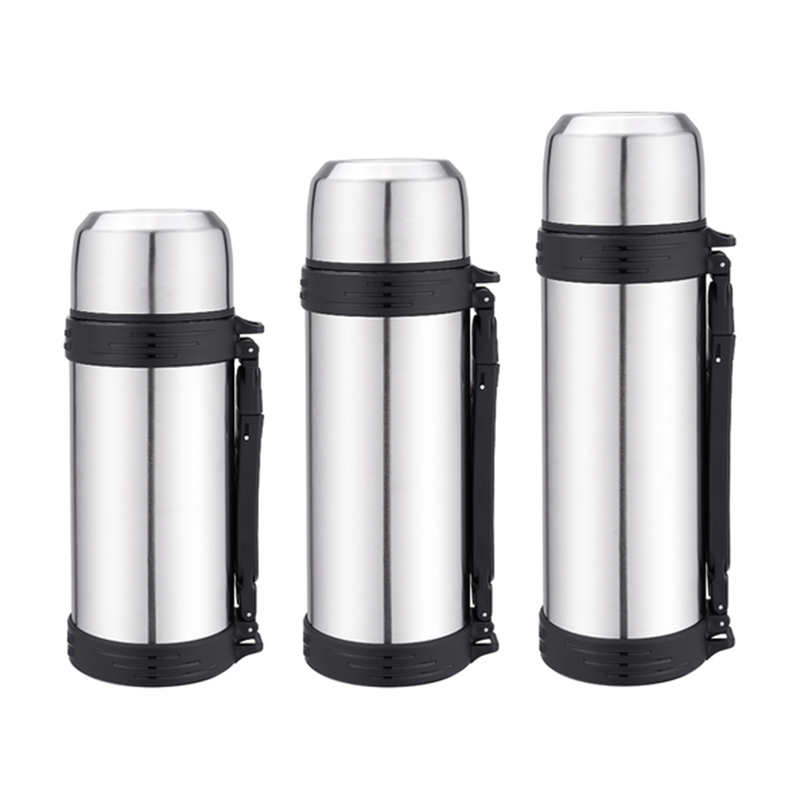
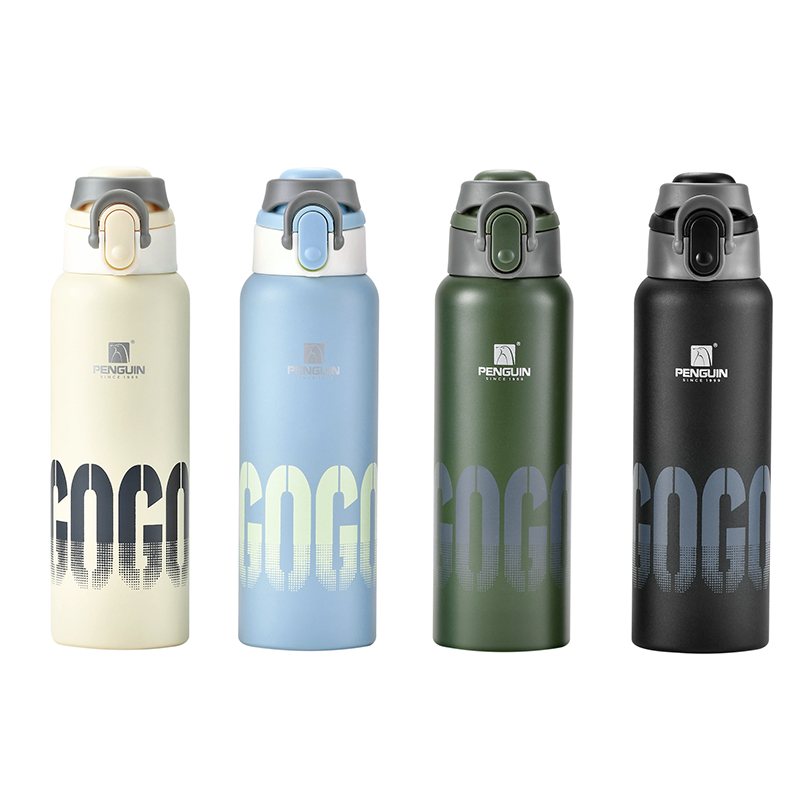
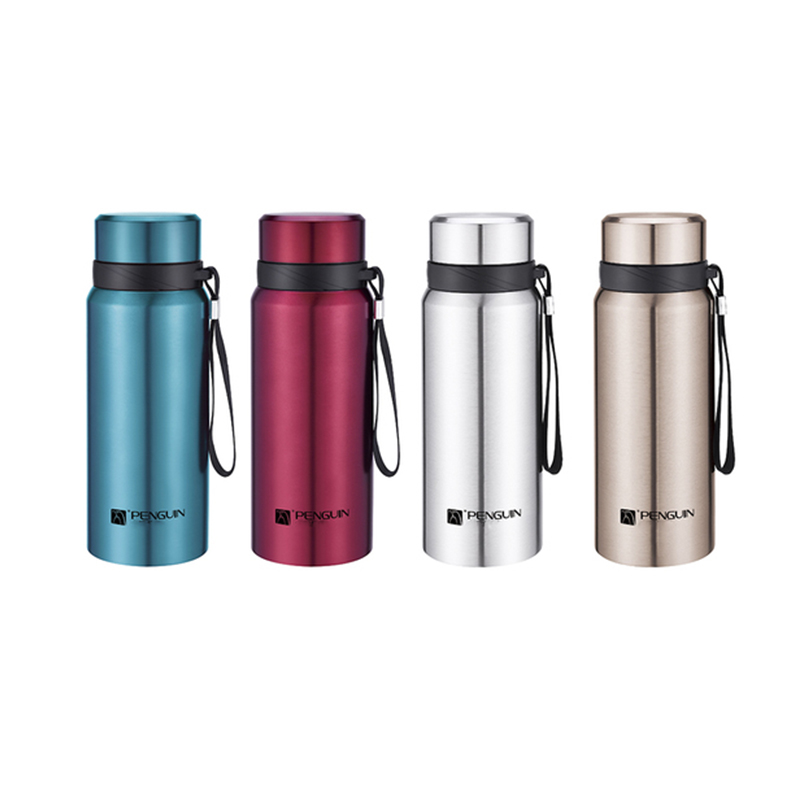
Many people get frustrated when their drinks do not hold the right temperature throughout the day. A hot coffee goes lukewarm far too soon during the morning commute, and cold water warms up quickly when the weather turns mild. These everyday issues create inconvenience whether you are heading to the office, joining long meetings, or heading out for some fresh air. Vacuum Stainless Steel Flasks address these common challenges by offering a different approach to managing beverage temperatures over time.
Stainless Steel Construction Supports Temperature Control
Stainless steel forms the main body of these containers. It stands up well to regular handling and keeps its shape even after months of daily use. This durability means the container works reliably in all kinds of situations without showing quick signs of wear.
The shaping process during production creates walls thick enough to form a strong base for keeping temperatures steady. The steel handles bumps and knocks that happen when you toss it into a bag or carry it around town. Over time the surface stays easy to clean, which makes it practical for repeated use at home or on the road. People who use these containers every day often mention how they hold up without cracking or developing spots that could let heat slip through.
How Does Material Choice Affect Daily Performance?
The type of material matters when you want a container to handle temperature changes. Stainless steel brings together solid strength and very little reaction with the drinks inside. This pairing supports steady temperature control without adding odd tastes or unwanted shifts from the container itself.
In real use, the steel walls act as a protection against outside air. They resist picking up flavors, so your tea today tastes as clean as it did last week. The weight feels right when full, not too heavy to carry yet solid enough to feel dependable. Switch from lighter plastic versions and you quickly notice the difference in how substantial everything feels.
How Vacuum Technology Blocks Heat Transfer
The double-wall setup leaves a gap between the inner and outer layers. Removing air from that gap cuts down the routes heat can travel by direct touch. Inner surfaces then handle other ways heat tries to move in normal surroundings.
Without air in the middle there is simply less way for energy to cross from one side to the other. The walls stay apart, so unlike single-layer bottles there is no continuous path for heat to follow. Production methods focus on keeping that gap intact through normal wear and tear so the effect lasts.
Why Does This Design Create Noticeable Differences?
Regular single-wall bottles let heat move through their sides quite easily. The vacuum method works on several heat movement types at once to slow things down. People using them see that drinks stay closer to their original temperature for longer stretches.
It starts with forming the inner space that holds the liquid. Then the outer shell goes around it with the empty gap sealed in between. Put the container in a warm car or cool room and you will see it reacts much more slowly. That slow reaction builds into a habit you can count on week after week.
Common Problems With Ordinary Plastic And Glass Bottles
Plastic bottles usually shift temperature fast because their thin walls pass heat along without much fight. Glass ones can crack or break and still let outside conditions reach the drink fairly quickly. Both struggle once they sit out in normal room air for any length of time.
Plastic bends easily and carries surrounding warmth straight to whatever is inside. Glass shows you the liquid but conducts heat in a way that equalizes things rapidly. During a morning drive the bottle ends up next to your body heat or the car heater and the drink suffers.
By lunch many people notice their morning drink has gone flat in temperature. Scratches on plastic or small chips on glass make the problem worse over weeks. In shared offices or group trips these ordinary bottles often need replacing sooner because of normal daily knocks.
Key Advantages In Daily Temperature Management
Containers built with the vacuum approach keep drinks closer to how you prepared them. They work for hot items as well as cold ones by cutting down exchange with the air around them. Drinks stay nearer their starting point so you do not have to keep fixing them.
You can fill them at home and still enjoy the right temperature hours later at work. Warm drinks stay enjoyable through the morning, while cold ones remain refreshing into the afternoon. This cuts down on hunting for microwaves or ice during a packed schedule.
How Do These Containers Fit Busy Schedules?
People who move from place to place during the day often lack easy ways to reheat or recool drinks. The design means fewer stops to adjust temperature while working or traveling. Attention stays on the actual tasks instead of checking the drink every hour.
Picture a normal workday with back-to-back meetings and quick drives between sites. Coffee stays at a good sipping temperature without extra effort. Water or juice for later in the day keeps its cool edge. The whole flow of the day feels smoother when temperature worries drop away.
Vacuum Stainless Steel Flasks Versus Traditional Choices
Here is a straightforward comparison of how the different types perform under similar conditions.
| Aspect | Stainless Steel Vacuum Option | Ordinary Plastic Bottle | Ordinary Glass Bottle |
|---|---|---|---|
| Heat Transfer Control | Multiple barriers active | Limited protection | Moderate conduction |
| Durability in Use | High resistance to damage | Prone to dents | Breakage risk |
| Temperature Stability | Extended consistency | Quick changes | Variable retention |
| Maintenance Needs | Simple cleaning | Frequent checks | Careful handling |
Real differences you notice in daily handling are shown. Procurement teams often use points like these when choosing supplies for offices or field teams.
Understanding Heat Transfer Principles Involved
Heat always travels from warmer spots toward cooler ones. Conduction passes energy when things touch. Convection moves heat when air or liquid flows around. Radiation sends energy in waves from surfaces.
All three work at the same time on any container sitting on your desk or in your car. Learning how they combine explains why some bottles lose temperature fast while others hold steady.
What Steps Create Effective Insulation?
Producers pull the air out from between the walls to form the vacuum. They add special coatings that bounce energy waves back. Strong seals at the openings stop outside air from creeping in and spoiling the gap.
Assembly begins by shaping the two walls. Air removal comes next followed by careful sealing. Testing confirms everything stays tight under normal conditions. Each stage adds to the final ability to slow heat movement.
Practical Uses For Outdoor And Travel Needs
Anyone spending time outside where temperatures change benefits from better control. Travelers on long trips carry drinks without easy access to other storage. The build handles situations where weather or motion would normally spoil the drink.
Hikers load them for trails with big temperature swings. The container keeps morning warm tea usable later or holds chilled water steady. On road trips the bottle sits in vehicles where sun or air conditioning battles for influence.
Which Outdoor Activities Show Retention Value?
Hiking means hours on the move with changing air. Camping needs drinks ready from breakfast until evening. Cycling brings wind and sunlight shifts all day long.
Each situation tests temperature control differently. The vacuum setup creates distance from outside conditions. People coming back to these containers after trying ordinary ones usually notice clearer drink quality across the whole outing.
Office And Home Applications
Offices have long desk hours where drinks sit away from any heat source. At home they fit into meal prep or quiet routines. The containers slide into both places by offering steady conditions with almost no extra work.
In meetings the bottle stays near equipment where room temperature moves around. Home use lets you prepare ahead for later in the day. Both spots gain from fewer sudden temperature drops that force extra steps.
How Do Home Routines Benefit From Consistent Performance?
Mornings let drinks stay good through longer breakfast times. Afternoon moments keep things refreshing during chores. Evenings hold prepared drinks without fast cooling.
Families pack them for school lunches or snacks that need certain temperatures. The containers handle different preferences as long as cleaning happens between uses. This helps busy households keep everyone happy without added hassle.
Care And Maintenance Guidelines
Rinse the inside after every use with mild soap and warm water. Dry everything completely before putting it away to avoid moisture issues. Pay attention to the lid edges so they keep working properly.
Skip harsh cleaners that could damage the inside surfaces. Gentle habits protect the vacuum space for years of service.
What Steps Ensure Long-Term Function?
- Empty everything after you finish.
- Rinse every surface including seals.
- Stick to soft brushes to protect walls.
- Dry upright so air reaches all areas.
- Keep it away from heavy drops when storing.
- Look over the outside for dents now and then.
- Swap seals when they start to compress.
- Test lid threads for smooth fit during cleaning.
These steps fit easily into normal routines and keep performance strong. Many users say the small effort pays back in months of reliable use.
Additional Factors In Container Selection
Size and weight affect how easy it is to carry. Capacity options range from personal servings to larger group needs. Lid styles match different drinking habits while trying to hold the seal.
Think about how the shape fits your usual bags. Stability on tables matters during short stops. Bulk buyers weigh these details when matching products to team requirements.
How Does Lid Design Influence Performance?
Threaded lids cut down air leaks during travel. Some styles let you sip without taking the whole lid off. Checking seals regularly keeps the vacuum working across many uses.
The lid finishes the closed system. Good closure stops extra air exchange. Choosing the right style adds convenience without losing control inside.
Environmental And Usage Considerations
Moving to reusable containers cuts down on single-use waste. Stainless steel holds up through hundreds of cycles while keeping its abilities. The pattern fits lifestyles that want dependable drink management across seasons.
The same container works day after day without sudden loss of quality. This reliability supports both home habits and business supply choices.
Long-Term Value In Beverage Storage
Performance over time decides how useful a container really is. The vacuum system keeps limiting heat movement with normal care. Companies sourcing in volume look at ease of use and feedback from actual teams.
Workplaces and event organizers want steady results that support daily satisfaction. The approach delivers across different settings without constant replacement.
Further looks at heat movement show how the empty gap separates inside from outside conditions. Conduction slows with no material bridge. Convection drops because little air can move. Surface treatments handle waves of energy.
These elements work together for steady behavior. Addressing each part builds overall control that users feel in real situations.
Exploring Conduction In Container Walls
Conduction is energy passing straight through touching materials. Single-wall bottles let it happen freely. The vacuum gap breaks that path with an empty space that does not conduct well.
Steel walls give a starting level of resistance. Adding the vacuum builds on that. Together they slow reaction to room changes noticeably.
What Role Do Wall Thickness And Layers Play?
Thicker steel offers basic protection. The vacuum removes the transfer medium. The combined result creates slower temperature response.
Layers handle heat step by step. This differs from single material bottles that depend on one barrier.
Role Of Convection In Temperature Loss
Moving air carries heat when it flows around the container. Ordinary bottles expose more area to drafts. Vacuum versions limit this with their sealed double walls.
This matters near air vents or while walking. Separation between surfaces reduces draft influence.
Managing Radiation From Surfaces
Energy waves move from warm objects to cooler ones even without touch. Inside treatments reflect them away. Less energy reaches the drink area.
This happens near windows or lights. The coatings add to the vacuum protection.
How Do Coatings Support Overall Function?
Coatings focus on radiation during production. They team up with the vacuum for wider coverage. Containers react more slowly to surroundings as a result.
The thin layer adds little weight but helps complete the system. Production care here affects how well it lasts.
Scenarios In Professional Environments
Long meetings keep better temperature with these containers. Preparation ahead stays useful during waits. Staff like options that match shifting schedules.
Travel between sites brings changing conditions. Consistency across moves helps operations. Supply choices often consider this for shared or personal use.
Integration With Fitness And Activity Routines
Gym sessions need drinks at good temperatures during exercise. Outdoor training faces sun and wind. Steady inside conditions support the planned refreshment.
Routines cross different hours and places. The container preserves pre-made drinks for recovery or start. Reliability becomes part of session planning.
What Preparation Steps Maximize Benefits?
Pick size for how long you will be active. Rinse with hot or cold water. Close the lid tight after filling. Check seals during regular cleaning.
Choose starting temperature carefully and avoid overfill. These small actions match the container to your activity.
Family And Group Usage Patterns
Households like support for multiple servings on outings. Different drinks stay separate with proper cleaning. Picnics keep steady temperatures the whole time.
Family days mix school, work and play. Containers offer choices for each person. Shared use needs cleaning attention between fillings.
Seasonal Adjustments In Usage
Summer calls for cold holding during outdoor hours. Winter focuses on keeping heat on the move. The same structure manages both.
Season shifts test the container. The vacuum limits outside influence no matter the direction.
Comparing Cleaning Methods
Hand washing works for inside surfaces. Dishwasher use depends on settings. Gentle cleaners protect coatings.
Choose what fits your setup. Thorough rinsing without damage is the goal. Gentle methods usually give lasting results.
Why Does Proper Cleaning Matter For Performance?
Buildup changes taste and can slowly affect heat flow. Clean surfaces keep function smooth. Regular care stops small problems growing.
It also keeps the outside looking good. Users who stay on top of maintenance enjoy both performance and appearance.
Factors Affecting Portability
Lighter models suit frequent carrying. Handles or straps help movement. Shape decides bag fit.
Daily transitions make portability key. Capacity versus weight balance affects comfort on longer carries.
Closure Mechanisms And Their Contribution
Threaded lids give tight closure. Flip styles offer quick access with some air control. Proper use keeps the system working.
The lid completes temperature management. It stops leaks and holds conditions.
How To Check Seal Integrity Over Time?
Look at edges for wear during cleaning. Test with temperature liquid and watch changes. Replace parts when gaps appear.
Checks fit into normal care. This catches issues before big drops in performance.
Broader Context Of Reusable Containers
Reusable choices support consistent habits and less waste. Stainless steel lasts through many cycles. Users add them to practical drink routines. The move to reusables fits home and work life. Reliable containers help meet expectations over time. The material strength, vacuum gap, and careful details create containers good for temperature needs. This gives value in personal and work settings without constant fixes. Heat principles receive attention during construction for full management. Users in many situations find them adaptable. The vacuum forms the key difference from ordinary bottles. Care keeps the advantages going through daily use. In various professional and personal contexts, Vacuum Stainless Steel Flasks deliver steady results through their insulation approach. Contact suppliers today to discuss options that fit your requirements for quality beverage containers.


- Quick Links
- Home
- Customization
- Products
- News
- About
- Manufacturing
- Contact Information
- Tel : +86-579-86600888
- Phone : +86-18967438668
- Email : [email protected]/ [email protected]
- Add : Area A, Jinyidong Industrial Zone, Huashui Town, Dongyang City, Zhejiang Province, China
- Contact Us

